Cat Breed Guide NZ
Havana Brown
The Havana Brown is a truly unique and rare feline, instantly recognisable by its stunning, solid chocolate-brown coat and captivating green eyes. Originating from England, these intelligent and exceptionally people-oriented cats are known for their distinctive 'paw-investigating' curiosity and demanding affection. They thrive on interaction, often engaging in conversations with their human companions. For a Kiwi household seeking a devoted, playful, and highly interactive companion who will be the centre of attention, the Havana Brown offers a charming and engaging presence, fitting well into a loving home environment across New Zealand.
Photo Gallery
Breed Snapshot
- Size
- 3 - 5 kg
- Lifespan
- 10 - 15 years
- Origin
- Being enriched
- Temperament
- Affectionate, Curious, Demanding, Friendly, Intelligent, Playful
- NZ Price
- $1,500 - $3,500 NZD from registered breeders; $150-$350 NZD adoption via SPCA (if available, as they are rare).
- Annual Vet Cost
- Estimated annual vet costs for a Havana Brown in New Zealand typically range from $300 - $600 NZD for routine check-ups, vaccinations, and parasite prevention. While generally a healthy breed, they can be predisposed to certain issues. These might include urinary tract issues like bladder stones, which could incur additional costs for diagnostics and treatment ($500 - $2,000+ NZD). Dental issues, such as gingivitis, are also common in cats and may require professional cleaning ($300 - $700 NZD). Respiratory issues, though less common, could also arise. Pet insurance is highly recommended to help manage unexpected health expenses.
Personality Scores
NZ Lifestyle Fit
The Havana Brown's adaptable and people-oriented nature makes them well-suited for various New Zealand living situations, though they are primarily indoor cats. For an apartment in Auckland, they are an excellent choice; their moderate size and preference for indoor living mean they don't require vast spaces, thriving on vertical enrichment like cat trees. Auckland's humid summers are manageable for their short coat, provided they have access to cool spots. In a house with a section, they'll appreciate a secure 'catio' or supervised outdoor time to explore safely, protecting them from NZ's high UV index. For rural NZ farm settings, they are less ideal as outdoor cats due to their strong bond with humans and vulnerability to outdoor hazards. South Island's cold winters necessitate a warm, indoor environment. There are no specific MPI restrictions on owning Havana Brown cats in New Zealand, making them a straightforward choice for pet owners.
Origins & History
The Havana Brown cat is a relatively modern breed with a fascinating origin story rooted in post-World War II England. Unlike many breeds with ancient lineages, the Havana Brown was deliberately developed by a dedicated group of British cat fanciers in the 1950s. Their goal was to create a self-brown cat, meaning a cat with a solid brown coat, distinct from the pointed patterns of Siamese cats. The breed's development involved crossing Siamese cats (specifically those carrying the chocolate gene) with domestic black cats and Russian Blues. The first Havana Brown, a male named Elmtower Bronze Idol, was born in 1952. The breed was initially known as the 'Swiss Mountain Cat' or 'Chestnut Brown Foreign' before settling on 'Havana Brown,' a name believed to be inspired by the Havana rabbit, which shares a similar rich brown colour, or perhaps the Havana cigar. Despite its British origins, the breed gained significant recognition and further development in North America. Today, it remains a rare and cherished breed globally, including in New Zealand.
Appearance
The Havana Brown is a medium-sized cat, typically weighing between 3 to 5 kilograms, with a graceful and muscular build. Their most striking feature is undoubtedly their coat: a rich, lustrous, solid chocolate-brown that extends uniformly from nose to tail, with no tabby markings or shading. The short, smooth, and glossy coat lies close to the body, giving them a sleek appearance. Adding to their allure are their expressive, oval-shaped green eyes, which provide a stunning contrast against their dark fur. Kittens are born with blue eyes, which gradually change to green as they mature. They possess a distinctive head shape, often described as a 'corn cob' or 'tapered wedge,' with a moderate stop at the nose and prominent whisker pads, giving them a 'pinched' look. Their ears are relatively large and rounded at the tips, set well apart. Their elegant physique, combined with their unique colouring, makes the Havana Brown a truly captivating feline.
Temperament & Personality
What the Havana Brown lacks in ancient history, it more than makes up for in personality. These cats are renowned for being exceptionally people-oriented, affectionate, and highly intelligent. They crave human companionship and will often follow their owners from room to room, demanding attention and participation in daily activities. They are known for their distinctive 'paw-investigating' habit, using their paws to explore new objects and situations with great curiosity. This breed is highly playful and retains a kitten-like energy well into adulthood, enjoying interactive games and puzzle toys. They are also quite vocal, engaging in soft, chattering conversations with their owners rather than loud meows. Their friendly and gentle nature makes them excellent companions for families, often bonding closely with children and getting along well with other pets. However, their demanding nature means they thrive in homes where they receive plenty of interaction and are not left alone for extended periods.
Life in New Zealand
For a Havana Brown living in New Zealand, their adaptable nature makes them suitable for various Kiwi households. Their short, low-maintenance coat means they can generally cope with Auckland's humid summers and the South Island's colder winters, provided they are primarily indoor cats. As an indoor breed, they are protected from the high UV levels common across New Zealand, which can cause skin damage in lighter-coloured cats and contribute to general health issues over time. Their need for companionship means they'll thrive in homes where they are integrated into family life, whether that's a flat in the city or a house with a section in the suburbs. Their intelligence and curiosity can be channelled through interactive play and enrichment, making them content companions in any domestic setting. They are not prone to wandering far if given outdoor access, but keeping them indoors is generally safer and healthier in NZ's varied environments.
Is This the Right Breed for You?
The Havana Brown is an ideal companion for individuals or families in New Zealand who are looking for a highly interactive, intelligent, and affectionate cat. If you appreciate a feline friend who will actively participate in your daily life, engage in 'conversations,' and always be close by, this breed could be a perfect match. They are well-suited for homes where someone is usually present or where they have another pet for companionship. Their low grooming needs are a bonus, but their high demand for attention means they are not for those seeking an independent, aloof cat. If you're prepared to offer plenty of playtime, mental stimulation, and a warm lap, the Havana Brown will reward you with unwavering devotion and endless entertainment. Their rarity in New Zealand means finding a reputable breeder might take time, but the unique charm of a Havana Brown is well worth the effort.
Fun Facts
Fact 1
Havana Browns are known for their unique 'whisker breaks' or 'pinched' muzzle, giving them a distinctive facial expression.
Fact 2
They are one of the few cat breeds with a solid brown coat, with no tabby markings or shading.
Fact 3
The breed's name is thought to be inspired by the Havana rabbit, which shares a similar rich brown colour.
Fact 4
Havana Browns often use their paws to investigate new objects, earning them the nickname 'chocolate mischief-makers'.
Fact 5
They are known for their 'chattering' vocalisation, often engaging in conversations with their human companions rather than loud meows.
Related Breeds
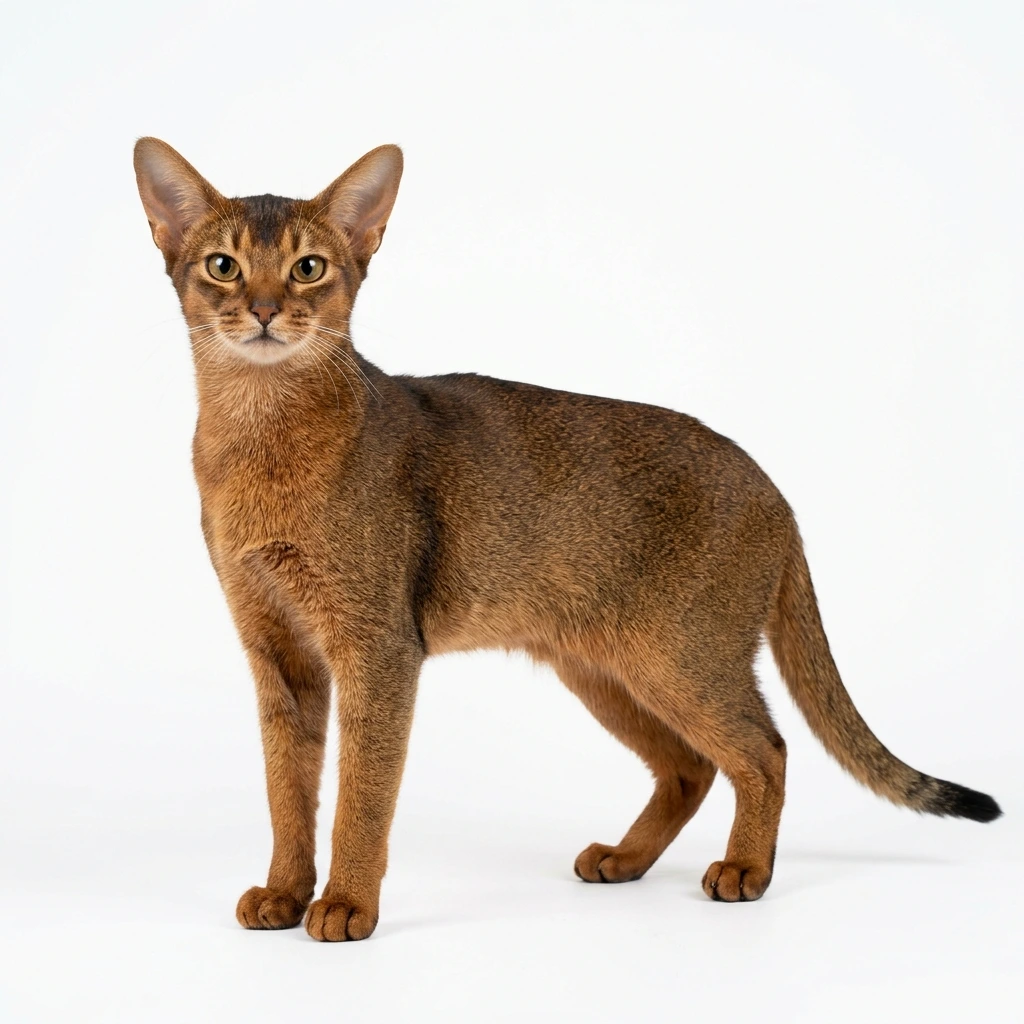
Abyssinian
The Abyssinian is a highly intelligent, active, and curious athlete. Known as the 'clowns of the cat world,' they love vertical space and being in the centre of family action. They are perfect for active Kiwi households that enjoy interactive pets.
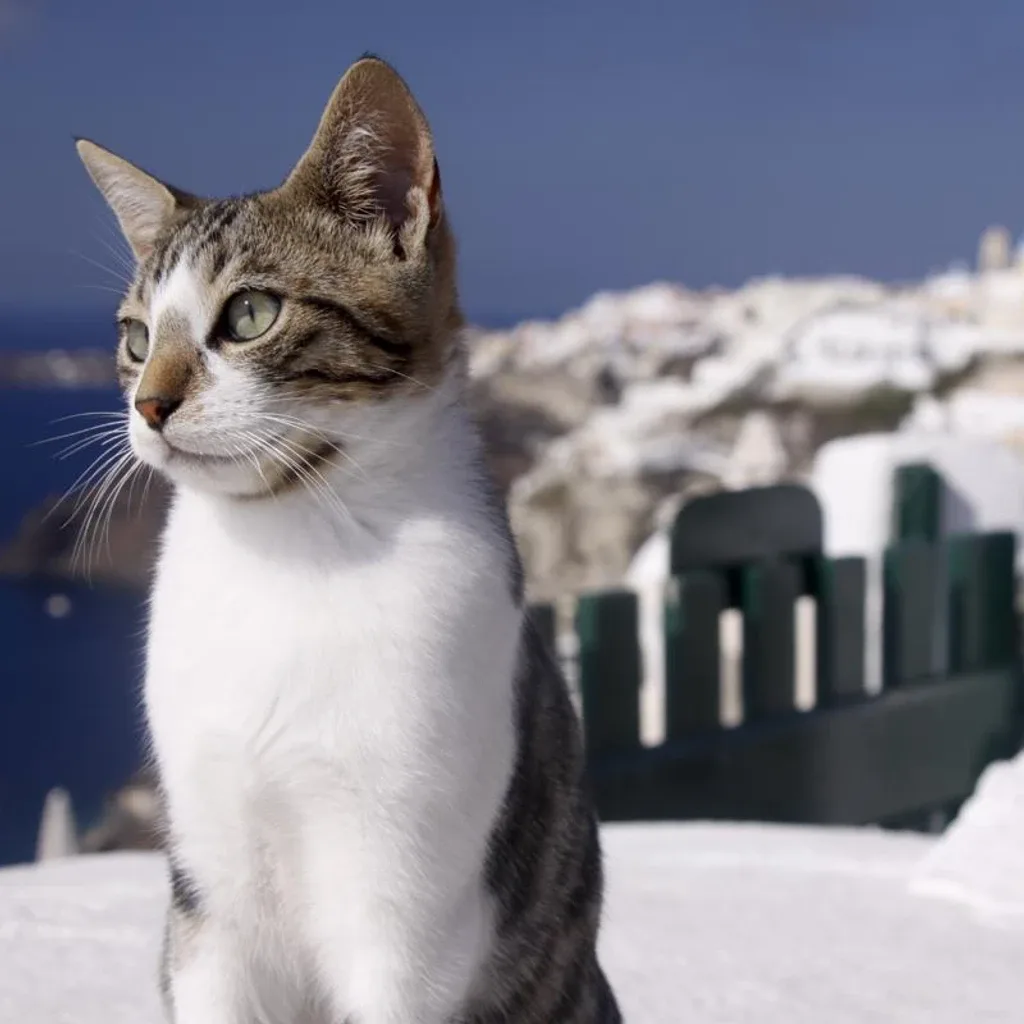
Aegean
A rare, natural breed from Greece, Aegeans are sturdy, social, and adaptable. They are famous for their love of water and their balanced, communicative nature.
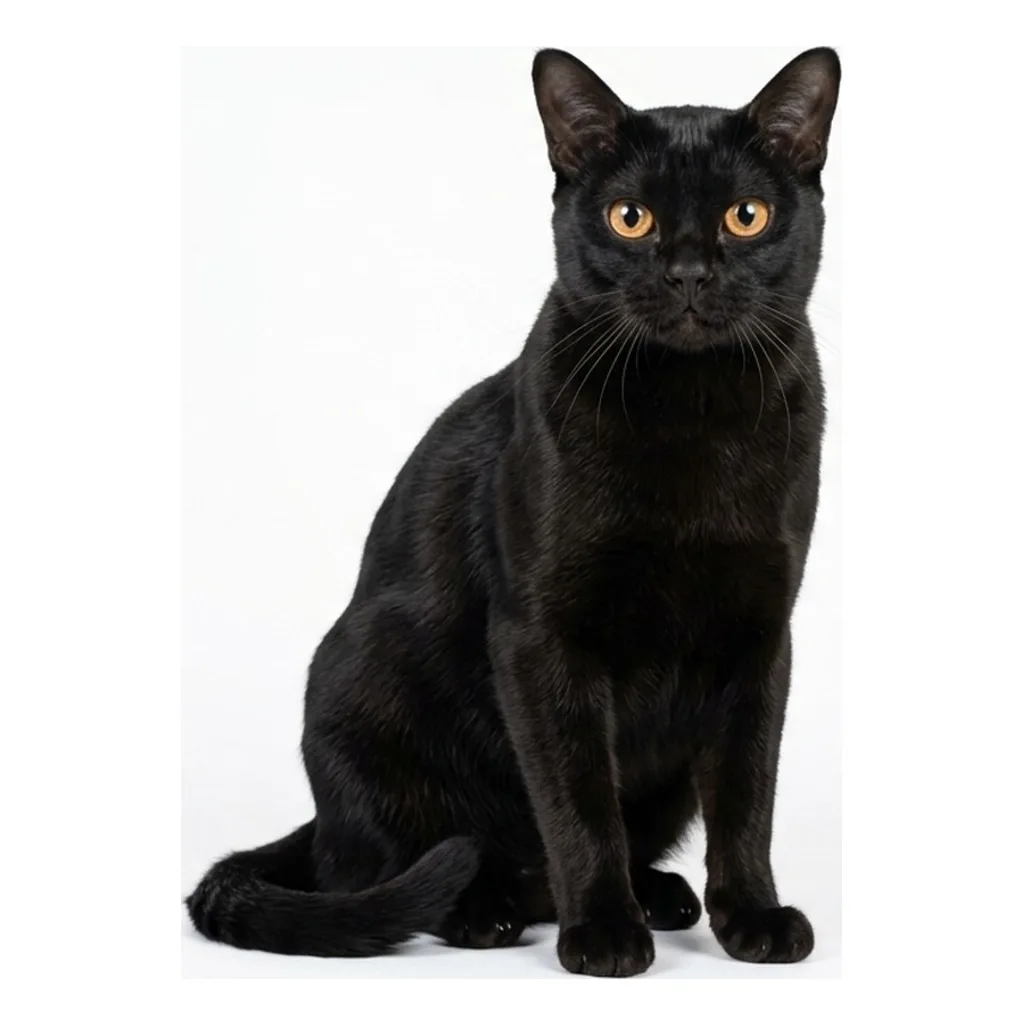
Bombay
The 'miniature panther.' Bombays are sleek, black, and copper-eyed. They are intensely people-oriented, affectionate, and love to investigate everything with their paws.
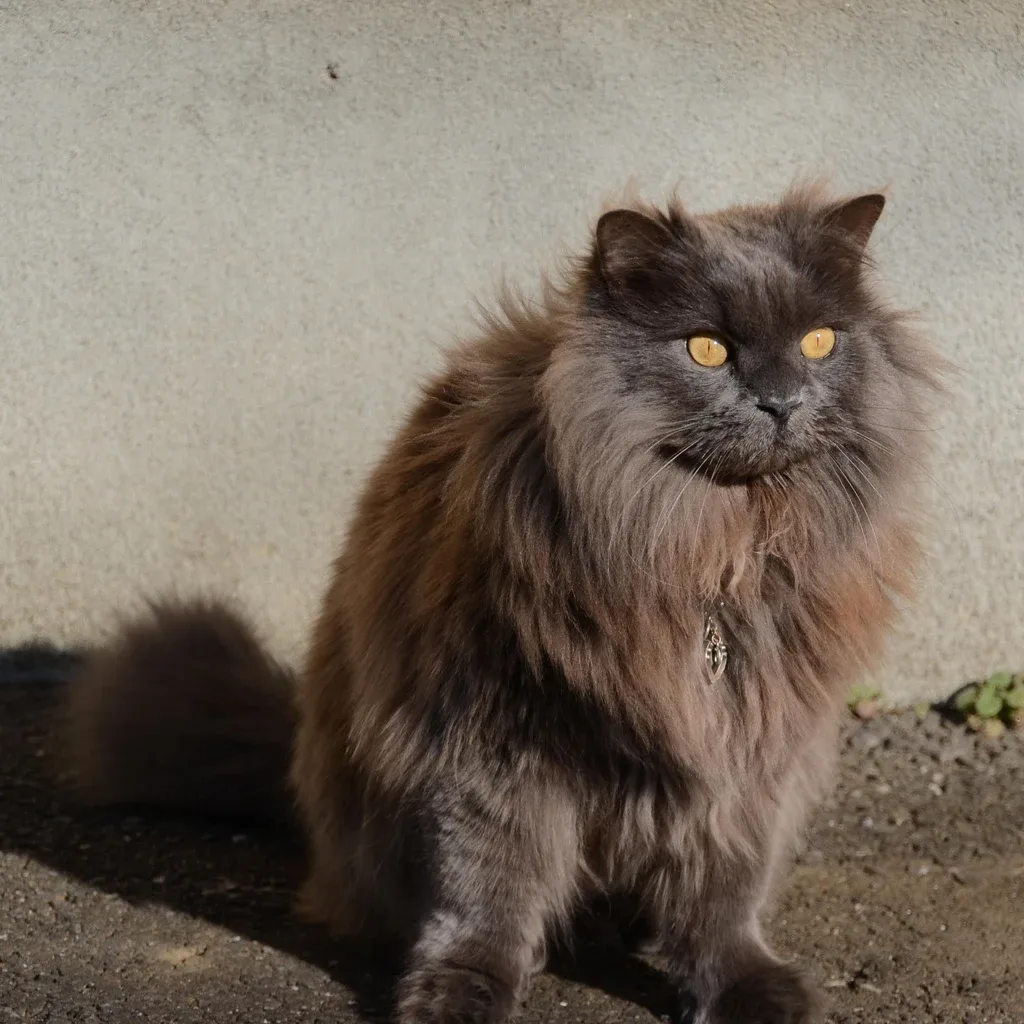
Chantilly-Tiffany
A medium-sized, long-haired companion known for its loyal and quiet nature. Often called 'chocolate lovers,' they are gentle, devoted cats.