Cat Breed Guide NZ
Ocicat
The Ocicat is a truly unique feline, captivating with its wild, spotted appearance reminiscent of an exotic jungle cat, yet possessing the heart of a devoted domestic companion. Bred for intelligence and athleticism, these cats often display dog-like traits, such as responding to their names, enjoying leash walks, and playing fetch. They are incredibly social, thriving on interaction and forming strong bonds with their human families. An Ocicat will actively participate in household life, bringing endless entertainment and affection. For a Kiwi household seeking an engaging, playful, and loyal pet that stands out from the crowd, the Ocicat offers a vibrant and interactive addition to the family.
Photo Gallery
Breed Snapshot
- Size
- 3 - 7 kg
- Lifespan
- 12 - 14 years
- Origin
- Being enriched
- Temperament
- Active, Agile, Curious, Demanding, Friendly, Gentle, Lively, Playful, Social
- NZ Price
- $1,500 - $3,500 NZD from registered breeders; $150-$350 NZD adoption via SPCA (for mixed breeds or older cats, purebred Ocicats are rare at SPCA)
- Annual Vet Cost
- Estimated annual vet costs for an Ocicat in NZ typically range from $400 - $700 NZD, covering routine check-ups, vaccinations, and flea/worm treatments. While generally a robust breed, Ocicats can be predisposed to certain health issues. These include Progressive Retinal Atrophy (PRA), Pyruvate Kinase Deficiency (PK Def), and Hypertrophic Cardiomyopathy (HCM), which may require specialist veterinary care and screening, potentially adding to costs. Dental disease is also common in many cat breeds, necessitating regular dental checks and potential cleanings, which can cost $300-$800 NZD per procedure. Responsible breeders will screen for genetic conditions to minimise risks.
Personality Scores
NZ Lifestyle Fit
The Ocicat's adaptable and social nature makes them a good fit for many New Zealand living situations. For an apartment in Auckland, an Ocicat can thrive if provided with ample vertical space (cat trees, shelves), daily interactive play, and mental stimulation. Their short coat handles Auckland's humid summers well, but ensure they have access to cool spots. For a house with a section, a secure catio or a safely fenced garden is ideal, allowing them to indulge their athletic and curious nature without roaming. In rural NZ farm settings, they would need very secure containment to protect them from wildlife and ensure their safety, as their friendly nature might make them vulnerable. South Island cold winters necessitate warm, indoor sleeping areas. High UV levels across New Zealand mean indoor access is crucial to prevent sunburn, especially for lighter-coloured cats, and to protect their skin. MPI has no specific restrictions on Ocicat ownership, but general cat welfare and registration bylaws (which vary by council, e.g., Auckland Council) must be adhered to.
Origins & History
The Ocicat's intriguing journey began quite by accident in Michigan, USA, in 1964. Breeder Virginia Daly was attempting to develop an Abyssinian-pointed Siamese cat. In the second generation of her breeding programme, a male kitten emerged with unusual golden spots on an ivory background. This unique kitten, named Tonga, was the first Ocicat. He was neutered and sold as a pet, but his distinctive appearance sparked interest. Subsequent planned breedings, involving the Siamese, Abyssinian, and later the American Shorthair (introduced to bring in bone structure and silver colour), refined the breed's look and genetic diversity. The breed was officially recognised by the Cat Fanciers' Association (CFA) in 1987. The Ocicat was specifically developed to combine the wild beauty of a spotted cat with the predictable, loving temperament of a domestic feline, ensuring they make excellent family pets without any wild cat bloodlines.
Appearance
The Ocicat is a medium to large-sized cat, typically weighing between 3 to 7 kilograms, with males generally being larger than females. They possess a strong, athletic, and well-muscled build, giving them an agile and powerful presence. Their most striking feature is their short, sleek, satin-like coat adorned with distinctive thumbprint-shaped spots. These spots are randomly placed across their body, creating a beautiful contrast against their lighter ground colour. Ocicats come in a wide array of colours, including tawny (black spotted), chocolate, cinnamon, blue, lavender, and fawn, all with corresponding silver variations. Their almond-shaped eyes are large and expressive, and can be any colour except blue, often complementing their coat. They have a moderately wedge-shaped head, strong chin, and large, tufted ears, contributing to their wild aesthetic.
Temperament & Personality
Ocicats are renowned for their vibrant and engaging personalities. They are highly intelligent, active, and incredibly social cats that thrive on interaction. Unlike many felines, Ocicats often display dog-like qualities; they can be trained to walk on a leash, play fetch, and respond to verbal commands. Their curious and agile nature means they love to explore and play, making them excellent companions for active individuals or families. They are known for being friendly, gentle, and lively, often greeting visitors at the door and demanding attention. Their social nature means they don't do well when left alone for long periods and prefer the company of their human family or other pets. They are highly adaptable and enjoy being involved in all household activities, making them a truly integrated member of the family.
Life in New Zealand
For Kiwis, the Ocicat’s adaptable nature makes them well-suited to various New Zealand lifestyles. Their short coat is easy to maintain and handles New Zealand's diverse climate well, from Auckland's humid summers to the South Island's colder winters, provided they have warm indoor spaces. Their athletic build means they appreciate secure outdoor access, such as a catio or a safely fenced section, where they can explore and burn off energy. Their social and dog-like temperament means they fit seamlessly into family life, often enjoying trips to the bach or joining in on family activities. Given their intelligence, they thrive on mental stimulation, which can be provided through interactive toys, puzzle feeders, and training sessions, making them a rewarding pet for engaged owners. Their robust health and engaging personality make them a fantastic choice for a New Zealand home looking for a distinctive and interactive feline companion.
Is This the Right Breed for You?
The Ocicat is an ideal breed for individuals or families who are looking for an active, intelligent, and highly social cat. If you appreciate a feline companion that is more like a 'dog in a cat's body' – eager to interact, play games, and be involved in your daily life – then an Ocicat might be a perfect match. They require a good amount of attention and mental stimulation, so they are best suited to homes where they won't be left alone for extended periods. They generally get along well with children and other pets, provided they are properly introduced. Owners should be prepared to provide plenty of playtime, enrichment, and potentially even leash training. If you're ready for a cat that will be a constant source of entertainment, affection, and loyalty, the Ocicat will undoubtedly enrich your life.
Fun Facts
Fact 1
The Ocicat is named for its resemblance to the wild Ocelot, despite having no wild cat DNA.
Fact 2
They are known for their 'dog-like' loyalty and can often be trained to walk on a leash and play fetch.
Fact 3
The breed originated from an accidental mating between a Siamese and an Abyssinian in 1964.
Fact 4
Ocicats come in 12 different colour variations, all featuring their distinctive spotted pattern.
Fact 5
They are highly vocal and will often 'talk' to their owners with a range of meows and chirps.
Related Breeds
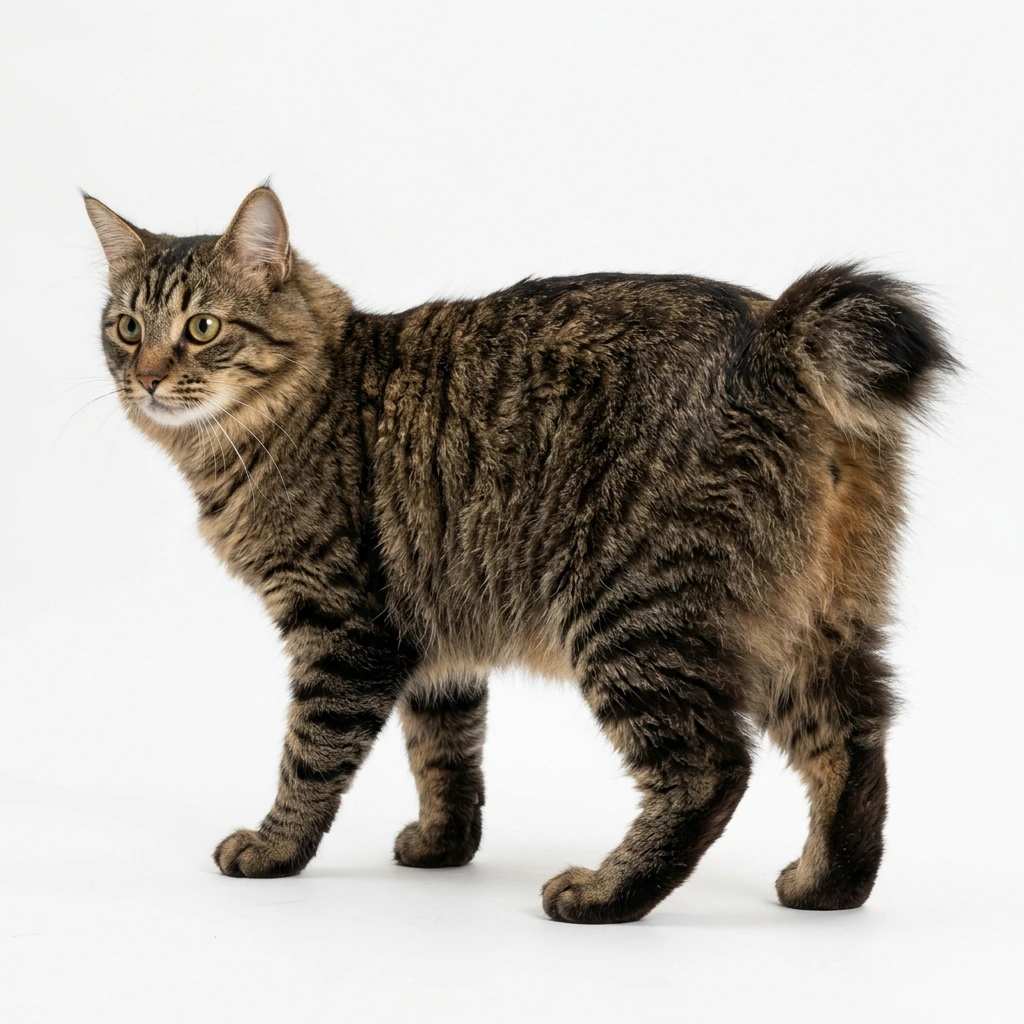
American Bobtail
With a wild look and a loyal 'dog-like' personality, the American Bobtail is a highly adaptable companion that often enjoys walking on a harness.
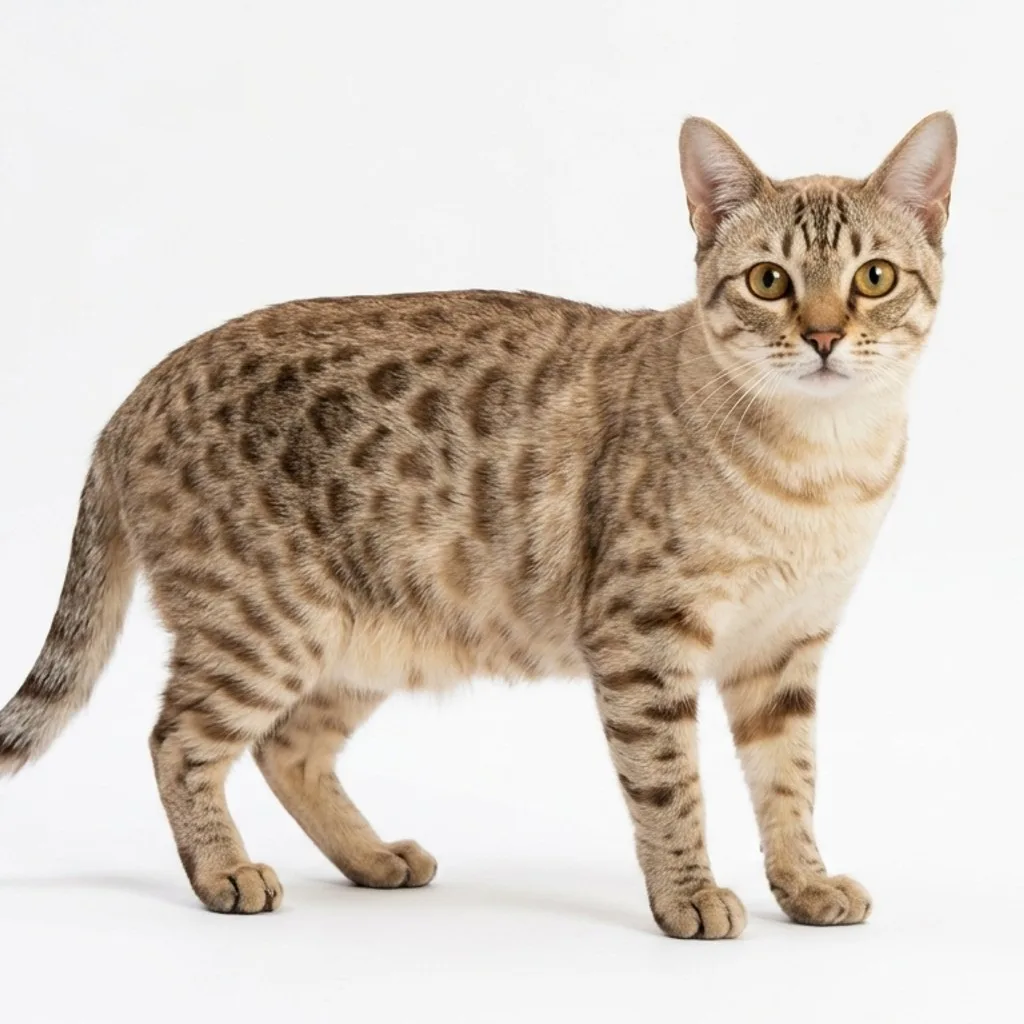
Australian Mist
Bred to be the ultimate indoor pet, the Australian Mist is relaxed, affectionate, and social. They are excellent with children and other pets, making them perfect for NZ apartments.
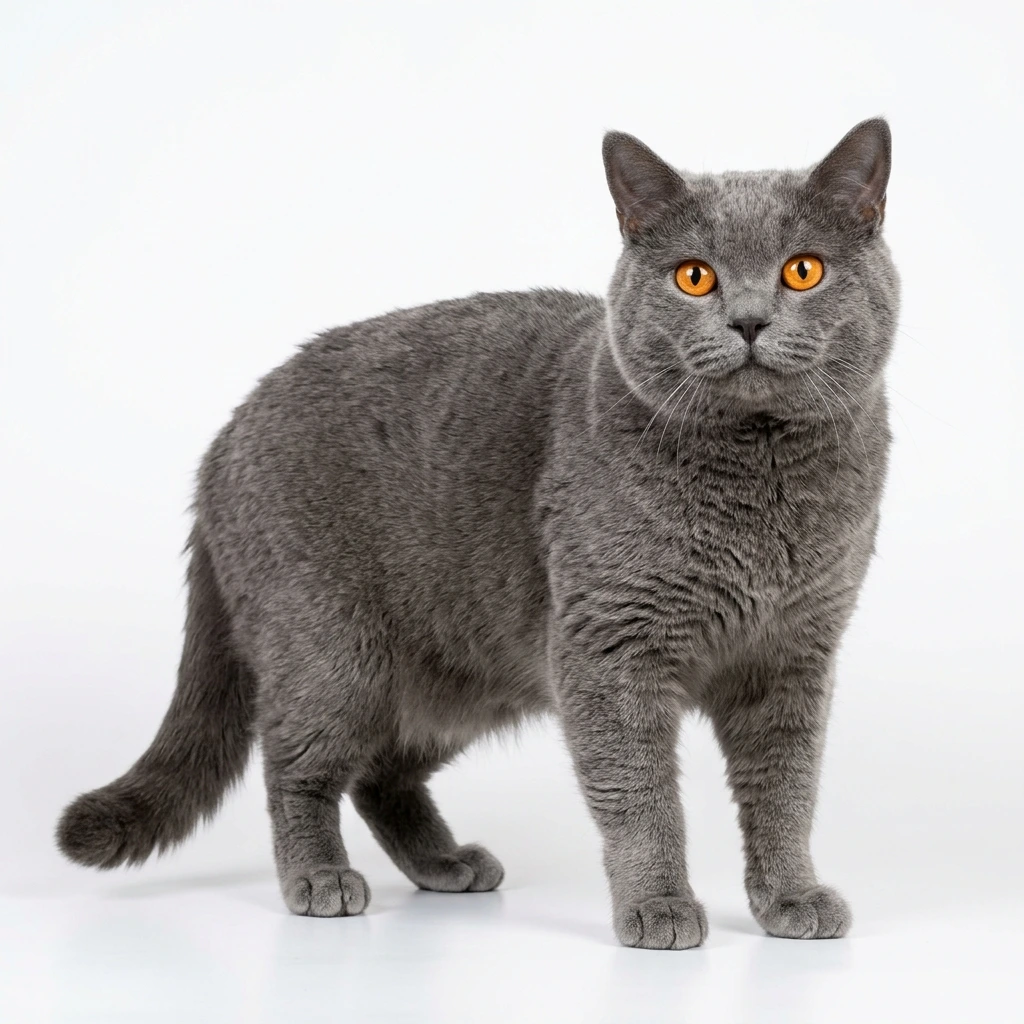
Chartreux
Sturdy blue-grey cats from France with a silent and 'smiling' nature. They are loyal, intelligent, and quiet companions that adapt well to routine.
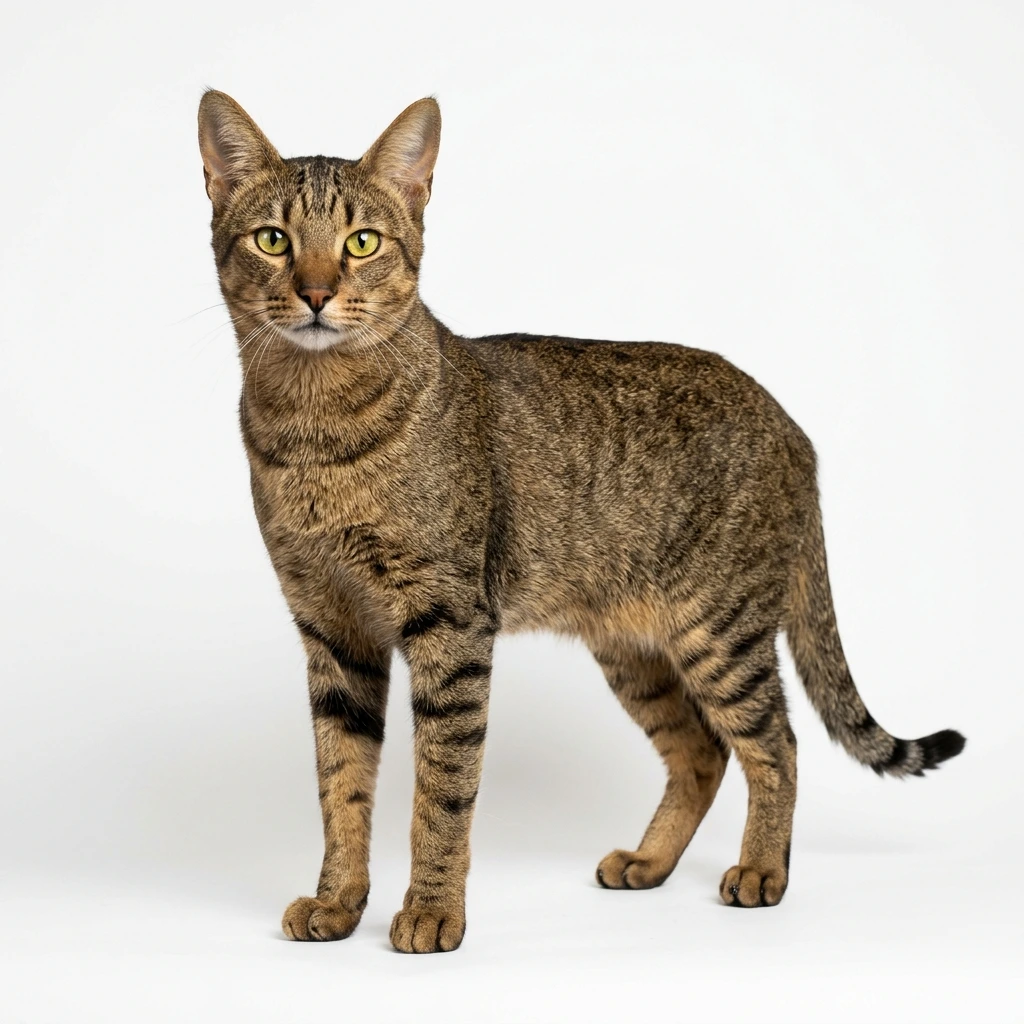
Chausie
Majestic, large athletes developed from Jungle Cats. Chausies are high-energy and best suited for experienced owners who can provide significant stimulation.