Cat Breed Guide NZ
American Bobtail
The American Bobtail stands out with its distinctive wild appearance and a personality often described as 'dog-like'. Known for their unwavering loyalty and intelligence, these adaptable felines thrive on interaction and can even be trained to walk on a harness, making them perfect companions for exploring local parks or enjoying a stroll around the block. Their playful and sensitive nature ensures they integrate seamlessly into most Kiwi households, offering both affection and endless entertainment. Whether you're in a bustling city apartment or a home with a spacious section, the American Bobtail's versatile temperament makes them a wonderful addition to the New Zealand lifestyle.
Photo Gallery
Breed Snapshot
- Size
- 3 - 7 kg
- Lifespan
- 11 - 15 years
- Origin
- Being enriched
- Temperament
- Intelligent, Interactive, Lively, Playful, Sensitive
- NZ Price
- $1,000 - $3,000 NZD from registered breeders; $150-$350 NZD adoption via SPCA (if available)
- Annual Vet Cost
- Estimated annual vet costs for an American Bobtail in NZ range from $400 - $800 NZD for routine check-ups, vaccinations, flea/worm treatments, and general health maintenance. While generally a healthy breed, they can be prone to hip dysplasia and, in rare cases, spinal issues related to their bobbed tail. General feline conditions like hypertrophic cardiomyopathy (HCM) and polycystic kidney disease (PKD) should also be screened for. These breed-specific health concerns, if they arise, could incur additional costs for diagnostics and treatment, potentially adding $500 - $2,000+ NZD depending on the severity and required interventions.
Personality Scores
NZ Lifestyle Fit
The American Bobtail's adaptable and robust nature makes them surprisingly well-suited for diverse New Zealand living conditions. For those in an Auckland apartment, their intelligence and trainability, particularly their enjoyment of harness walking, mean they can thrive with sufficient indoor enrichment and supervised outdoor excursions. The city's humid summers might require more frequent brushing for long-haired Bobtails to prevent matting. In a house with a secure section, they will relish safe outdoor access, exploring their territory while remaining loyal to their family. For rural NZ farms, their natural hunting instincts can make them excellent mousers, but their strong bond with humans means they are unlikely to wander far. South Island's colder winters are generally manageable for their dense coats, though short-haired individuals might appreciate a warm spot indoors. High UV levels across NZ necessitate access to shade or indoor living during peak sun hours. Importantly, the Ministry for Primary Industries (MPI) has no specific restrictions on cat breeds like the American Bobtail, making them a welcome addition to any Kiwi home.
Origins & History
The American Bobtail is a relatively new and captivating breed, with its origins tracing back to the late 1960s in the United States. The breed's foundation story often begins with a short-tailed tabby kitten named Yodie, discovered by a couple, John and Brenda Sanders, during a holiday in Arizona. Yodie was later bred with a Siamese cat, and surprisingly, their offspring inherited Yodie's distinctive bobbed tail. This natural genetic mutation became the cornerstone for developing the American Bobtail breed. Unlike the Manx cat, which has a different genetic mutation, the American Bobtail's tail can vary in length, from a mere stub to about one-third the length of a typical cat's tail, but it is always naturally occurring and never docked. Early breeders focused on developing a cat with a robust, wild appearance combined with a gentle, intelligent temperament, leading to the adaptable and affectionate companion we know today.
Appearance
The American Bobtail is a medium to large-sized cat, typically weighing between 3 to 7 kilograms, with males often being larger than females. Their most defining characteristic is, of course, their short, expressive bobbed tail, which can range from 2.5 to 10 centimetres in length and may be straight, kinked, or slightly curved. They possess a powerful, athletic build with a broad chest and substantial boning, giving them a rugged, 'wild cat' aesthetic. Their head is broad and wedge-shaped, featuring prominent cheekbones and almond-shaped eyes that contribute to their intelligent and alert expression. The breed comes in both short-haired and long-haired varieties, with a dense, double coat that can be found in virtually any colour or pattern, including tabbies, solids, bi-colours, and points. The long-haired variety often has shaggy fur and a ruff around the neck, while the short-haired has a resilient, plush coat. Both coat types require regular grooming to maintain their condition.
Temperament & Personality
One of the most endearing qualities of the American Bobtail is its exceptional temperament, often likened to that of a dog. They are renowned for being intelligent, interactive, lively, playful, and remarkably sensitive companions. These cats form strong bonds with their human families, displaying a profound loyalty and often following their owners from room to room. Their intelligence makes them highly trainable; many American Bobtails enjoy playing fetch, learning tricks, and even walking on a harness and lead, making them excellent partners for supervised outdoor adventures. They are not overly vocal but communicate effectively through chirps, trills, and purrs. Their playful nature means they thrive on mental stimulation and interactive play, making them a joy to have around. Despite their wild appearance, they are incredibly gentle and patient, making them excellent pets for families with children and other pet-friendly animals.
Life in New Zealand
The adaptable nature of the American Bobtail makes them well-suited to a variety of living situations across New Zealand. Their robust build and dense coat allow them to cope with the varied Kiwi climate, from the humid summers of Auckland to the colder winters of the South Island, though long-haired varieties may appreciate extra grooming in humidity and short-haired cats might seek warmth in cooler temperatures. Their 'dog-like' personality means they thrive on interaction and can be happy in a city apartment, provided they receive ample mental and physical stimulation through play and harness walks. For homes with a secure section, they will enjoy safe outdoor exploration, and their hunting instincts can make them effective mousers in a rural setting, though their loyalty means they prefer to stay close to home. Their need for companionship fits well with the Kiwi lifestyle, where pets are often considered integral family members.
Is This the Right Breed for You?
If you're seeking a loyal, intelligent, and highly interactive feline companion, the American Bobtail could be your perfect match. They are ideal for individuals or families who can dedicate time to play, training, and companionship. Their adaptability makes them suitable for various living environments, from urban flats to homes with larger sections, as long as their needs for mental and physical engagement are met. They integrate well with children and other pets, making them a harmonious addition to a multi-pet household. While generally healthy, potential owners should be prepared for regular grooming, especially for long-haired varieties, and routine veterinary care. If you appreciate a cat with a unique look, a playful spirit, and a heart full of loyalty, the American Bobtail will undoubtedly bring immense joy and character to your New Zealand home.
Fun Facts
Fact 1
The American Bobtail's tail is a natural genetic mutation, not surgically altered, and can vary greatly in length and shape.
Fact 2
They are often described as having a 'dog-like' personality due to their loyalty, playfulness, and trainability.
Fact 3
Many American Bobtails enjoy playing fetch and can even be taught to walk on a harness and lead.
Fact 4
Despite their wild appearance, they are known for being incredibly gentle and patient, making them great family pets.
Fact 5
The breed is relatively new, with its origins tracing back to a chance encounter with a short-tailed tabby kitten in Arizona in the late 1960s.
Related Breeds
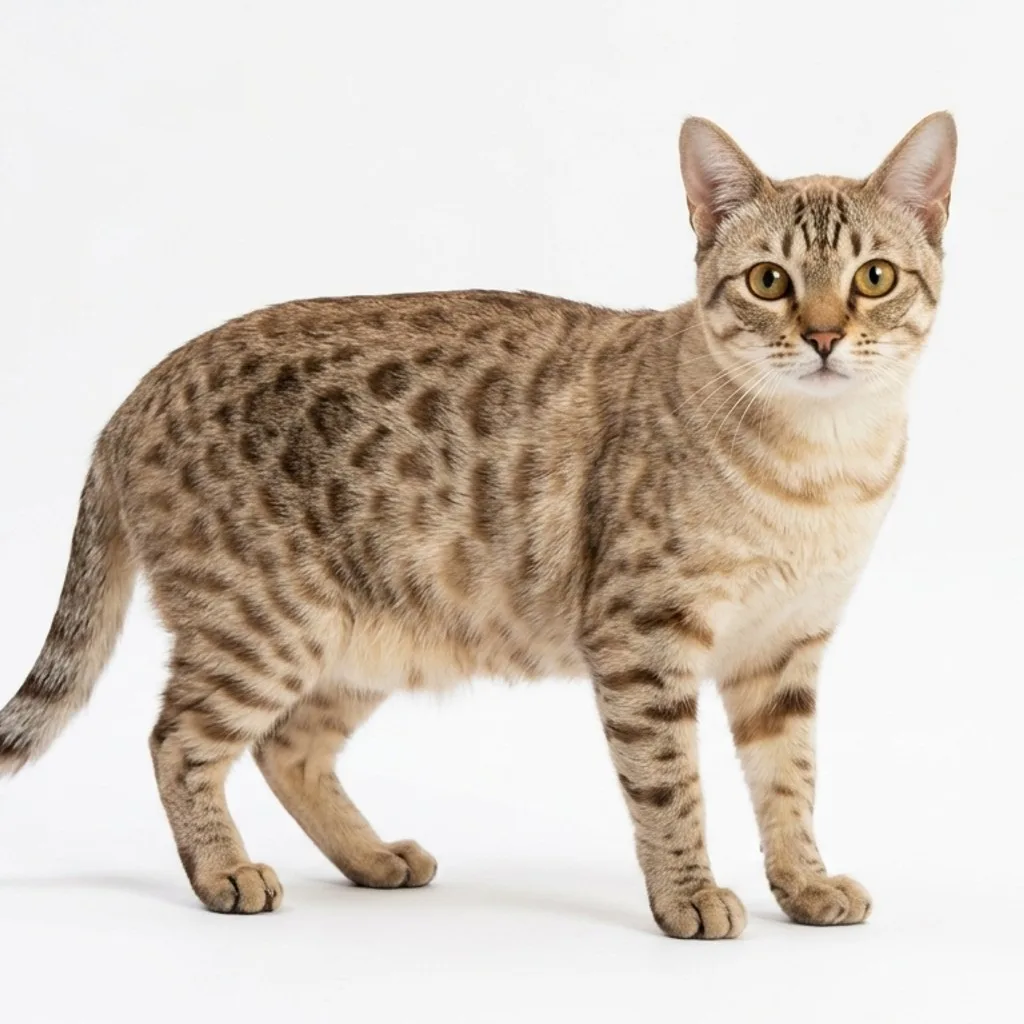
Australian Mist
Bred to be the ultimate indoor pet, the Australian Mist is relaxed, affectionate, and social. They are excellent with children and other pets, making them perfect for NZ apartments.
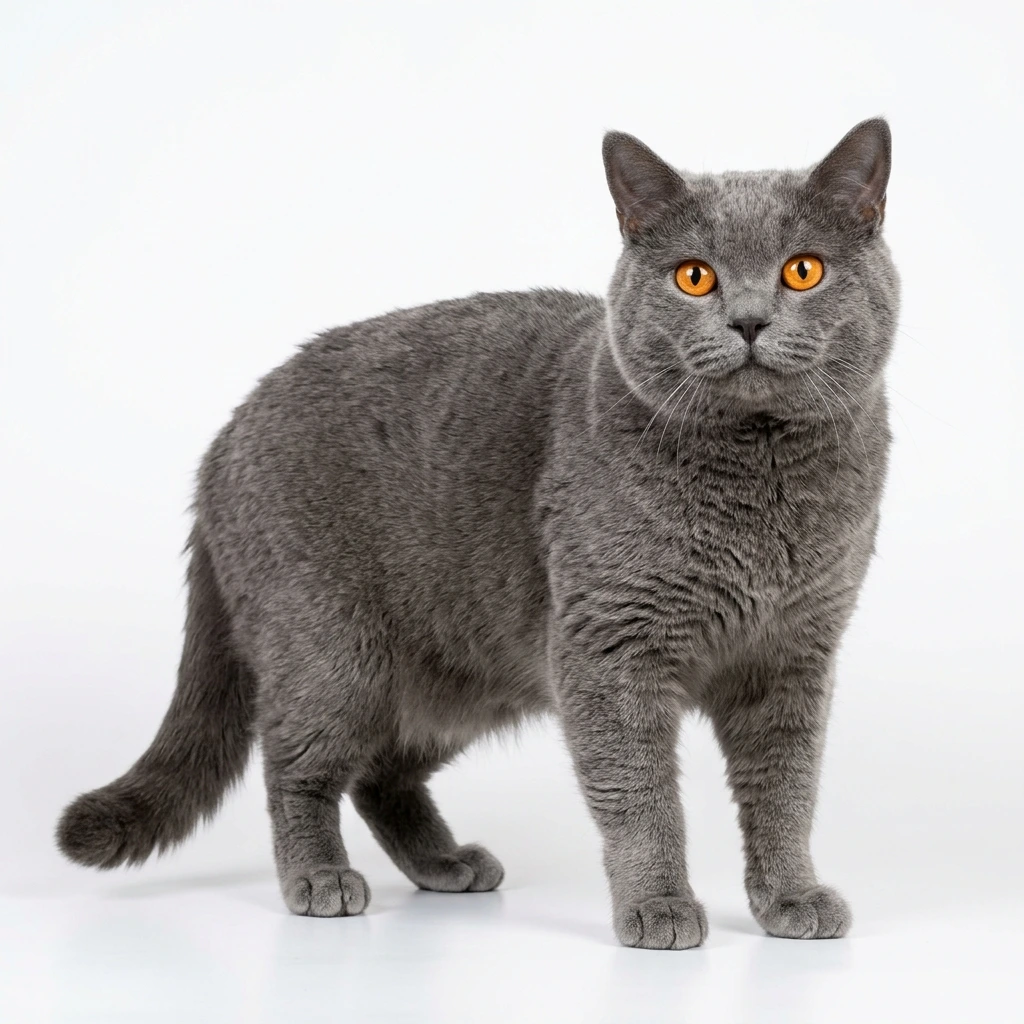
Chartreux
Sturdy blue-grey cats from France with a silent and 'smiling' nature. They are loyal, intelligent, and quiet companions that adapt well to routine.
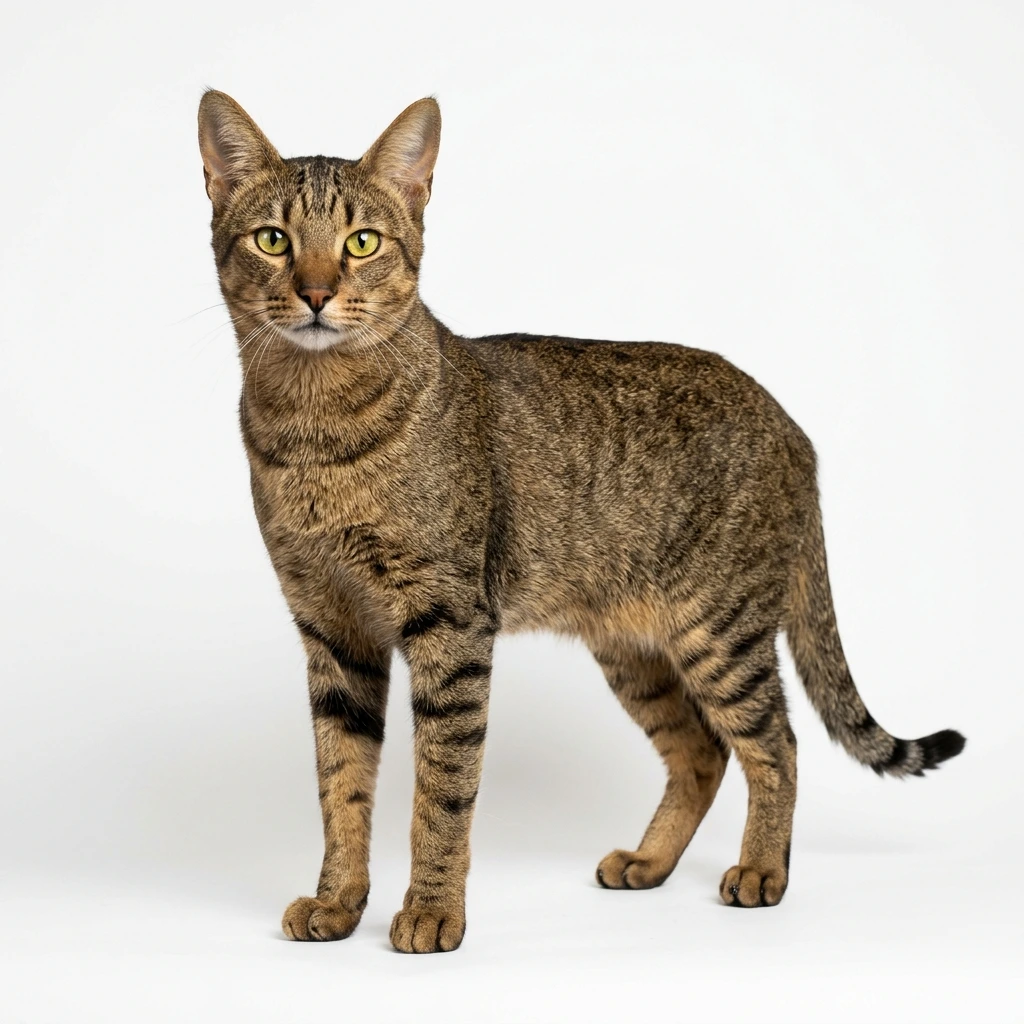
Chausie
Majestic, large athletes developed from Jungle Cats. Chausies are high-energy and best suited for experienced owners who can provide significant stimulation.
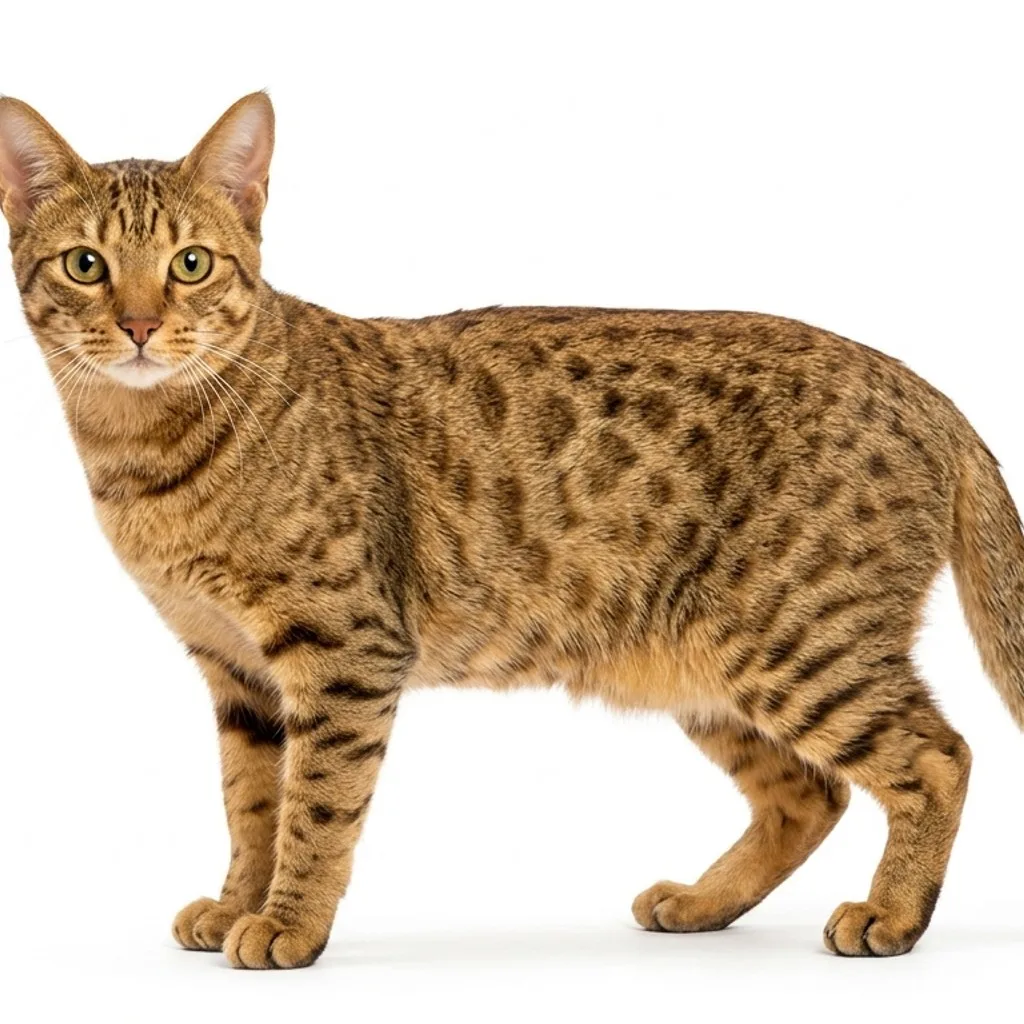
Ocicat
Designed to look like a wild spotted cat but with a domestic temperament. Ocicats are athletic, intelligent, and social, often acting more like loyal dogs than typical cats.