Cat Breed Guide NZ
Chartreux
The Chartreux, a captivating blue-grey cat from France, is renowned for its sturdy build, serene 'smiling' expression, and remarkably quiet nature. These intelligent and loyal companions adapt beautifully to routine, offering affectionate presence without demanding constant attention. Their dense, water-resistant coat and striking orange eyes make them truly distinctive. In a Kiwi home, a Chartreux thrives on companionship and a calm environment, fitting seamlessly into both bustling city apartments and quiet suburban houses. They are low-maintenance yet highly rewarding pets, perfect for those seeking a devoted, tranquil feline friend in New Zealand.
Photo Gallery
Breed Snapshot
- Size
- 3 - 7 kg
- Lifespan
- 12 - 15 years
- Origin
- Being enriched
- Temperament
- Affectionate, Loyal, Intelligent, Social, Lively, Playful
- NZ Price
- $1,500 - $3,000 NZD from registered breeders; $150-$350 NZD adoption via SPCA
- Annual Vet Cost
- Estimated annual vet costs for a Chartreux in NZ typically range from '$400 - $700 NZD'. This covers routine check-ups, annual vaccinations, flea and worm treatments, and general preventative care. While Chartreux are generally robust, they can be predisposed to certain health issues. Patellar luxation, a condition where the kneecap dislocates, might require veterinary attention or surgery, adding significant costs. Polycystic Kidney Disease (PKD) is another concern, though less common in well-bred lines, and can lead to ongoing management expenses. Dental issues like gingivitis are also common in cats, necessitating professional dental cleanings which can cost an additional $300-$600 NZD every few years. Regular vet visits are crucial for early detection and management of these conditions, ensuring your Chartreux lives a long, healthy life.
Personality Scores
NZ Lifestyle Fit
The Chartreux's adaptable and calm nature makes it highly suitable for various New Zealand living situations. For those in an Auckland apartment, their quiet disposition and moderate activity levels mean they can thrive indoors, provided they have ample enrichment like climbing trees and interactive toys. Their dense coat, while a boon for South Island cold winters, means owners should ensure they have access to cooler areas during Auckland's humid summers to prevent overheating. A house with a section offers them more space to explore safely, perhaps with a secure catio, which is ideal given NZ's high UV index, protecting their skin. For rural NZ farm life, while they possess excellent hunting instincts, it's crucial to consider their safety from vehicles, other animals, and potential poisons. MPI (Ministry for Primary Industries) currently has no specific restrictions on owning Chartreux cats in New Zealand, making them a straightforward choice for adoption or purchase. Their robust health and low-maintenance grooming further enhance their appeal for Kiwi lifestyles.
Origins & History
The Chartreux cat boasts a rich and somewhat mysterious history, believed to have originated in ancient Persia before making its way to France. Legend suggests these sturdy blue-grey felines were brought to France by crusaders returning from the Middle East in the 12th century. They became particularly associated with the Carthusian monks of France, who were said to have bred them at the Grande Chartreuse monastery, giving the breed its distinctive name. The monks reportedly valued their quiet nature and hunting prowess, which helped keep vermin out of their monasteries. For centuries, the Chartreux was prized for its dense, woolly coat, leading to its near extinction due to the fur trade in the early 20th century. Dedicated breeders, however, worked tirelessly to preserve the breed, and it was officially recognised in France in the 1930s. Today, the Chartreux remains a rare and cherished breed, celebrated for its unique charm and ancient lineage.
Appearance
The Chartreux is a medium to large-sized cat, known for its robust and muscular build, often described as a "potato on toothpicks" due to its sturdy body and relatively fine legs. Males typically weigh between 4.5 to 7 kg, while females are slightly smaller, ranging from 3 to 4.5 kg. Their most striking feature is their luxurious, short to medium-length double coat, which is a uniform blue-grey colour, ranging from ash to slate. The coat is dense, slightly woolly, and water-resistant, providing excellent insulation. Another hallmark is their expressive, rounded head with a broad forehead and a slightly upturned mouth, giving them a perpetual "smile" or "Grin of the Chartreux." Their eyes are large and round, ranging in colour from copper to deep gold, adding to their captivating gaze. They possess medium-sized ears, set high on the head, and a medium-length, tapering tail.
Temperament & Personality
The Chartreux is celebrated for its gentle, loyal, and intelligent temperament, making it an ideal companion for many Kiwi households. They are known as "silent hunters" due to their quiet nature, rarely vocalising beyond soft chirps or purrs, and are not typically demanding cats. Despite their reserved demeanour, they are incredibly affectionate and bond deeply with their families, often following their owners from room to room. Chartreux are highly adaptable and thrive on routine, finding comfort in predictability. They possess a playful and lively side, enjoying interactive toys and games, but are equally content to curl up for a quiet cuddle. Their intelligence makes them easy to train, and they can even learn to play fetch. They are generally social cats, getting along well with respectful children and other pets, making them a harmonious addition to a multi-pet household.
Life in New Zealand
A Chartreux cat can thrive wonderfully in a New Zealand home, adapting well to various lifestyles. Their calm and adaptable nature means they can be content in an Auckland apartment, a suburban house with a garden section, or even a more rural setting, provided they have a safe and stimulating environment. Their dense coat, while excellent for cooler South Island winters, means owners should be mindful of humid Auckland summers, ensuring access to cool, shaded spots indoors. They are not typically high-energy cats, but appreciate opportunities for play and exploration, whether it's supervised outdoor access or a rich indoor environment with climbing structures. Given their loyalty and quiet disposition, they are perfect for Kiwis seeking a devoted feline companion who integrates seamlessly into family life without being overly boisterous.
Is This the Right Breed for You?
The Chartreux is an excellent choice for individuals or families seeking a calm, intelligent, and affectionate feline companion. They are particularly suited for those who appreciate a quiet household, as their vocalisation is minimal. Their loyalty and adaptability make them ideal for first-time cat owners, as well as experienced enthusiasts. If you're looking for a cat that forms a deep bond, enjoys interactive play without being overly demanding, and can adapt to various living situations from a city flat to a more spacious home, the Chartreux could be your perfect match. They thrive on routine and consistent affection, offering years of devoted companionship. However, if you prefer a highly vocal or extremely high-energy cat, another breed might be a better fit. For Kiwis valuing a serene yet playful presence, the Chartreux is an incredibly rewarding choice.
Fun Facts
Fact 1
The Chartreux is often called the 'Smiling Cat' due to the unique upturned corners of its mouth.
Fact 2
They are known as the 'Mute Cat' of France because they rarely vocalise, preferring chirps and purrs over meows.
Fact 3
Chartreux cats have a distinctive 'potato on toothpicks' body shape, referring to their sturdy body and relatively fine legs.
Fact 4
Their dense, woolly, blue-grey coat is water-resistant, a trait believed to have helped them survive harsh climates.
Fact 5
The Chartreux is the national cat breed of France, with a history dating back to the 12th century.
Related Breeds
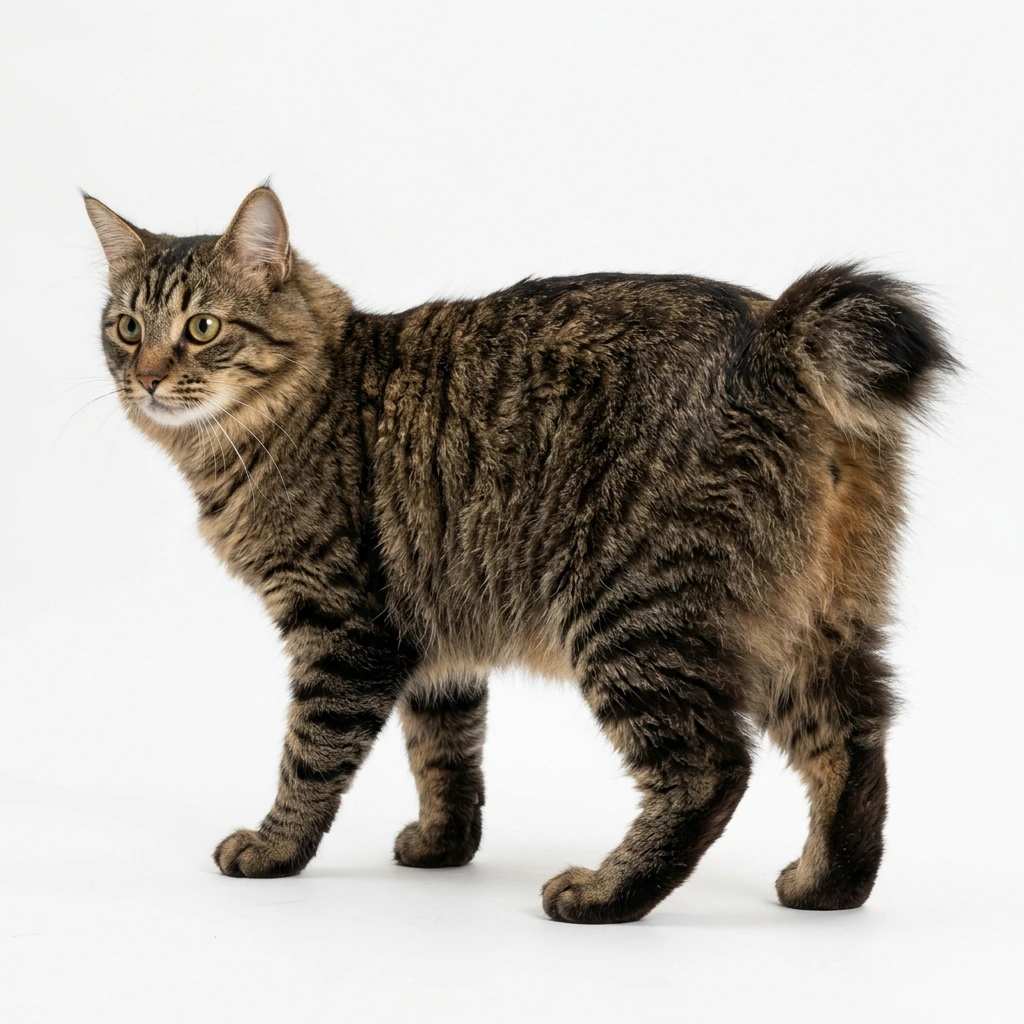
American Bobtail
With a wild look and a loyal 'dog-like' personality, the American Bobtail is a highly adaptable companion that often enjoys walking on a harness.
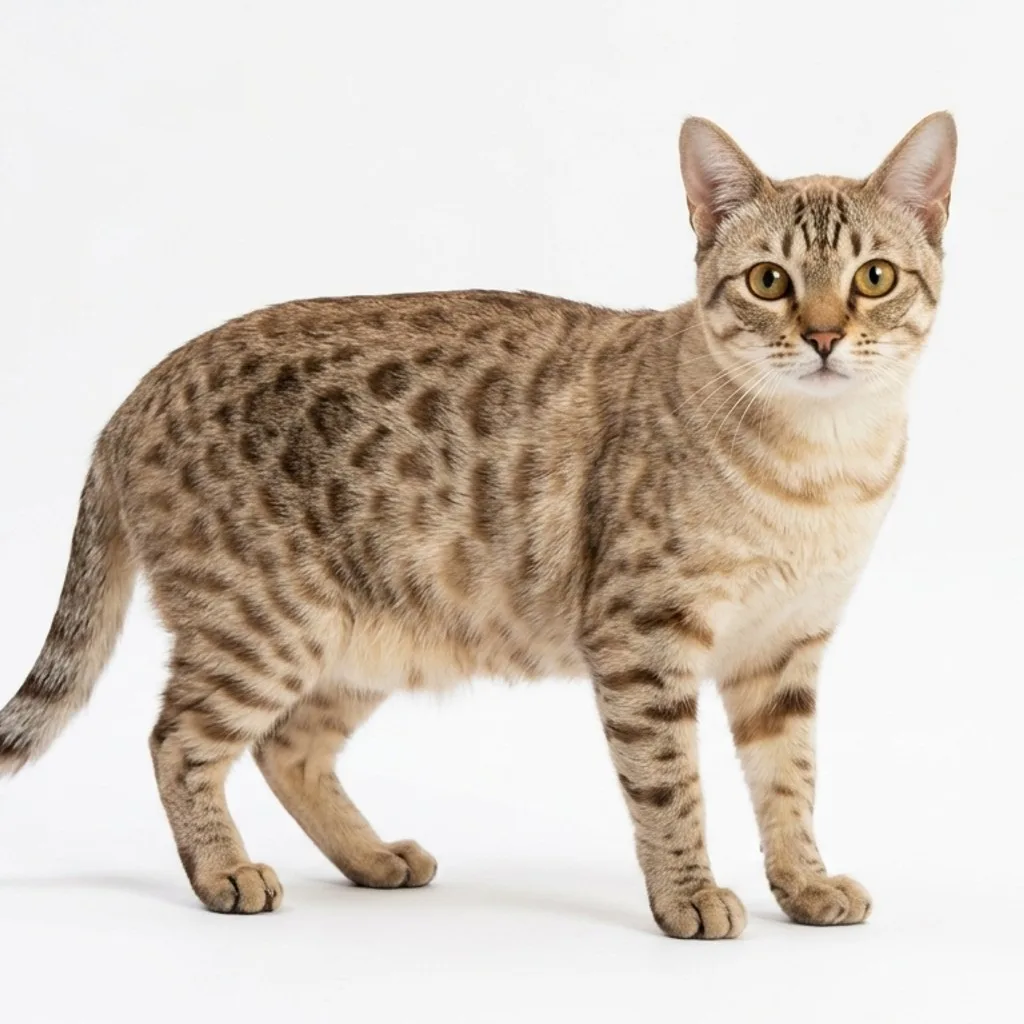
Australian Mist
Bred to be the ultimate indoor pet, the Australian Mist is relaxed, affectionate, and social. They are excellent with children and other pets, making them perfect for NZ apartments.
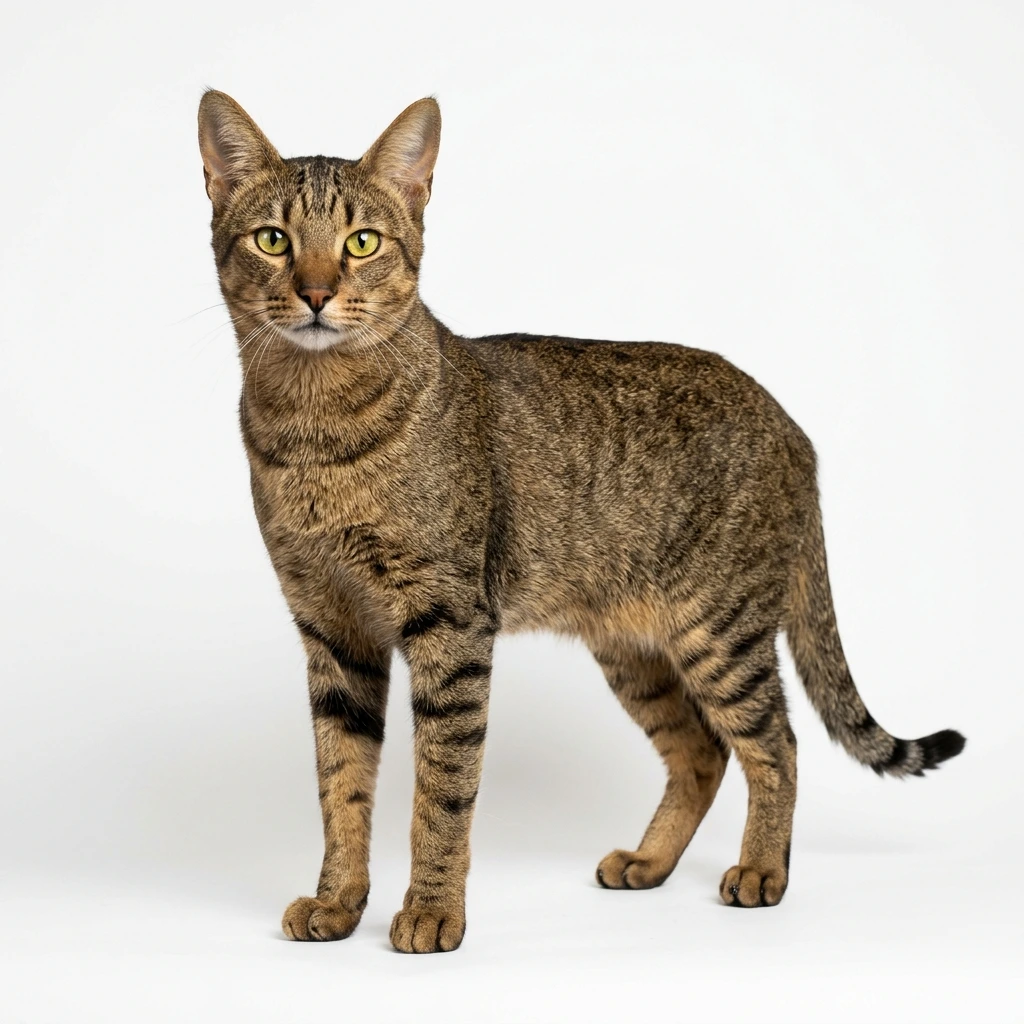
Chausie
Majestic, large athletes developed from Jungle Cats. Chausies are high-energy and best suited for experienced owners who can provide significant stimulation.
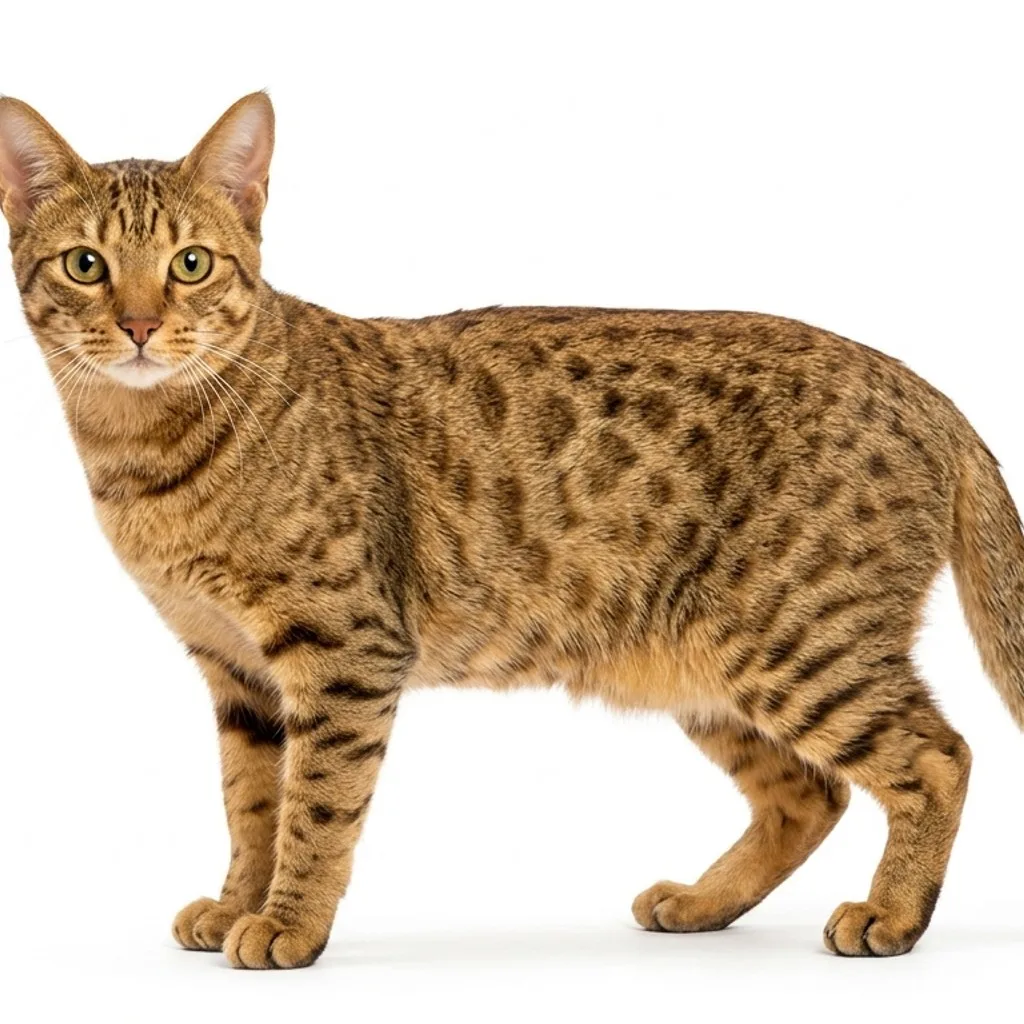
Ocicat
Designed to look like a wild spotted cat but with a domestic temperament. Ocicats are athletic, intelligent, and social, often acting more like loyal dogs than typical cats.