Cat Breed Guide NZ
Chausie
The Chausie is a truly majestic and athletic feline, a captivating hybrid breed developed from the wild Jungle Cat. These large, high-energy cats are not for the faint of heart, demanding significant mental and physical stimulation from their owners. With their striking wild appearance and intelligent, playful nature, Chausies form deep bonds with their human families. They thrive in environments where their adventurous spirit can be safely indulged, making them best suited for experienced Kiwi cat enthusiasts who can provide a stimulating home, perhaps with a secure outdoor 'catio' or a spacious property to explore.
Photo Gallery
Breed Snapshot
- Size
- 3 - 7 kg
- Lifespan
- 12 - 14 years
- Origin
- Being enriched
- Temperament
- Affectionate, Intelligent, Playful, Social
- NZ Price
- $3,000 - $6,000 NZD from registered breeders; adoption via SPCA is highly unlikely for this rare breed.
- Annual Vet Cost
- Estimated annual vet costs for a Chausie in NZ could range from $400 - $800 NZD. This includes routine check-ups, vaccinations, flea and worm treatments. Breed-specific health issues, such as digestive sensitivities (requiring specific diets) and occasional reports of Pyruvate Kinase Deficiency (PKD) or Patellar Luxation, could incur additional costs for diagnosis and treatment, potentially adding hundreds to thousands of dollars if specialist care is needed.
Personality Scores
NZ Lifestyle Fit
Chausies are high-energy cats, making them a unique fit for various New Zealand living situations. An apartment in Auckland, unless exceptionally large and filled with vertical space and enrichment, would likely be unsuitable for a Chausie due to their need for extensive exercise and mental stimulation. Auckland's humid summers are generally fine for their short coat, but indoor cooling options are always appreciated. A house with a generous section offers a better environment, but a secure 'catio' is essential to protect our native birds and prevent escapes. Free-roaming, especially near rural NZ farms, is strongly discouraged due to the risk to wildlife and the cat's safety. For South Island cold winters, Chausies require warm, insulated indoor access. New Zealand's high UV levels mean lighter-coloured Chausies should have shaded areas or indoor access during peak sun hours to prevent sunburn. MPI (Ministry for Primary Industries) does not have specific restrictions on Chausies as they are considered domestic cats, but responsible ownership, particularly regarding wildlife protection, is paramount.
Origins & History
The Chausie's lineage is as exotic as its appearance, tracing back to the ancient wild Jungle Cat (Felis chaus) found across parts of the Middle East, Asia, and Africa. The breed itself is a relatively modern creation, intentionally developed in the late 20th century by crossing domestic cats with Jungle Cats. The goal was to create a domestic feline with the striking athleticism and wild beauty of its ancestor, combined with the affectionate and social temperament of a house cat. Early generations (F1, F2) are very close to their wild roots, while later generations (F3 and beyond) are generally considered fully domestic and are the ones typically available as pets. Their development has been a careful process, aiming to retain the magnificent physical traits while ensuring a stable, loving personality suitable for a family companion.
Appearance
Chausies are undeniably impressive cats, embodying a powerful and athletic build. They are large felines, typically weighing between 3 and 7 kg, with males often being significantly larger than females. Their bodies are long and lean, with deep chests and long legs, giving them an agile, graceful posture. Their heads are wedge-shaped with high-set, large ears that may have lynx tips, adding to their wild allure. Their eyes are typically gold or yellow, often with a striking green rim. The short, dense coat comes in a few distinct patterns: black, black grizzled tabby, and ticked tabby. The ticked tabby pattern is particularly unique, giving them a sandy or brownish appearance with individual hairs banded with different colours, similar to their wild ancestors. This combination of size, musculature, and distinctive coat makes the Chausie a truly magnificent animal.
Temperament & Personality
Despite their wild heritage, Chausies are known for their affectionate, intelligent, playful, and social personalities. They form strong bonds with their families and thrive on interaction, often following their owners from room to room. Their intelligence means they are quick learners and can be taught tricks, walk on a leash, and even play fetch. However, this intelligence also means they require significant mental stimulation to prevent boredom, which can lead to destructive behaviours. Chausies are high-energy cats; they love to climb, jump, and explore, making them natural athletes. They are generally good with respectful children and other pets, provided they are properly socialised from a young age. Their playful nature means they will often initiate games and appreciate interactive toys and puzzle feeders.
Life in New Zealand
Bringing a Chausie into a New Zealand home requires careful consideration of their unique needs. Their high energy and intelligence mean they need ample space and enrichment. While they can adapt to indoor living, a secure outdoor 'catio' or a very large, securely fenced section is highly recommended to allow them to safely express their natural instincts without posing a risk to New Zealand's precious native wildlife. Their short coat generally copes well with New Zealand's varied climate, from Auckland's humid summers to the South Island's colder winters, provided they have warm, dry indoor access. Owners must be committed to providing consistent mental and physical stimulation to ensure a happy and well-adjusted Chausie.
Is This the Right Breed for You?
The Chausie is an exceptional breed, but not suitable for every household. They are best suited for experienced cat owners who understand the demands of a high-energy, intelligent, and social feline. If you lead an active lifestyle and are prepared to dedicate significant time to play, training, and enrichment, a Chausie could be a wonderful companion. They thrive in homes where they are central to family life and receive plenty of attention. Owners must be prepared to invest in robust climbing structures, interactive toys, and potentially a secure outdoor enclosure. If you're looking for a low-maintenance lap cat, the Chausie is likely not the right fit. However, for those seeking an engaging, athletic, and deeply affectionate companion with a touch of the wild, the Chausie offers an incredibly rewarding experience.
Fun Facts
Fact 1
The Chausie's name comes from 'Felis chaus', the scientific name for the wild Jungle Cat from which it descends.
Fact 2
Unlike many domestic cats, Chausies are known for their love of water and may even enjoy playing in it.
Fact 3
They are one of the largest domestic cat breeds, often mistaken for small wild cats due to their size and appearance.
Fact 4
Chausies are highly intelligent and can be trained to walk on a leash, play fetch, and learn various tricks.
Fact 5
Due to their wild ancestry, Chausies mature slower than typical domestic cats, reaching full maturity around 2-3 years of age.
Related Breeds
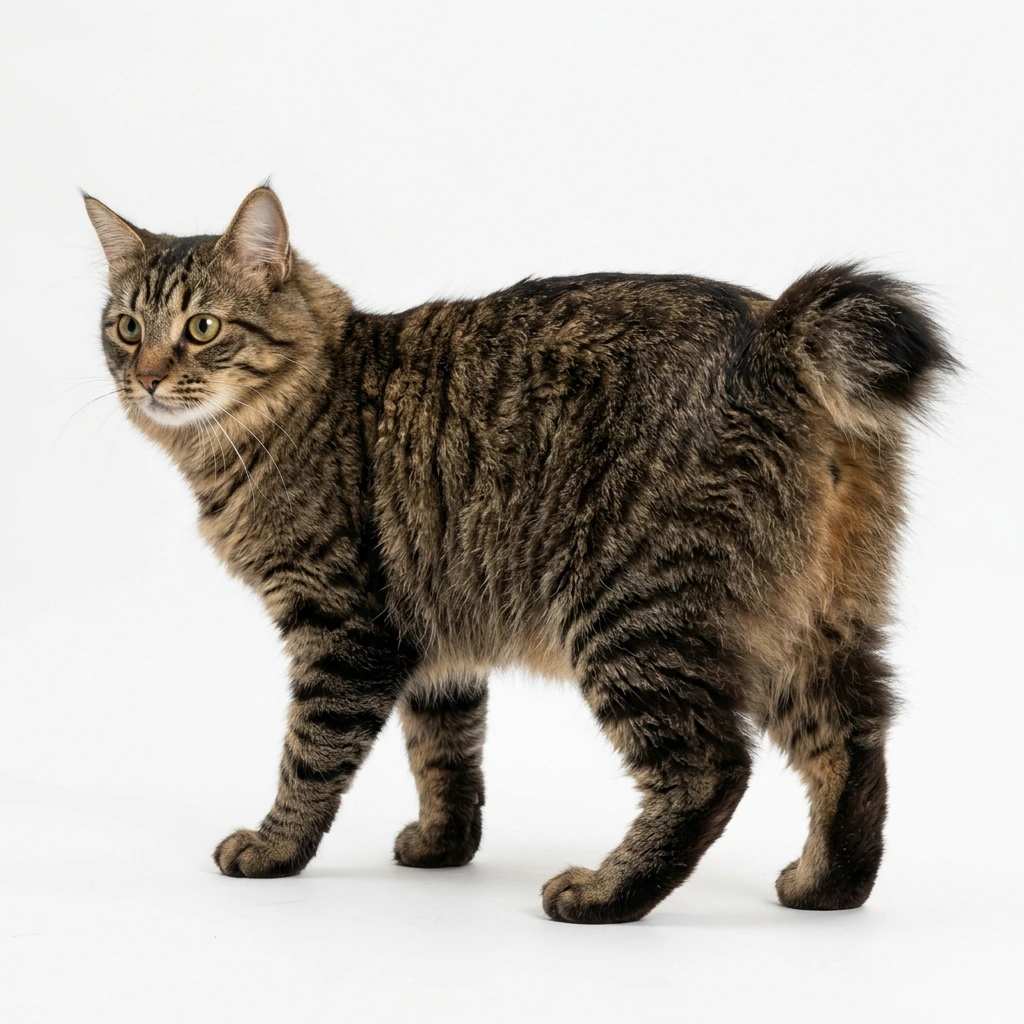
American Bobtail
With a wild look and a loyal 'dog-like' personality, the American Bobtail is a highly adaptable companion that often enjoys walking on a harness.
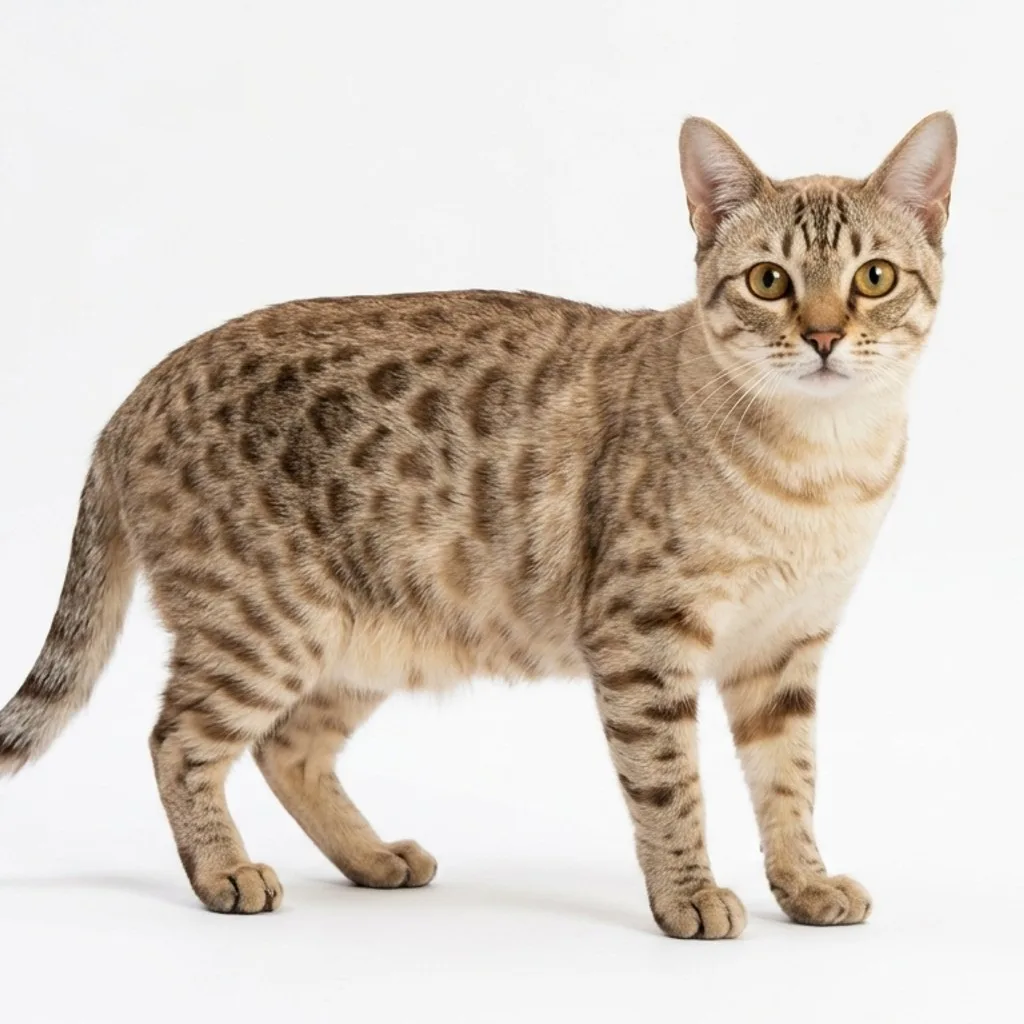
Australian Mist
Bred to be the ultimate indoor pet, the Australian Mist is relaxed, affectionate, and social. They are excellent with children and other pets, making them perfect for NZ apartments.
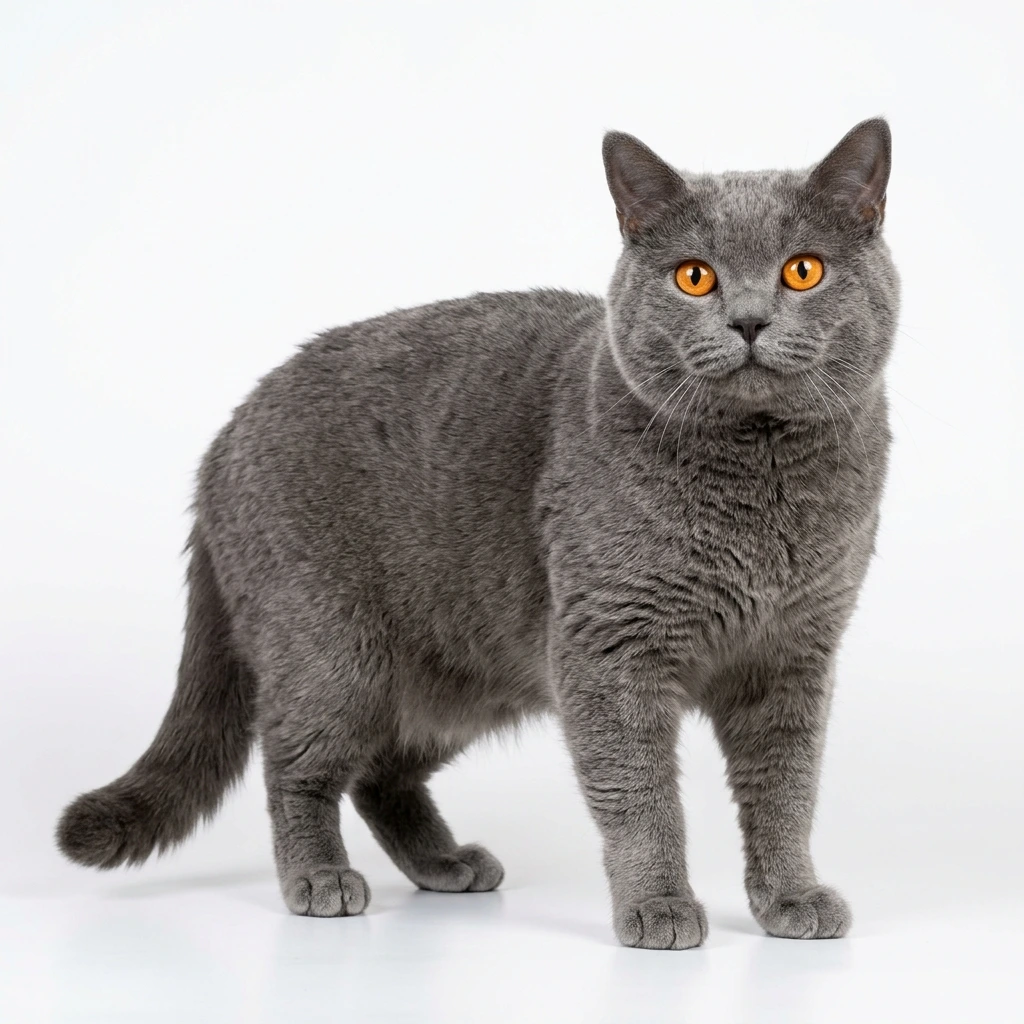
Chartreux
Sturdy blue-grey cats from France with a silent and 'smiling' nature. They are loyal, intelligent, and quiet companions that adapt well to routine.
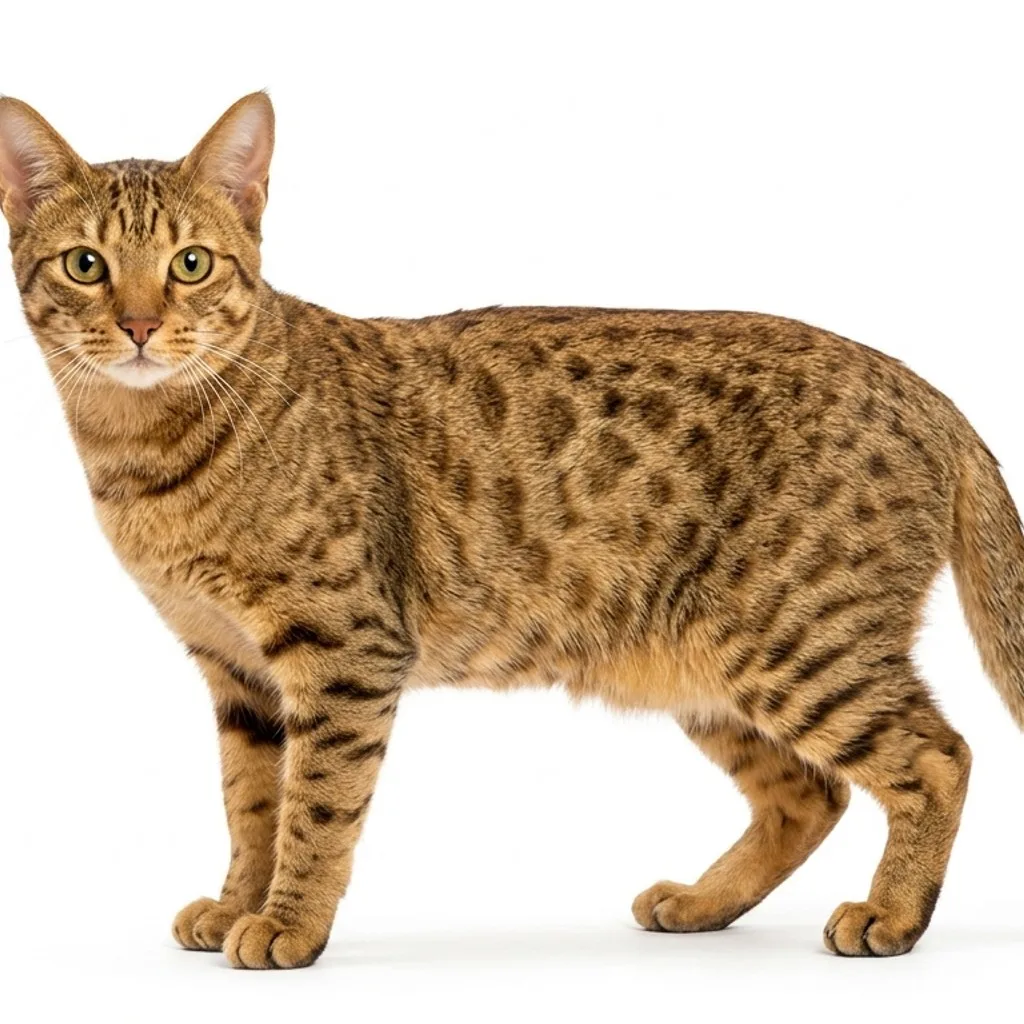
Ocicat
Designed to look like a wild spotted cat but with a domestic temperament. Ocicats are athletic, intelligent, and social, often acting more like loyal dogs than typical cats.