Why Does My Dog Wag Its Tail? NZ Guide (It's Not Always Happy)
Why does your dog wag its tail? A wag means arousal — not always happiness. Here's how to read tail height, speed and direction to know how your dog really feels.
The quick answer: a wagging tail means your dog is emotionally aroused — but that's not the same as happy. A wag can signal friendliness, excitement, uncertainty, or even tension before a snap. To read it correctly you have to look at the *whole* picture: tail height, speed, stiffness and the rest of the body. Reading wags properly is one of the most useful dog-owner skills there is.
A wag = arousal, not automatically "happy"
Wagging shows your dog is feeling *something* and ready to act. The emotion behind it can be positive or negative, which is why "the tail was wagging" is not a guarantee a dog is friendly.
How to read the wag
- Loose, sweeping wag (whole back end wiggles) → relaxed and friendly.
- High, stiff, fast wag → high arousal, alert, possibly tense — caution.
- Low or tucked wag → nervous, unsure or submissive.
- Slow wag with a still body → uncertainty; the dog is assessing.
- Helicopter / circular wag → often genuine, happy greeting.
- Research also suggests right-biased wagging leans positive and left-biased leans wary — subtle, but real.
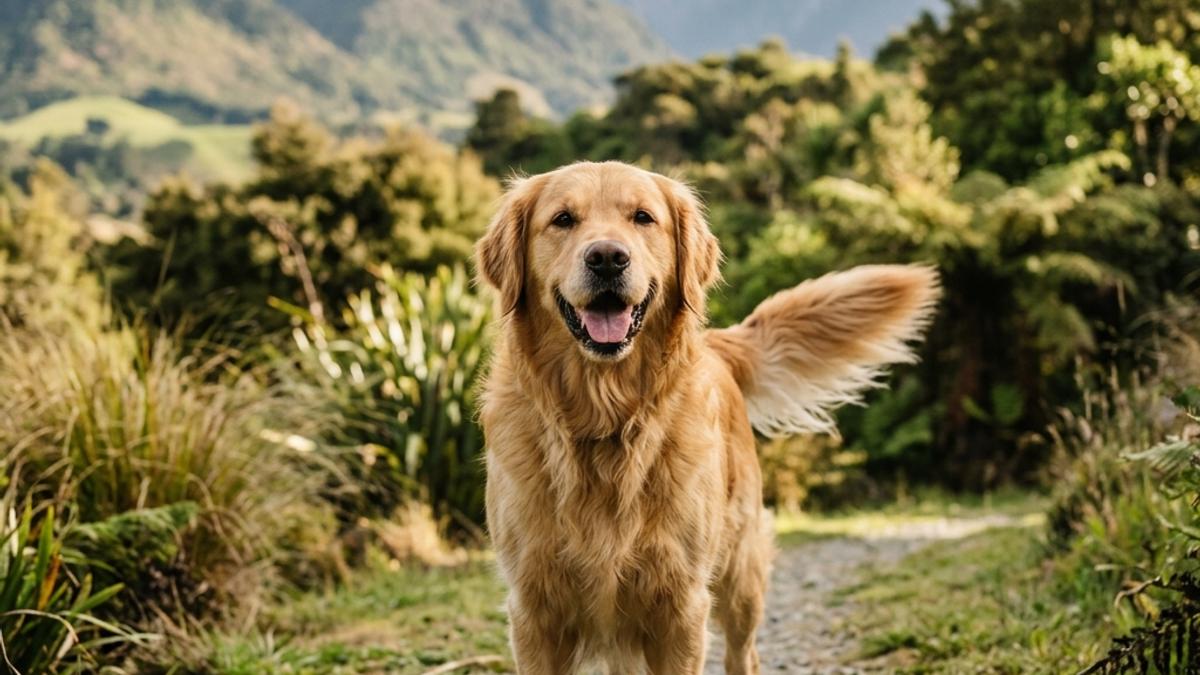
Always combine the tail with ears, eyes, mouth and posture. Use the Dog Behaviour Decoder to put the signals together.
Why this matters (especially around kids)
Teaching children that "wagging = safe to pat" is a common cause of bites. A stiff, high wag on a tense dog is a warning, not an invitation. Reading the whole body — not just the tail — keeps everyone safer. A well-exercised, settled dog is easier to read and calmer overall; see dog enrichment NZ.
When to take note
If your dog suddenly can't wag, holds the tail oddly, or the tail seems painful (a limp, drooping tail after swimming or hard exercise can be a real condition), see a vet. Sudden changes in tail carriage are worth checking.
Quick takeaways
- A wag = arousal, not automatically happiness.
- Read height, speed and stiffness with the whole body, not the tail alone.
- Loose, low wag = friendly; high, stiff, fast wag = caution.
- Teach kids not to assume a wag means "safe to pat".
- A painful, limp or suddenly-changed tail → vet check.
Shop related categories at PetMall
Looking for training treats, toys and enrichment in New Zealand? Browse the PetMall dog range for current options and nationwide delivery.
Related reading
References
- VCA Animal Hospitals — Interpreting Tail Wags in Dogs: position and speed matter, and a wag does not always mean friendly, checked 2026-07-11: https://vcahospitals.com/know-your-pet/interpreting-tail-wags-in-dogs
- American Kennel Club — Why Do Dogs Wag Their Tails? A wag signals arousal (happy, fearful or aroused), not always happiness, checked 2026-07-11: https://www.akc.org/expert-advice/advice/why-do-dogs-wag-their-tails/
Important notice
*General behaviour information for NZ owners. A painful, limp or suddenly-changed tail can have medical causes — see a registered NZ vet.*
Free PetMall tools
Related guides
petmall.co.nz
Shop at PetMall
The products below are practical support items for your pet. PetMall ships across New Zealand.
- Dog FoodStart with food that matches your dog's life stage and activity level — and change brands slowly over 7–10 days.
- Dog TreatsTraining rewards and everyday treats — small, soft pieces work best for consistent reinforcement.
- Dog ToysA small rotation of chew, fetch, and puzzle toys usually works better than buying a large variety at once.
- Dog GroomingA gentle brush and the right shampoo make maintenance easier — especially for dogs that get muddy on walks.
- Leads & HarnessesComfort matters: padded contact points and adjustable fit help reduce rubbing on longer walks or tramping weekends.
- Flea & Worm TreatmentFor NZ conditions, look for protection that fits your routine (monthly vs longer-lasting) and your dog's weight range.