Dog Breed Guide NZ
Treeing Walker Coonhound
The Treeing Walker Coonhound, often dubbed the 'People's Choice' among coonhounds, is a truly remarkable canine athlete. Renowned for their incredible speed, stamina, and distinctive vocalisation, these intelligent and confident dogs are a joy to behold. Originating from the US, they were bred for hunting raccoons, showcasing a relentless drive and keen scenting ability. Beyond their working prowess, they are friendly, alert, and courageous companions who thrive on activity and engagement. In New Zealand, their energetic nature and need for space make them best suited for very active households with a securely fenced section or, ideally, a rural lifestyle where they can truly stretch their legs and satisfy their innate drive.
Photo Gallery
Breed Snapshot
- Size
- 23-32 kg
- Lifespan
- 12-13 years
- Origin
- Being enriched
- Temperament
- Intelligent, confident, friendly, energetic, courageous, alert
- NZ Price
- $1,500 - $3,500 NZD from registered breeders; $150-$350 NZD adoption via SPCA NZ (if available)
- Annual Vet Cost
- Estimated annual vet costs for a Treeing Walker Coonhound in New Zealand typically range from $600 - $1,200 NZD. This includes routine check-ups, vaccinations, flea and worm treatments, and dental care. Breed-specific health issues to factor in include potential for hip and elbow dysplasia, which can lead to costly diagnostic imaging and management. Eye conditions like progressive retinal atrophy, while less common, can also incur specialist vet fees. Their pendulous ears make them prone to ear infections, requiring regular cleaning and potential medication. Bloat (gastric dilatation-volvulus) is a serious concern for deep-chested breeds, and emergency surgery for this condition can be several thousand dollars. Pet insurance is highly recommended.
Personality Scores
NZ Lifestyle Fit
The Treeing Walker Coonhound's suitability for various New Zealand living situations varies significantly. An apartment in Auckland, even a spacious one, is generally not recommended. Their high energy, vocal nature (including a distinctive bay), and need for extensive outdoor exercise would likely lead to frustration for both dog and owner, and potential neighbour complaints. Auckland's humid summers would also necessitate careful management to prevent overheating during exercise. A house with a securely fenced section offers a better environment, provided the family is committed to at least 1-2 hours of vigorous exercise daily outside the section. The section itself needs to be robustly fenced to contain a dog with a strong prey drive and excellent jumping ability. For South Island residents, their short coat means they'll need warm, sheltered sleeping arrangements during cold winters. Rural NZ farm life is arguably the most ideal setting for a Treeing Walker Coonhound. The vast open spaces allow them to run, explore scents, and truly thrive. Their vocalisation would be less of an issue, and their natural instincts could even be channelled into appropriate activities. Regardless of location, owners must be mindful of New Zealand's high UV index, providing shade and considering sun protection for their noses and ears. There are no specific restrictions on this breed from MPI (Ministry for Primary Industries).
Origins & History
The Treeing Walker Coonhound's lineage traces back to the 19th century in the United States, primarily from English Foxhounds and Virginia Hounds. These foundational breeds were carefully selected for their speed, endurance, and exceptional scenting abilities. The 'Walker' part of their name comes from Kentucky breeder John W. Walker, who was instrumental in developing the breed. Initially, they were considered a strain of the English Coonhound, but their distinct characteristics and specialised hunting style led to their recognition as a separate breed in 1945. Bred specifically to 'tree' raccoons – meaning to chase them up a tree and then alert the hunter with their unique baying bark – the Treeing Walker Coonhound quickly earned a reputation for its unwavering determination, intelligence, and vocal prowess in the field.
Appearance
The Treeing Walker Coonhound is a medium to large-sized dog, embodying an athletic and muscular build designed for speed and endurance. Males typically stand between 56-69 cm at the shoulder and weigh 23-32 kg, with females being slightly smaller. Their coat is short, smooth, and dense, offering protection from various weather conditions. The most common and preferred coat pattern is tricolour, featuring a white base with distinct black and tan markings, though bi-colour (white and black, or white and tan) is also seen. They possess long, pendulous ears that are set low and frame an intelligent, expressive face with dark, wide-set eyes. Their tail is carried high with a slight curve, adding to their alert and confident demeanour.
Temperament & Personality
True to their raw data description, Treeing Walker Coonhounds are intelligent, confident, friendly, energetic, courageous, and alert. They possess a strong work ethic and an insatiable curiosity, making them highly trainable for those who understand their motivations. While they are formidable hunters, they are also affectionate and loyal companions to their families. Their friendly nature generally extends to strangers, though their alertness makes them good watchdogs, quick to announce visitors with their distinctive bay. Their high energy levels mean they require significant mental and physical stimulation; without it, they can become bored and potentially destructive. They thrive on companionship and are not typically suited to being left alone for long periods. Their strong prey drive means careful socialisation is essential, especially with smaller pets.
Life in New Zealand
Bringing a Treeing Walker Coonhound into a New Zealand home requires a commitment to their unique needs. Their short coat means they're generally adaptable to New Zealand's varied climate, though protection from the harsh high UV rays during summer (especially for lighter-coloured noses/ears) and shelter from South Island's cold winters are crucial. Their vocal nature, particularly their baying, might not be appreciated by close neighbours in suburban areas, making rural or semi-rural properties with ample space ideal. Availability in New Zealand is moderate; they are not as common as some other breeds, but dedicated breeders do exist. Their love for the outdoors makes them excellent companions for Kiwi families who enjoy tramping, long walks on beaches, or exploring our many dog-friendly reserves.
Is This the Right Breed for You?
If you're an active individual or family in New Zealand seeking an intelligent, energetic, and devoted companion, the Treeing Walker Coonhound could be a fantastic match. They excel in homes where they receive consistent training, plenty of exercise, and mental enrichment. Owners must be prepared for their vocal tendencies and strong scent drive, which necessitates secure fencing and diligent leash training. They are not suited for apartment living or sedentary lifestyles. Ideal owners are those who appreciate a dog with a strong personality and are willing to invest the time and effort into harnessing their natural abilities. If you have the space, time, and active lifestyle to match their vigour, a Treeing Walker Coonhound will reward you with unwavering loyalty and endless entertainment.
Fun Facts
Fact 1
The Treeing Walker Coonhound is often called the 'People's Choice' of coonhounds due to its popularity and performance.
Fact 2
They are named 'Treeing' because of their unique hunting method of forcing prey, like raccoons, up a tree and then baying to alert hunters.
Fact 3
This breed possesses a distinctive vocalisation, a loud, clear 'chop' bark when on a trail, followed by a steady bay when the prey is treed.
Fact 4
Treeing Walker Coonhounds are renowned for their incredible speed, stamina, and endurance, making them exceptional athletes.
Fact 5
Their keen sense of smell is legendary, allowing them to follow cold trails and work tirelessly through various terrains.
Related Breeds
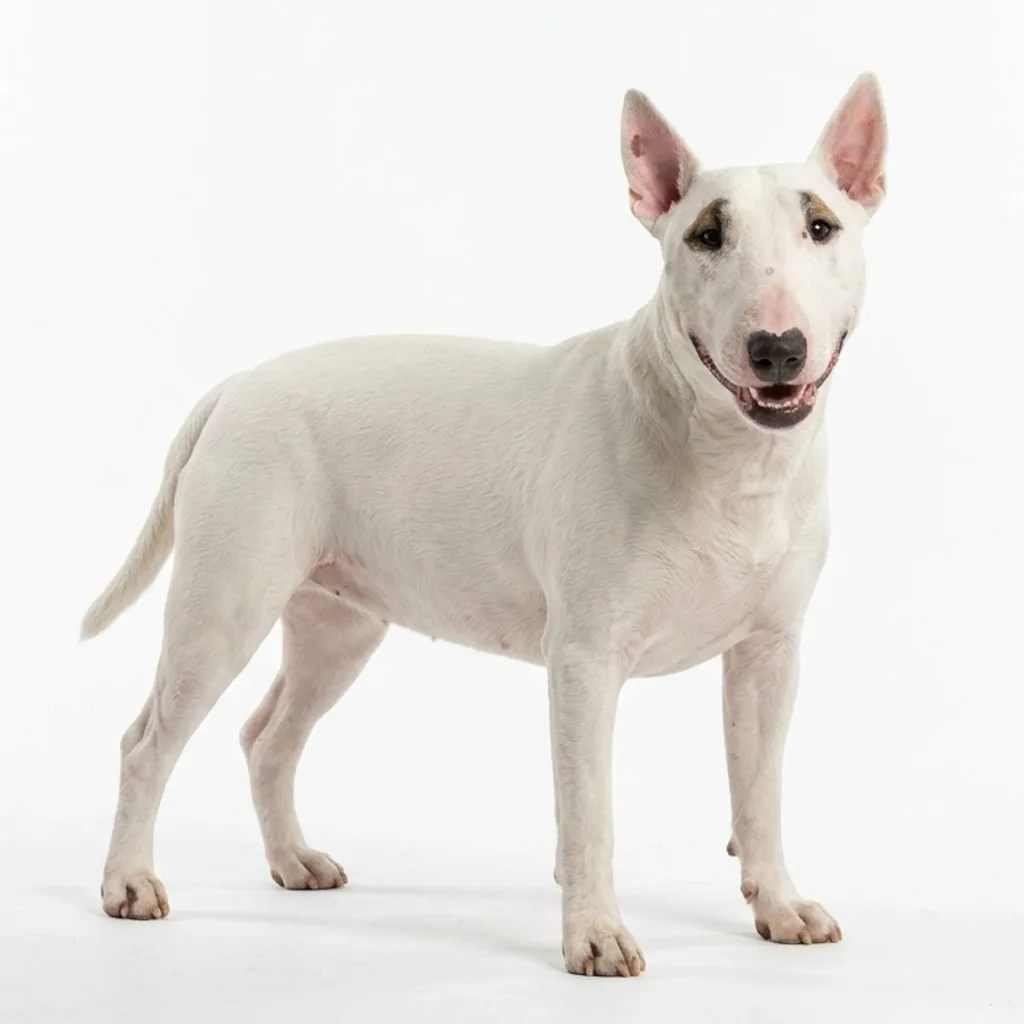
Bull Terrier
The 'Gladiator' of dogs, Bull Terriers are famous for their egg-shaped head and playful, mischievous personality. They are strong, muscular, and deeply loyal companions who love to be the center of attention.
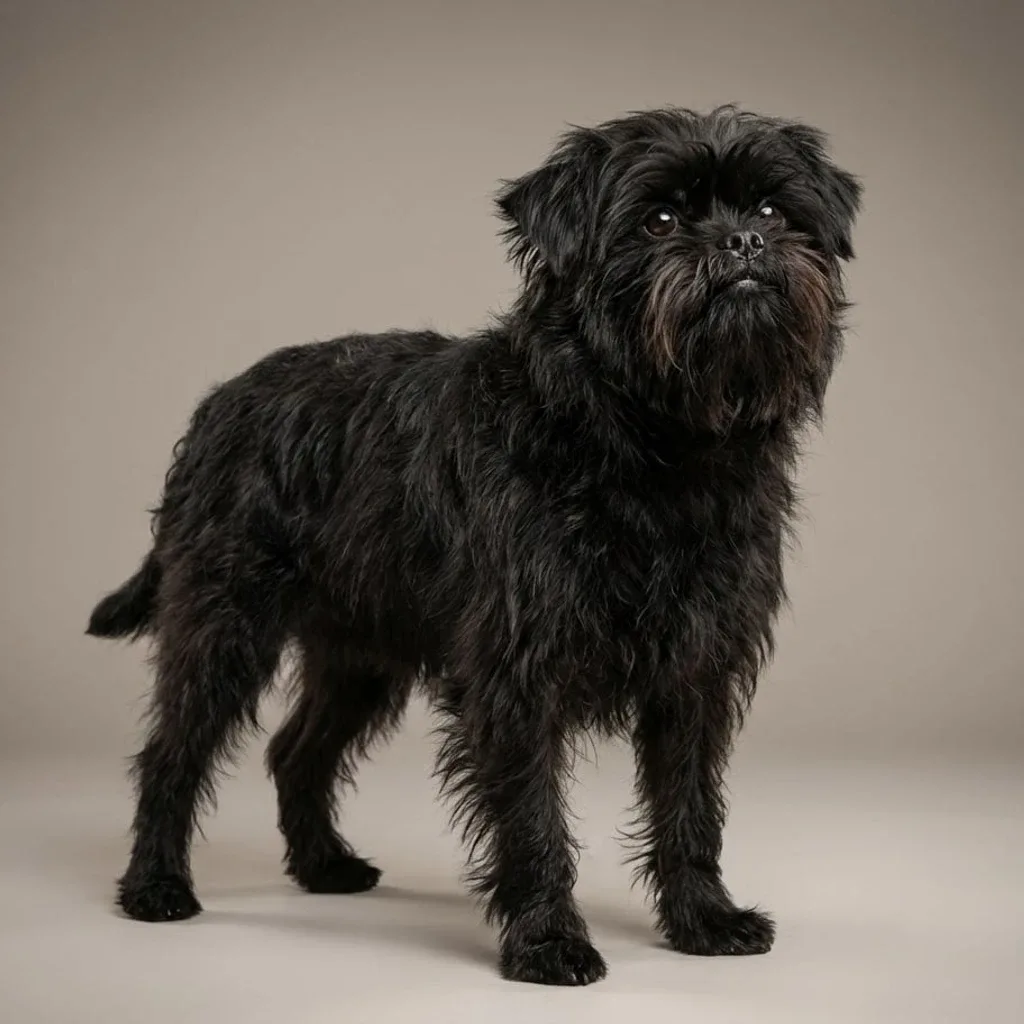
Affenpinscher
The Affenpinscher is a sturdy, monkey-like terrier-type toy breed known for its confidence and playful spirit. Despite its small size, it possesses a courageous heart and a loyal personality, making it a wonderful companion for Kiwi apartment dwellers or those with smaller sections.
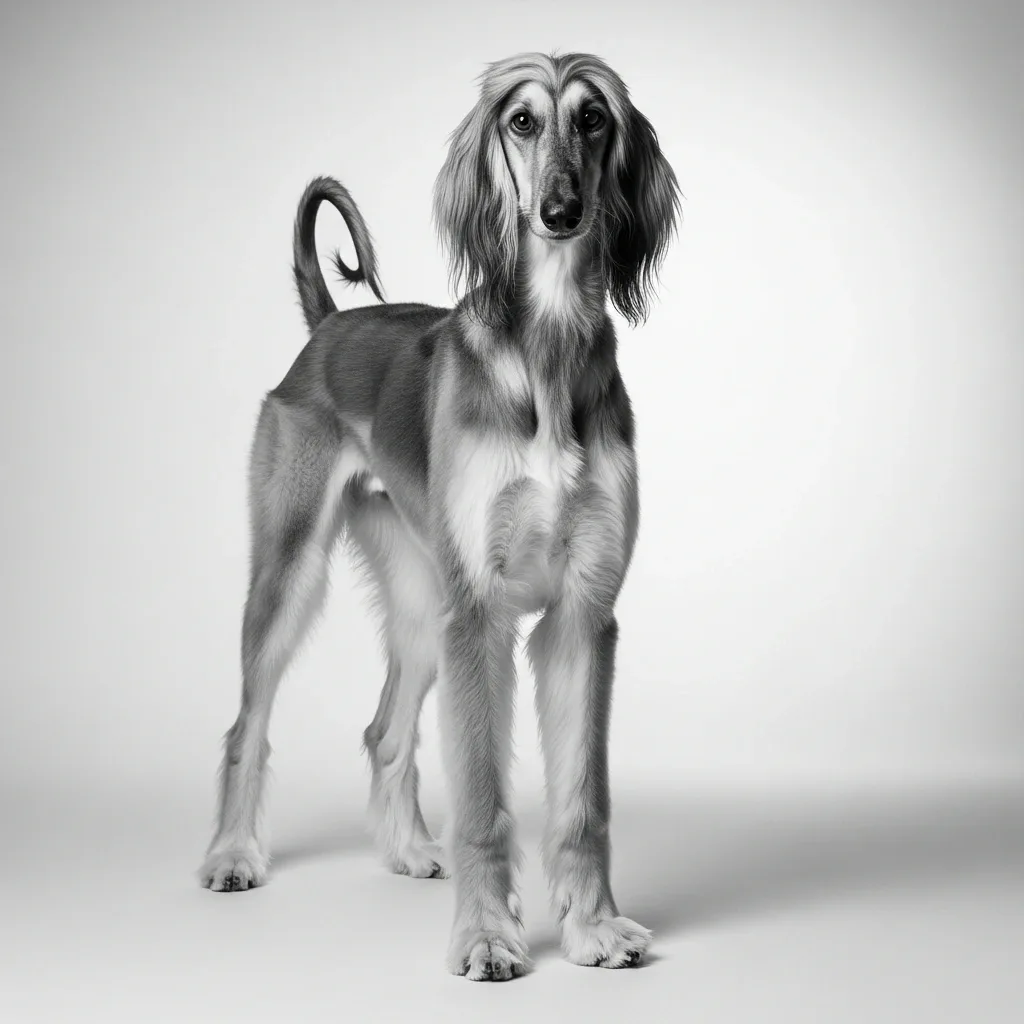
Afghan Hound
The Afghan Hound is an elegant aristocrat with a dignified and aloof personality. Known for its striking, silky coat, this breed is a high-maintenance beauty that requires ample space to run and an owner dedicated to its complex grooming needs.
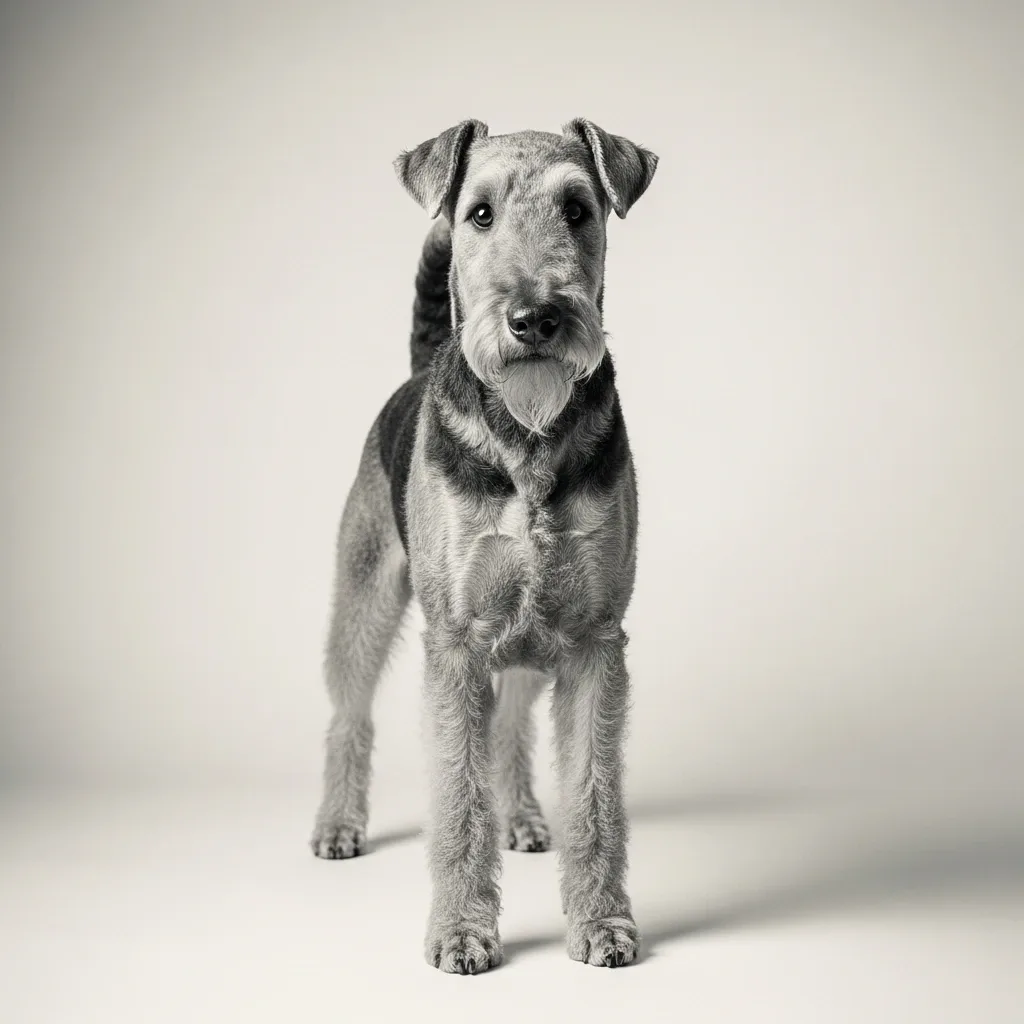
Airedale Terrier
The 'King of Terriers', the Airedale is the largest of all terrier breeds. They are brave, hardworking, and highly intelligent, making them excellent partners for active Kiwi families who love tramping and outdoor adventures.