Dog Breed Guide NZ
Shih Tzu
The Shih Tzu, affectionately known as the 'Lion Dog,' is a charming and spirited companion, renowned for its luxurious, flowing coat and friendly demeanour. Originating from Tibetan and Chinese royalty, these small but sturdy dogs are perfectly suited for life as a cherished lap dog. Their outgoing and playful nature makes them wonderful family pets, thriving on companionship and cuddles. In New Zealand, their adaptability and relatively low exercise needs make them an excellent choice for apartment living in bustling cities like Auckland or Wellington, as well as for homes with smaller sections. They truly embody the spirit of a devoted and delightful Kiwi companion.
Photo Gallery
Breed Snapshot
- Size
- 4-7 kg
- Lifespan
- 10-18 years
- Origin
- Being enriched
- Temperament
- Affectionate, playful, outgoing, loyal
- NZ Price
- $1,500 - $3,500 NZD from registered breeders; $150-$350 NZD adoption via SPCA
- Annual Vet Cost
- Estimated annual vet costs for a Shih Tzu in NZ typically range from $400 - $800 NZD, covering routine check-ups, vaccinations, and flea/worm treatments. However, due to breed-specific health issues, this can increase. Costs for managing brachycephalic obstructive airway syndrome (BOAS) could be significant, potentially $2,000 - $5,000+ NZD if surgery is required. Eye conditions like proptosis or cataracts might incur $500 - $2,000+ NZD per eye. Dental disease is common, with cleanings and extractions costing $400 - $1,000+ NZD. Luxating patella treatment could range from $1,500 - $4,000+ NZD per knee.
Personality Scores
NZ Lifestyle Fit
The Shih Tzu is exceptionally well-suited for apartment living in New Zealand's cities like Auckland, Wellington, or Christchurch, thanks to their compact size and low exercise requirements. For homes with a section, a securely fenced yard is perfect for safe outdoor exploration. They are not ideal for rural NZ farm life, as their small size and delicate nature make them vulnerable to farm hazards and predators. New Zealand's climate requires specific considerations: Auckland's humid summers can pose a risk of overheating for this brachycephalic breed, necessitating cool indoor environments and avoiding midday walks. In the South Island's colder winters, a warm coat or jumper is essential for outdoor excursions. New Zealand's high UV index means their eyes and exposed skin need protection. There are no MPI restrictions on owning Shih Tzus in New Zealand, making them a straightforward choice for Kiwi pet owners.
Origins & History
The Shih Tzu's history is as rich and intricate as its silken coat, tracing back to the ancient palaces of Tibet and China. Often referred to as the 'Lion Dog' due to their resemblance to traditional Chinese guardian lions, these captivating canines were bred specifically to be companions to royalty. Their lineage is believed to stem from crossing the Pekingese with the Lhasa Apso, resulting in a dog celebrated for its beauty and affectionate nature. For centuries, they were treasured inside palace walls, often gifted as symbols of status and friendship. It wasn't until the early 20th century that the Shih Tzu made its way to the Western world, captivating enthusiasts with its unique charm and regal bearing. Today, the Shih Tzu continues its legacy as a beloved companion, bringing joy and a touch of ancient elegance to homes worldwide, including many here in Aotearoa.
Appearance
The Shih Tzu is a small, sturdy toy breed, typically weighing between 4 and 7 kilograms, with a height ranging from 20 to 28 centimetres at the shoulder. Their most defining feature is undoubtedly their long, flowing double coat, which comes in a multitude of colours and patterns. This luxurious mane often requires extensive grooming to maintain its pristine condition. Beneath the abundant hair, they possess a compact body, a short muzzle, and large, dark, expressive eyes that contribute to their endearing 'pushed-in' or brachycephalic facial structure. Their tail curls gracefully over their back, often adorned with a plume of hair, completing their distinctive and charming appearance. Despite their delicate look, Shih Tzus are surprisingly robust and carry themselves with an air of confidence.
Temperament & Personality
True to their royal heritage, Shih Tzus possess a confident and outgoing personality, yet they are deeply affectionate and loyal to their human families. They are renowned for their playful spirit, often engaging in comical antics that bring smiles to those around them. While they thrive on companionship and love being the centre of attention, they are generally good-natured with children and other pets, provided they are socialised from a young age. Their intelligence is coupled with a charming stubborn streak, which can make training an interesting, albeit rewarding, endeavour. A Shih Tzu's primary goal in life is to be a cherished lap dog, offering endless cuddles and unwavering devotion. They are alert and make surprisingly good little watchdogs, always ready to announce visitors with a cheerful bark, but their friendly nature means they're more likely to greet than guard.
Life in New Zealand
The Shih Tzu's adaptable nature makes them well-suited to various living situations across New Zealand. Their small size and moderate exercise needs mean they are ideal for apartment living in bustling cities like Auckland, Wellington, or Christchurch. For those with a house and a small section, a securely fenced garden provides a safe space for outdoor pottering and play. However, due to their brachycephalic (short-nosed) structure, care must be taken during Auckland's humid summers to prevent overheating; air conditioning or cool, shaded areas are essential. Similarly, in the colder South Island winters, their small stature and need for warmth mean they'll appreciate a cosy jumper or coat when venturing outdoors. Their long coat also requires protection from New Zealand's high UV index, particularly around the eyes. Overall, the Shih Tzu integrates beautifully into the Kiwi lifestyle, offering devoted companionship whether you're enjoying a quiet evening at home or a stroll around the local park.
Is This the Right Breed for You?
Bringing a Shih Tzu into your home means committing to a delightful, albeit high-maintenance, companion. Their extensive grooming needs are paramount, requiring daily brushing and regular professional attention to prevent matting and maintain coat health. While they don't demand strenuous exercise, daily short walks and indoor play are essential for their physical and mental well-being. They thrive on human companionship and are not suited to being left alone for long periods, preferring to be an integral part of family life. If you're seeking an affectionate, charming, and playful lap dog who will shower you with love and bring endless entertainment, and you're prepared for the grooming commitment, then the Shih Tzu could be the perfect addition to your Kiwi household. Their adaptability to various living environments, from city flats to suburban homes, makes them a versatile and cherished pet for many New Zealanders.
Fun Facts
Fact 1
The name 'Shih Tzu' translates to 'little lion' in Mandarin, reflecting their regal appearance and the ancient Chinese belief that they resembled miniature lions.
Fact 2
Shih Tzus were once so revered in Chinese imperial palaces that for centuries, they were rarely allowed to leave the palace grounds.
Fact 3
Despite their long coat, Shih Tzus are considered to have hair rather than fur, which means they shed less than many other breeds, making them a potentially better fit for allergy sufferers.
Fact 4
Their distinctive 'chrysanthemum face' refers to the way their hair grows outwards from the centre of their face, resembling the petals of the flower.
Fact 5
Shih Tzus were almost wiped out during the Communist Revolution in China, with only 14 dogs (seven males and seven females) surviving to rebuild the breed's population worldwide.
Related Breeds
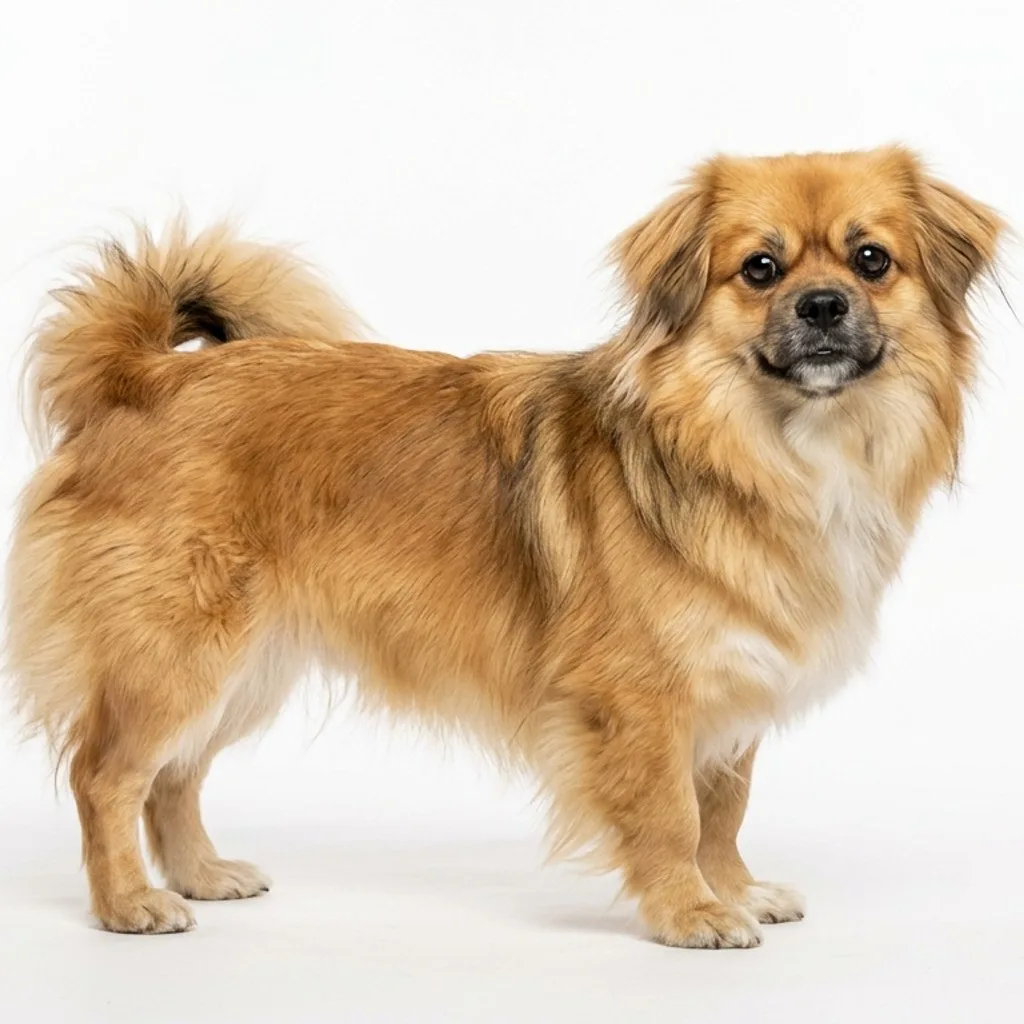
Tibetan Spaniel
Smart, assertive, and aloof, the 'Tibbie' is a charming companion with a lion-like appearance. They were bred as monastery watchdogs and remain vigilant, making them excellent indoor alert dogs for modern Kiwi homes.
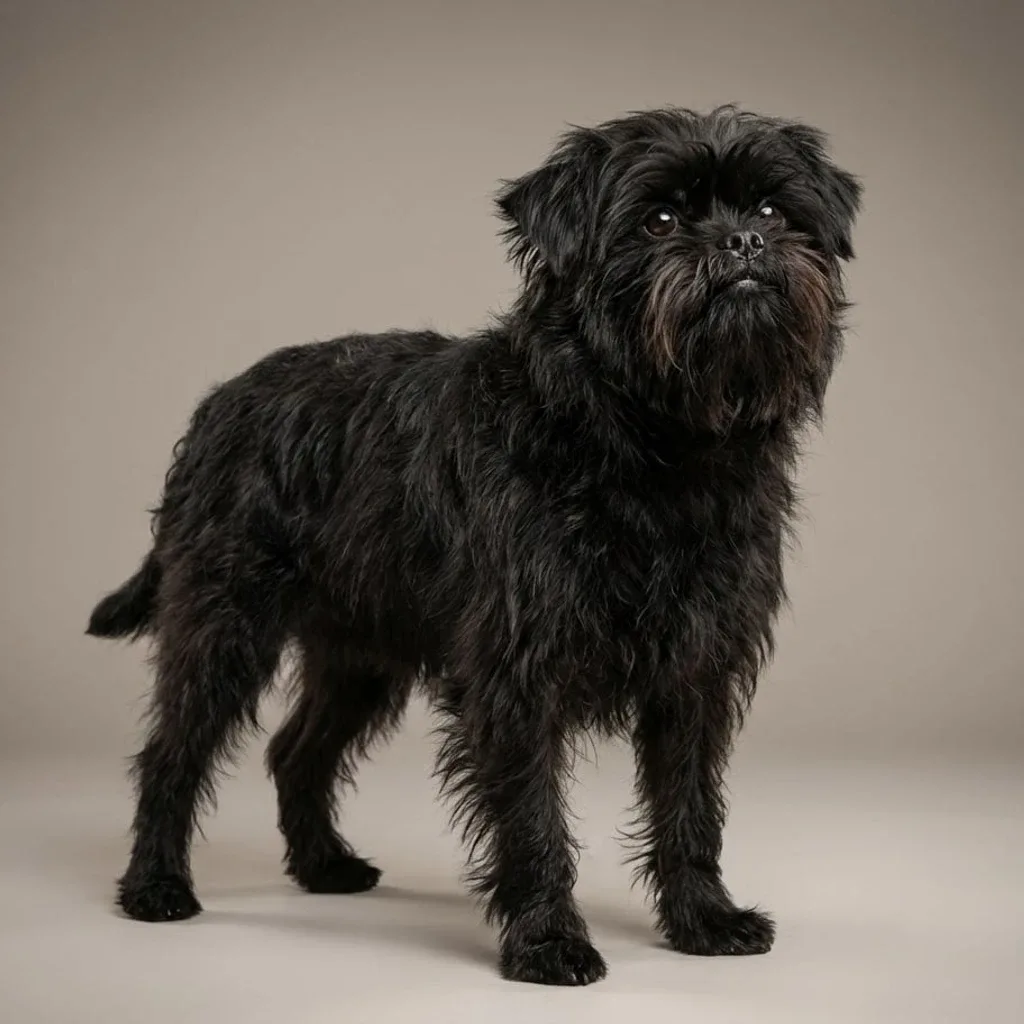
Affenpinscher
The Affenpinscher is a sturdy, monkey-like terrier-type toy breed known for its confidence and playful spirit. Despite its small size, it possesses a courageous heart and a loyal personality, making it a wonderful companion for Kiwi apartment dwellers or those with smaller sections.
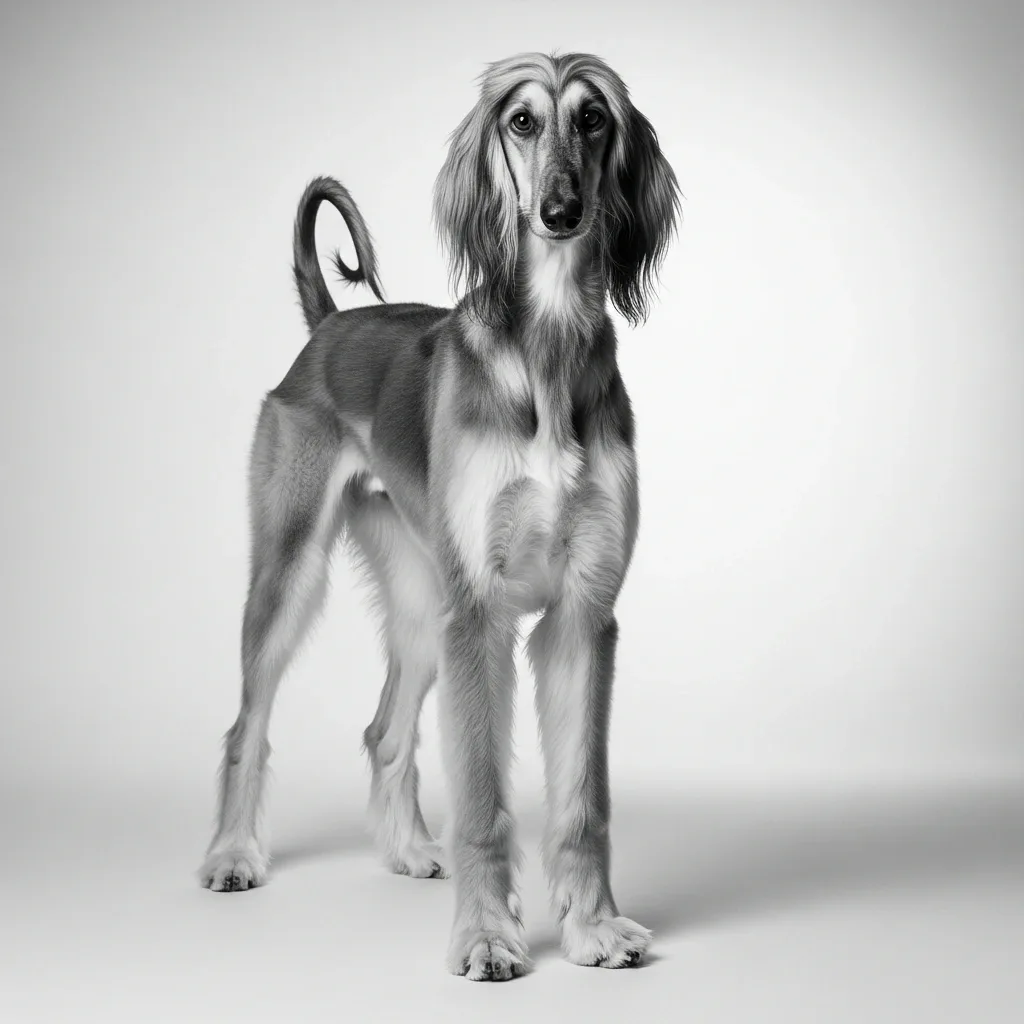
Afghan Hound
The Afghan Hound is an elegant aristocrat with a dignified and aloof personality. Known for its striking, silky coat, this breed is a high-maintenance beauty that requires ample space to run and an owner dedicated to its complex grooming needs.
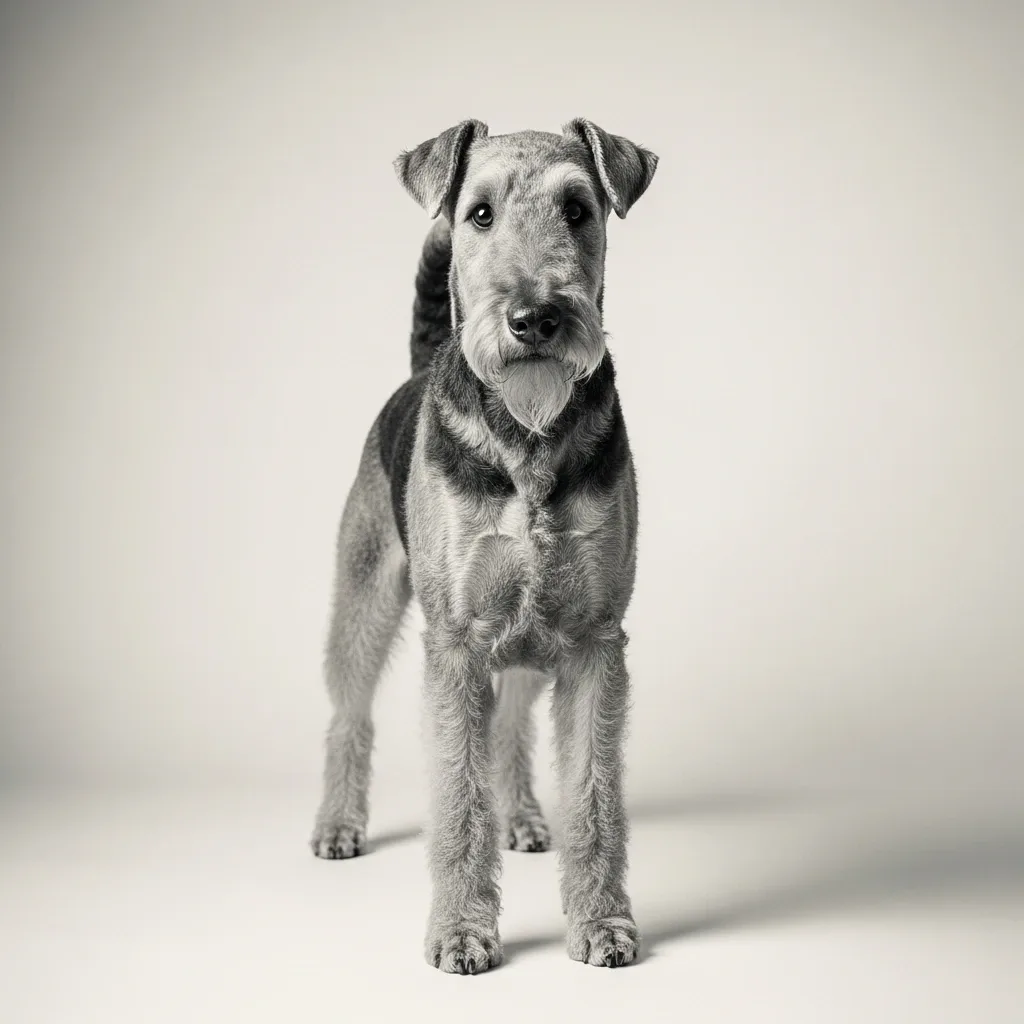
Airedale Terrier
The 'King of Terriers', the Airedale is the largest of all terrier breeds. They are brave, hardworking, and highly intelligent, making them excellent partners for active Kiwi families who love tramping and outdoor adventures.