Dog Breed Guide NZ
Norwegian Elkhound
The Norwegian Elkhound is a truly unique and ancient breed, instantly recognisable by its striking silver-grey double coat and distinctive curled tail. Originating from Norway, these bold, energetic, and hardy hounds were historically bred to hunt large game like elk, showcasing incredible stamina and bravery. In New Zealand, their robust nature and thick coat make them well-suited to cooler climates, particularly in the South Island or higher altitude areas. They thrive with active Kiwi families who can provide ample exercise and mental stimulation, making them loyal and protective companions for an outdoor-loving lifestyle.
Photo Gallery
Breed Snapshot
- Size
- 20-27 kg
- Lifespan
- 12-15 years
- Origin
- Being enriched
- Temperament
- The Norwegian Elkhound is bold, energetic and alert, with a friendly guardian streak. It is usually devoted to family and confident in itself, which can read as strong-willed without consistent, positive training.
- NZ Price
- $1,500 - $3,500 NZD from registered breeders; $150-$350 NZD adoption via SPCA
- Annual Vet Cost
- Estimated annual vet costs for a Norwegian Elkhound in NZ typically range from $600 - $1,200 NZD. This includes routine vaccinations, annual check-ups, flea and worming treatments. Breed-specific health considerations that might incur additional costs include screening for hip and elbow dysplasia, progressive retinal atrophy (PRA), and Fanconi syndrome (a kidney disorder). Regular dental care and potential treatment for skin allergies, which can sometimes affect double-coated breeds, should also be factored in.
Personality Scores
NZ Lifestyle Fit
The Norwegian Elkhound's suitability for different New Zealand living situations varies considerably. They are generally not ideal for apartment living, especially in a bustling city like Auckland. Their high energy levels and tendency to bark mean they need space to roam and express themselves, which a typical flat cannot provide. Auckland's humid summers can also be challenging for their thick double coat, requiring careful management to prevent overheating. A house with a decent-sized, securely fenced section is a much better fit, allowing them outdoor access and room for play. They truly excel in rural NZ farm environments, where they have vast spaces to explore, plenty of mental stimulation, and can fully embrace their working dog heritage. The South Island's colder winters are perfectly suited to their robust, insulated coat. Owners across NZ should be mindful of the high UV index; while their coat offers protection, prolonged sun exposure, especially to noses and ears, should be limited. There are no specific MPI restrictions on owning Norwegian Elkhounds in New Zealand, making them a welcome addition for suitable homes.
Origins & History
The Norwegian Elkhound boasts a rich and ancient lineage, tracing its roots back thousands of years to the Viking era. Archaeological finds suggest that dogs resembling the modern Elkhound were companions to early Scandinavians, assisting them in hunting large game such as elk (moose), bear, and even wolves. Their name, 'Elghund' in Norwegian, literally translates to 'elk dog', a testament to their primary historical role. These dogs were prized for their exceptional tracking abilities, endurance, and courage, often holding game at bay until their human hunting partners arrived. Recognised as Norway's national dog, the breed's standard was first established in the late 19th century, preserving the distinctive traits that have allowed them to thrive for centuries in challenging Nordic environments. Their hardy nature and unwavering loyalty have long made them cherished members of the family, as well as indispensable working dogs.
Appearance
The Norwegian Elkhound is a medium-sized Spitz-type dog, characterised by its powerful, compact body and alert, intelligent expression. Males typically stand between 49-52 cm at the shoulder and weigh 22-25 kg, while females are slightly smaller, ranging from 46-49 cm and 18-22 kg. Their most striking feature is their dense, weather-resistant double coat, which is typically a distinctive silver-grey, with darker points on the muzzle, ears, and tail. The outer coat is coarse and straight, while the undercoat is soft and woolly, providing excellent insulation against cold and damp conditions. They possess prick ears, a broad head, and dark, expressive eyes that convey their keen intelligence. A hallmark of the breed is their tightly curled tail, carried over the back, which adds to their distinctive Nordic appearance.
Temperament & Personality
Norwegian Elkhounds are renowned for their bold, confident, and independent temperament. They are incredibly loyal and affectionate with their families, often forming strong bonds and acting as devoted protectors. Their watchdog instincts are strong, and they will readily alert their owners to anything unusual with a characteristic bark, which can sometimes be persistent. Despite their independent streak, they are intelligent and eager to please, responding well to consistent, positive reinforcement training. Early socialisation is crucial to ensure they are well-adjusted around strangers and other animals. They possess a playful spirit and enjoy being involved in family activities, thriving on companionship. However, their hunting heritage means they have a strong prey drive, so secure fencing and leash control are essential when out and about.
Life in New Zealand
Norwegian Elkhounds can adapt well to life in New Zealand, particularly in areas that offer cooler temperatures and opportunities for outdoor activities. Their thick double coat makes them highly suited to the colder winters of the South Island or elevated regions, but owners in warmer, more humid areas like Auckland will need to ensure they have ample shade, access to cool water, and avoid strenuous exercise during the hottest parts of the day. Their energetic nature means they thrive in homes with a good-sized, securely fenced section where they can run and play. They are excellent companions for active Kiwis who enjoy tramping, exploring beaches (where permitted), or long walks in local reserves. While generally robust, their dense coat requires regular grooming, especially during seasonal sheds, to manage the hair and keep them comfortable in New Zealand's varied climate.
Is This the Right Breed for You?
The Norwegian Elkhound is a fantastic companion for the right owner. They are best suited for active individuals or families who can commit to providing significant daily exercise, consistent training, and plenty of mental stimulation. Their independent nature means they are not ideal for first-time dog owners who may struggle with their strong will. They thrive in homes where they are an integral part of family life and are not left alone for extended periods, as boredom can lead to destructive behaviours or excessive barking. If you're looking for a loyal, brave, and energetic dog to join you on adventures across New Zealand's stunning landscapes, and you're prepared for their grooming needs and vocal tendencies, a Norwegian Elkhound could be your perfect match. However, if you prefer a quiet, low-maintenance dog for apartment living, this might not be the ideal breed.
Fun Facts
Fact 1
The Norwegian Elkhound is Norway's national dog, celebrated for its ancient heritage and role in the country's history.
Fact 2
They are one of the oldest dog breeds, with archaeological evidence suggesting their presence alongside Vikings over 5,000 years ago.
Fact 3
The breed's name 'Elghund' literally translates to 'elk dog' in Norwegian, highlighting their original purpose of hunting large game like elk and bear.
Fact 4
Norwegian Elkhounds have a distinctive tightly curled tail that sits high over their back, a common trait among Spitz-type breeds.
Fact 5
Despite their independent nature, they are highly intelligent and known for their bravery, making them excellent watchdogs and loyal family protectors.
Related Breeds
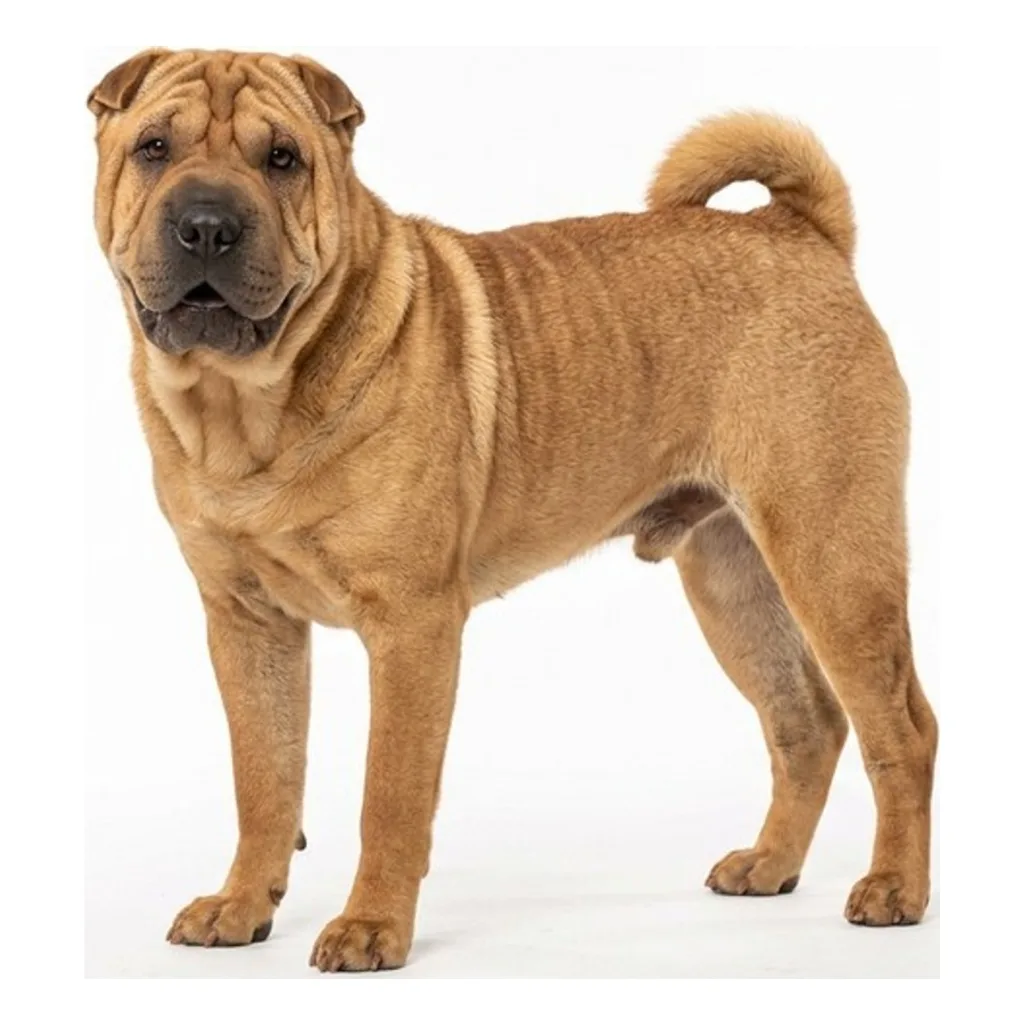
Chinese Shar-Pei
Known for its unique wrinkles and blue-black tongue, the Shar-Pei is a dignified, independent, and deeply loyal guardian. They are calm dogs but can be suspicious of strangers, making them excellent watchdogs for NZ homes.
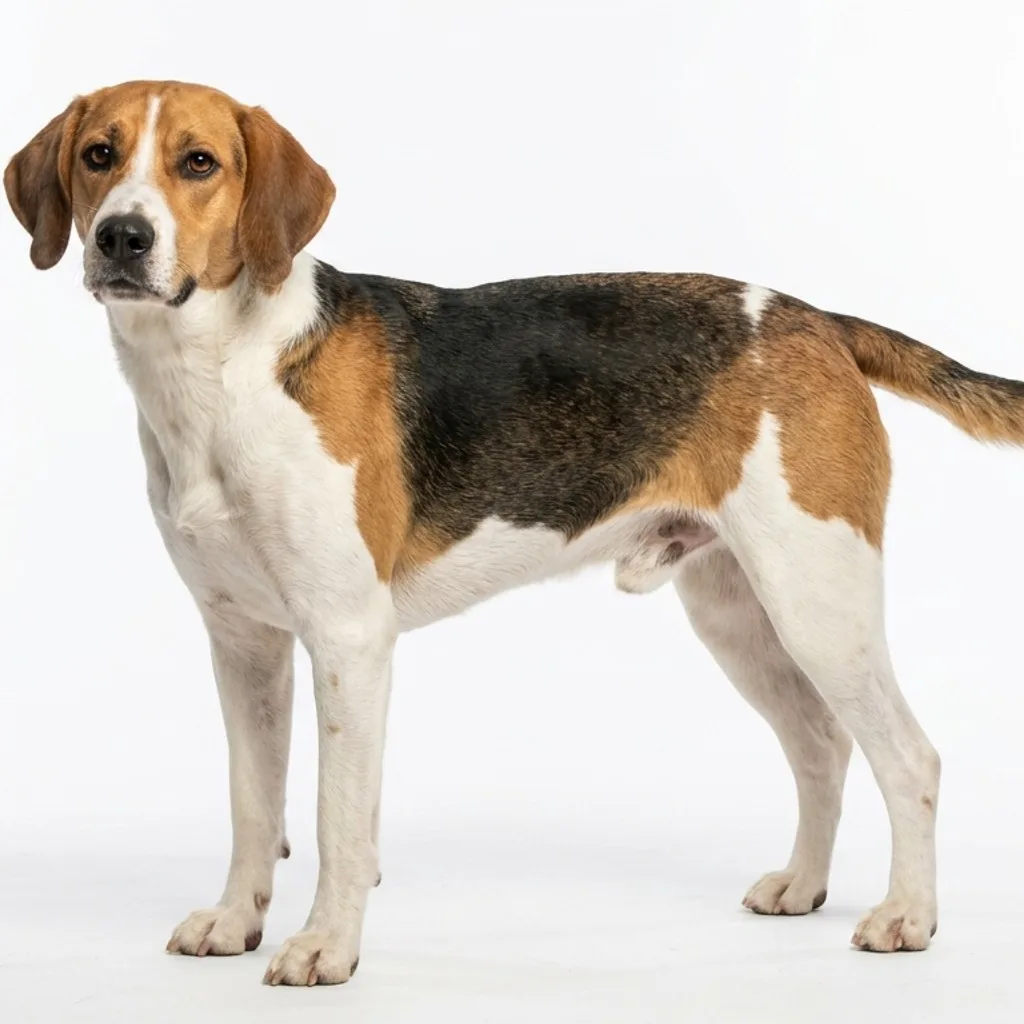
Harrier
An athletic, social, and energetic scent hound. Harriers are larger than Beagles but smaller than Foxhounds. They possess a keen nose and a loud, musical bark, making them excellent partners for active owners.
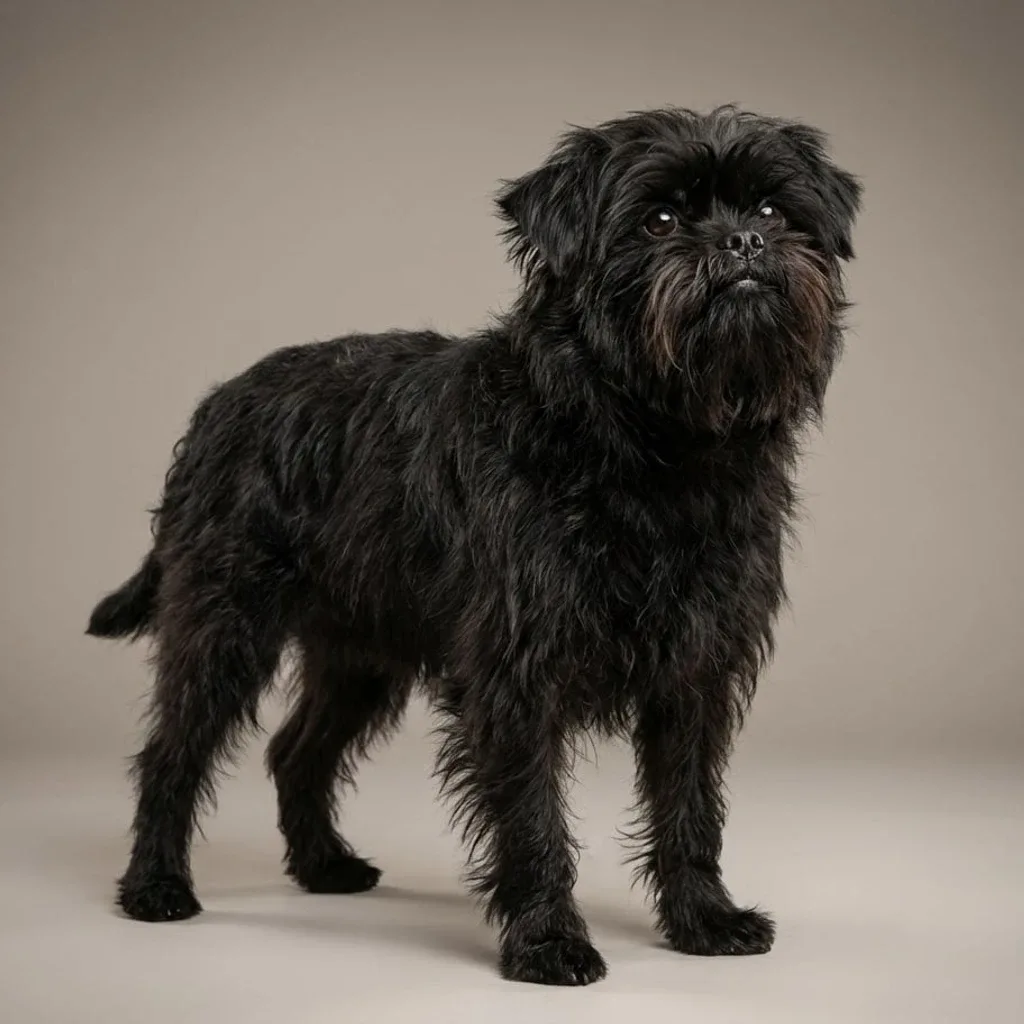
Affenpinscher
The Affenpinscher is a sturdy, monkey-like terrier-type toy breed known for its confidence and playful spirit. Despite its small size, it possesses a courageous heart and a loyal personality, making it a wonderful companion for Kiwi apartment dwellers or those with smaller sections.
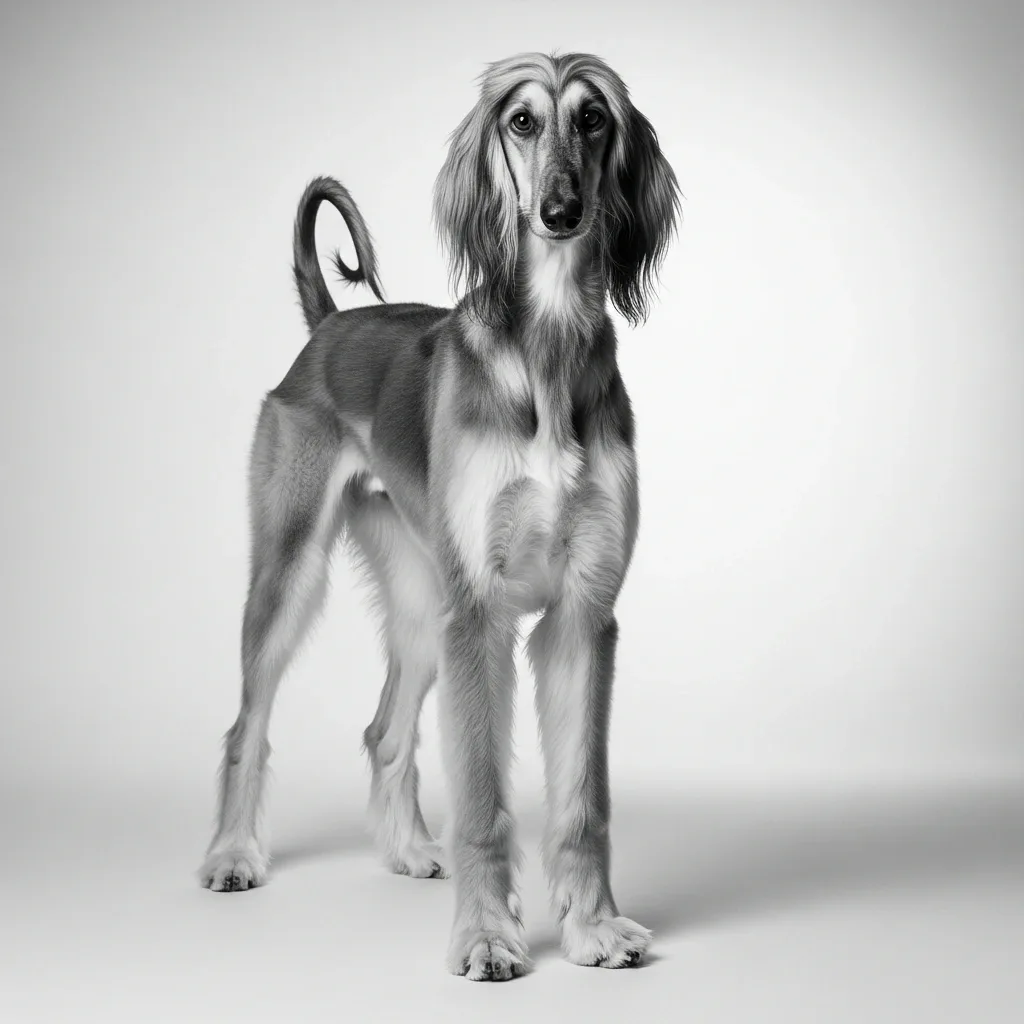
Afghan Hound
The Afghan Hound is an elegant aristocrat with a dignified and aloof personality. Known for its striking, silky coat, this breed is a high-maintenance beauty that requires ample space to run and an owner dedicated to its complex grooming needs.