Dog Breed Guide NZ
Miniature Pinscher
The Miniature Pinscher, affectionately known as the 'King of Toys,' is a small dog with a colossal personality. Originating from Germany, this fearless and energetic companion is always on the move, exuding confidence and assertiveness. Despite their diminutive size, Min Pins make excellent watchdogs, alerting their families to any perceived intruders with their characteristic bark. Highly intelligent and courageous, they thrive on activity and mental stimulation. In New Zealand, their compact size makes them well-suited for urban living, including flats and smaller homes, provided they receive ample daily exercise. They are a vibrant addition to an active Kiwi household.
Photo Gallery
Breed Snapshot
- Size
- 3.5-4.5 kg
- Lifespan
- 12-16 years
- Origin
- Being enriched
- Temperament
- Energetic, alert, confident, intelligent, courageous, fearless
- NZ Price
- $800 - $2,500 NZD from registered breeders; $150-$350 NZD adoption via SPCA
- Annual Vet Cost
- Estimated annual vet costs for a Miniature Pinscher in New Zealand typically range from $400 - $800 NZD. This covers routine check-ups, vaccinations, flea and worm treatments, and general preventative care. However, owners should budget an additional $500 - $1,500+ NZD annually for potential breed-specific health issues. Min Pins are prone to conditions such as patellar luxation (knee cap dislocation), Legg-Calve-Perthes disease (hip joint degeneration), and various eye conditions like Progressive Retinal Atrophy. Dental issues are also common in small breeds, requiring potential professional cleanings. Early detection and treatment of these conditions can significantly impact overall costs.
Personality Scores
NZ Lifestyle Fit
The Miniature Pinscher's adaptability makes them suitable for various New Zealand lifestyles, with a few considerations. For apartment living in cities like Auckland, their small size is a definite advantage, but their high energy means daily walks and playtime are non-negotiable. They make excellent watchdogs, though their vocal nature needs managing in close quarters. For homes with a section, a secure, high fence is crucial as Min Pins are known escape artists and explorers. They are not ideal for rural NZ farm life due to their strong prey drive and lack of suitability for working roles. New Zealand's climate requires attention: their short coat offers little protection against the cold, so a warm coat is essential for South Island winters and even cooler Auckland days. During humid Auckland summers and periods of high UV across the country, ensure they have ample shade and fresh water. There are no specific MPI restrictions on the Miniature Pinscher breed in New Zealand.
Origins & History
The Miniature Pinscher's history dates back several centuries in Germany, where they were originally bred as efficient ratters in homes and stables. Despite their striking resemblance to a smaller Doberman Pinscher, the Min Pin is a distinct and much older breed, not a miniature version of the Doberman. Both breeds likely share common ancestry in the German Pinscher, but the Min Pin developed independently. Their lineage includes the German Pinscher, Italian Greyhound, and Dachshund, contributing to their unique build and spirited temperament. They were first formally recognised in Germany in 1895, and their popularity quickly spread, earning them the moniker 'King of Toys' due to their regal bearing and confident demeanour.
Appearance
The Miniature Pinscher is a small, sturdy, and compact dog, typically weighing between 3.5 to 4.5 kg. They possess a sleek, short, and hard coat that lies close to the body, usually seen in solid red, stag red (red with black hairs), black with rust markings, or chocolate with tan markings. Their most distinctive features include their high-stepping 'hackney gait,' reminiscent of a trotting horse, and their alert, dark, oval eyes. Their ears are often naturally erect or can be cropped in countries where it's permitted (though this is increasingly rare and not common practice in New Zealand). Their tail is typically docked in some regions, but natural tails are also common and preferred by many owners in NZ. They carry themselves with an air of self-importance and elegance, truly embodying their 'King of Toys' title.
Temperament & Personality
True to their 'King of Toys' reputation, Miniature Pinschers are brimming with confidence and a fearless spirit. They are incredibly energetic, alert, and assertive, always ready for action. Their intelligence makes them quick learners, but their independent and sometimes stubborn nature requires consistent and patient training. Min Pins are fiercely loyal to their families, often forming strong bonds, but can be wary of strangers, making them excellent, albeit sometimes vocal, watchdogs. They thrive on being the centre of attention and can become mischievous if bored or left alone for extended periods. Early socialisation is crucial to ensure they grow into well-adjusted companions, especially around children and other pets. They possess a high prey drive, a remnant of their ratting ancestry, so caution is needed around smaller animals.
Life in New Zealand
The Miniature Pinscher's compact size and robust personality make them surprisingly adaptable to various New Zealand living situations. They can thrive in urban flats or houses with small sections, provided their exercise needs are met. Their short coat means they are not well-suited to extreme cold, so a warm dog coat is a must for South Island winters or chilly Auckland mornings. During New Zealand's high UV summers, especially in places like Auckland, ensuring access to shade and fresh water is paramount. Their alert nature makes them good watchdogs for suburban homes, but their vocal tendencies require responsible management, especially in close-knit neighbourhoods. While they enjoy exploring, their high prey drive and independent streak mean they should always be securely leashed or contained in a fully fenced section when outdoors. They are not suited for rural farm life due to their small size and lack of herding instinct.
Is This the Right Breed for You?
A Miniature Pinscher is an ideal companion for active individuals or families who appreciate a dog with a big personality in a small package. If you're looking for a fearless, energetic, and intelligent dog that will keep you entertained and alert you to every rustle, a Min Pin might be your perfect match. They require an owner who is committed to consistent training, early socialisation, and can provide plenty of mental and physical stimulation. They thrive on interaction and being part of family activities. However, if you prefer a quiet, low-energy dog, or one that is immediately friendly with everyone, the assertive Min Pin might not be the best fit. Their watchdog tendencies can lead to excessive barking if not managed, and their independent nature means they aren't always eager to please. For the right Kiwi owner, however, the Min Pin offers boundless joy, loyalty, and a vibrant presence.
Fun Facts
Fact 1
The Miniature Pinscher is often called the 'King of Toys' due to its regal appearance and confident personality.
Fact 2
Despite their resemblance, Min Pins are not miniature Doberman Pinschers; they are a much older, distinct German breed.
Fact 3
They possess a unique high-stepping 'hackney gait,' similar to a trotting horse, which is a hallmark of the breed.
Fact 4
Originally bred in Germany centuries ago to hunt rats and other vermin in homes and stables.
Fact 5
Miniature Pinschers are known for their fearless nature and can be surprisingly vocal, making them excellent, albeit sometimes loud, watchdogs.
Related Breeds
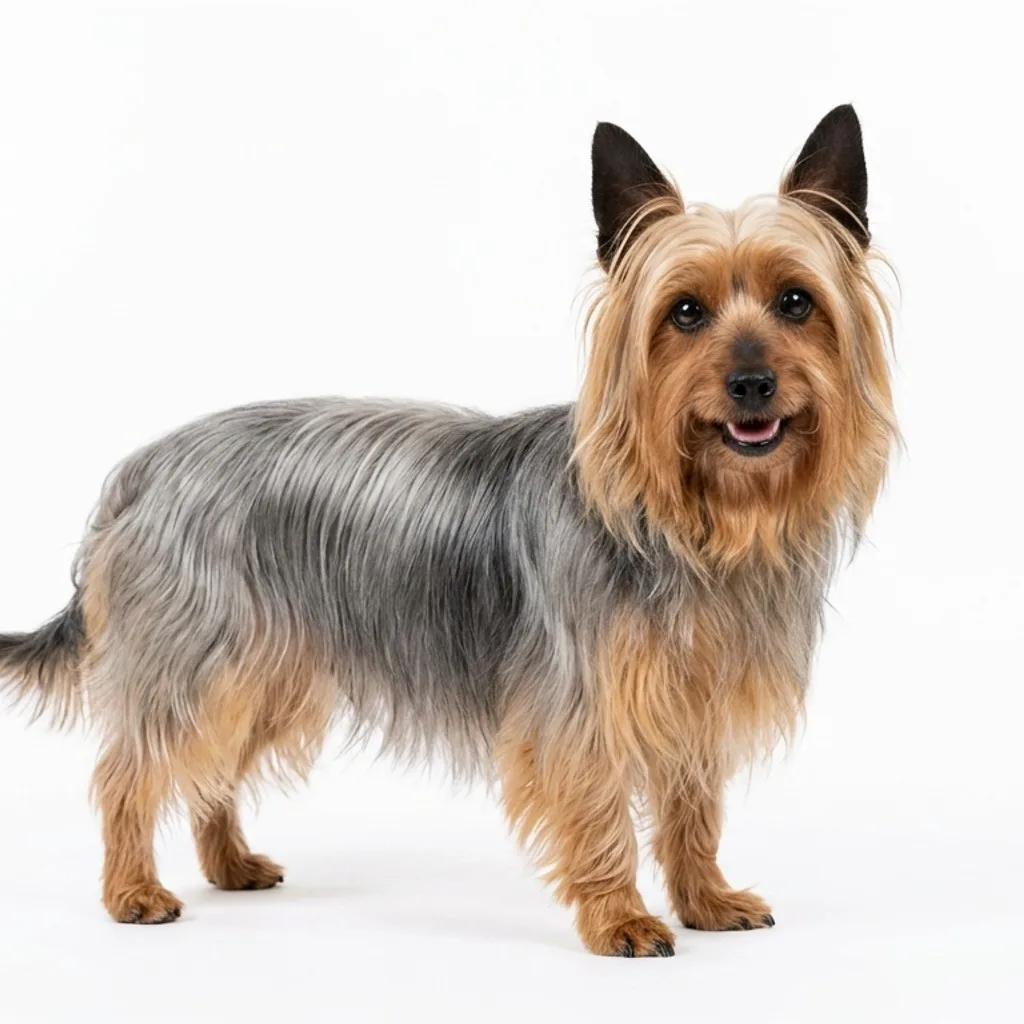
Silky Terrier
A refined toy breed with a true terrier personality. Silky Terriers are courageous, alert, and affectionate. They make excellent companions for city living and are always ready for an adventure.
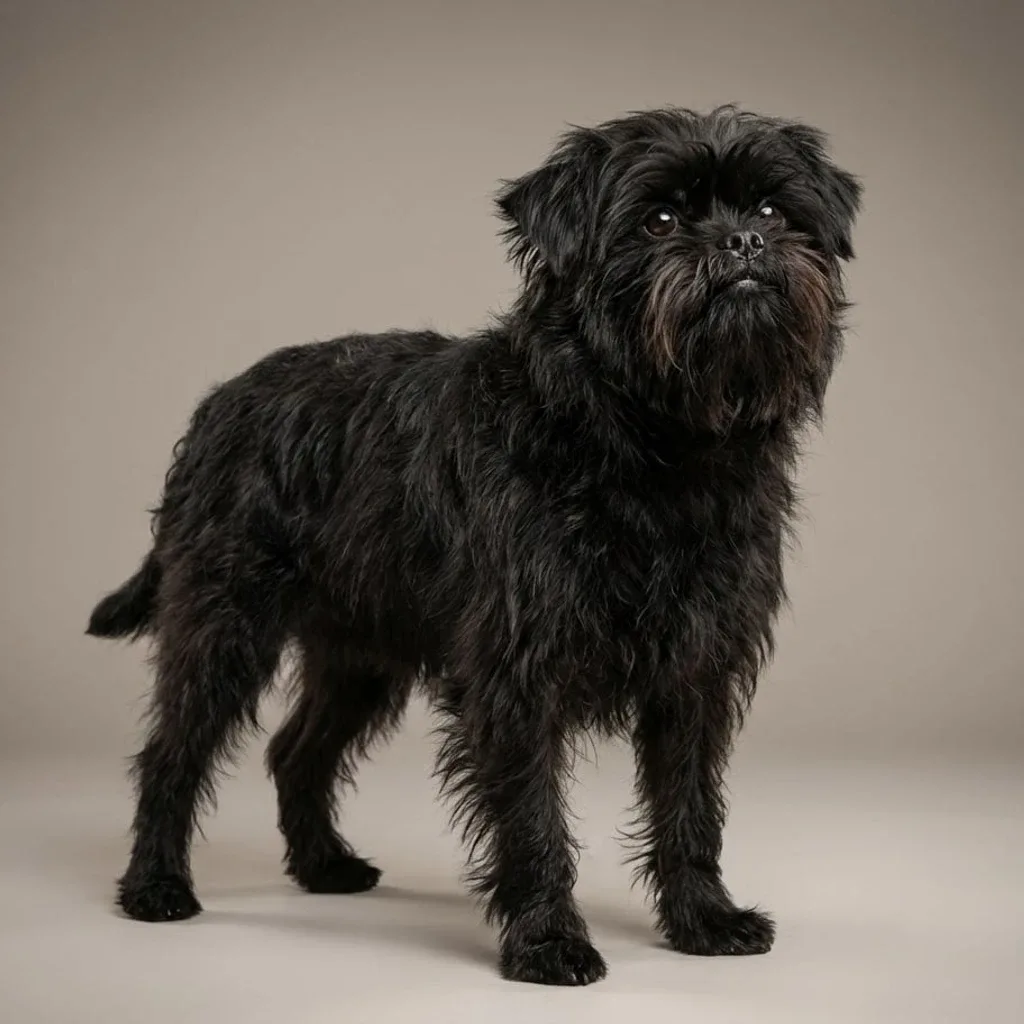
Affenpinscher
The Affenpinscher is a sturdy, monkey-like terrier-type toy breed known for its confidence and playful spirit. Despite its small size, it possesses a courageous heart and a loyal personality, making it a wonderful companion for Kiwi apartment dwellers or those with smaller sections.
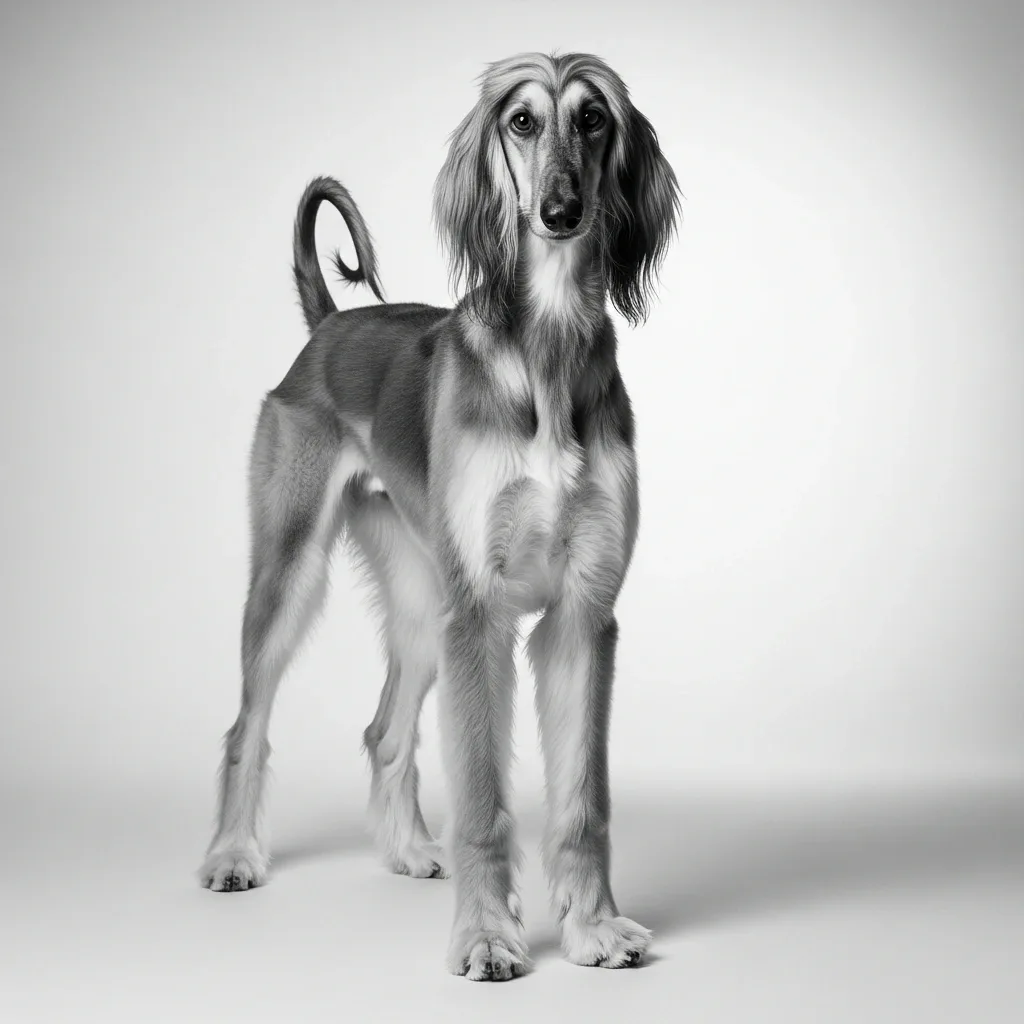
Afghan Hound
The Afghan Hound is an elegant aristocrat with a dignified and aloof personality. Known for its striking, silky coat, this breed is a high-maintenance beauty that requires ample space to run and an owner dedicated to its complex grooming needs.
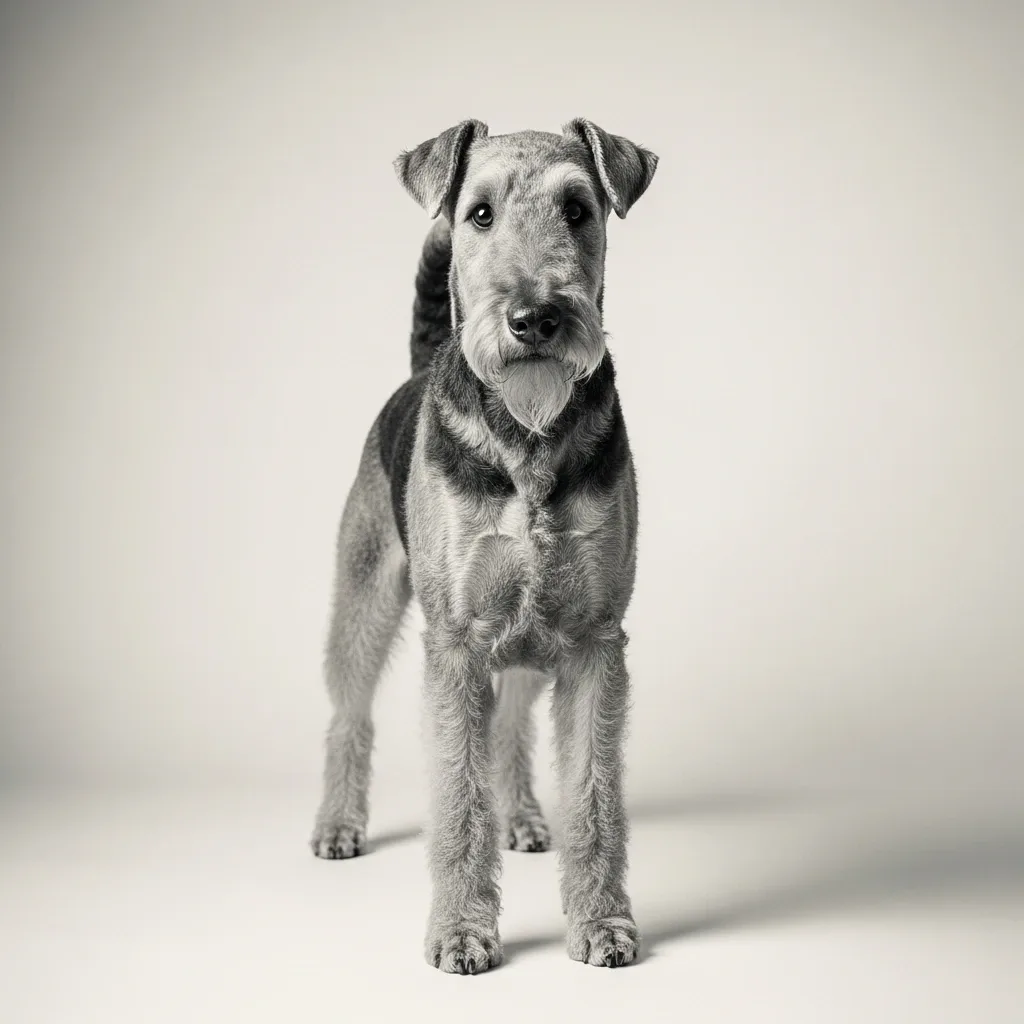
Airedale Terrier
The 'King of Terriers', the Airedale is the largest of all terrier breeds. They are brave, hardworking, and highly intelligent, making them excellent partners for active Kiwi families who love tramping and outdoor adventures.