Dog Breed Guide NZ
Heading Dog
The Heading Dog is a core New Zealand farm dog used to head, gather, and control sheep with eye, speed, and precise movement. It is closely associated with Border Collie ancestry but has been selected in New Zealand for practical station work. As a pet, it needs an experienced owner, mental jobs, and careful management of chasing and herding behaviour.
Photo Gallery
NZ Ownership Snapshot
- Noise Level
- Moderate
Breed Snapshot
- Size
- 18 - 30 kg
- Lifespan
- 12 - 15 years
- Origin
- New Zealand farm dog derived largely from Border Collie-type sheepdogs and selected for eye, speed, and heading work.
- Temperament
- Highly intelligent, responsive, athletic, handler-focused, intense around movement, and work-driven.
- NZ Price
- Varies widely by working ability, age, and training. Farm-bred pups and trained dogs are priced differently; verify current NZ farm-dog, breeder, trial, or rescue listings before quoting exact cost.
- Annual Vet Cost
- Estimated annual veterinary costs for a Heading Dog in New Zealand range from $700 to $1,500 NZD for routine preventive care, including annual health assessments, core DHPPi and Leptospirosis vaccinations, working-dog broad-spectrum parasite control (including the recommended monthly praziquantel dosing for sheep measles / Taenia ovis on stock properties), and council registration. Note that under s36A(2A) of the Dog Control Act 1996 the microchipping requirement does not apply to a dog kept solely or principally for herding or driving stock that is registered as a working dog under s46(1) and wears the prescribed collar, label or disc. However, active working and sporting dogs face elevated risks of occupational trauma: laceration repairs, footpad injuries, cruciate ligament repairs ($3,000–$5,500 NZD), and carpal/tarsal sprains. Managing hereditary conditions like hip dysplasia or Collie Eye Anomaly can add $1,500–$4,000+ NZD. Working dog insurance or an allocated farm medical reserve is strongly advised.
Personality Scores
NZ Lifestyle Fit
The New Zealand Heading Dog is an iconic, indigenous pastoral working breed developed in New Zealand from imported Border Collie lineage specifically to muster, head, and control sheep across vast, mountainous high-country stations without barking (using intense eye contact, speed, and whistle cues). Because of their extreme intelligence, tireless stamina, and instinctive working drive, their suitability as a casual suburban family pet in New Zealand is exceptionally low. In a typical urban or suburban section without a dedicated, daily job, a Heading Dog will almost invariably develop severe neuroses, compulsive herding behaviours (nipping heels of running children, chasing cars and bicycles), fence pacing, and destructive digging. They are ideally suited to working sheep, beef, and dairy farms, active lifestyle blocks with livestock, and high-performance canine sports handlers (competitive agility, flyball, obedience, or sheep dog trials). They are extremely hardy and adapt readily to New Zealand's variable climates, from frosty South Island high country to warm North Island pastures. Breeding pedigrees and working trial registrations are governed by the New Zealand Sheep Dog Trial Association (NZSDTA).
Register with your local NZ council, microchip where required, and follow local dog access, leash, menacing/dangerous dog, and wildlife protection rules.
Origins & Recognition
New Zealand farm dog derived largely from Border Collie-type sheepdogs and selected for eye, speed, and heading work. New Zealand working dog type/breed recorded in NZ dog data and farm-dog sources; not treated here as a pedigree show breed.
Appearance
Heading Dogs are usually lean, athletic, long-legged, and smooth or short-coated compared with many show Border Collies. Black-and-white is common, but working ability, soundness, eye, and movement matter more than a single look.
Temperament & Training
Highly intelligent, responsive, athletic, handler-focused, intense around movement, and work-driven. Start early with recall, stop, settle, lead manners, controlled exposure to stock, and calm behaviour around moving triggers. Reward-based clarity matters; chaotic chasing should not become practice.
Life in New Zealand
Highly NZ-relevant but not a casual first dog. Heading Dogs are part of New Zealand farm systems and are common in rural data. In town, owners must replace stock work with structured training, scent work, dog sports, controlled running, and strong rest skills. Secure fencing and chase prevention are essential. Owners should also follow local registration, microchipping, access, and control rules.
Care Commitment
Very high. Needs running, training, impulse control, and brain work every day. Pure physical exercise is not enough; the dog also needs decisions, cues, and rest. Low to moderate. Brush weekly, check paws and nails, inspect for grass seeds, and dry after wet paddock or bush work. Because Heading Dogs are selected for work, condition, gait, stamina, and recovery matter. Discuss eye checks, joint soundness, parasite control, vaccination, and safe conditioning with a vet, especially for farm dogs.
Fun Facts
Fact 1
Heading Dogs usually work by eye, position, and movement rather than the bark-focused Huntaway style.
Fact 2
The type is strongly associated with New Zealand sheep farming.
Fact 3
They are often used in teams with Huntaways.
Fact 4
A good Heading Dog needs both speed and self-control.
Fact 5
They can be brilliant training partners but are rarely low-effort pets.
Related Breeds
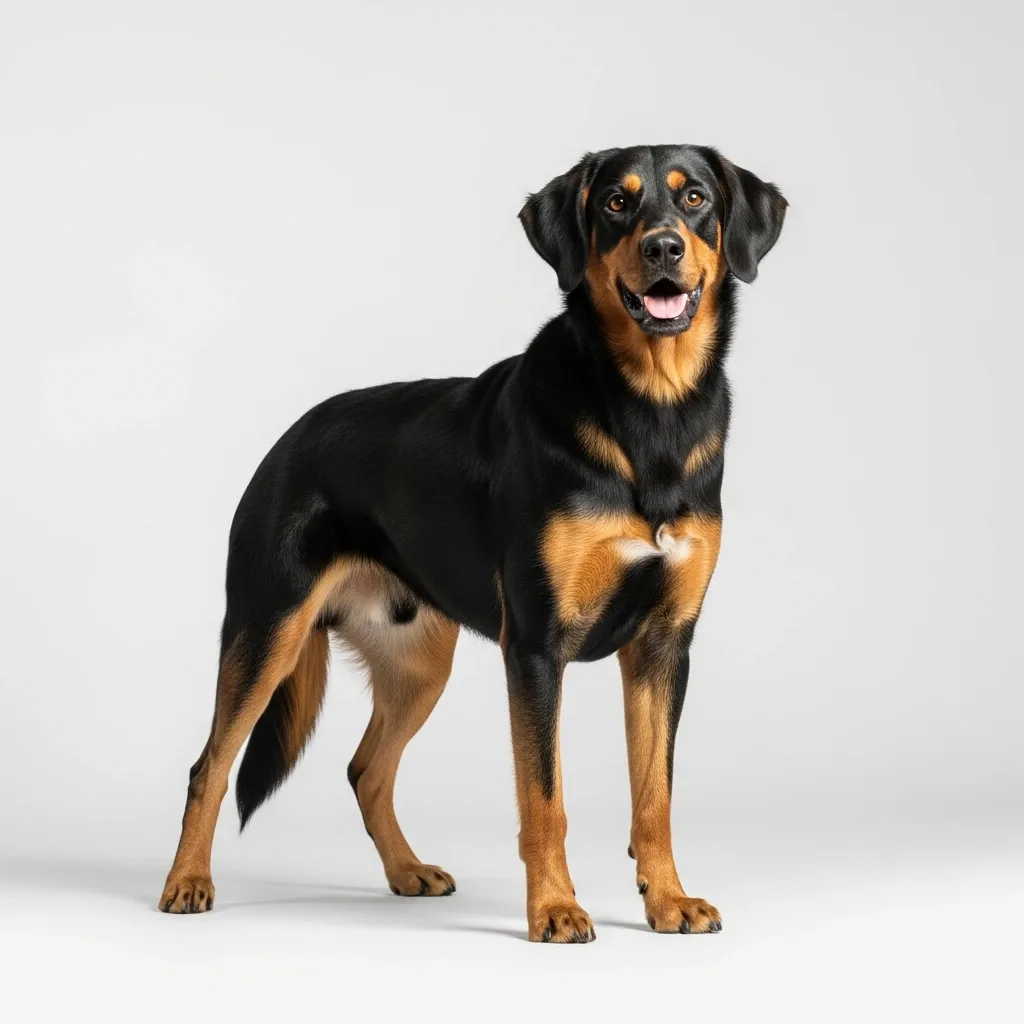
Huntaway
The Huntaway is one of New Zealand's signature working dogs: a powerful, vocal farm dog bred to move sheep across hills, gullies, and large paddocks. It is highly trainable and often affectionate, but it is not a low-maintenance suburban pet. A Huntaway needs space, jobs, recall, bark control, and an owner who understands working-dog energy.
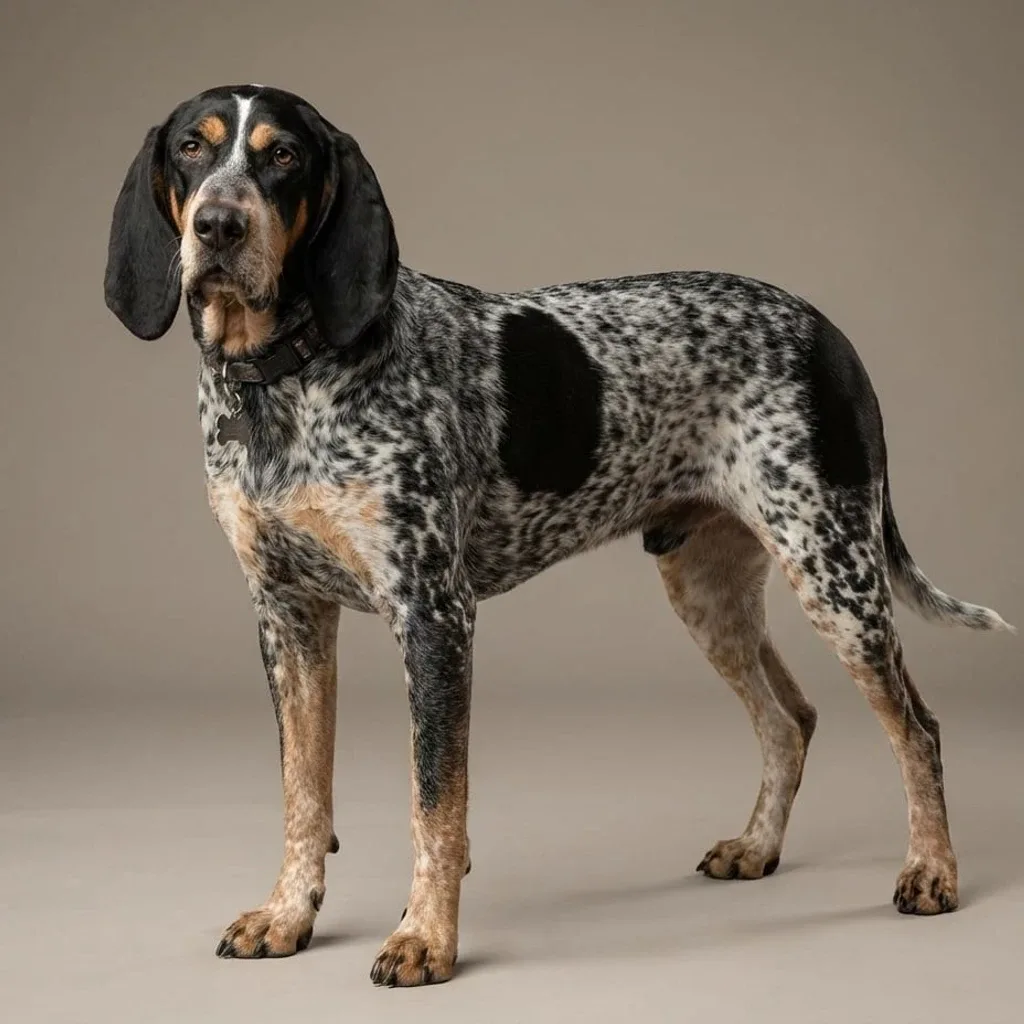
Bluetick Coonhound
An athletic and muscular scenthound with a striking blue-ticked coat. Blueticks are friendly, smart, and devoted to their work. They possess a renowned 'cold nose' trailing ability and a distinctive baying voice.
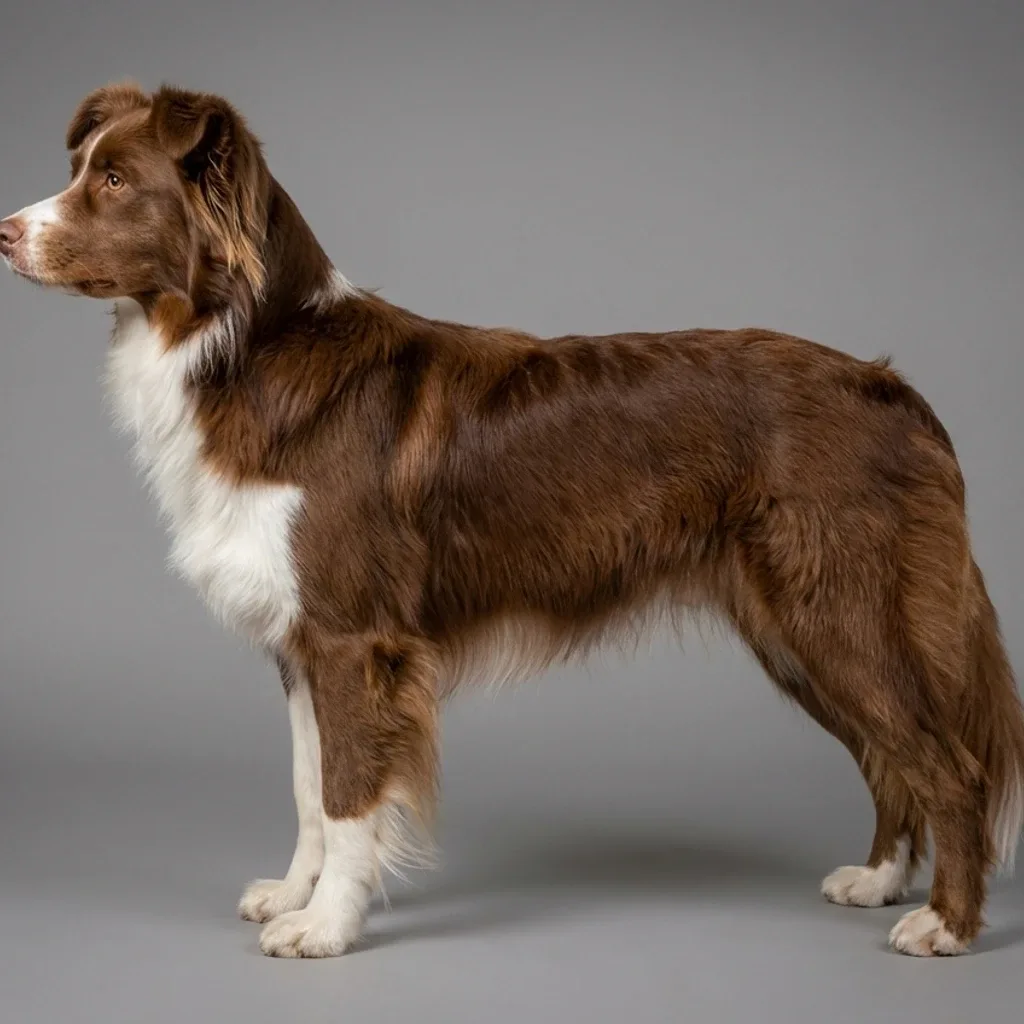
Australian Shepherd
Despite the name, the 'Aussie' was developed in the US and is a versatile, high-energy herder. They are exceptionally smart, loyal, and possess a striking multicolored coat. They are 'velcro' dogs that need to be close to their humans and are best suited for active Kiwi families.
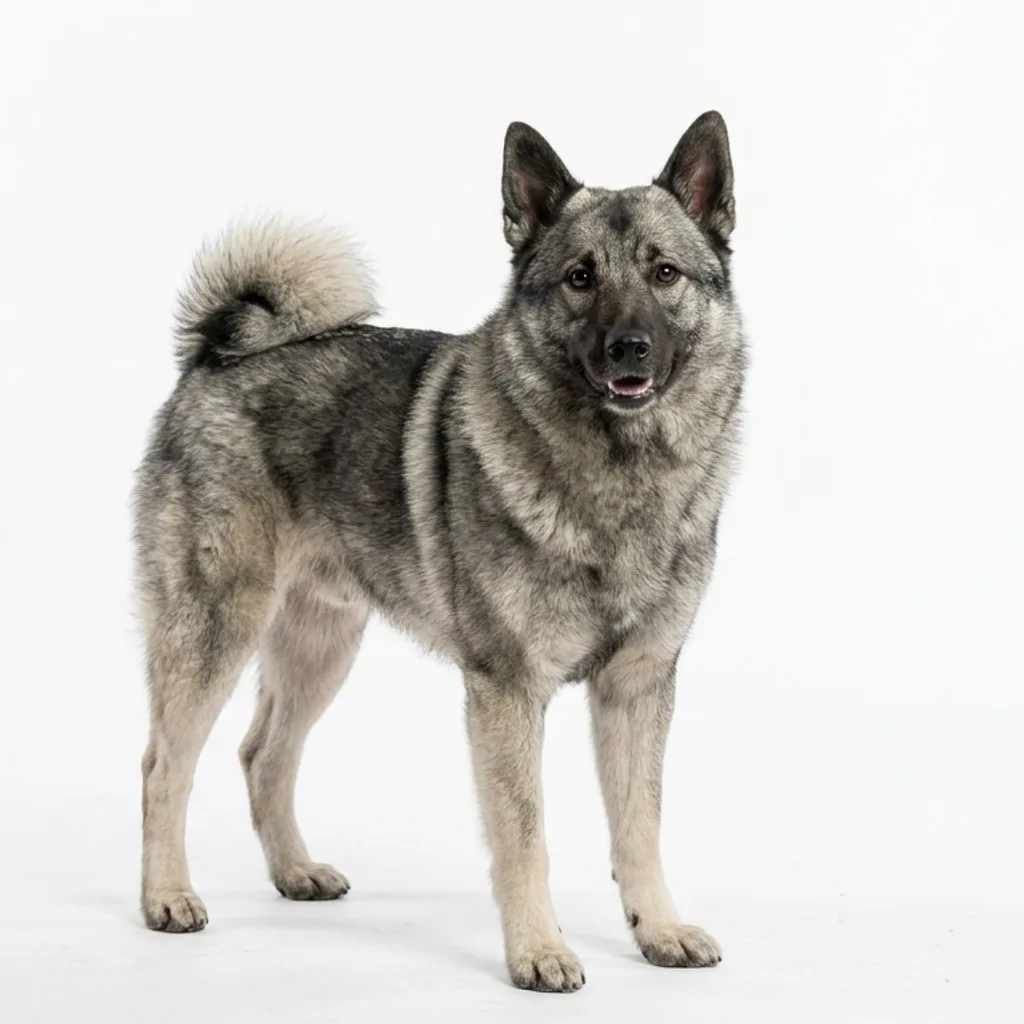
Norwegian Elkhound
A bold, energetic, and hardy hound from Norway. Originally bred to hunt elk, they are brave watchdogs and loyal family members. Their thick silver-grey coat is perfect for the cooler regions of NZ.
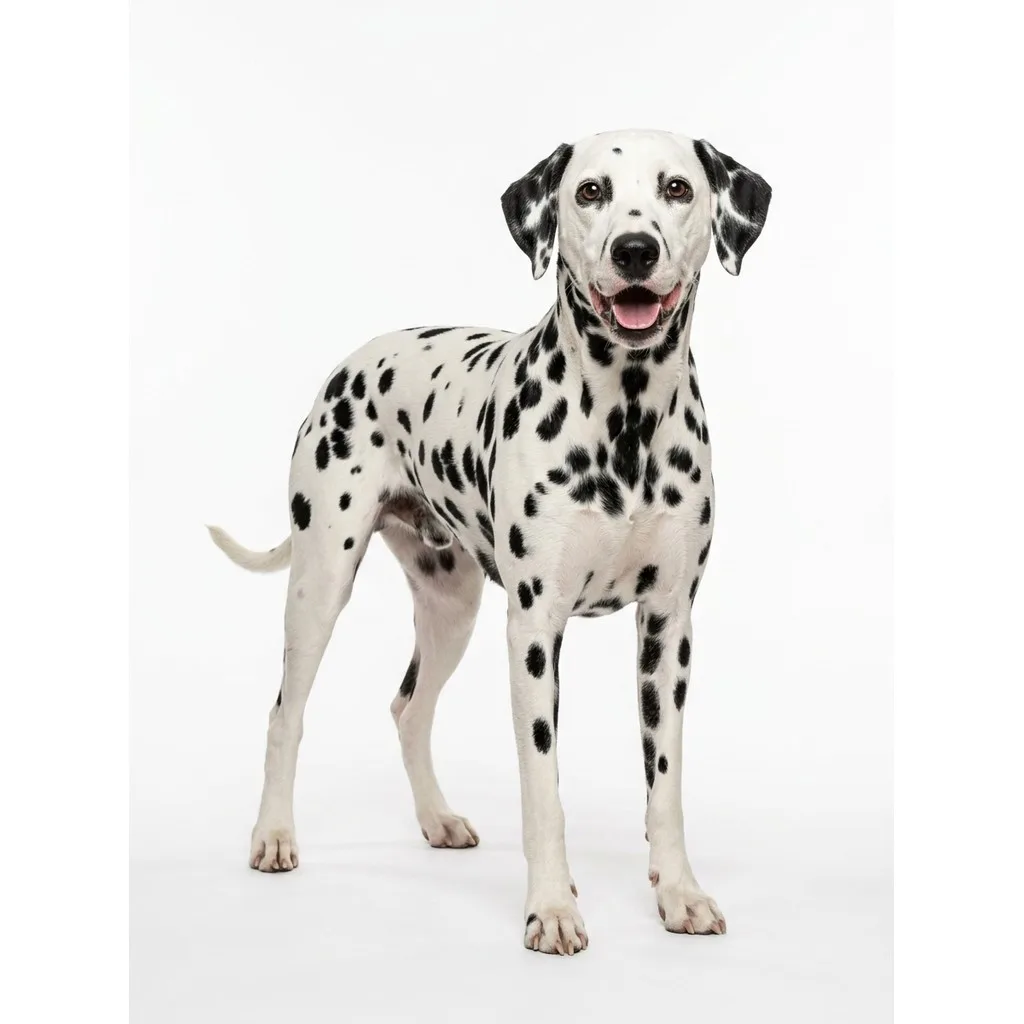
Dalmatian
The iconic spotted athlete. Dalmatians are high-energy, intelligent, and dignified. Originally bred to run alongside carriages, they have incredible stamina and are best suited for very active Kiwi owners.
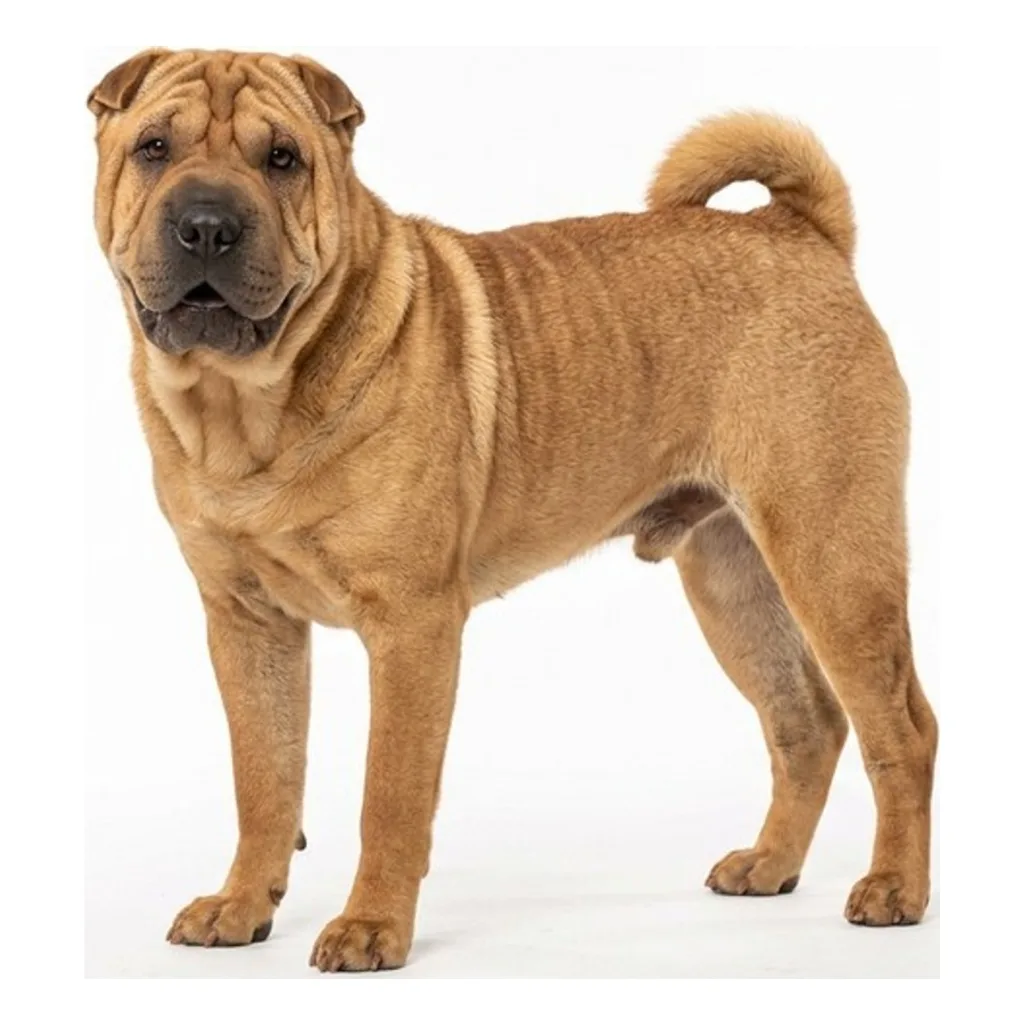
Chinese Shar-Pei
Known for its unique wrinkles and blue-black tongue, the Shar-Pei is a dignified, independent, and deeply loyal guardian. They are calm dogs but can be suspicious of strangers, making them excellent watchdogs for NZ homes.