Dog Breed Guide NZ
Goldendoodle
The Goldendoodle is a cheerful, gentle cross between the Golden Retriever and the Poodle. Renowned for their patient temperament and affectionate bond with children, they are excellent Kiwi family dogs but have demanding grooming needs. (Also known as a Groodle.)
Photo Gallery
Breed Snapshot
- Size
- Standard: 20–35 kg; Medium: 13–20 kg; Miniature: 7–13 kg
- Lifespan
- 10–15 years
- Origin
- United States / Australia
- Temperament
- Gentle, friendly, intelligent, affectionate, social, playful, patient
- NZ Price
- $2,500 – $4,800+ NZD from reputable NZ breeders (Miniatures and red/apricot multi-gen coats command premium prices); $150 – $450 NZD via rescues or SPCA.
- Annual Vet Cost
- Routine annual veterinary care (vaccinations, flea/worm prevention, check-ups) costs roughly $500 – $1,000 NZD. Because they are predisposed to hip dysplasia and heart issues inherited from the Golden Retriever line, major veterinary episodes can cost $2,500 – $9,000+ NZD. Taking out pet insurance early in life is strongly recommended.
Personality Scores
NZ Lifestyle Fit
Goldendoodles thrive in active New Zealand households with secure yards. They are highly affectionate, family-centric dogs that do best when included in daily activities like beach walks, swimming, and outdoor trips. They are generally not suited to small apartments due to their size and activity level. As companion dogs, they dislike long periods of isolation and are best suited to families where someone is home during the day.
Origins & History
The Goldendoodle is a crossbreed between the Golden Retriever and the Poodle (usually Standard, Medium, or Miniature). Developed in the 1990s following the success of the Labradoodle, breeders sought to combine the Golden Retriever's famously sweet, affectionate nature with the low-shedding, highly intelligent coat qualities of the Poodle. They have quickly risen to become one of the most popular companion dogs in New Zealand, loved for their teddy-bear appearance and friendly disposition.
The Crossbreed Reality
Just like any doodle, the Goldendoodle is not a recognised pedigree breed and there is no guarantee of coat consistency. First-generation (F1) crosses can vary wildly; some puppies inherit the Golden Retriever's flat coat that sheds heavily, while others have curly Poodle coats. Multi-generational breeding (Goldendoodle to Goldendoodle) produces more uniform coats, but buyers must be wary of breeders who guarantee 'hypoallergenic' properties. Dander, saliva, and urine can still trigger allergies.
Coat Types & Grooming Commitment
Goldendoodles can have three main coat textures:
- Flat Coat: Resembles the Golden Retriever, sheds regularly, and needs weekly brushing.
- Wavy Coat: The most common, soft and shaggy. Low-shedding but prone to trapping dirt and matting.
- Curly Coat: Very curly, Poodle-like. Highly low-shedding but requires daily maintenance.
All wavy and curly Goldendoodles require daily brushing to prevent severe mats close to the skin. Professional grooming and clipping are required every 6 to 8 weeks, costing approximately $100 to $180+ NZD per visit in New Zealand. Favouring the 'teddy bear clip' is popular but traps debris from NZ hikes.
Temperament & Trainability
Goldendoodles are exceptionally social, gentle, and eager to please. They inherit the Golden Retriever's loving, patient attitude and the Poodle's sharp intellect. They make fantastic family dogs and are generally excellent with children and other pets. They are highly active and need regular physical and mental exercise to stay content. Because they are highly social, they can suffer from separation anxiety if left alone for long periods, leading to vocalising or destructive behaviour.
Fun Facts
Fact 1
Goldendoodles were originally bred in the 1990s as a larger alternative to the popular Labradoodle.
Fact 2
They are widely used as therapy dogs and service dogs due to their gentle, intuitive nature and high intelligence.
Fact 3
Depending on the Poodle parent, they can range in size from a standard retriever size down to a small lapdog size.
Fact 4
Their soft, wavy coat is often described as feeling like fleece or plush wool.
Fact 5
They are natural swimmers, inheriting webbed paws and a love for water from both parent breeds.
Related Breeds
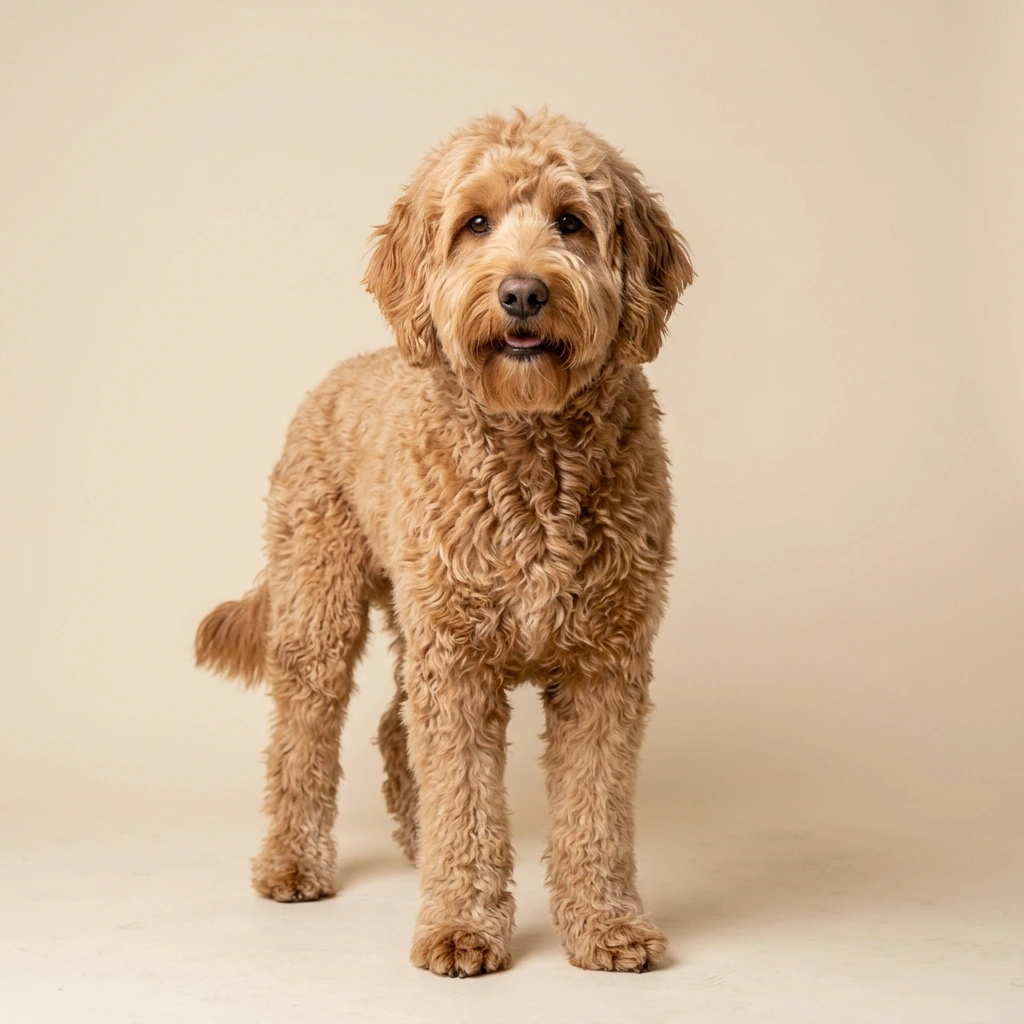
Groodle
Energetic, loving, and intelligent, the Groodle (Golden Retriever and Poodle cross) is a highly popular Kiwi family companion. Owners must be prepared for intensive coat care, potential inherited joint issues, and hybrid variety.
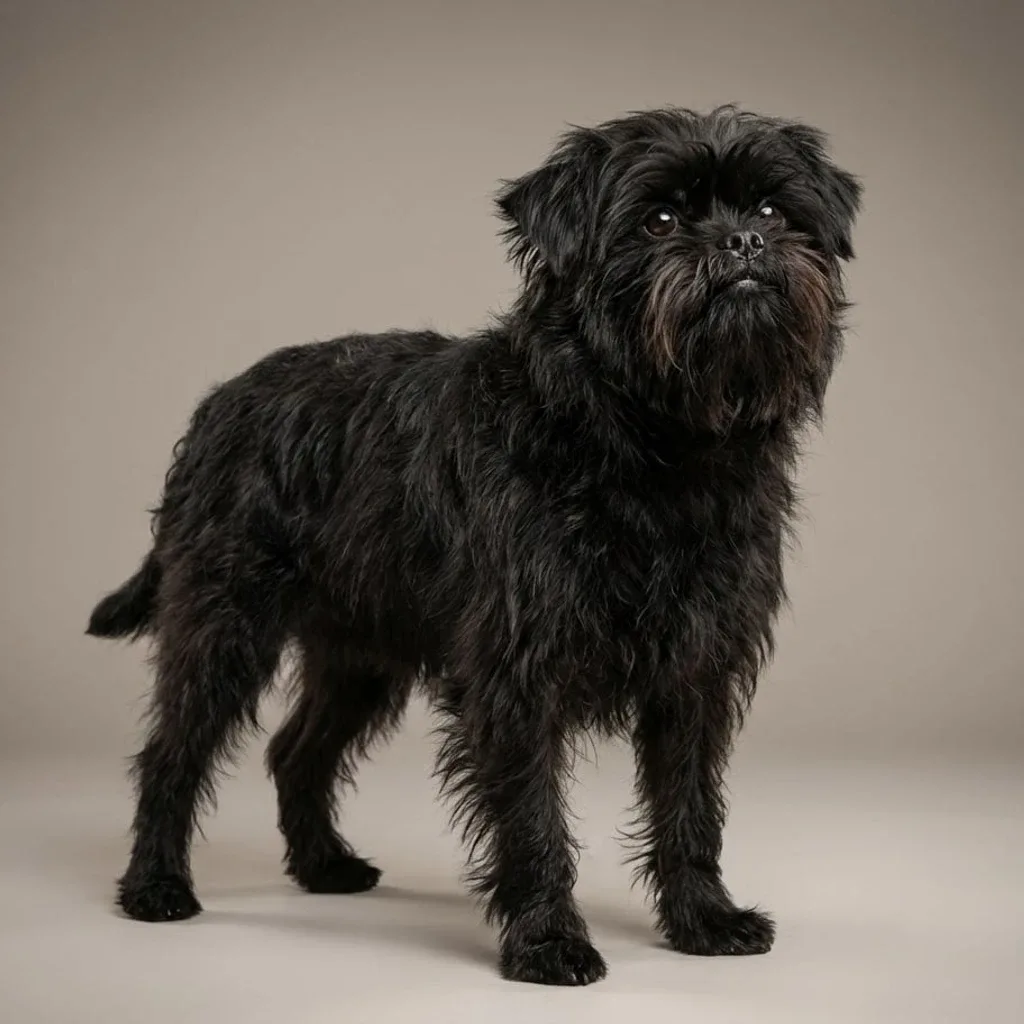
Affenpinscher
The Affenpinscher is a sturdy, monkey-like terrier-type toy breed known for its confidence and playful spirit. Despite its small size, it possesses a courageous heart and a loyal personality, making it a wonderful companion for Kiwi apartment dwellers or those with smaller sections.
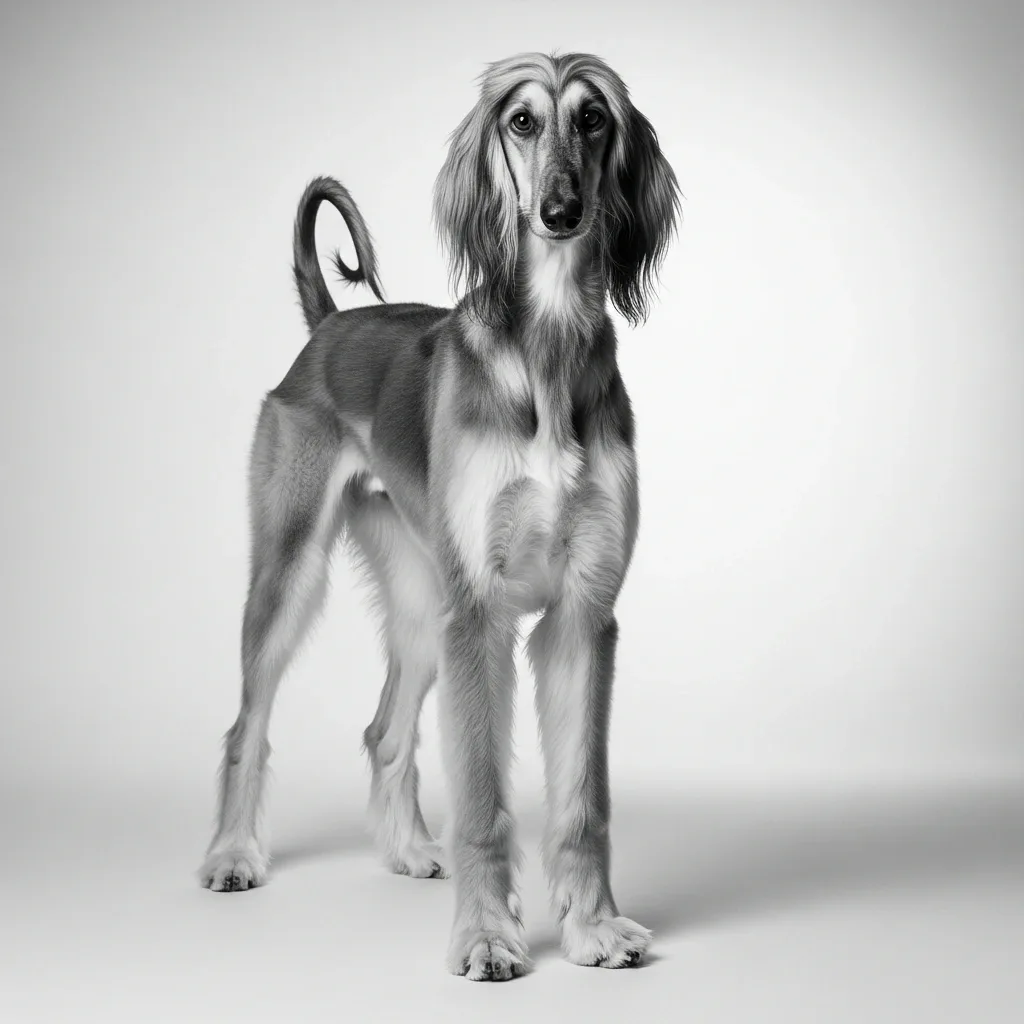
Afghan Hound
The Afghan Hound is an elegant aristocrat with a dignified and aloof personality. Known for its striking, silky coat, this breed is a high-maintenance beauty that requires ample space to run and an owner dedicated to its complex grooming needs.
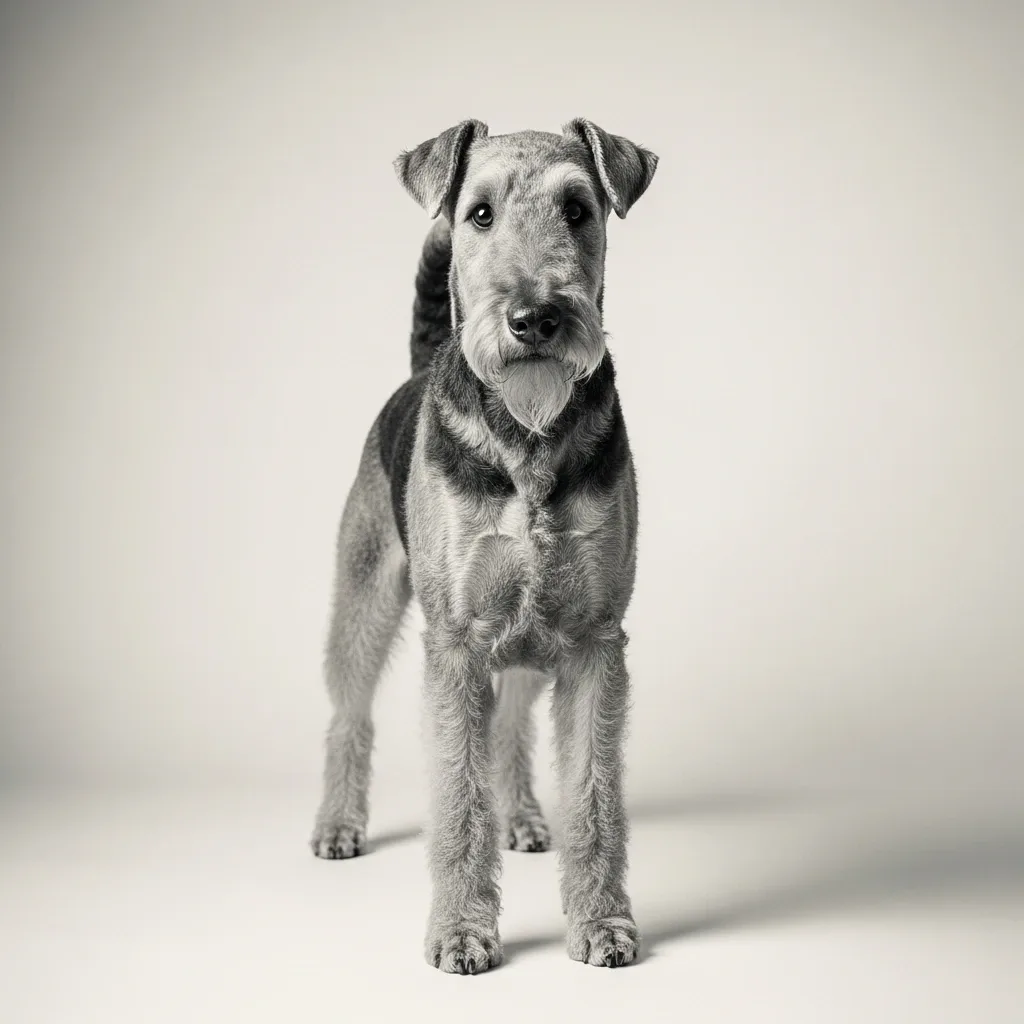
Airedale Terrier
The 'King of Terriers', the Airedale is the largest of all terrier breeds. They are brave, hardworking, and highly intelligent, making them excellent partners for active Kiwi families who love tramping and outdoor adventures.