Cat Breed Guide NZ
Turkish Van
Meet the Turkish Van, often dubbed the 'Swimming Cat' for its remarkable affinity for water – a trait almost unheard of in the feline world. Hailing from the Lake Van region, these athletic, intelligent, and independent felines are a joy to behold. Their semi-longhaired, cashmere-like coat is surprisingly water-resistant, making them unique amongst cat breeds. Turkish Vans thrive in active New Zealand households where their playful energy and sharp minds are consistently engaged. They form deep, loyal bonds with their families, offering a spirited and interactive companionship that perfectly suits a dynamic Kiwi lifestyle, whether it's a home with a spacious section or a stimulating indoor environment.
Photo Gallery
Breed Snapshot
- Size
- 3 - 9 kg
- Lifespan
- 12 - 17 years
- Origin
- Being enriched
- Temperament
- Agile, Intelligent, Loyal, Playful, Energetic
- NZ Price
- $1,500 - $3,500 NZD from registered breeders; $150-$350 NZD adoption via SPCA
- Annual Vet Cost
- Estimated annual vet costs for a healthy Turkish Van in New Zealand typically range from $300 - $600 NZD, covering routine check-ups, vaccinations, and parasite prevention. While generally a robust breed, Turkish Vans can be predisposed to hypertrophic cardiomyopathy (HCM) and polycystic kidney disease (PKD), though these are less common than in some other breeds. Regular veterinary health checks are crucial for early detection. If a cat develops a chronic condition or requires emergency care, costs can significantly increase, potentially reaching $1,000 - $3,000+ NZD per incident. Pet insurance is highly recommended to help manage unexpected veterinary expenses.
Personality Scores
NZ Lifestyle Fit
The Turkish Van's adaptable nature makes it suitable for various New Zealand living situations, though some are more ideal than others. For an apartment in Auckland, a Turkish Van could thrive if the owners are highly committed to providing extensive daily play, vertical climbing spaces, and mental enrichment to compensate for limited ground space. Their high energy means a small flat can feel restrictive without significant owner interaction. A house with a secure section is an excellent fit, offering the ideal balance of indoor comfort and safe outdoor exploration, allowing them to burn off energy and indulge their playful instincts. Rural NZ farm life is generally less suitable; while they are robust, Turkish Vans are not typically outdoor working cats and require a supervised, enriched environment rather than free-ranging, which could expose them to risks. Their water-resistant coat handles Auckland's humid summers well, and they adapt to South Island's cold winters with warm, insulated indoor shelter. High UV levels across NZ necessitate access to shade, especially for cats with lighter pigmentation, to prevent sunburn.
Origins & History
The Turkish Van cat boasts an ancient and storied lineage, originating from the rugged and beautiful Lake Van region of Eastern Turkey. Often referred to as the 'Swimming Cat', this breed's unique affinity for water is deeply ingrained in its history, believed to have evolved from generations of cats living near the lake, where they would swim to cool off or hunt. Unlike most felines, the Turkish Van genuinely enjoys a dip, a trait that sets it apart. The breed was first introduced to the West in the mid-20th century, with two British photographers credited for bringing them to Europe. Since then, their striking appearance and distinctive personality have captivated cat enthusiasts worldwide, establishing them as a rare and cherished breed.
Appearance
The Turkish Van is a medium to large-sized cat, typically weighing between 3 and 9 kg, with males generally larger than females. They possess a robust, muscular build and a semi-longhaired coat that is remarkably soft and cashmere-like, lacking a dense undercoat. This unique texture is naturally water-resistant, allowing water to bead off rather than soak in. Their most distinguishing feature is the 'Van pattern' – a predominantly chalk-white body with coloured markings restricted to the head (between the ears, not extending past the back of the head or below the eye level) and a ringed tail. Eye colours can range from amber to blue, and many Turkish Vans are 'odd-eyed', with one blue and one amber eye, a striking and beautiful characteristic. Their powerful hind legs contribute to their impressive agility and jumping ability.
Temperament & Personality
Turkish Vans are renowned for their intelligence, agility, and energetic nature. They are highly playful and curious, often described as having a 'dog-like' temperament due to their loyalty and tendency to follow their favourite people around the house. While affectionate, they are not typically 'lap cats' and prefer to express their love through playful interaction rather than constant cuddling. They thrive on mental stimulation and can become bored if not adequately entertained, leading to mischievous behaviour. Their independent streak means they appreciate their own space, but they also form strong bonds with their human families. Their love for water extends to playing with taps, splashing in bowls, or even joining their owners in the shower, making them truly unique companions.
Life in New Zealand
For New Zealand households, the Turkish Van can be an exceptional companion, provided their specific needs are met. Their active and intelligent nature means they flourish in environments where they have plenty of space to explore and opportunities for play. A home with a secure, cat-proofed section is ideal, allowing them safe outdoor access to burn off energy and satisfy their curiosity. Given their love for water, a shallow paddling pool or even supervised access to a safe water feature can provide immense enjoyment during our warmer months. Their robust health and adaptable nature mean they cope well with New Zealand's varied climate, from Auckland's humid summers to the South Island's colder winters, as long as they have appropriate shelter and warmth. Early socialisation is key for them to integrate well into a busy Kiwi household, especially if there are children or other pets.
Is This the Right Breed for You?
The Turkish Van is best suited for active individuals or families who can dedicate time to engaging with their cat through play, training, and mental enrichment. If you're looking for a laid-back lap cat, this might not be the breed for you. However, if you appreciate a cat with a vibrant personality, a playful spirit, and a unique love for water, the Turkish Van could be your perfect match. They require consistent interaction and stimulation to prevent boredom, making them ideal for owners who are home often or willing to invest in interactive toys and climbing structures. Their loyalty and intelligence make them incredibly rewarding companions for those prepared to embrace their energetic and independent nature.
Fun Facts
Fact 1
The Turkish Van is one of the few cat breeds that genuinely enjoys swimming and playing in water.
Fact 2
They are often referred to as the 'Swimming Cat' or 'Van Cat' due to their origins near Lake Van in Turkey.
Fact 3
Their unique coat is semi-longhaired with a cashmere-like texture and is naturally water-resistant.
Fact 4
Many Turkish Vans are 'odd-eyed', possessing one blue and one amber eye, a striking and rare trait.
Fact 5
Despite their independence, they are known for their dog-like loyalty and intelligence, often learning to play fetch.
Related Breeds
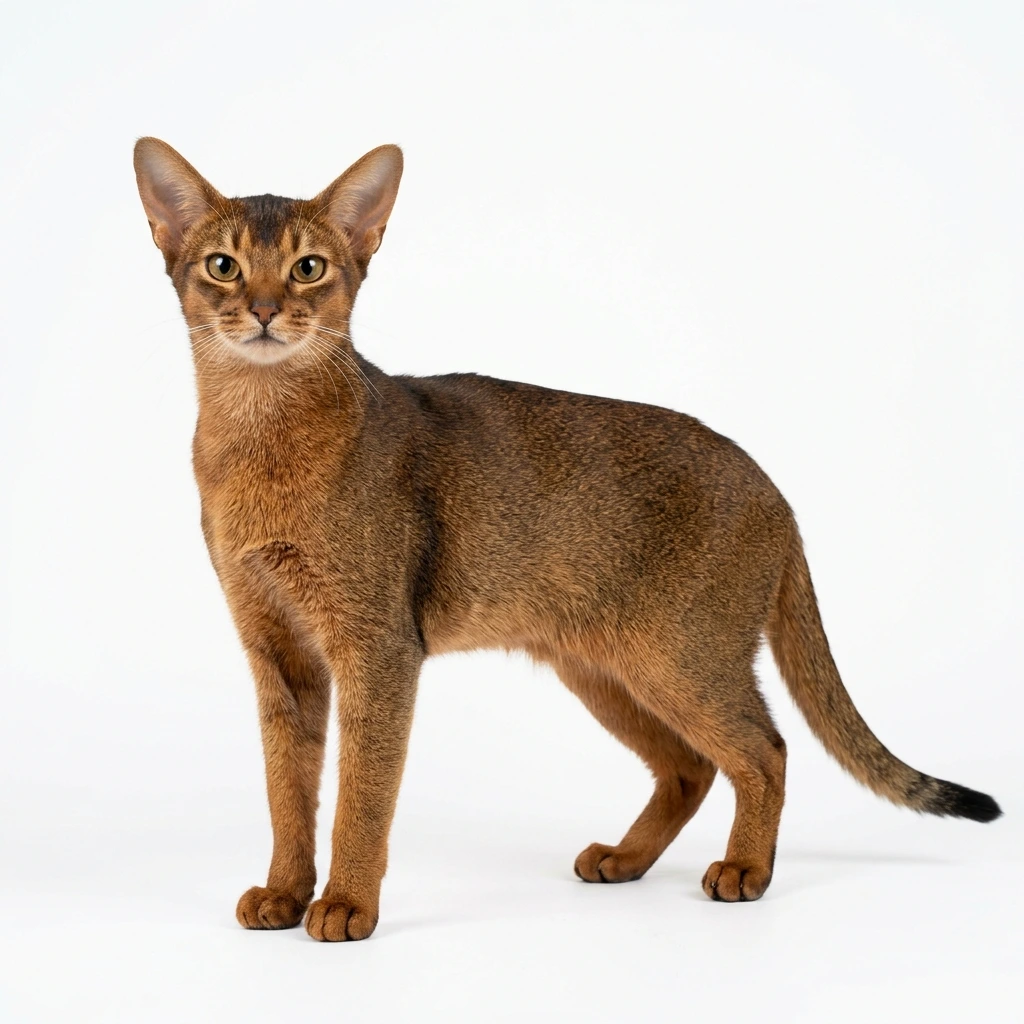
Abyssinian
The Abyssinian is a highly intelligent, active, and curious athlete. Known as the 'clowns of the cat world,' they love vertical space and being in the centre of family action. They are perfect for active Kiwi households that enjoy interactive pets.
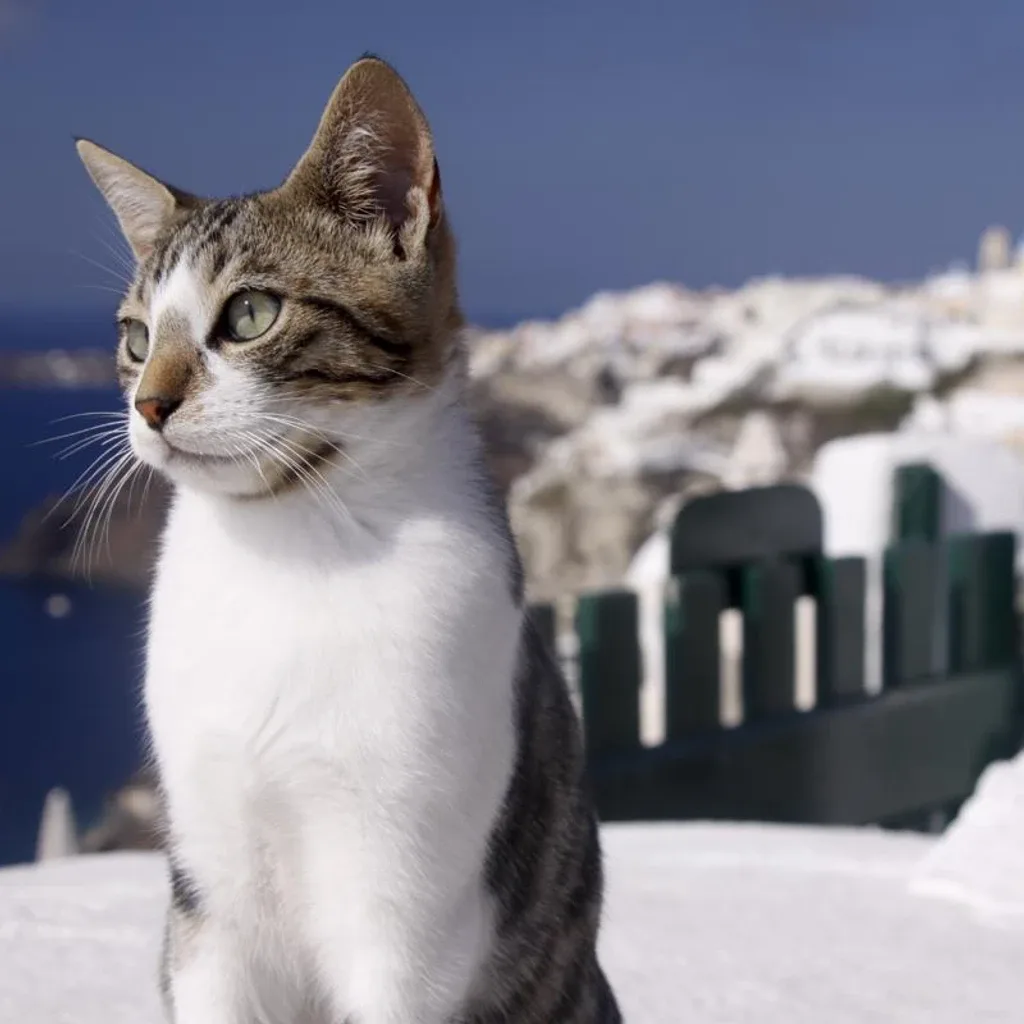
Aegean
A rare, natural breed from Greece, Aegeans are sturdy, social, and adaptable. They are famous for their love of water and their balanced, communicative nature.
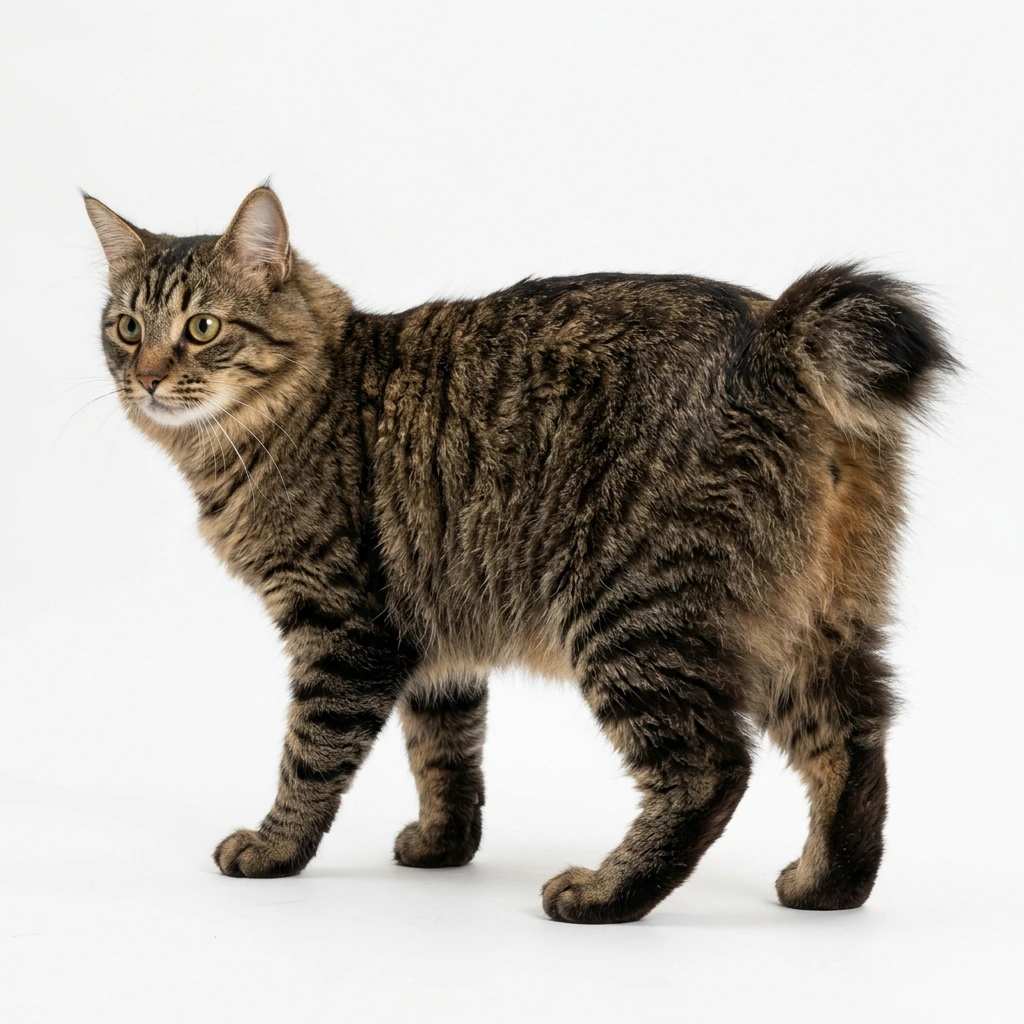
American Bobtail
With a wild look and a loyal 'dog-like' personality, the American Bobtail is a highly adaptable companion that often enjoys walking on a harness.
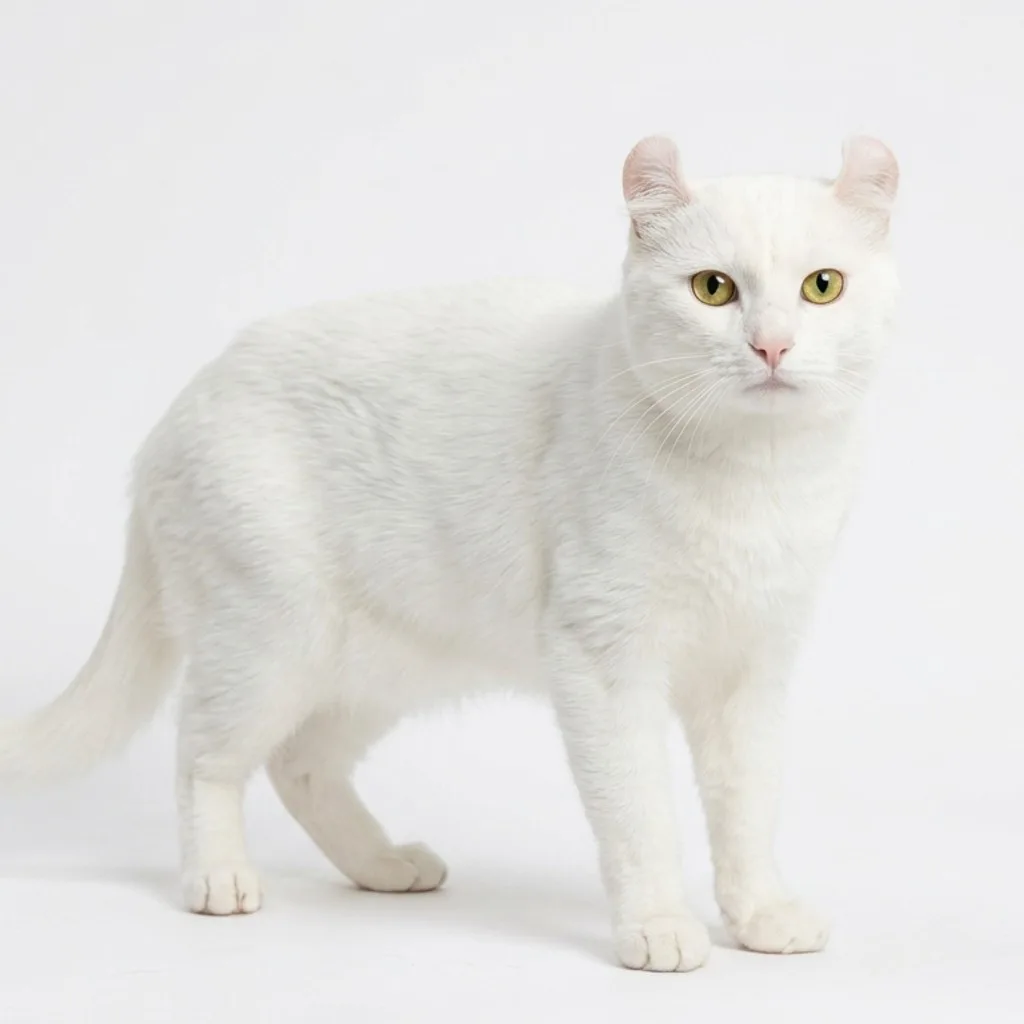
American Curl
Famous for their unique backward-curling ears, the American Curl is an affectionate, 'Peter Pan' breed that stays kitten-like well into adulthood.