Cat Breed Guide NZ
Siamese
The Siamese is a social, vocal, intelligent cat that wants interaction and routine. In New Zealand it can thrive indoors or with a catio when owners provide company, puzzle play, warmth, dental care, and realistic expectations about noise.
Photo Gallery
Breed Snapshot
- Size
- 3 - 6 kg
- Lifespan
- 12 - 20 years
- Origin
- Historic Thai-origin pedigree breed, present in New Zealand through registered breeders.
- Temperament
- Vocal, social, intelligent, affectionate, demanding, playful, and people-focused.
- NZ Price
- $1,200 - $2,800 NZD from registered breeders, with a 3-6 month waitlist common; $150-$350 NZD adoption via SPCA or breed rescue (rarely available)
- Annual Vet Cost
- $500-$1,500+ NZD per year for routine care, parasite control, vaccination, dental planning, and unexpected illness; senior or chronic-care costs can be higher.
Personality Scores
NZ Lifestyle Fit
The Siamese cat is remarkably adaptable to various New Zealand living situations, provided their core needs for interaction and mental stimulation are met. For those in an Auckland apartment or city flat, a Siamese can thrive beautifully. Their short coat handles Auckland's humid summers well, and their preference for indoor living means they're safe from urban hazards. Crucially, apartment dwellers must commit to daily interactive play and provide plenty of vertical space (cat trees, shelves) to satisfy their agile and energetic nature. In a house with a section, a Siamese will enjoy the extra space, but secure outdoor access, such as a catio, is highly recommended. This protects them from traffic, other animals, and the high UV index common across New Zealand, especially for their delicate skin. While adaptable to South Island cold winters, a warm, cosy spot is essential for their short coat. Rural NZ farm life is generally not suitable; Siamese are primarily indoor cats and would be at high risk from predators, farm machinery, and the elements. There are no specific MPI restrictions on owning Siamese cats in New Zealand.
Overview
The Siamese is a social, vocal, intelligent cat that wants interaction and routine. In New Zealand it can thrive indoors or with a catio when owners provide company, puzzle play, warmth, dental care, and realistic expectations about noise.
NZ ownership fit
Good for owners who want an interactive cat and are home enough to meet social needs. Not ideal for households that want a quiet, independent pet.
Care priorities
Focus on safe containment, microchip registration, body condition, dental care, grooming, enrichment, litter hygiene, and early vet advice when routines change.
Fun Facts
Fact 1
Siamese is listed as a cat breed on New Zealand Cat Fancy breed resources when NZCF has an active listing for it.
Fact 2
Pedigree cats still need individual assessment; breed is not a guarantee of personality.
Fact 3
Many cat health issues are easier to manage when owners notice small changes early.
Fact 4
A catio can give a cat fresh air while reducing traffic and wildlife risk.
Fact 5
Senior cats often hide pain, dental discomfort, or arthritis until routines change.
Related Breeds
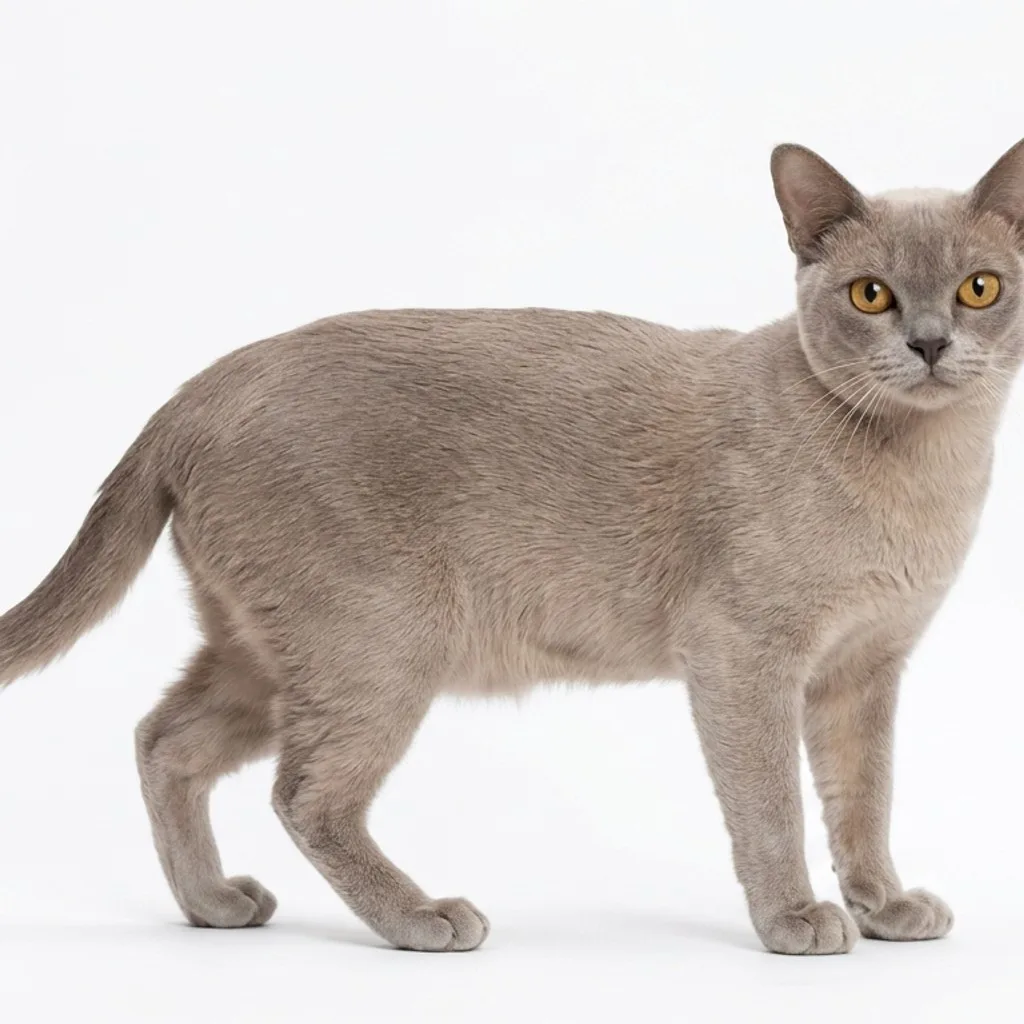
Burmese
The Burmese is a social, affectionate, playful cat that often wants to be part of every household activity. In New Zealand it suits owners who can provide company, warm indoor living, weight control, and safe enrichment.
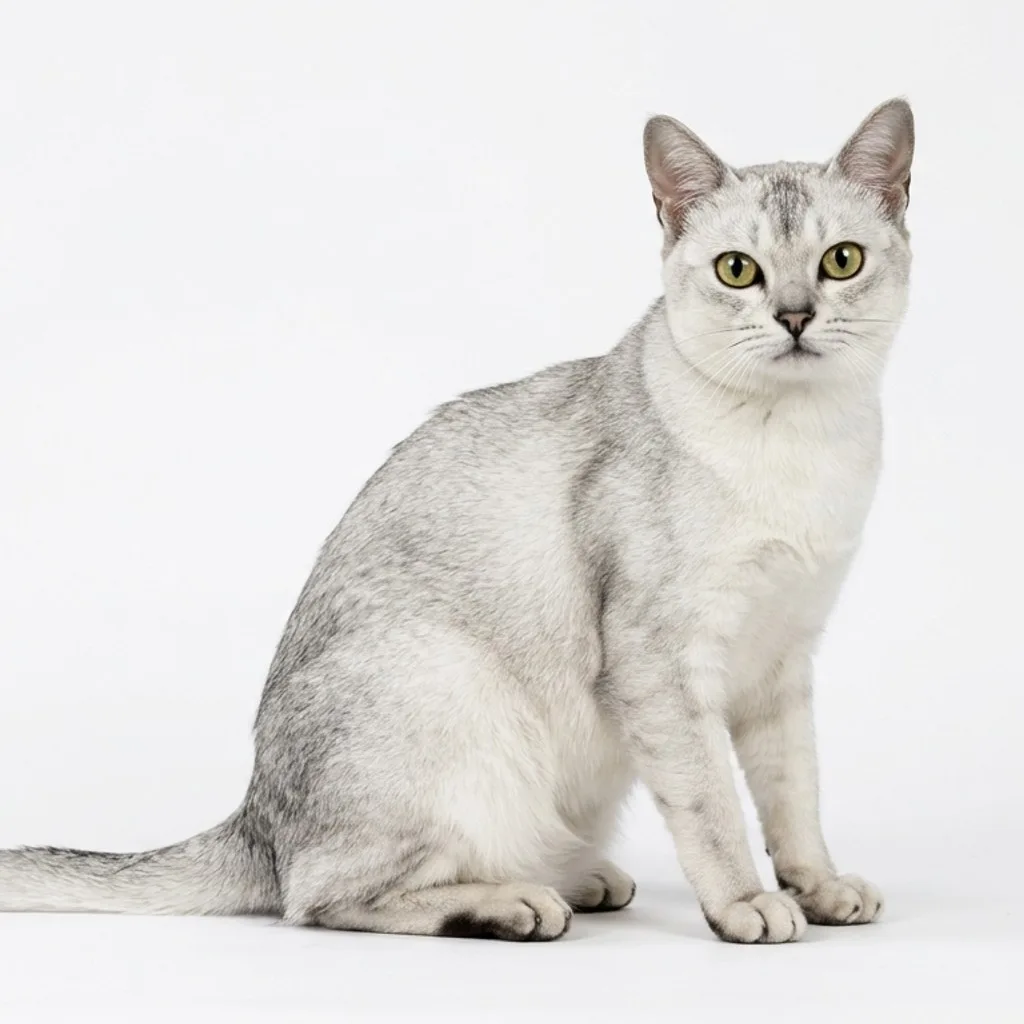
Burmilla
A cross between Burmese and Chinchilla Persian. Burmillas are elegant, social, and more relaxed than the Burmese, known for their stunning silver coat.
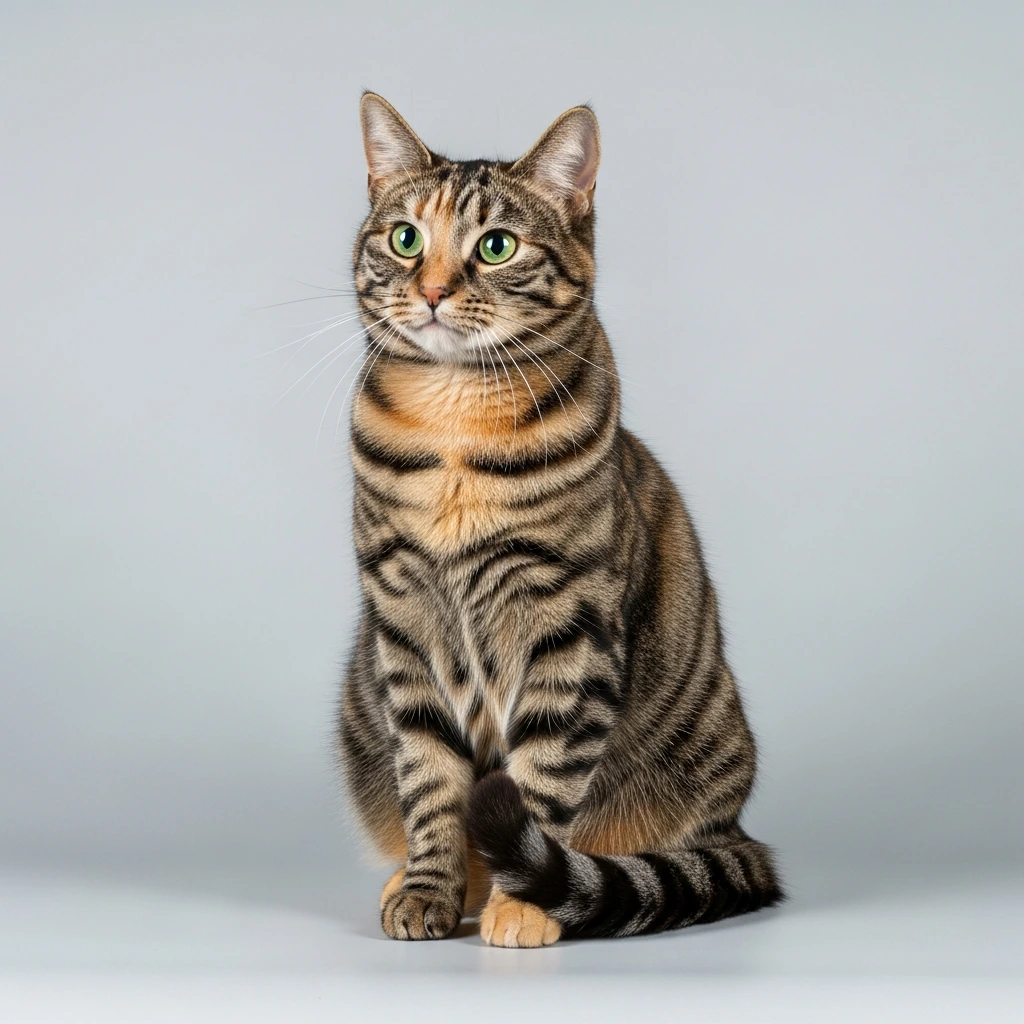
Domestic Mediumhair
The Domestic Mediumhair is a mixed-ancestry companion cat with a coat longer than a shorthair but usually less demanding than a full longhair. It is a practical NZ adoption category and should be judged by personality, health, coat care, and lifestyle fit rather than breed mythology.
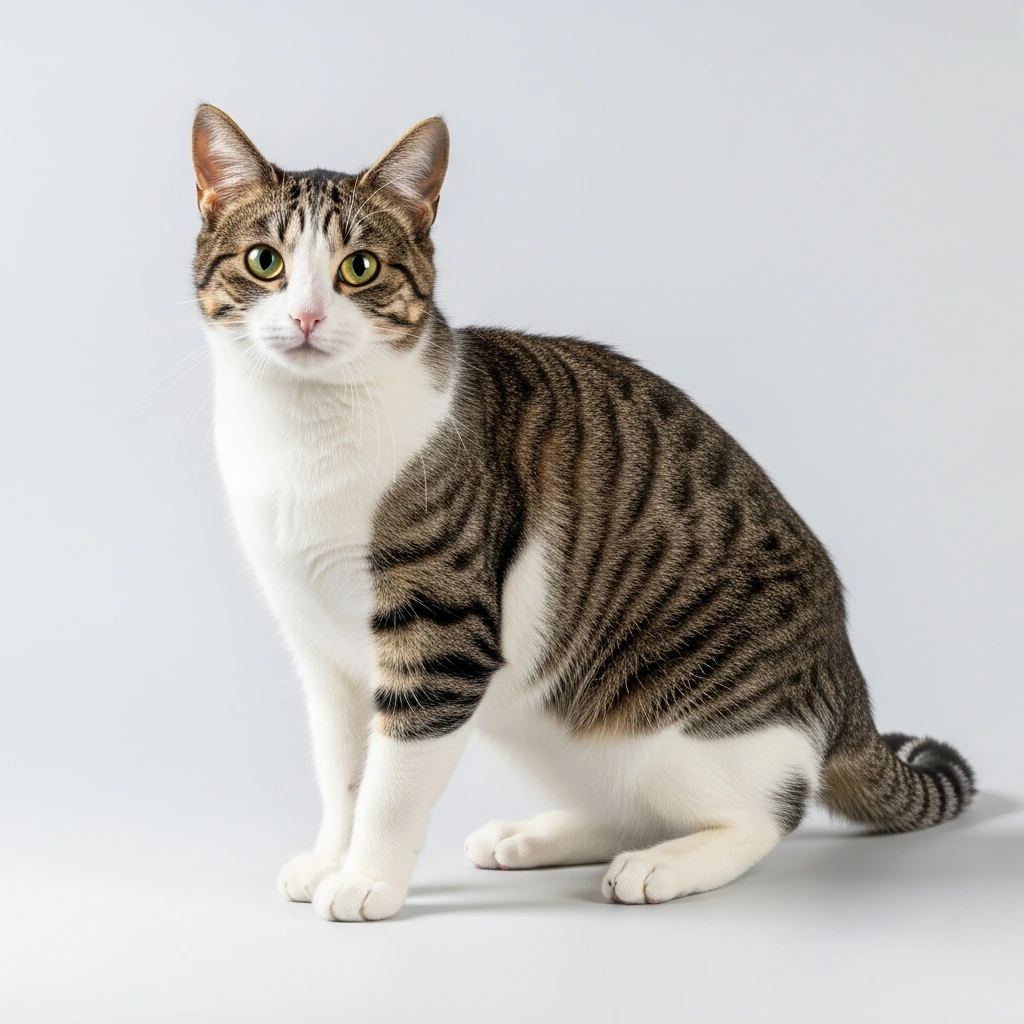
Domestic Shorthair
The Domestic Shorthair is the everyday Kiwi cat: a non-pedigree, short-coated companion with huge variation in colour, personality, and lifestyle. It is often healthier and more adaptable than highly selected breeds, but it still needs microchipping, desexing, parasite control, dental care, enrichment, and a safe indoor/outdoor plan.