PetMall Knowledge Hub

Cat Breed Guide NZ

Domestic Shorthair

The Domestic Shorthair is the everyday Kiwi cat: a non-pedigree, short-coated companion with huge variation in colour, personality, and lifestyle. It is often healthier and more adaptable than highly selected breeds, but it still needs microchipping, desexing, parasite control, dental care, enrichment, and a safe indoor/outdoor plan.

Apartment FriendlyHouse with Section

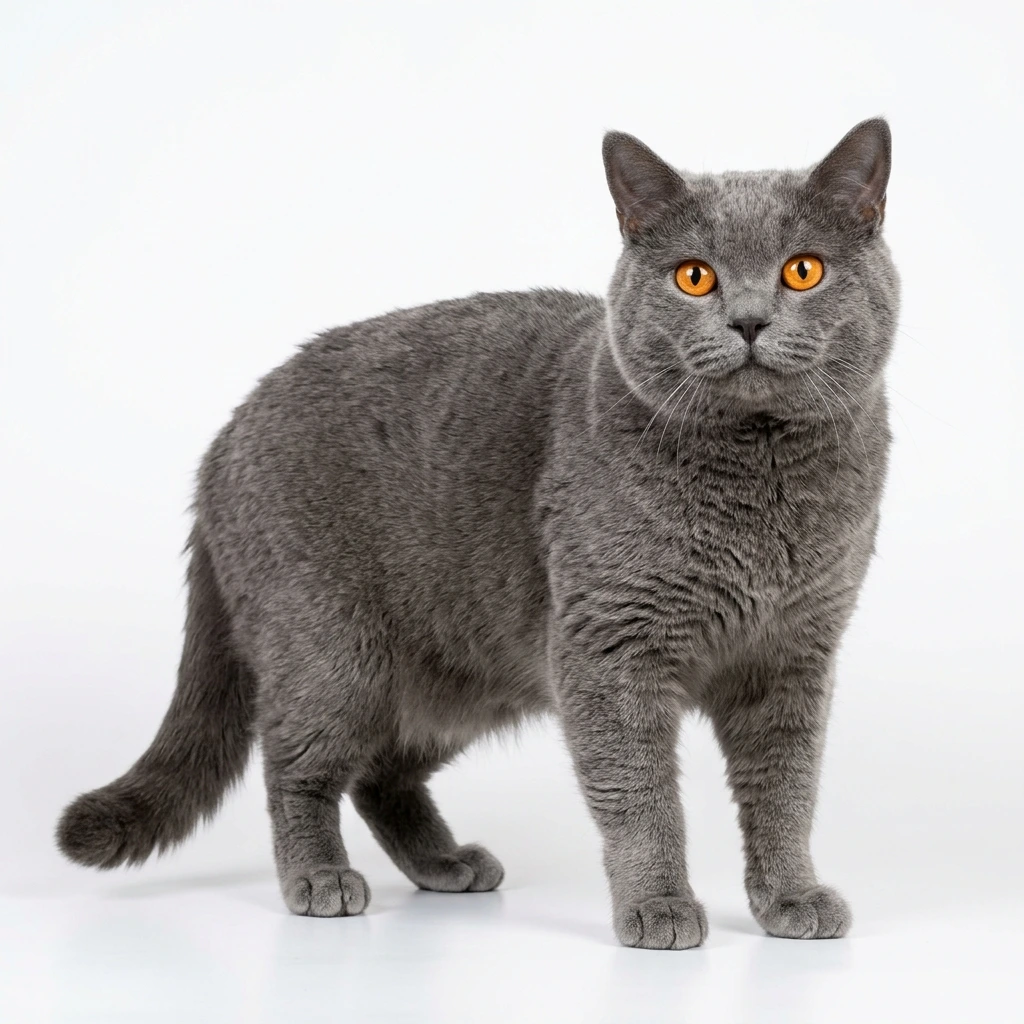
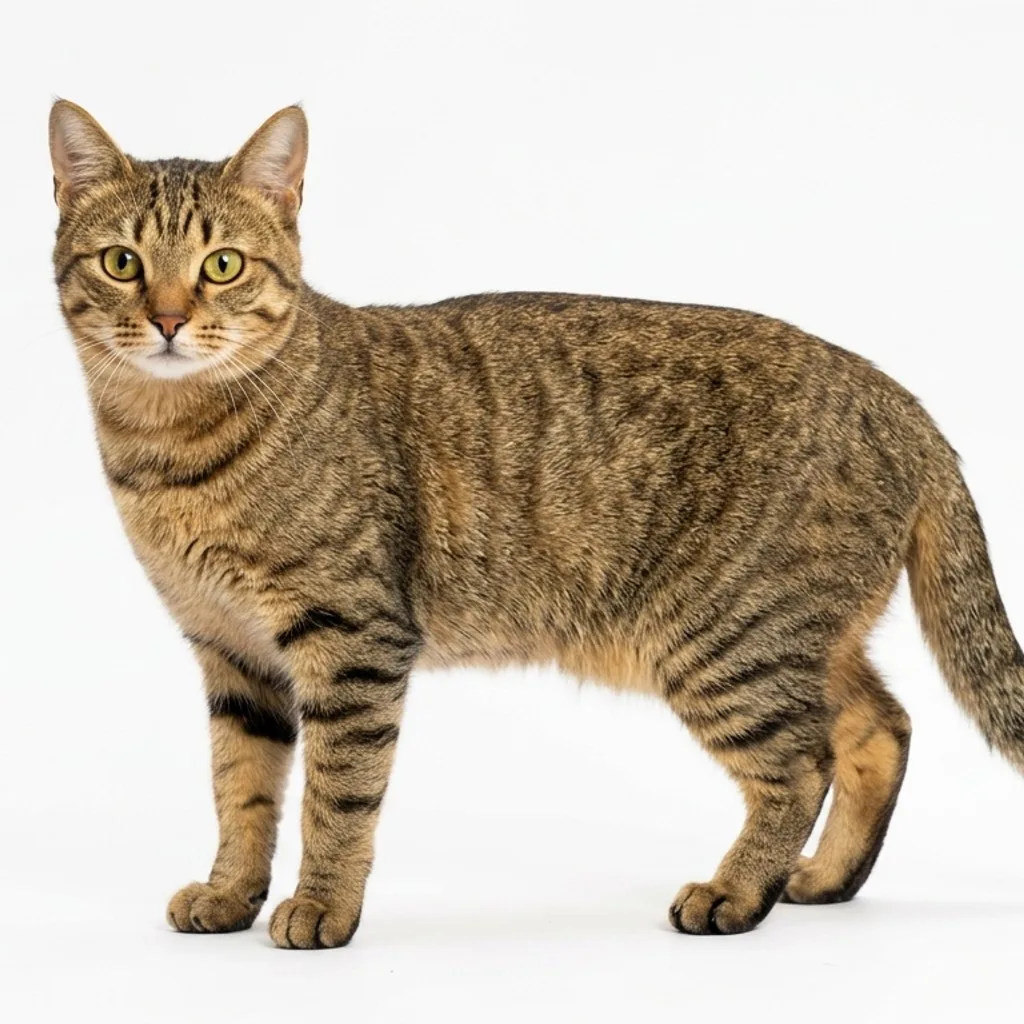
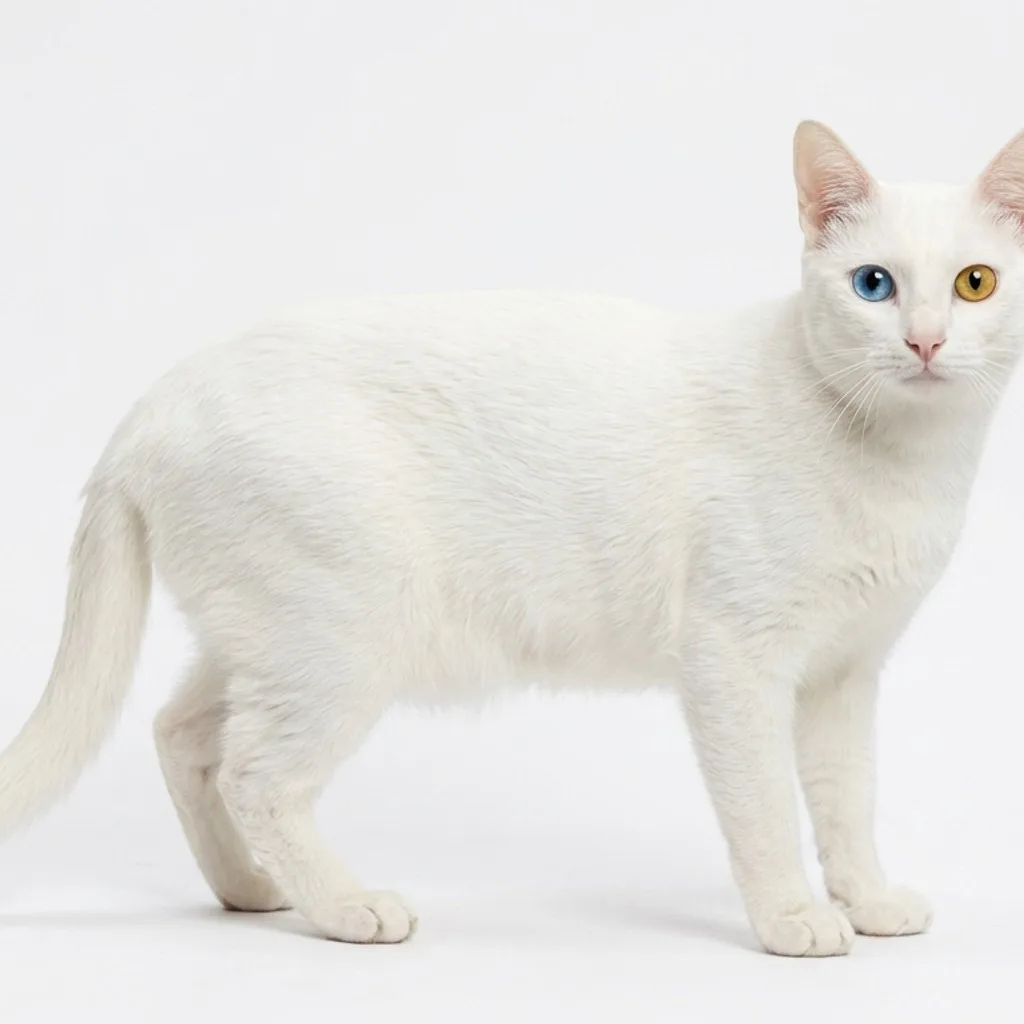
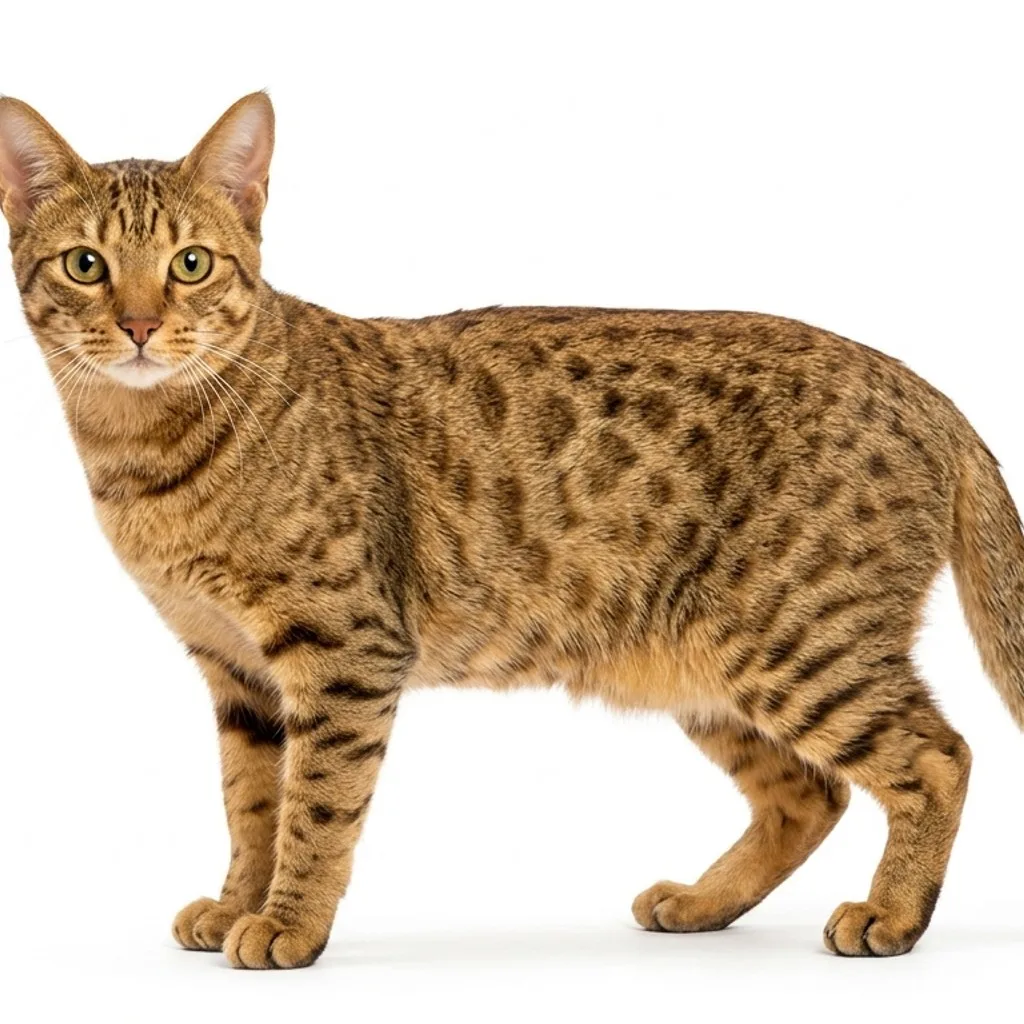
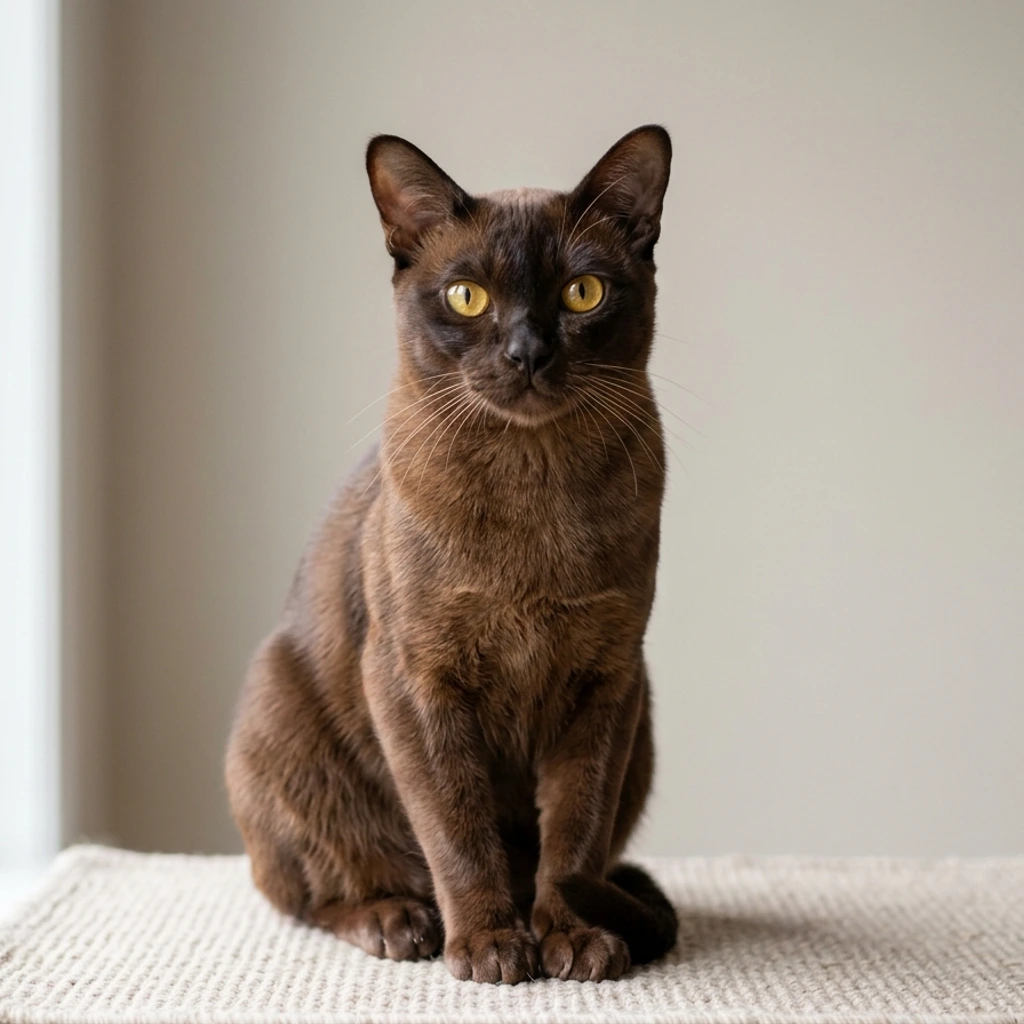
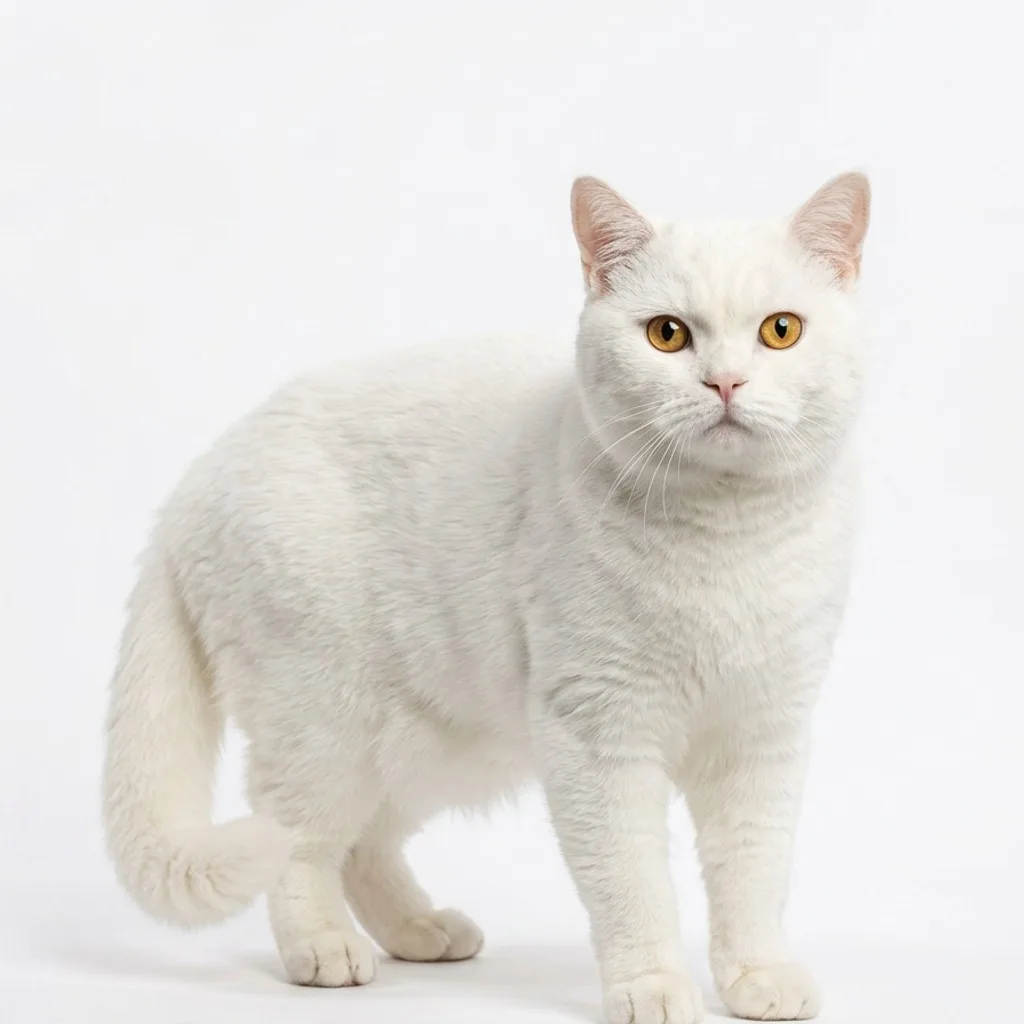
Photo Gallery

Breed Snapshot

Size
3 - 6 kg
Lifespan
12 - 18 years
Origin
Non-pedigree companion cat; mixed ancestry rather than a registered breed.
Temperament
Variable, adaptable, affectionate or independent depending on the individual cat and early handling.
NZ Price
Adoption fees vary by shelter or rescue; budget for desexing, microchipping, vaccination, parasite control, insurance, food, litter, and vet care.
Annual Vet Cost
$500-$1,500+ NZD per year for routine care, parasite control, vaccination, dental planning, and unexpected illness; senior or chronic-care costs can be higher.

Personality Scores

Friendliness4/5
Trainability3/5
Energy3/5
Grooming1/5
Health Risk3/5
Apartment4/5
With Kids4/5
With Pets3/5

NZ Lifestyle Fit

Domestic Shorthair is being reviewed for apartment, section, and rural Kiwi lifestyles. Use the snapshot and care notes while the NZ suitability profile is completed.

Overview

The Domestic Shorthair is the everyday Kiwi cat: a non-pedigree, short-coated companion with huge variation in colour, personality, and lifestyle. It is often healthier and more adaptable than highly selected breeds, but it still needs microchipping, desexing, parasite control, dental care, enrichment, and a safe indoor/outdoor plan.

NZ ownership fit

Excellent for many New Zealand households because grooming needs are low and personality can be matched through adoption. The safest setup is an enriched indoor home, catio, secure garden, or supervised outdoor access.

Care priorities

Focus on safe containment, microchip registration, body condition, dental care, grooming, enrichment, litter hygiene, and early vet advice when routines change.

Fun Facts

Fact 1

Domestic Shorthair is a coat-length category, not a pedigree breed.

Fact 2

Non-pedigree cats can vary widely in personality, colour, size, and energy.

Fact 3

A domestic cat's individual temperament is usually more useful than a breed guess.

Fact 4

Microchipping and current registration are especially important for cats that roam.

Fact 5

Indoor enrichment can make a non-pedigree cat's life safer without making it boring.

Related Breeds
PetMall Editorial Desk

Reviewed and curated for practical, vet-informed guidance

Every guide is edited into a consistent house style so readers can scan quickly, compare recommendations, and understand where general education stops and personal veterinary advice begins.

Updated
Recently updated
Positioning
Evidence-based pet care for NZ households

Structured Guide

Life Stage Care

Scan the most important priorities for each stage so readers can adapt routine, home setup, and monitoring as this profile matures.

Kitten · 8 weeks to 12 months

Domestic Shorthair kittens need a quiet settling room, gradual diet transition, gentle handling, litter confidence, early grooming practice, and safe indoor routines before outdoor decisions are made.

  • Use a secure carrier for travel and open it only once the kitten is inside a prepared room.
  • Keep the previous food at first and transition gradually to avoid stomach upsets.
  • Practise brushing, claw checks, tooth brushing, carrier games, and vet-style handling early.
  • Discuss vaccination, parasite control, microchipping, desexing timing, and insurance with your vet.
  • Use toys, climbing, scratching posts, hiding places, and predictable rest rather than rough hand play.

Adult · 1 to 8 years

Adult Domestic Shorthair care should focus on body condition, enrichment, dental care, safe outdoor choices, and a routine that fits the cat's energy and social needs.

  • Measure food and review body condition regularly; many indoor cats gain weight before owners notice.
  • Provide vertical space, scratching, puzzle feeding, scent games, play, and resting places.
  • Keep microchip registration details current so the cat can be identified if lost.
  • Use safe containment such as indoor enrichment, a catio, cat-proof fencing, night curfews, or supervised outdoor time.
  • Watch for changes in appetite, drinking, toileting, coat condition, hiding, or activity.

Senior · 8 years and older

Senior Domestic Shorthair cats need closer monitoring because common ageing changes can hide treatable disease or pain.

  • MPI's companion cat guidance treats cats over 8 years as older cats and recommends more frequent veterinary checks.
  • Monitor weight, appetite, drinking, urination, dental comfort, coat condition, mobility, jumping, and grooming habits.
  • Add ramps, low-entry litter trays, warm bedding, and easier access to food, water, and favourite resting places.
  • Keep claws trimmed if they become overgrown, especially for indoor or older cats.
  • Ask your vet about kidney, thyroid, diabetes, dental, arthritis, heart, and cancer screening where appropriate.

NZ Specific Tips

New Zealand Care Notes

These local notes translate general breed guidance into climate, housing, and routine realities for New Zealand households.

Safety

Plan safe outdoor access in New Zealand

Cats can be kept happy at home with indoor enrichment, catios, cat-proof fencing, night curfews, or supervised outdoor time. This protects the cat from traffic, fights, and getting lost while reducing wildlife impact.

Identification

Microchip and keep registration current

NZCAR data highlights that microchip registration helps lost pets get home, especially when time passes. Keep phone, address, and ownership details up to date after moving or rehoming.

Grooming

Use grooming as a health check

Short coats still need claw checks, flea control, dental care, and grooming checks because poor self-grooming can be an early sign of illness.

Housing

Match enrichment to the cat, not just the breed label

Domestic Shorthair care should include scratching, climbing, hiding, play, feeding enrichment, and quiet rest. Energy level, age, and personality matter more than breed stereotypes.

Vet Care

Senior changes should not be dismissed as normal ageing

For cats over 8 years, changes in weight, thirst, appetite, urination, grooming, jumping, or behaviour deserve a vet conversation. Many common senior-cat problems are easier to manage when found early.

Owner Questions

Common Questions

Is the Domestic Shorthair a good indoor cat in New Zealand?+

Excellent for many New Zealand households because grooming needs are low and personality can be matched through adoption. The safest setup is an enriched indoor home, catio, secure garden, or supervised outdoor access. Indoor life works best when the cat has climbing space, scratching, play, hiding places, sunlight or safe window viewing, and predictable human interaction.

How much grooming does a Domestic Shorthair need?+

Low coat grooming, but not no care. Check claws, teeth, weight, fleas, coat shine, and grooming behaviour regularly.

What health issues should Domestic Shorthair owners watch for?+

Owner awareness should include Dental disease, obesity, fleas, skin wounds, abscesses, kidney disease, hyperthyroidism, diabetes, arthritis, and road or roaming injuries.. This is not a diagnosis list; use it to guide breeder questions, adoption checks, and vet conversations.

Can a Domestic Shorthair live in an apartment?+

Often yes, if the household provides enrichment, litter hygiene, scratching posts, vertical space, and safe window or catio access.

Should I buy from a breeder or adopt a Domestic Shorthair?+

For domestic cats, adoption is usually the most practical route. Focus on individual personality, health, desexing, microchipping, vaccination, and how the cat fits your home.

What is the most important NZ-specific care point for a Domestic Shorthair?+

Combine identification with safe containment: microchip and register the cat, then choose an indoor, catio, fenced, night-curfew, or supervised outdoor routine that protects both the cat and local wildlife.

How big does a Domestic Shorthair get and how long do they live?+

The Domestic Shorthair is a 3 - 6 kg cat breed, typically living 12 - 18 years. Size affects food, equipment and exercise needs, so plan space and budget accordingly.

Are Domestic Shorthairs good with children?+

In our breed profile the Domestic Shorthair scores 4/5 for getting on with children — generally very good with kids. Always supervise young children with any cat and teach gentle, respectful handling.

Care Guides

Related Care Guides

Useful reading for NZ owners of this species.

Tools

Helpful Tools

Free interactive tools for NZ owners.

petmall.co.nz

Shop at PetMall

The products below are practical support items for your pet. PetMall ships across New Zealand.

Important Note

Information on PetMall is for education only and does not replace an in-person assessment by a veterinarian. If your pet is unwell, in pain, rapidly deteriorating, or you are unsure whether something is urgent, contact your local veterinary clinic promptly.