PetMall Knowledge Hub

Cat Breed Guide NZ

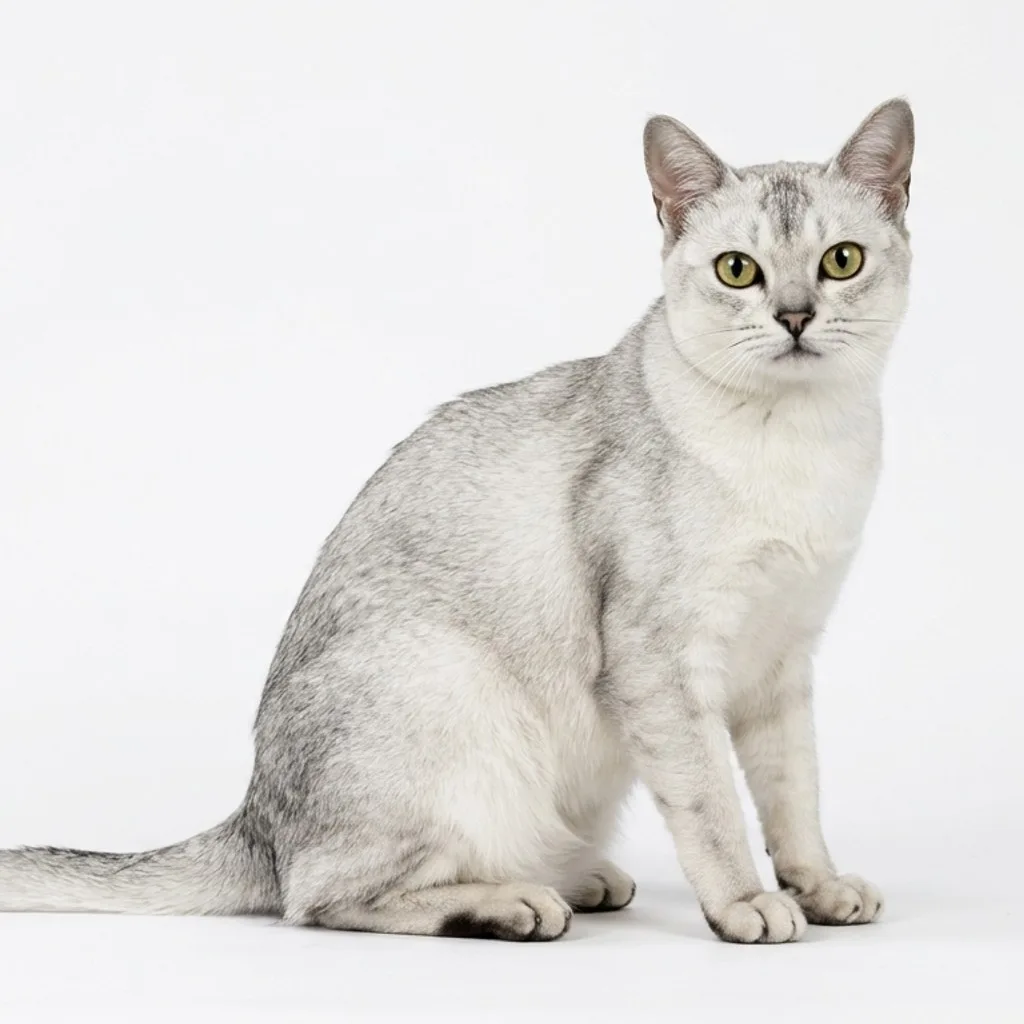
Burmese

The Burmese is a social, affectionate, playful cat that often wants to be part of every household activity. In New Zealand it suits owners who can provide company, warm indoor living, weight control, and safe enrichment.

Apartment FriendlyHouse with SectionRural / FarmSouth Island ReadyAuckland Climate Friendly

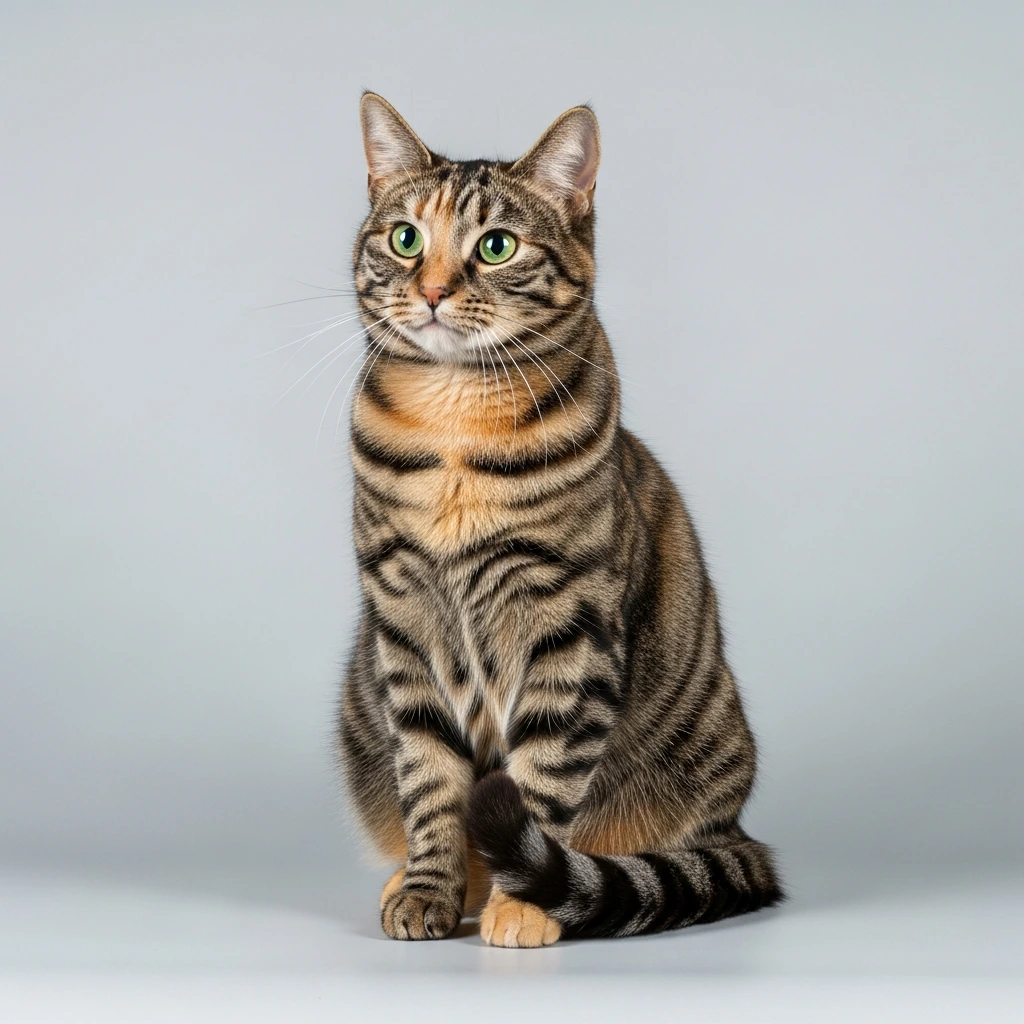
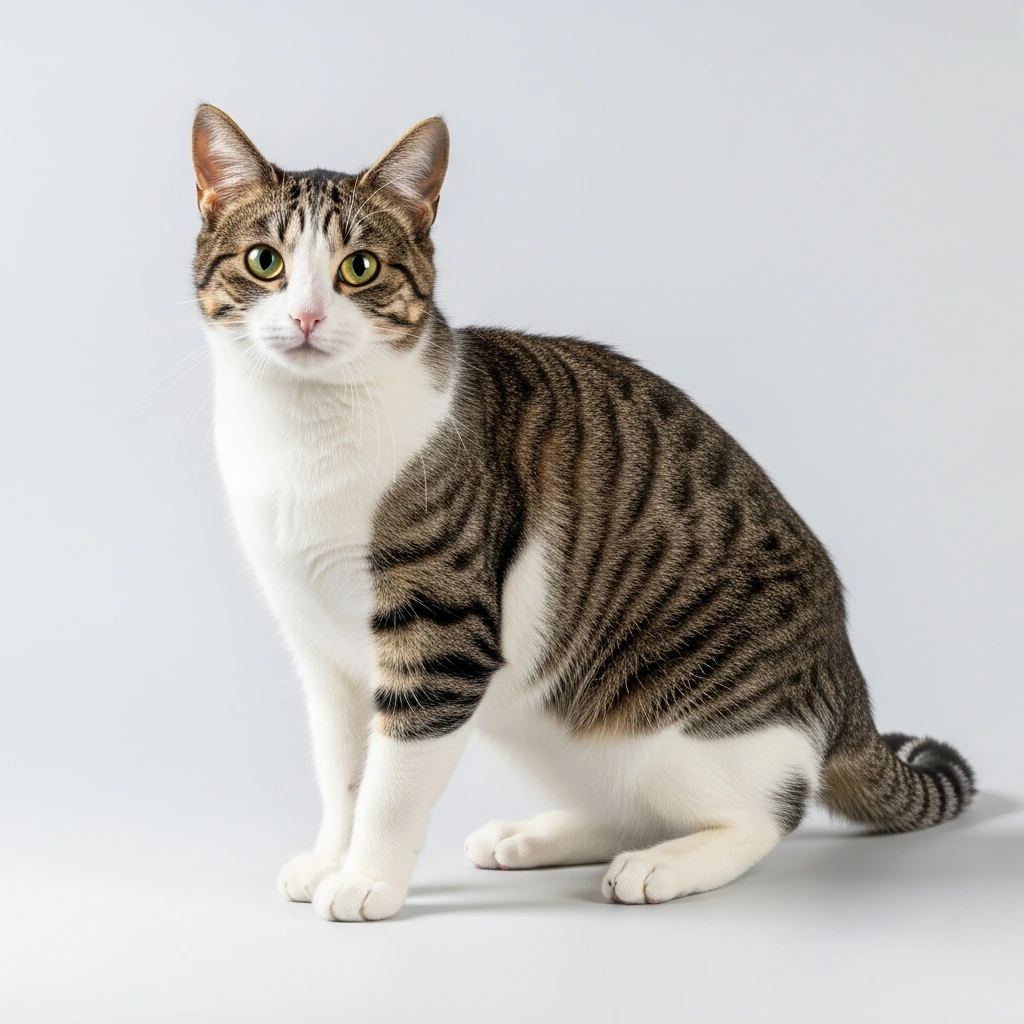
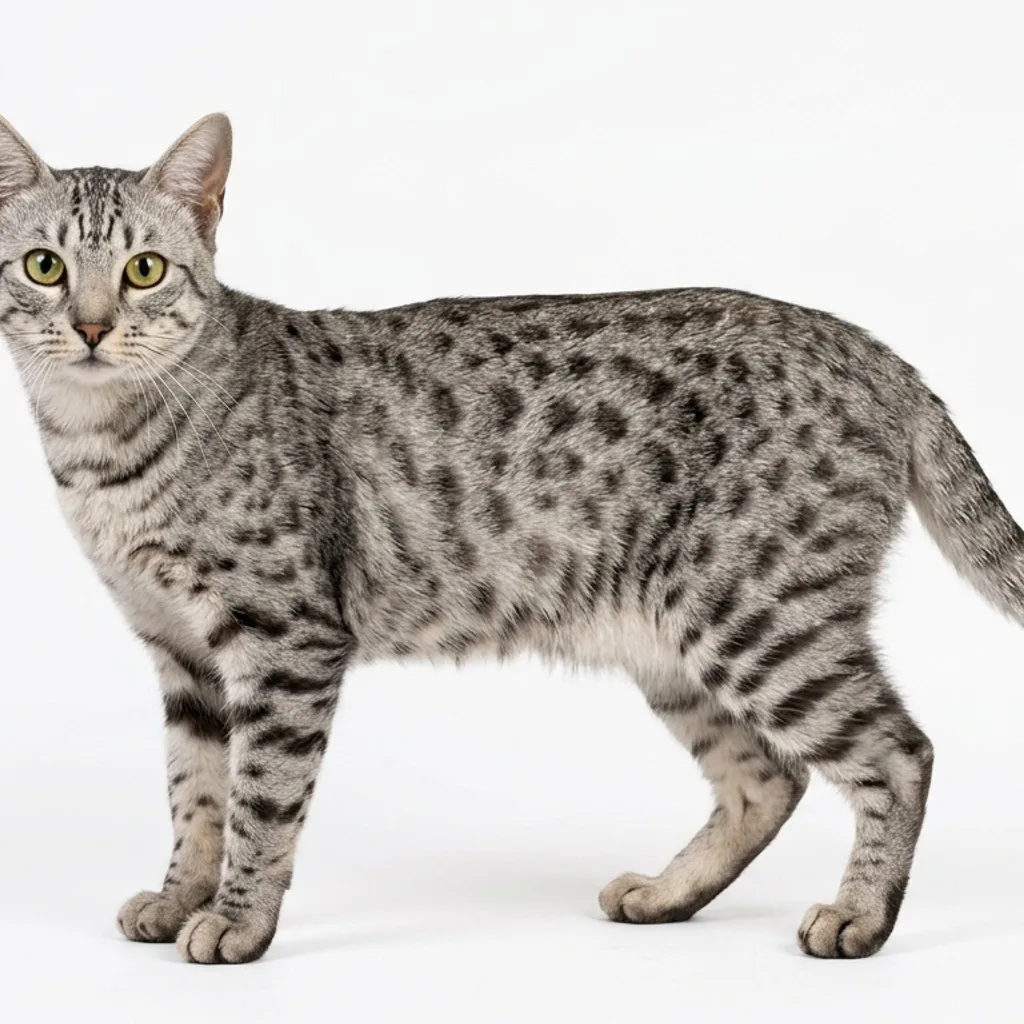
Photo Gallery

Breed Snapshot

Size
3 - 6 kg
Lifespan
14 - 18 years
Origin
Southeast Asian-origin pedigree developed into modern Burmese lines, present in New Zealand through registered breeders.
Temperament
Affectionate, social, playful, people-focused, confident, and often vocal.
NZ Price
Varies by breeder, pedigree, age, and availability in New Zealand; verify current NZ breeder or adoption listings before quoting a purchase price.
Annual Vet Cost
$500-$1,500+ NZD per year for routine care, parasite control, vaccination, dental planning, and unexpected illness; senior or chronic-care costs can be higher.

Personality Scores

Friendliness4/5
Trainability4/5
Energy4/5
Grooming1/5
Health Risk3/5
Apartment4/5
With Kids4/5
With Pets3/5

NZ Lifestyle Fit

The Burmese cat's adaptable and people-oriented nature makes them highly suitable for various New Zealand living situations. For an apartment in Auckland, they are an excellent choice, provided their human companions are home often for interaction and play. Their indoor preference helps manage Auckland's humid summers, though cool spots and fresh water are still essential. For a house with a section, a secure, escape-proof catio or supervised outdoor time is ideal, allowing them to enjoy the fresh air safely without the risks of traffic or wildlife. They are not well-suited for rural NZ farm life, as their strong bond with humans means they are not independent hunters and are vulnerable to larger predators or farm machinery. In the South Island's cold winters, a warm indoor environment is crucial for their comfort. New Zealand's high UV levels necessitate indoor living or shaded outdoor access to prevent sunburn. There are no specific MPI (Ministry for Primary Industries) restrictions on owning Burmese cats in New Zealand.

Overview

The Burmese is a social, affectionate, playful cat that often wants to be part of every household activity. In New Zealand it suits owners who can provide company, warm indoor living, weight control, and safe enrichment.

NZ ownership fit

Good for interactive homes and apartments, but not ideal if the cat will be alone for long days without enrichment or another compatible companion.

Care priorities

Focus on safe containment, microchip registration, body condition, dental care, grooming, enrichment, litter hygiene, and early vet advice when routines change.

Fun Facts

Fact 1

Burmese is listed as a cat breed on New Zealand Cat Fancy breed resources when NZCF has an active listing for it.

Fact 2

Pedigree cats still need individual assessment; breed is not a guarantee of personality.

Fact 3

Many cat health issues are easier to manage when owners notice small changes early.

Fact 4

A catio can give a cat fresh air while reducing traffic and wildlife risk.

Fact 5

Senior cats often hide pain, dental discomfort, or arthritis until routines change.

Related Breeds
PetMall Editorial Desk

Reviewed and curated for practical, vet-informed guidance

Every guide is edited into a consistent house style so readers can scan quickly, compare recommendations, and understand where general education stops and personal veterinary advice begins.

Updated
Recently updated
Positioning
Evidence-based pet care for NZ households

Structured Guide

Life Stage Care

Scan the most important priorities for each stage so readers can adapt routine, home setup, and monitoring as this profile matures.

Kitten · 8 weeks to 12 months

Burmese kittens need a quiet settling room, gradual diet transition, gentle handling, litter confidence, early grooming practice, and safe indoor routines before outdoor decisions are made.

  • Use a secure carrier for travel and open it only once the kitten is inside a prepared room.
  • Keep the previous food at first and transition gradually to avoid stomach upsets.
  • Practise brushing, claw checks, tooth brushing, carrier games, and vet-style handling early.
  • Discuss vaccination, parasite control, microchipping, desexing timing, and insurance with your vet.
  • Use toys, climbing, scratching posts, hiding places, and predictable rest rather than rough hand play.

Adult · 1 to 8 years

Adult Burmese care should focus on body condition, enrichment, dental care, safe outdoor choices, and a routine that fits the cat's energy and social needs.

  • Measure food and review body condition regularly; many indoor cats gain weight before owners notice.
  • Provide vertical space, scratching, puzzle feeding, scent games, play, and resting places.
  • Keep microchip registration details current so the cat can be identified if lost.
  • Use safe containment such as indoor enrichment, a catio, cat-proof fencing, night curfews, or supervised outdoor time.
  • Watch for changes in appetite, drinking, toileting, coat condition, hiding, or activity.

Senior · 8 years and older

Senior Burmese cats need closer monitoring because common ageing changes can hide treatable disease or pain.

  • MPI's companion cat guidance treats cats over 8 years as older cats and recommends more frequent veterinary checks.
  • Monitor weight, appetite, drinking, urination, dental comfort, coat condition, mobility, jumping, and grooming habits.
  • Add ramps, low-entry litter trays, warm bedding, and easier access to food, water, and favourite resting places.
  • Keep claws trimmed if they become overgrown, especially for indoor or older cats.
  • Ask your vet about kidney, thyroid, diabetes, dental, arthritis, heart, and cancer screening where appropriate.

NZ Specific Tips

New Zealand Care Notes

These local notes translate general breed guidance into climate, housing, and routine realities for New Zealand households.

Safety

Plan safe outdoor access in New Zealand

Cats can be kept happy at home with indoor enrichment, catios, cat-proof fencing, night curfews, or supervised outdoor time. This protects the cat from traffic, fights, and getting lost while reducing wildlife impact.

Identification

Microchip and keep registration current

NZCAR data highlights that microchip registration helps lost pets get home, especially when time passes. Keep phone, address, and ownership details up to date after moving or rehoming.

Grooming

Use grooming as a health check

Short coats still need claw checks, flea control, dental care, and grooming checks because poor self-grooming can be an early sign of illness.

Housing

Match enrichment to the cat, not just the breed label

Burmese care should include scratching, climbing, hiding, play, feeding enrichment, and quiet rest. Energy level, age, and personality matter more than breed stereotypes.

Vet Care

Senior changes should not be dismissed as normal ageing

For cats over 8 years, changes in weight, thirst, appetite, urination, grooming, jumping, or behaviour deserve a vet conversation. Many common senior-cat problems are easier to manage when found early.

Owner Questions

Common Questions

Is the Burmese a good indoor cat in New Zealand?+

Good for interactive homes and apartments, but not ideal if the cat will be alone for long days without enrichment or another compatible companion. Indoor life works best when the cat has climbing space, scratching, play, hiding places, sunlight or safe window viewing, and predictable human interaction.

How much grooming does a Burmese need?+

Low coat grooming, but not no care. Check claws, teeth, weight, fleas, coat shine, and grooming behaviour regularly.

What health issues should Burmese owners watch for?+

Owner awareness should include Dental disease, obesity, diabetes risk discussion, craniofacial or inherited-condition questions in some lines, and stress if left alone too much.. This is not a diagnosis list; use it to guide breeder questions, adoption checks, and vet conversations.

Can a Burmese live in an apartment?+

Often yes, if the household provides enrichment, litter hygiene, scratching posts, vertical space, and safe window or catio access.

Should I buy from a breeder or adopt a Burmese?+

If buying a pedigree kitten, use a registered breeder, ask about health testing, vaccination records, desexing contracts, diet sheets, and whether the kitten is ready to leave. Adoption can also be a good option when available.

What is the most important NZ-specific care point for a Burmese?+

Combine identification with safe containment: microchip and register the cat, then choose an indoor, catio, fenced, night-curfew, or supervised outdoor routine that protects both the cat and local wildlife.

How big does a Burmese get and how long do they live?+

The Burmese is a 3 - 6 kg cat breed, typically living 14 - 18 years. Size affects food, equipment and exercise needs, so plan space and budget accordingly.

Are Burmeses good with children?+

In our breed profile the Burmese scores 4/5 for getting on with children — generally very good with kids. Always supervise young children with any cat and teach gentle, respectful handling.

Care Guides

Related Care Guides

Useful reading for NZ owners of this species.

Tools

Helpful Tools

Free interactive tools for NZ owners.

petmall.co.nz

Shop at PetMall

The products below are practical support items for your pet. PetMall ships across New Zealand.

Important Note

Information on PetMall is for education only and does not replace an in-person assessment by a veterinarian. If your pet is unwell, in pain, rapidly deteriorating, or you are unsure whether something is urgent, contact your local veterinary clinic promptly.