Cat Breed Guide NZ
Egyptian Mau
Meet the Egyptian Mau, the fastest domestic cat, a true marvel of feline athleticism and grace. These stunning spotted beauties are renowned for their unique chirruping voice and captivating gooseberry green eyes. Loyal, intelligent, and incredibly playful, Maus form deep bonds with their families, thriving on interaction and mental stimulation. Their agile nature and love for games make them endlessly entertaining companions. For a Kiwi household, the Egyptian Mau offers a blend of ancient mystique and affectionate companionship, fitting well into homes that appreciate an active, engaged feline friend, whether it's a secure suburban section or a spacious, enriched apartment.
Photo Gallery
Breed Snapshot
- Size
- 3 - 6 kg
- Lifespan
- 18 - 20 years
- Origin
- Being enriched
- Temperament
- Agile, Dependent, Gentle, Intelligent, Lively, Loyal, Playful
- NZ Price
- $1,500 - $3,500 NZD from registered breeders; $150-$350 NZD adoption via SPCA (rarely available)
- Annual Vet Cost
- Estimated annual vet costs for an Egyptian Mau in New Zealand typically range from $300 - $600 NZD for routine check-ups, vaccinations, and parasite control. While generally a healthy breed with a long lifespan, some lines may be predisposed to conditions such as Pyruvate Kinase Deficiency (PKD), which can cause anaemia, and Hypertrophic Cardiomyopathy (HCM), a heart condition common in many cat breeds. Regular veterinary screenings, especially for HCM, can add to these costs. Ensuring a high-quality diet and a stimulating environment can contribute significantly to their overall health and potentially reduce unexpected vet bills.
Personality Scores
NZ Lifestyle Fit
The Egyptian Mau's adaptable nature makes them suitable for various New Zealand living situations, provided their needs for activity and companionship are met. For an apartment in Auckland, a Mau can thrive if given ample vertical space for climbing, regular interactive playtime, and a variety of puzzle toys to stimulate their intelligent minds. During Auckland's humid summers, ensure they have access to cool, shaded areas and fresh water. For a house with a section, a secure catio or fully enclosed outdoor run is highly recommended. This allows them to safely indulge their natural hunting instincts and enjoy the fresh air without posing a risk to native birds or encountering hazards like cars. In rural NZ farm settings, while their hunting prowess might seem beneficial, the risks from vehicles, larger predators, and exposure to diseases are significantly higher. It's generally advised to keep Maus indoors or in secure enclosures in such environments. For South Island's colder winters, a warm, insulated indoor space is crucial. High UV in NZ means lighter-coated Maus should have shaded outdoor access. MPI has no specific restrictions on cat breeds in New Zealand.
Origins & History
The Egyptian Mau is a truly ancient breed, with its lineage believed to trace back to the cats depicted in the art and mythology of ancient Egypt. Evidence suggests these spotted felines were revered companions to pharaohs and gods alike, playing a significant role in Egyptian culture. Unlike many modern breeds developed through selective breeding programmes, the Mau is considered a naturally occurring breed, with its distinctive spotted coat evolving organically. The breed's journey to modern recognition began in the mid-20th century, with significant efforts made by Russian Princess Nathalie Troubetzkoy to establish and promote the breed in Europe and later North America. Today, the Egyptian Mau remains a living link to the past, carrying the elegance and mystique of its ancient ancestors.
Appearance
The Egyptian Mau is instantly recognisable by its striking spotted coat, a feature unique among naturally occurring domestic cat breeds. These spots are not tabby markings but true spots, varying in size and shape, and are found on the coat, skin, and even the paws. Their coat comes in several recognised colours, including silver, bronze, and smoke, all with distinct spotting. Maus possess a graceful, medium-sized, and muscular body, built for speed and agility – a testament to their title as the fastest domestic cat. Their hind legs are slightly longer than their front, contributing to their distinctive 'tiptoe' gait. Other key features include large, almond-shaped gooseberry green eyes (though amber is seen in kittens), and a distinctive 'M' or 'scarab beetle' marking on their forehead, often accompanied by 'mascara' lines extending from the eyes. Their short, fine coat is easy to maintain, adding to their sleek appearance.
Temperament & Personality
Egyptian Maus are celebrated for their engaging and affectionate personalities. They are highly intelligent, agile, and incredibly playful, often retaining a kitten-like exuberance well into adulthood. Maus are deeply loyal and can be quite dependent on their human companions, often following them from room to room and seeking out attention. They are known for their unique 'chirruping' vocalisation, a soft, trilling sound used to communicate happiness or to greet their favourite people. While generally gentle and good-natured, they can be shy around strangers and prefer a calm, consistent environment. Their intelligence means they thrive on mental stimulation, enjoying puzzle toys and interactive play. They are excellent hunters, even indoors, and their natural curiosity keeps them engaged with their surroundings.
Life in New Zealand
Bringing an Egyptian Mau into a New Zealand home means providing an environment that caters to their active and intelligent nature. Their short coat makes them adaptable to various climates, though they will appreciate a warm, cosy spot during cooler South Island winters and a cool, shaded retreat during Auckland's humid summers. Due to their strong hunting instincts and value, it's often recommended to keep Maus as indoor-only cats or provide them with a secure outdoor 'catio' to protect them from traffic, other animals, and to safeguard native wildlife. Their need for mental and physical activity means a Kiwi home with plenty of interactive toys, climbing structures, and dedicated playtime will see them thrive. They are well-suited to families who can provide consistent companionship and engagement.
Is This the Right Breed for You?
The Egyptian Mau is an ideal companion for individuals or families who are prepared to offer a high level of interaction and mental stimulation. If you're looking for a cat that will greet you at the door, engage in playful antics, and form a deep, loyal bond, the Mau could be your perfect match. Their intelligence and agility mean they require more than just food and shelter; they need active play sessions and enrichment to prevent boredom. While generally good with children and other pets, early socialisation is key. If you appreciate a cat with a rich history, a striking appearance, and a personality as vibrant as its spots, the Egyptian Mau will undoubtedly enrich your life in New Zealand.
Fun Facts
Fact 1
The Egyptian Mau is the only naturally spotted domestic cat breed.
Fact 2
They are considered the fastest domestic cat, capable of reaching speeds of up to 48 km/h.
Fact 3
Maus have a unique 'chirruping' vocalisation, distinct from a typical meow, used to express happiness or greet their owners.
Fact 4
Their eyes are a distinctive 'gooseberry green' in adulthood, though kittens may have amber eyes.
Fact 5
Many Maus display a 'worry line' expression on their face and a unique 'tiptoe' gait due to their longer hind legs.
Related Breeds
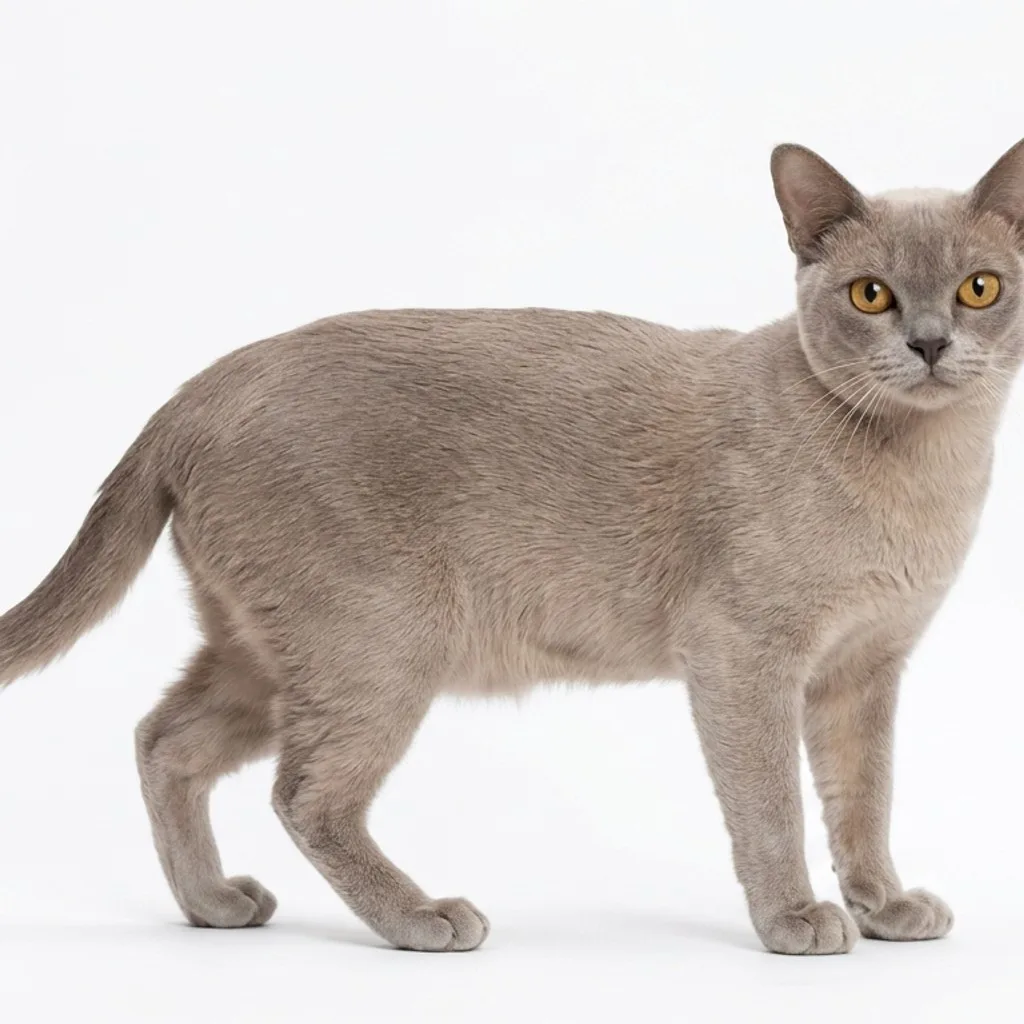
Burmese
The Burmese is a social, affectionate, playful cat that often wants to be part of every household activity. In New Zealand it suits owners who can provide company, warm indoor living, weight control, and safe enrichment.
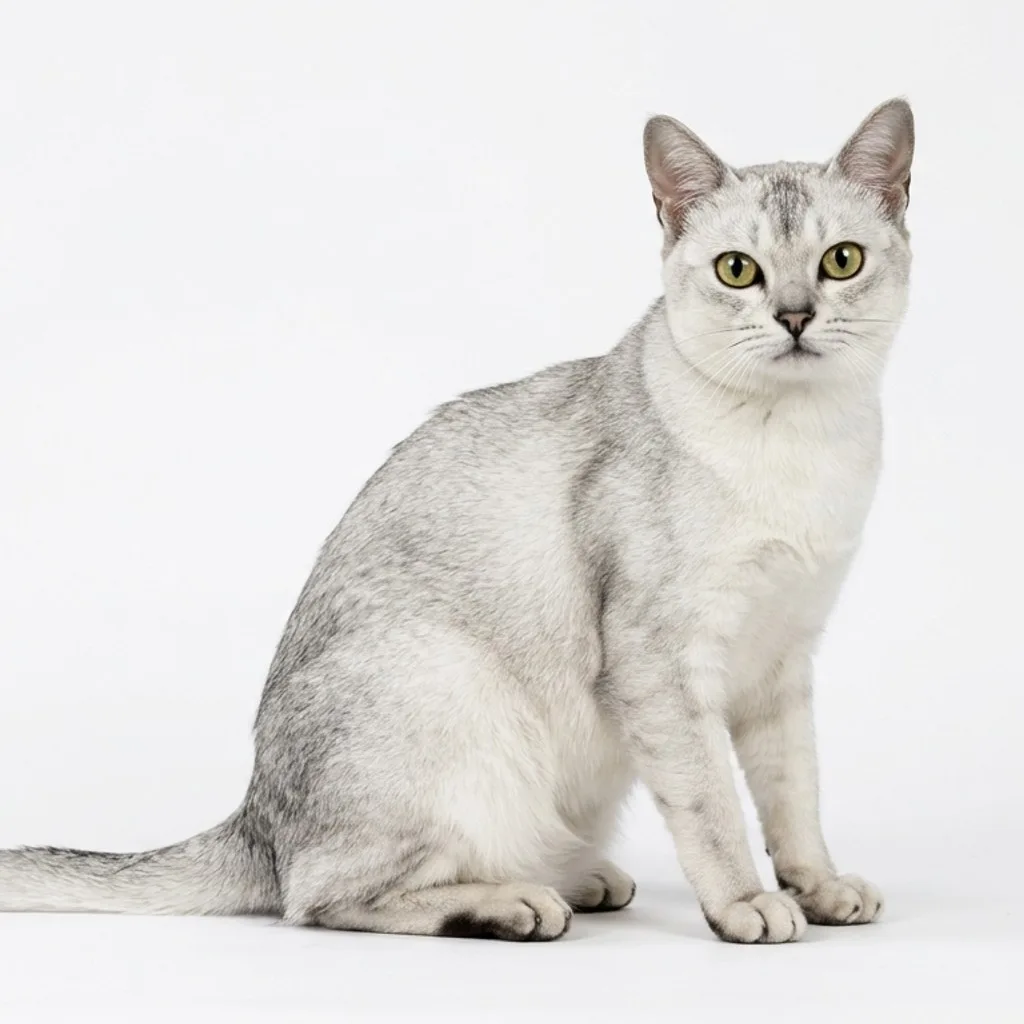
Burmilla
A cross between Burmese and Chinchilla Persian. Burmillas are elegant, social, and more relaxed than the Burmese, known for their stunning silver coat.
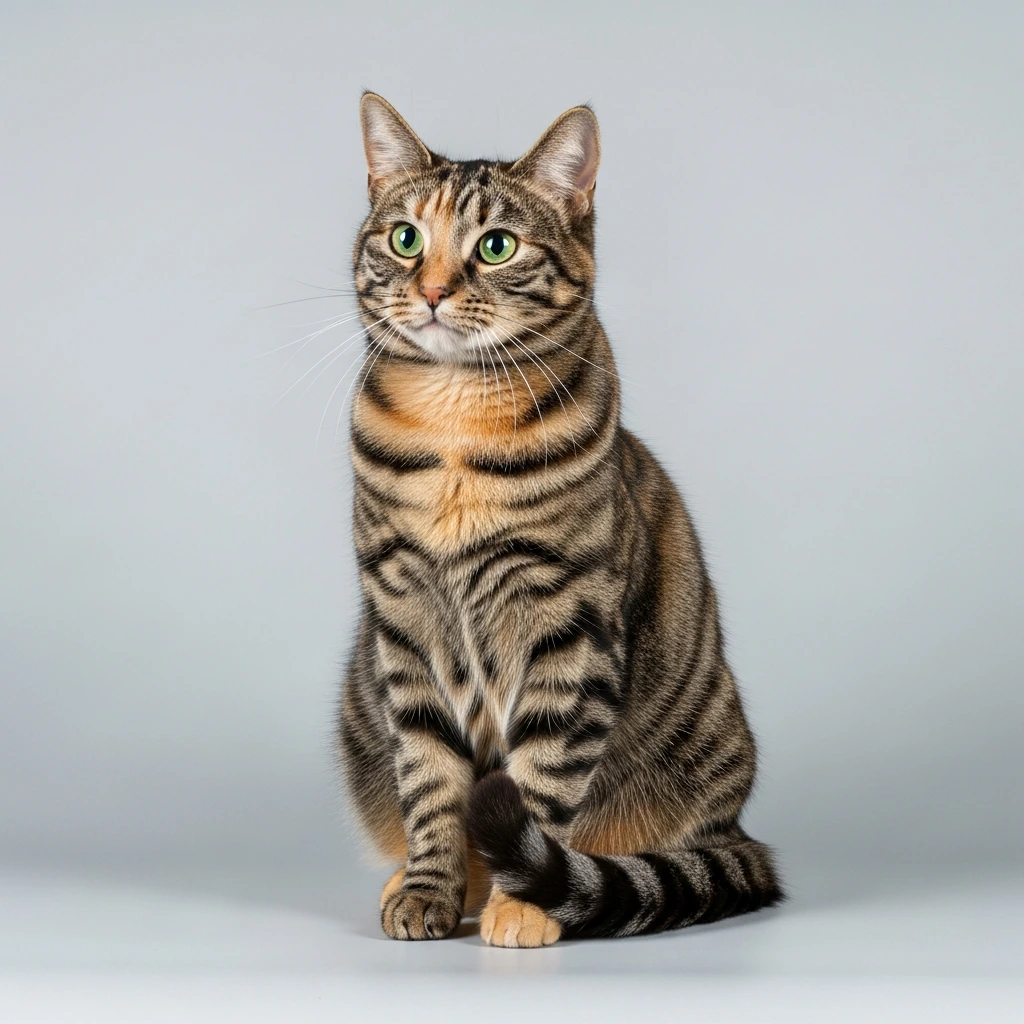
Domestic Mediumhair
The Domestic Mediumhair is a mixed-ancestry companion cat with a coat longer than a shorthair but usually less demanding than a full longhair. It is a practical NZ adoption category and should be judged by personality, health, coat care, and lifestyle fit rather than breed mythology.
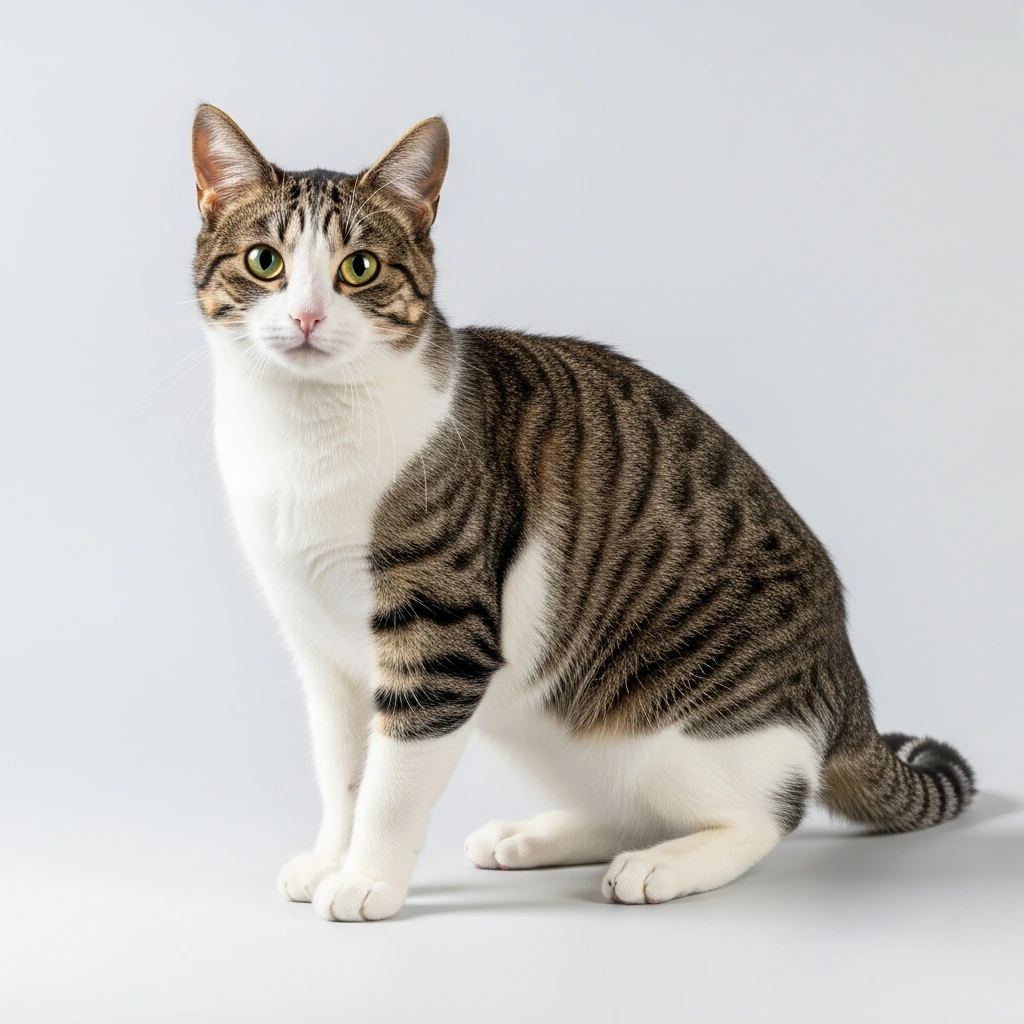
Domestic Shorthair
The Domestic Shorthair is the everyday Kiwi cat: a non-pedigree, short-coated companion with huge variation in colour, personality, and lifestyle. It is often healthier and more adaptable than highly selected breeds, but it still needs microchipping, desexing, parasite control, dental care, enrichment, and a safe indoor/outdoor plan.