Cat Breed Guide NZ
Savannah
The Savannah cat, a captivating cross between a domestic cat and the wild African Serval, is a truly unique companion. Known for their striking wild appearance, complete with distinctive spots and large ears, these athletic felines bring an adventurous spirit to any home. Savannahs are highly intelligent, curious, and possess an outgoing personality, forming strong bonds with their owners. Their high energy levels and need for engaging enrichment mean they thrive in active households with plenty of space to explore and play. For Kiwis seeking an intelligent, loyal, and visually stunning cat that offers endless entertainment, the Savannah can be a wonderful, albeit demanding, addition to a dedicated home.
Photo Gallery
Breed Snapshot
- Size
- 4 - 11 kg
- Lifespan
- 17 - 20 years
- Origin
- Being enriched
- Temperament
- Curious, Social, Intelligent, Loyal, Outgoing, Adventurous, Affectionate
- NZ Price
- $3,000 - $15,000 NZD from registered breeders; adoption via SPCA is extremely rare for this breed.
- Annual Vet Cost
- Estimated annual vet costs for a Savannah in NZ typically range from $400 - $800 NZD for routine care, including vaccinations, flea/worm treatments, and annual check-ups. However, this can increase significantly if breed-specific health issues arise. While generally robust, Savannahs can sometimes have sensitive digestive systems, requiring specific diets or veterinary attention. Some individuals may also have unique anaesthetic requirements due to their Serval heritage, making pre-anaesthetic blood work and careful monitoring crucial, potentially increasing costs for surgeries or dental procedures. Early generations (F1-F3) may also have fertility issues or require specialised care, impacting overall vet expenses.
Personality Scores
NZ Lifestyle Fit
The Savannah cat's suitability for various New Zealand living situations depends heavily on its energy levels and need for space. An apartment in Auckland, while potentially offering a stimulating indoor environment with plenty of vertical space, would generally be unsuitable due to their high energy and need for extensive room to roam. They require more than just a flat. A house with a good-sized, securely fenced section is a much better fit, allowing for a safe outdoor catio or supervised exploration. Rural NZ farm settings could be ideal, provided the cat is contained to prevent interaction with native wildlife, a significant concern for MPI. Owners must be vigilant about securing their property. Auckland's humid summers are manageable for Savannahs, but access to cool, shaded areas is essential. South Island's cold winters necessitate warm indoor access. High UV levels across NZ mean outdoor access should always include shade. MPI has strict regulations regarding hybrid cats, particularly earlier generations (F1-F4). Owners must ensure their Savannah complies with all import and ownership laws, as some generations may be considered exotic animals or require specific permits.
The Savannah cat, a truly remarkable feline, is a hybrid breed developed by crossing a domestic cat with a Serval, a medium-sized wild African cat. This unique lineage results in a cat with a striking wild appearance, exceptional athleticism, and an intelligent, adventurous personality. Savannahs are not for the faint of heart; they require a dedicated owner who understands their specific needs for space, mental stimulation, and social interaction.
Origins & History
The Savannah breed originated in the United States in the 1980s, with the first recorded cross between a male Serval and a female domestic cat (a Siamese) in 1986. This initial breeding was performed by Judee Frank. The goal was to create a domestic cat with the exotic beauty and presence of a Serval, but with a more manageable temperament suitable for a pet. Early generations (F1, F2, F3) are closer to their Serval ancestors, exhibiting more pronounced wild traits and often larger sizes. Subsequent generations become more domesticated, though the breed retains its distinctive look and energetic nature. The breed gained recognition from The International Cat Association (TICA) in 2001 and was accepted as a championship breed in 2012, solidifying its place in the world of domestic cats.
Appearance
Savannahs are renowned for their exotic, wild appearance. They are typically tall and slender, with long legs, a long neck, and a relatively small head. Their most striking features are their large, upright ears, often with ocelli (light spots on the back of the ears), and their distinctive spotted coat. The coat pattern is typically black or brown spots on a lighter background, ranging from golden to silver, reminiscent of their Serval heritage. Their eyes are often bright and expressive, ranging in colour from green to gold. Savannahs vary significantly in size depending on their filial generation (F1, F2, etc.), with earlier generations being considerably larger and heavier, often weighing between 4 and 11 kg, and standing quite tall. Later generations tend to be closer in size to a large domestic cat.
Temperament & Personality
Savannahs are known for their curious, social, and highly intelligent nature. They are outgoing and adventurous, often described as having a dog-like personality due to their loyalty and tendency to follow their owners around the house. They can be very affectionate with their chosen family members, enjoying interactive play, cuddles, and even leash walks. Their intelligence means they are quick learners, but also require significant mental stimulation to prevent boredom, which can lead to destructive behaviours. They possess a strong prey drive and an innate curiosity, often exploring every nook and cranny of their environment. Savannahs are known for their impressive jumping ability and love to climb, often seeking out high vantage points. They can be vocal, using a variety of chirps, meows, and even some Serval-like sounds.
Life in New Zealand
Bringing a Savannah into a New Zealand home requires careful consideration. Their high energy and need for space mean they thrive in environments where they can explore safely. A secure outdoor 'catio' or a large, fenced section is ideal to allow them safe outdoor access without posing a risk to native wildlife or escaping. Due to their intelligence and adventurous spirit, they adapt well to interactive indoor environments, provided they have plenty of climbing structures, puzzle toys, and daily dedicated play sessions. New Zealand's varied climate, from Auckland's humid summers to the South Island's cold winters, means owners must ensure appropriate shelter and temperature control. Their short coat generally handles temperature variations well, but extreme cold requires indoor access. It's crucial to be aware of MPI (Ministry for Primary Industries) regulations regarding hybrid cats, especially earlier generations, as there may be specific import and ownership requirements.
Is This the Right Breed for You?
The Savannah cat is an extraordinary pet, but not suitable for every household. They demand a significant commitment of time, energy, and resources. Ideal owners are active, experienced cat owners who can provide ample space, consistent training, and daily mental and physical enrichment. They thrive in homes where they are not left alone for extended periods and where their unique personality and needs are understood and embraced. If you're looking for a low-maintenance lap cat, the Savannah is likely not the right choice. However, for those prepared for the challenge, a Savannah offers an incredibly rewarding and engaging companionship, bringing a touch of the wild into a loving Kiwi home.
Fun Facts
Fact 1
Savannah cats are known for their impressive jumping ability, often leaping up to 2.5 metres (8 feet) vertically from a standing position.
Fact 2
They are one of the few cat breeds that genuinely enjoy playing in water and may even join their owners in the shower or bath.
Fact 3
Savannahs often develop strong, dog-like loyalties to their owners, following them around the house and greeting them at the door.
Fact 4
Their distinctive 'ocelli' (light spots on the back of their ears) are thought to mimic eyes, potentially deterring predators in the wild.
Fact 5
Unlike most domestic cats, Savannahs can be taught to walk on a leash and harness, enjoying outdoor adventures with their human companions.
Related Breeds
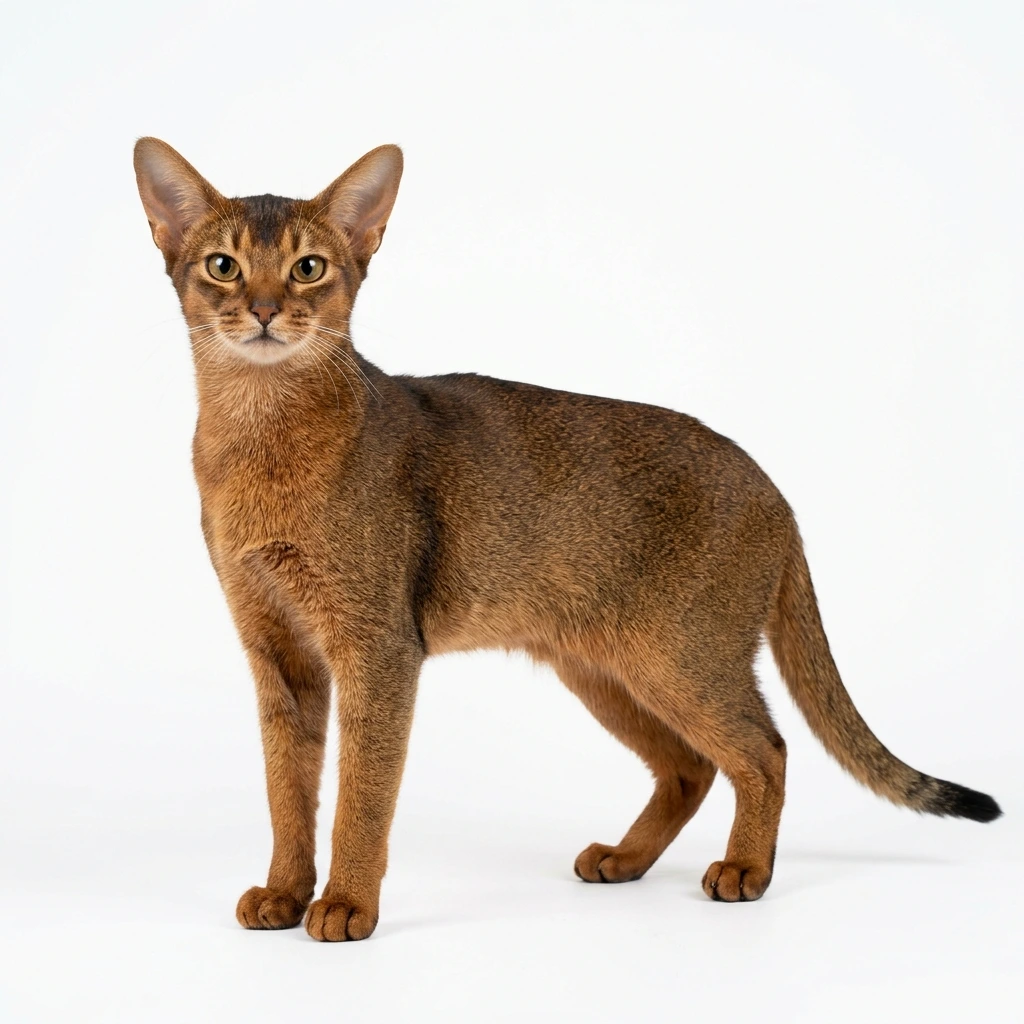
Abyssinian
The Abyssinian is a highly intelligent, active, and curious athlete. Known as the 'clowns of the cat world,' they love vertical space and being in the centre of family action. They are perfect for active Kiwi households that enjoy interactive pets.
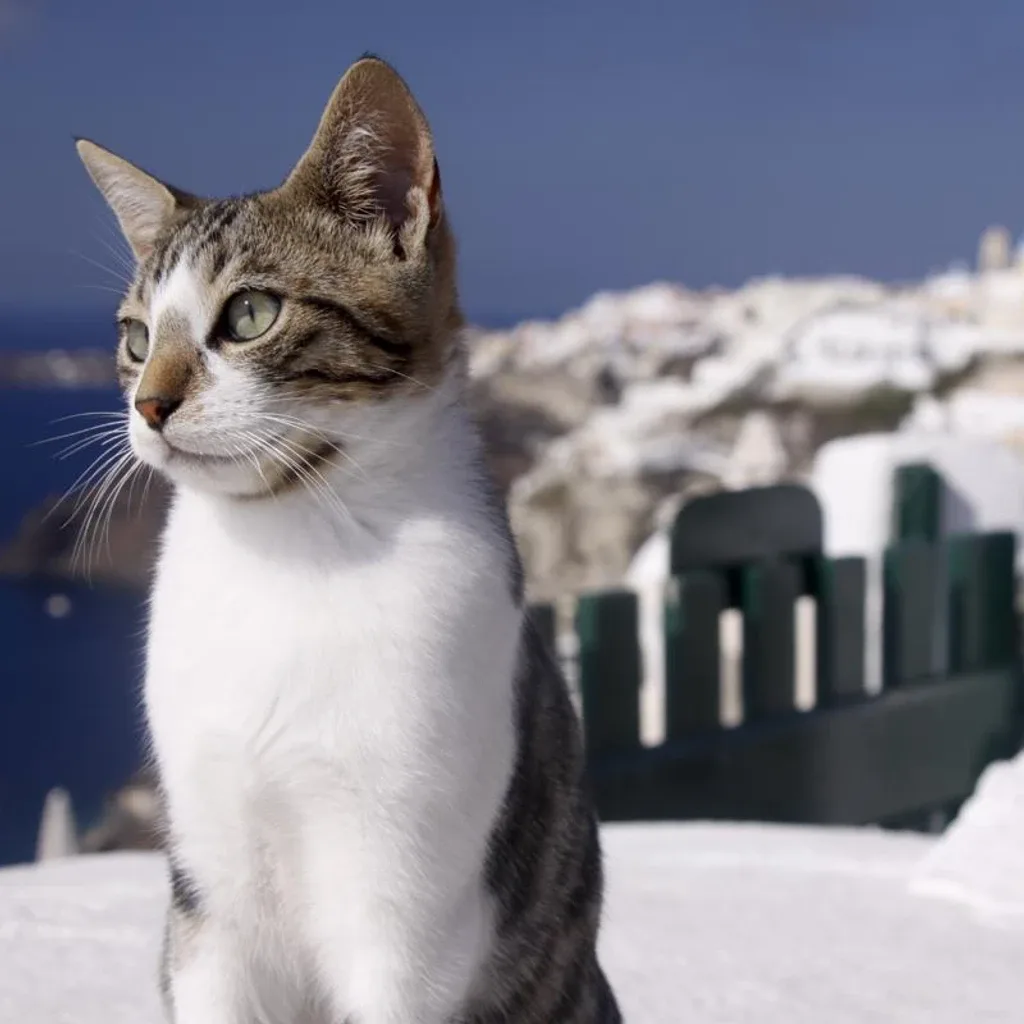
Aegean
A rare, natural breed from Greece, Aegeans are sturdy, social, and adaptable. They are famous for their love of water and their balanced, communicative nature.
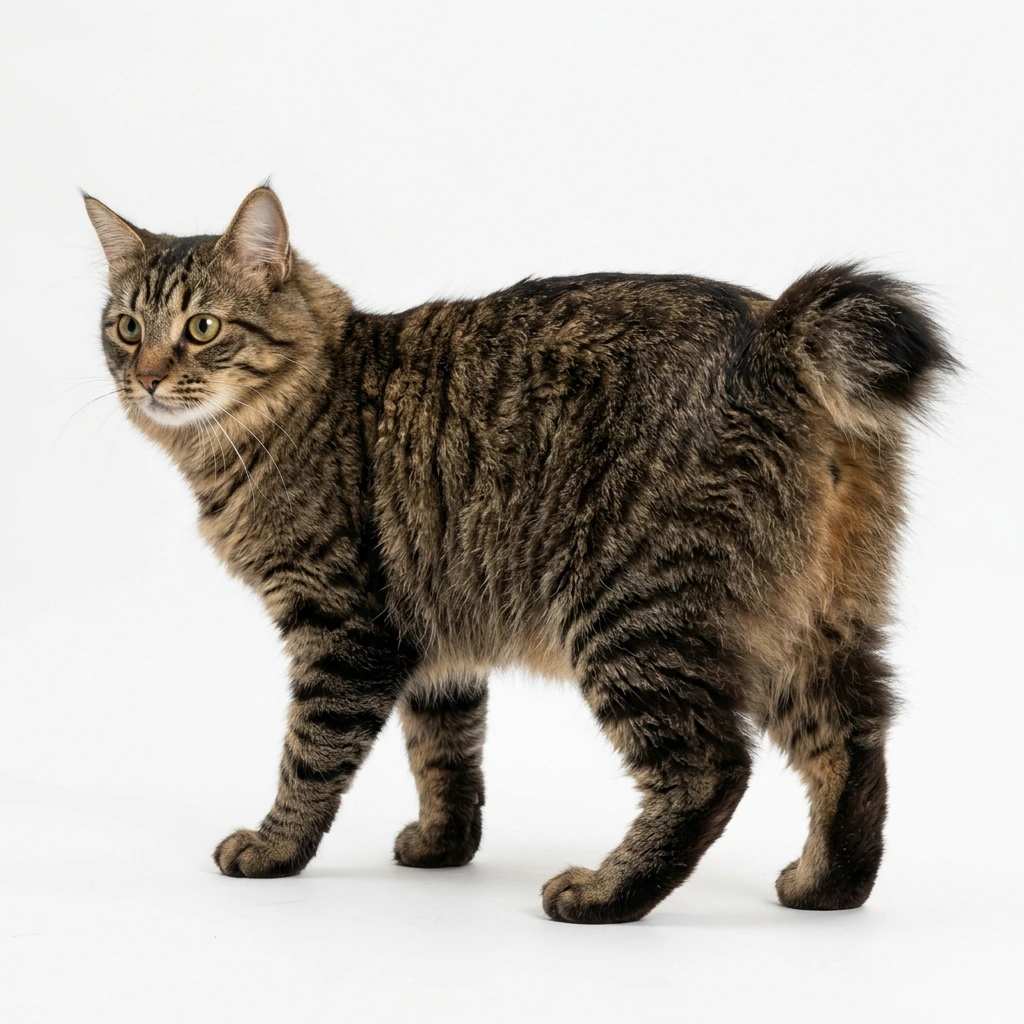
American Bobtail
With a wild look and a loyal 'dog-like' personality, the American Bobtail is a highly adaptable companion that often enjoys walking on a harness.
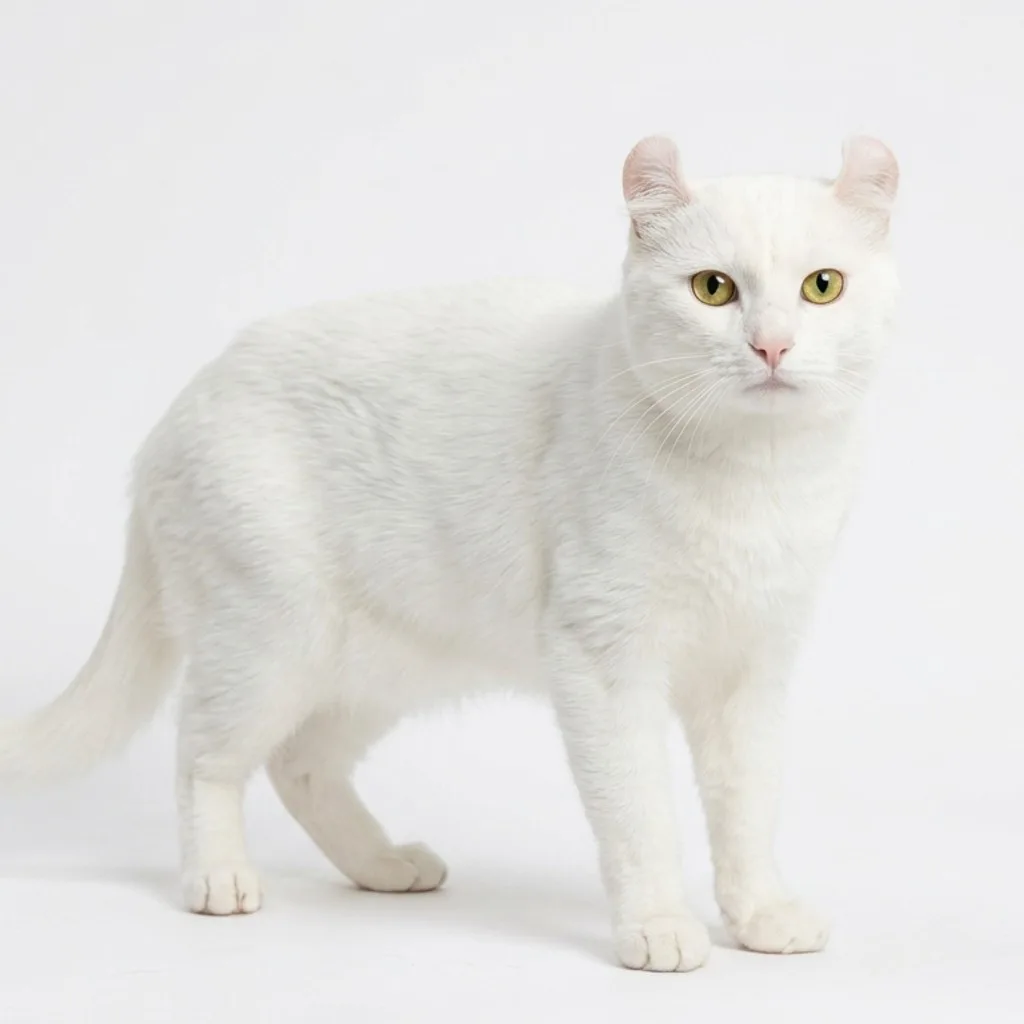
American Curl
Famous for their unique backward-curling ears, the American Curl is an affectionate, 'Peter Pan' breed that stays kitten-like well into adulthood.