Cat Breed Guide NZ
Pixie-bob
The Pixie-bob is a truly unique feline companion, deliberately bred to embody the rugged charm of a wild bobcat. With their distinctive short tail, muscular build, and often polydactyl paws (extra toes), they stand out from the crowd. Beyond their striking appearance, Pixie-bobs are renowned for their 'dog-like' personalities – loyal, affectionate, and highly social, they thrive on being an integral part of the family. They're intelligent and adaptable, making them excellent companions for a variety of Kiwi households, whether you're living in a bustling city flat or a spacious home with a backyard. Their laid-back nature combined with an eagerness to be involved makes them a delightful addition to any New Zealand home.
Photo Gallery
Breed Snapshot
- Size
- 4 - 8 kg
- Lifespan
- 13 - 16 years
- Origin
- Being enriched
- Temperament
- Affectionate, Social, Intelligent, Loyal
- NZ Price
- $1,500 - $4,000 NZD from registered breeders; $150-$350 NZD adoption via SPCA (rarely available)
- Annual Vet Cost
- Estimated annual vet costs for a Pixie-bob in New Zealand typically range from $300 - $600 NZD for routine care (annual check-ups, vaccinations, flea/worming treatments). This breed is generally healthy, but some lines may be predisposed to Hypertrophic Cardiomyopathy (HCM) or cryptorchidism. Factor in an additional $200 - $500 NZD annually for potential unexpected health issues or specialised care if a breed-specific condition arises, bringing the total estimated annual cost to $500 - $1,100 NZD.
Personality Scores
NZ Lifestyle Fit
The Pixie-bob's adaptable nature makes them suitable for various New Zealand living situations. For an apartment in Auckland, they can thrive if provided with ample indoor enrichment, interactive toys, and consistent playtime. Their moderate energy means they don't necessarily need a large section, but a secure catio or supervised leash walks can greatly enhance their well-being. Homes with a section offer more space for exploration and play, which they will appreciate. In rural NZ farm settings, caution is advised; while they might enjoy the space, ensuring their safety from vehicles, farm machinery, and other animals is paramount. Their 'wild' appearance can sometimes lead to misunderstandings, so secure containment is always recommended. Auckland's humid summers are generally fine for them, but ensure access to cool, shaded areas and fresh water. For South Island's cold winters, their dense coat provides some insulation, but indoor access and warm sleeping spots are essential. New Zealand's high UV levels mean indoor time during peak sun hours is wise, especially for lighter-coated cats, to prevent sunburn. There are no specific MPI restrictions on owning Pixie-bob cats in New Zealand.
Origins & History
The Pixie-bob cat breed has a fascinating, relatively recent history, originating in the United States in the 1980s. Unlike many breeds that evolved naturally, the Pixie-bob was intentionally developed by breeder Carol Ann Brewer in Washington State. Her vision was to create a domestic cat that possessed the wild, untamed look of the North American bobcat, but with the gentle, affectionate temperament of a house cat. The foundation cat, named Pixie, was born in 1985 and became instrumental in establishing the breed, giving it half of its distinctive name. Early breeding efforts focused on selecting cats with specific physical traits – a short, 'bobbed' tail, lynx-like ear tufts, and a sturdy, muscular build – while prioritising a friendly, sociable disposition. The breed gained recognition from The International Cat Association (TICA) in 1997, solidifying its place among recognised domestic cat breeds. Today, Pixie-bobs are cherished worldwide for their unique blend of wild aesthetics and wonderfully domestic personalities.
Appearance
The most striking feature of the Pixie-bob is its undeniable resemblance to its wild namesake, the bobcat. They possess a sturdy, muscular build, giving them a powerful and athletic appearance. Their coat can be either short or long-haired, typically in various shades of brown tabby, often with ticking that adds to their wild look. A key characteristic is their 'bobbed' tail, which can range from a very short stub to a tail that reaches the hocks, but it should never be a full-length cat tail. Their heads are broad and pear-shaped, with deep-set, hooded eyes that are typically golden or green. Many Pixie-bobs are polydactyl, meaning they have extra toes, a trait that is accepted and even celebrated within the breed standard, giving them large, expressive paws. Males are generally larger than females, with weights typically ranging from 4 to 8 kg, making them a medium to large-sized cat.
Temperament & Personality
The Pixie-bob's temperament is arguably its most endearing quality, often described as 'dog-like'. They are exceptionally loyal, forming deep bonds with their families and often choosing one person as their primary companion, though they are affectionate with everyone. Their intelligence is high, making them highly trainable; many can learn to walk on a leash, play fetch, and even respond to verbal commands. Pixie-bobs are incredibly social and thrive on interaction, loving to be involved in household activities. They are not overly vocal but communicate through chirps, trills, and soft purrs. Despite their wild appearance, they are remarkably laid-back and patient, making them excellent companions for families with children and other pets. They possess a playful curiosity that lasts well into adulthood, enjoying interactive games and puzzle toys, but are equally content to curl up for a cuddle.
Life in New Zealand
Pixie-bobs adapt remarkably well to life in New Zealand, fitting into various Kiwi lifestyles. Their adaptable and laid-back nature means they can be content in a city apartment, provided they receive ample mental stimulation and playtime, or thrive in a home with a secure section where they can explore safely. Their sturdy build and moderate coat make them reasonably tolerant of New Zealand's diverse climate, from Auckland's humid summers to the South Island's cooler winters, as long as they have access to comfortable indoor shelter. Their 'dog-like' loyalty makes them ideal companions for active individuals or families who enjoy including their pets in daily life, perhaps even taking them for supervised walks on a leash in safe, quiet areas. They are generally robust cats, well-suited to the outdoor-loving Kiwi culture, provided their safety is prioritised.
Is This the Right Breed for You?
The Pixie-bob is an excellent choice for individuals or families seeking a loyal, interactive, and affectionate feline companion with a unique appearance. If you appreciate a cat that actively participates in family life, enjoys learning tricks, and greets you at the door, a Pixie-bob might be your perfect match. Their patient and gentle nature makes them suitable for homes with children and other pets, provided proper introductions are made. They do require mental stimulation and playtime to prevent boredom, so owners should be prepared to engage with them daily. While generally low-maintenance in terms of grooming, their social needs mean they are not suited to being left alone for extended periods. If you're looking for a distinctive cat that combines the allure of the wild with the heart of a devoted domestic pet, the Pixie-bob could be the ideal addition to your New Zealand whānau.
Fun Facts
Fact 1
Many Pixie-bobs are polydactyl, meaning they have extra toes, sometimes up to seven on each paw!
Fact 2
They are often called 'dog-like' cats due to their loyalty, trainability, and tendency to greet owners at the door.
Fact 3
Pixie-bobs communicate with chirps and trills rather than typical meows, adding to their unique charm.
Fact 4
Their wild bobcat appearance is entirely domestic; they are not hybrids of wild cats.
Fact 5
They are known for their intelligence and can often be taught to walk on a leash and play fetch.
Related Breeds
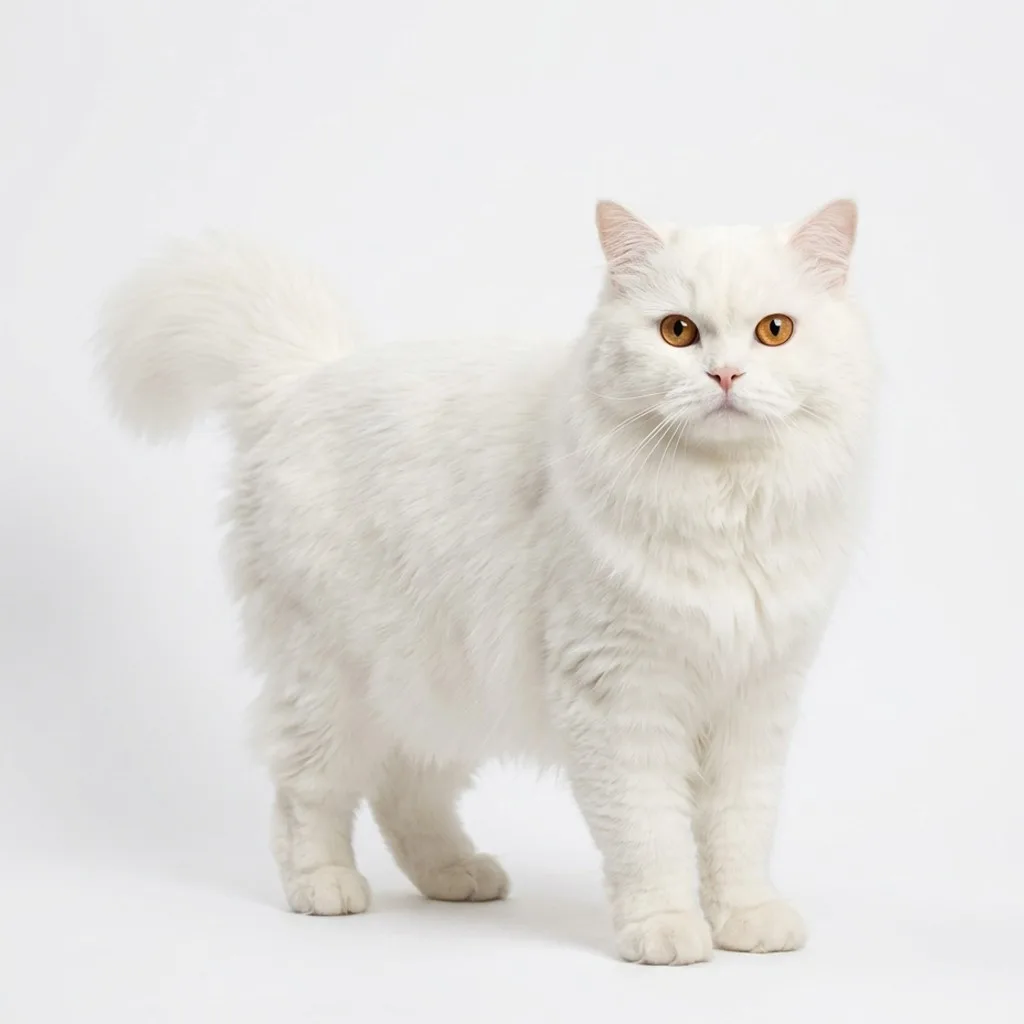
British Longhair
The long-haired counterpart to the British Shorthair. They are easy-going, dignified, and have a plush, dense coat. They are ideal indoor companions for busy Kiwi homes.
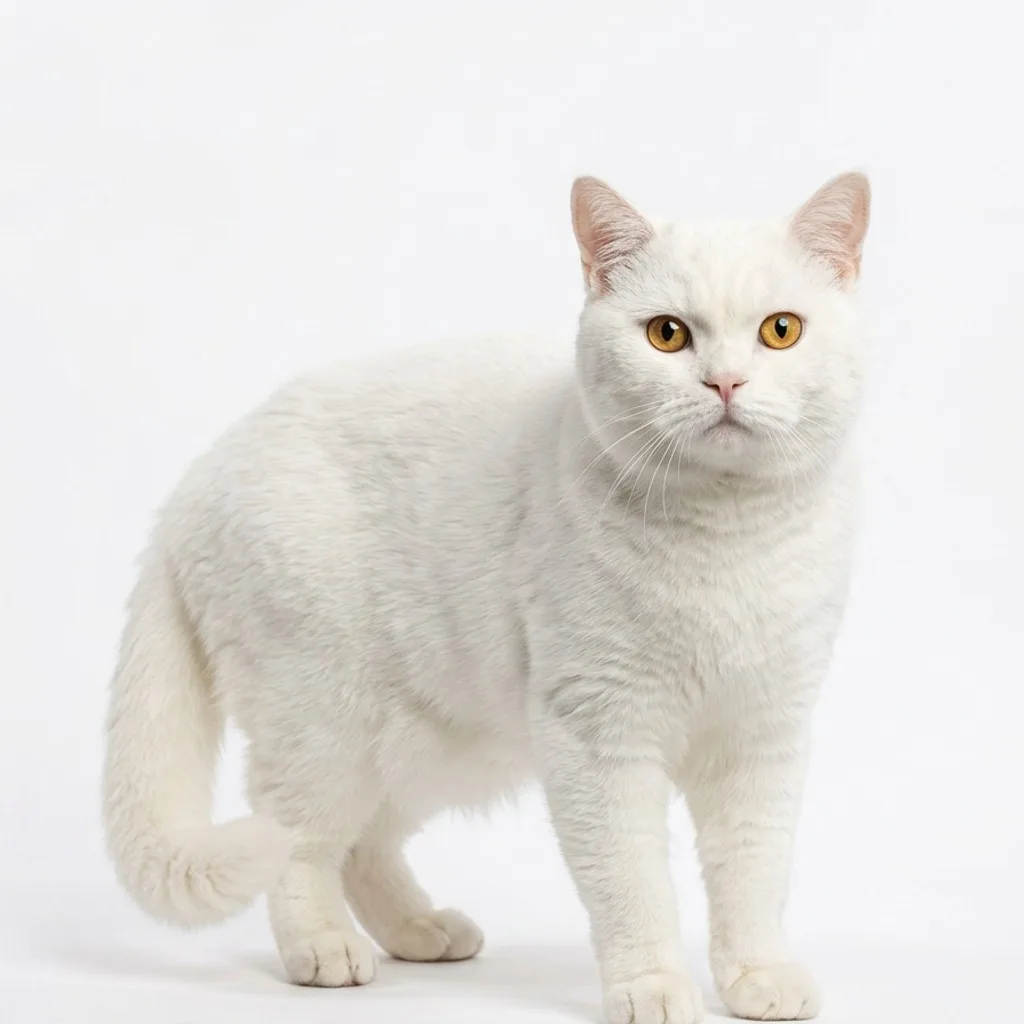
British Shorthair
The British Shorthair is a calm, round, plush-coated cat that suits many New Zealand apartments and family homes. The key risks are weight gain, under-exercise, dental care, and choosing a breeder who takes health seriously.
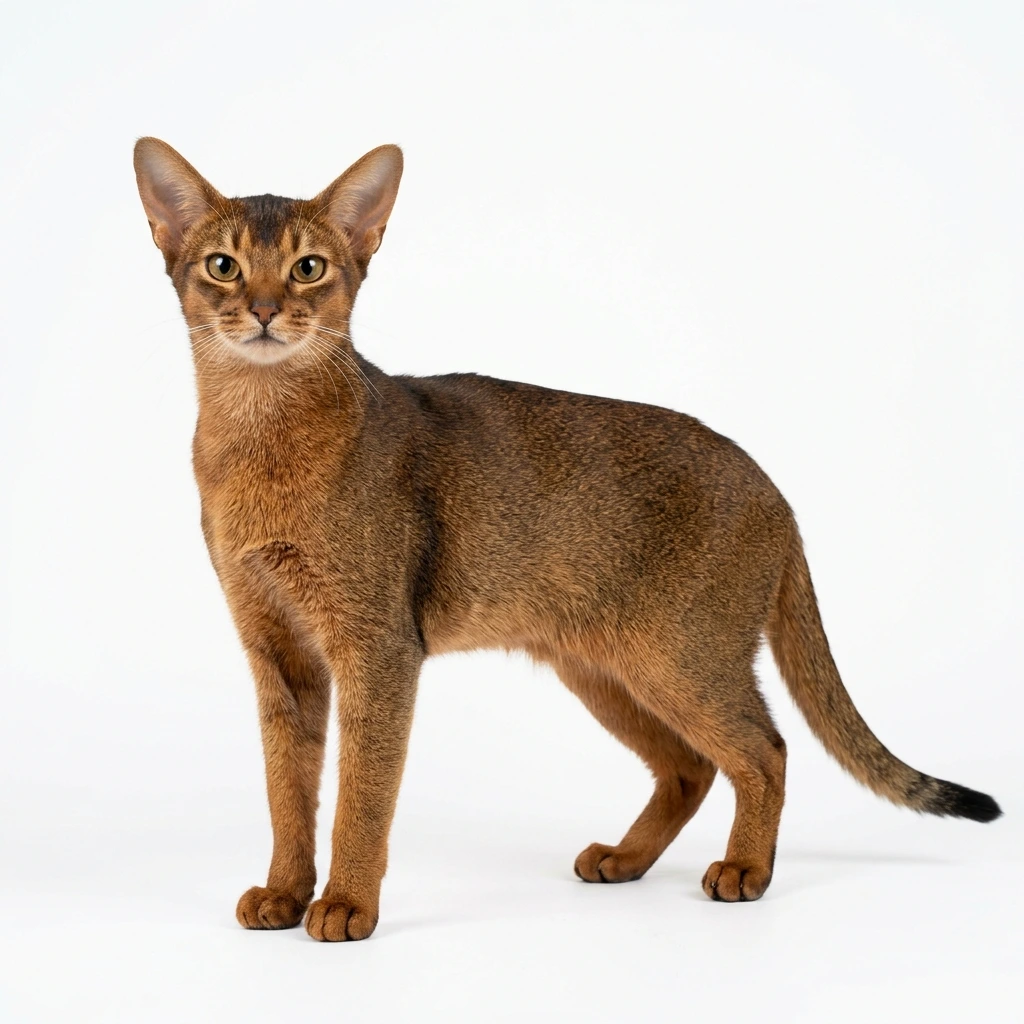
Abyssinian
The Abyssinian is a highly intelligent, active, and curious athlete. Known as the 'clowns of the cat world,' they love vertical space and being in the centre of family action. They are perfect for active Kiwi households that enjoy interactive pets.
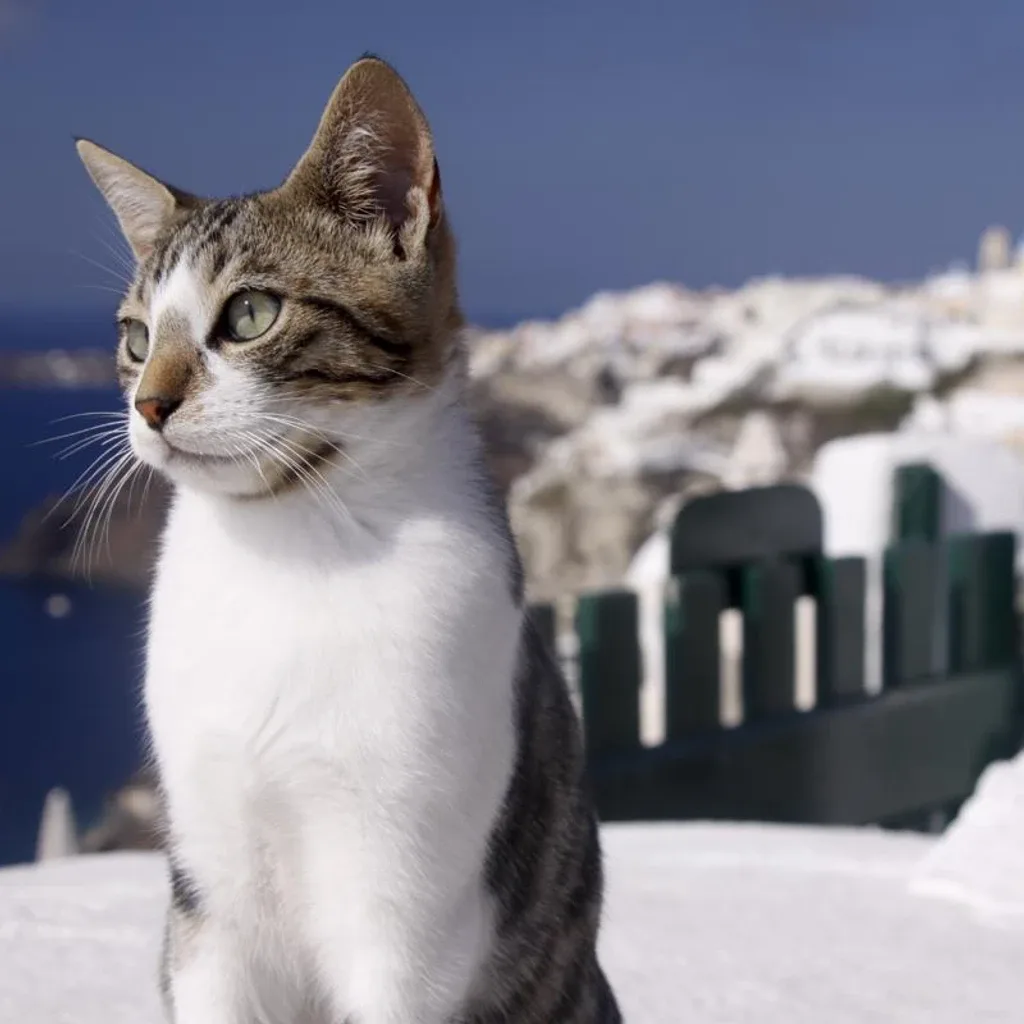
Aegean
A rare, natural breed from Greece, Aegeans are sturdy, social, and adaptable. They are famous for their love of water and their balanced, communicative nature.