Cat Breed Guide NZ
British Longhair
The British Longhair, often called the 'Highlander' in some regions, is the elegant, long-haired variant of the beloved British Shorthair. Renowned for their plush, dense coat and dignified yet easy-going nature, these cats are the epitome of calm companionship. Weighing between 4-8 kg, they boast a sturdy build and a sweet, intelligent expression. They are affectionate without being overly demanding, making them ideal indoor pets for busy Kiwi households, from bustling Auckland flats to spacious homes with sections. Their independent streak ensures they're content even when you're out, yet they'll always greet you with loyal warmth.
Photo Gallery
Breed Snapshot
- Size
- 4 - 8 kg
- Lifespan
- 12 - 14 years
- Origin
- Being enriched
- Temperament
- Affectionate, Easy Going, Independent, Intelligent, Loyal, Social
- NZ Price
- $1,200 - $3,000 NZD from registered breeders; $150-$350 NZD adoption via SPCA
- Annual Vet Cost
- Estimated annual vet costs for a British Longhair in NZ typically range from $300 - $600 NZD for routine check-ups, vaccinations, and parasite prevention. This breed can be prone to Polycystic Kidney Disease (PKD) and Hypertrophic Cardiomyopathy (HCM), which may incur additional screening costs (e.g., ultrasound, genetic testing) of $150-$400 NZD per test. Dental care, if needed, can add $300-$800 NZD. Emergency care or treatment for chronic conditions would be extra.
Personality Scores
NZ Lifestyle Fit
The British Longhair is an excellent fit for various New Zealand living situations due to their adaptable and indoor-oriented nature. For those in an Auckland apartment or city flat, their calm demeanour and low exercise needs are ideal; they won't climb the curtains or demand constant outdoor access. During Auckland's humid summers, their dense coat means they appreciate cool, shaded spots and good ventilation, but their generally placid nature helps them cope. For homes with a section, they will enjoy supervised outdoor time in a secure catio or on a leash, but are fundamentally indoor cats, protecting them from New Zealand's high UV index and potential outdoor hazards. In rural NZ farm settings, they are best kept strictly indoors to protect them from farm machinery, wildlife, and the risks of leptospirosis, which can be present near water sources and farms. Their plush coat provides excellent insulation for South Island's cold winters, making them quite comfortable. There are no specific MPI (Ministry for Primary Industries) restrictions on owning British Longhair cats in New Zealand.
Origins & History
The British Longhair's story is intrinsically linked to its short-haired cousin, the British Shorthair. While the British Shorthair has a long and storied history in the UK, the long-haired variant is a more recent development. It's believed that during the post-World War II breeding programmes, British Shorthairs were outcrossed with Persian cats to broaden the gene pool and improve certain physical characteristics. This introduced the recessive longhair gene into the British Shorthair lines. For many years, kittens born with long hair were simply considered 'variants' and not actively bred for. However, their undeniable charm, luxurious coats, and the desire to preserve the beloved British temperament in a long-haired form led dedicated breeders to establish the British Longhair as a distinct breed. They share the same robust build and placid personality as the Shorthair, simply adorned with a magnificent, flowing coat. Recognition by major cat associations has been a gradual process, but their popularity continues to grow, particularly in New Zealand.
Appearance
The British Longhair is a medium to large-sized cat, typically weighing between 4 to 8 kg, with males generally larger than females. They possess the characteristic 'cobby' or sturdy body type of the British Shorthair – broad chest, short, strong legs, and a thick, medium-length tail that is often bushy. Their head is round and broad, with full cheeks, giving them a perpetually 'smiling' expression. Large, round eyes, typically copper or gold, complement their coat colour, though blue eyes can be seen in colourpoint varieties. The defining feature, of course, is their luxurious, dense, medium-long double coat. This plush fur stands away from the body, giving them a soft, teddy-bear like appearance. Despite its length, the coat is surprisingly easy to maintain due to its non-matting texture, provided it receives regular attention. They come in a vast array of colours and patterns, including solid, tabby, bi-colour, and colourpoint.
Temperament & Personality
One of the most appealing traits of the British Longhair is its wonderfully balanced temperament. They are known for being exceptionally easy-going, dignified, and calm, making them perfect companions for a variety of households. These cats are affectionate and loyal, enjoying quiet cuddles and being near their human family, but they are rarely demanding or overly vocal. Their independent nature means they are perfectly content entertaining themselves or napping in a sunny spot when you're busy, making them suitable for busy Kiwis. They are intelligent and observant, often following their owners from room to room just to be in their presence. British Longhairs are generally good with respectful children and can coexist peacefully with other pets, including dogs, thanks to their placid disposition. They are not high-energy cats, preferring gentle play sessions over vigorous activity, and their social nature means they thrive on interaction without being clingy.
Life in New Zealand
The British Longhair's calm and adaptable nature makes them exceptionally well-suited to life across New Zealand. Their preference for indoor living means they are safe from traffic and other outdoor hazards, a significant advantage in both urban and rural settings. Their plush double coat offers excellent insulation, making them comfortable during South Island's colder winters, while their generally placid nature means they cope well with the humid summers of places like Auckland, provided they have access to cool spots and plenty of fresh water. They are not particularly vocal, which is a bonus for apartment or flat living, and their independent streak means they can manage well if their owners are out working or enjoying a weekend bach trip. For families with children or other pets, their gentle temperament ensures a harmonious household, embodying the relaxed Kiwi lifestyle.
Is This the Right Breed for You?
If you're seeking a calm, affectionate, and relatively low-maintenance companion with a stunning appearance, the British Longhair could be your perfect match. They thrive in indoor environments, making them ideal for apartment dwellers or those with busy lifestyles who want a loving pet without constant demands for attention. Their luxurious coat does require regular grooming, so prospective owners must be prepared for a weekly brushing routine. They are generally healthy and long-lived, offering many years of companionship. If you value a dignified, independent yet loyal feline friend who will bring a serene presence to your home, and you're committed to providing a safe, indoor environment and consistent care, then a British Longhair will undoubtedly enrich your Kiwi life.
Fun Facts
Fact 1
The British Longhair is sometimes affectionately called the 'Highlander' in some regions, though this is not an official breed name.
Fact 2
Despite their long coat, their fur is surprisingly easy to maintain compared to other long-haired breeds, as it has a less prone-to-matting texture.
Fact 3
They share the exact same calm and placid temperament as their short-haired relatives, the British Shorthair.
Fact 4
The longhair gene was introduced into the British Shorthair lines through outcrossing with Persian cats after World War II.
Fact 5
British Longhairs are known for their 'teddy bear' appearance, with a round face, full cheeks, and plush coat.
Related Breeds
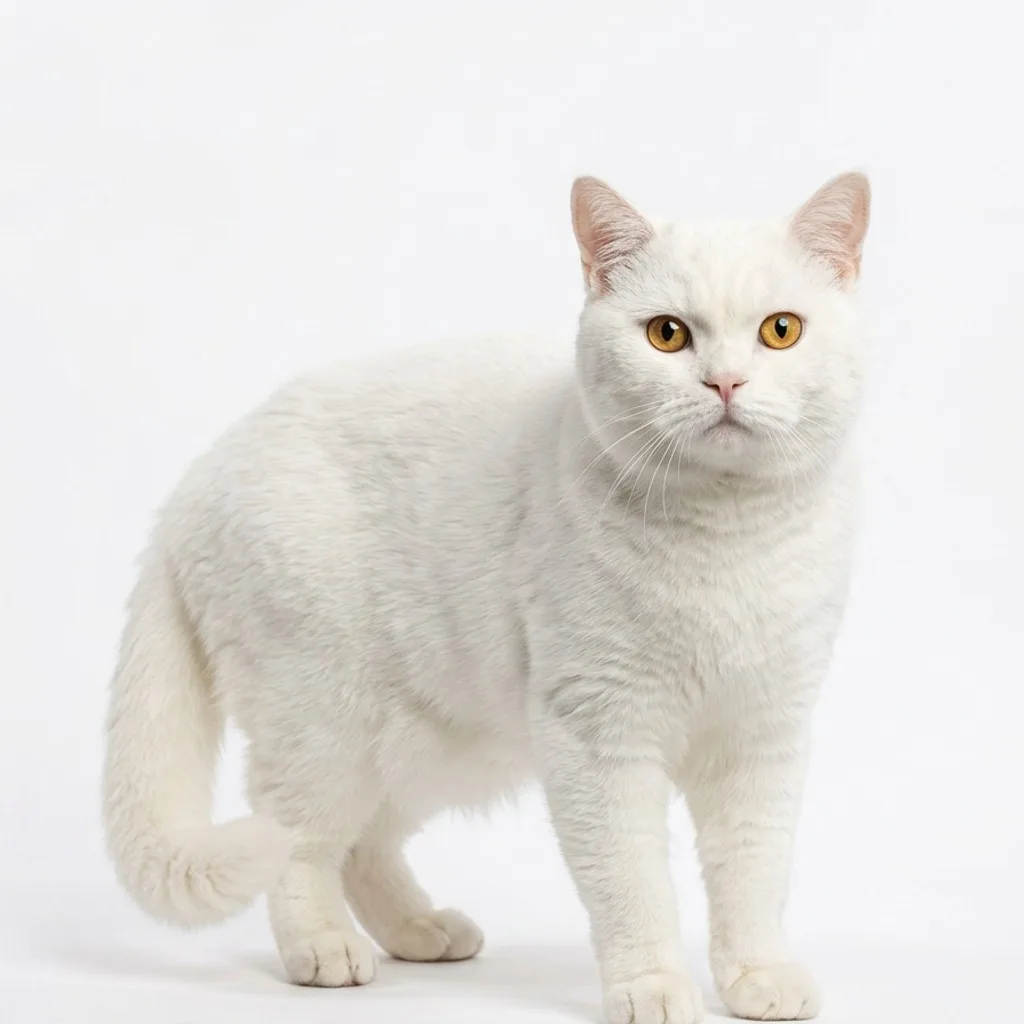
British Shorthair
The British Shorthair is a calm, round, plush-coated cat that suits many New Zealand apartments and family homes. The key risks are weight gain, under-exercise, dental care, and choosing a breeder who takes health seriously.
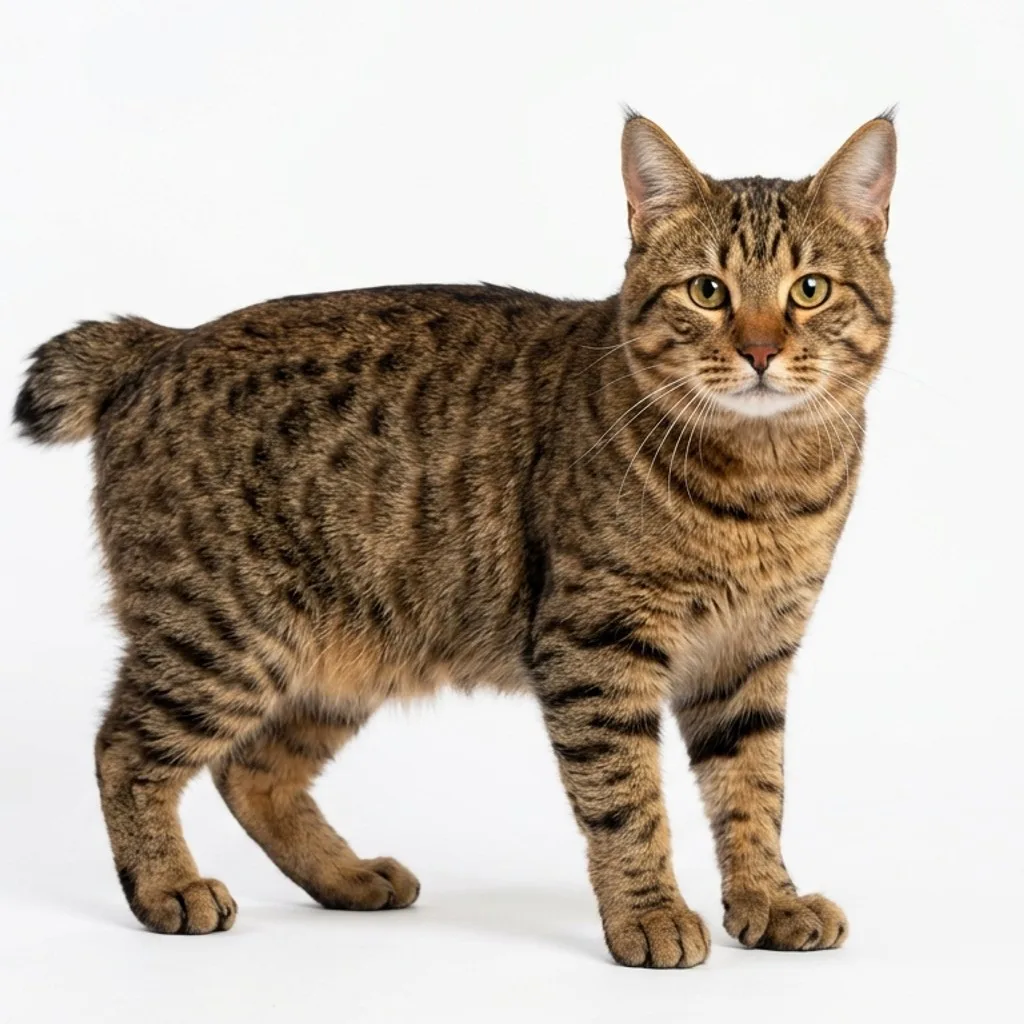
Pixie-bob
Bred to resemble a wild bobcat, the Pixie-bob is a sturdy, loyal, and laid-back breed. Often polydactyl (extra toes), they possess a friendly, 'dog-like' personality and love to be involved.
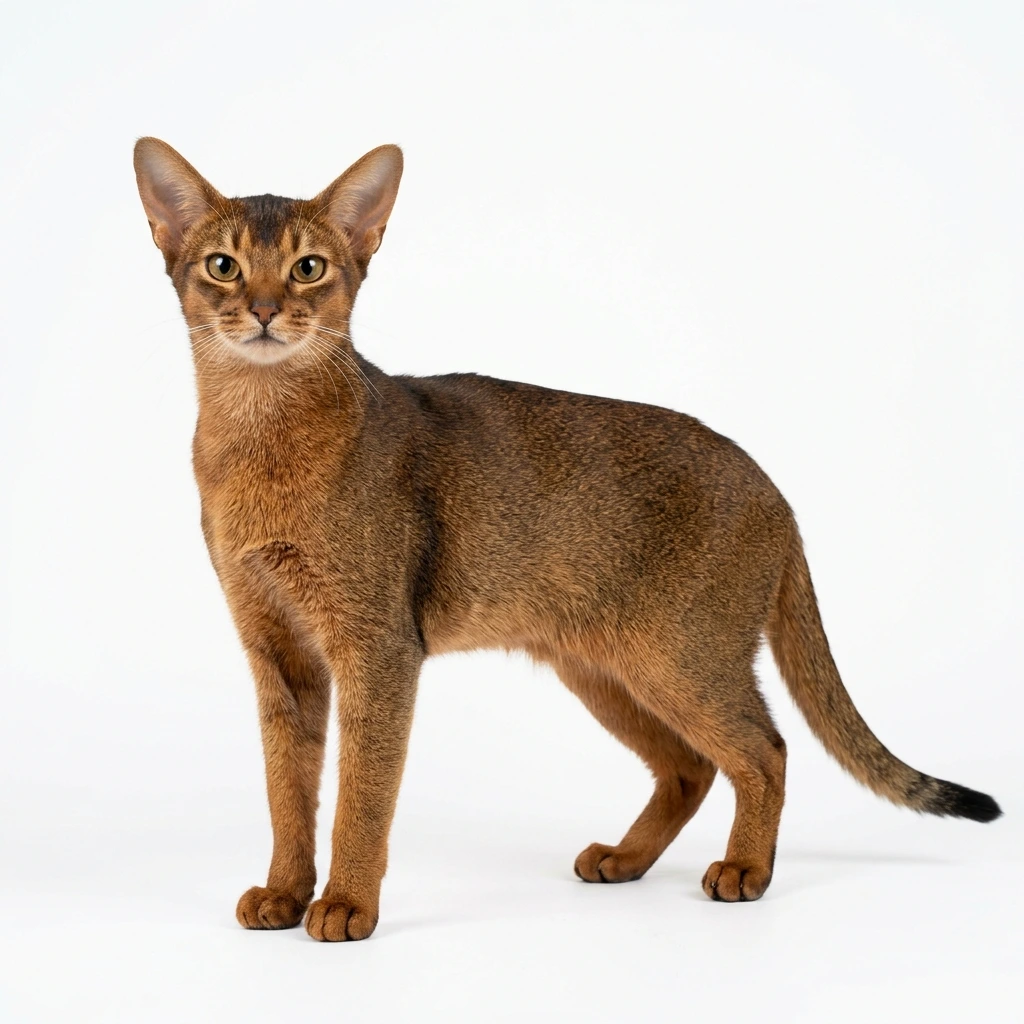
Abyssinian
The Abyssinian is a highly intelligent, active, and curious athlete. Known as the 'clowns of the cat world,' they love vertical space and being in the centre of family action. They are perfect for active Kiwi households that enjoy interactive pets.
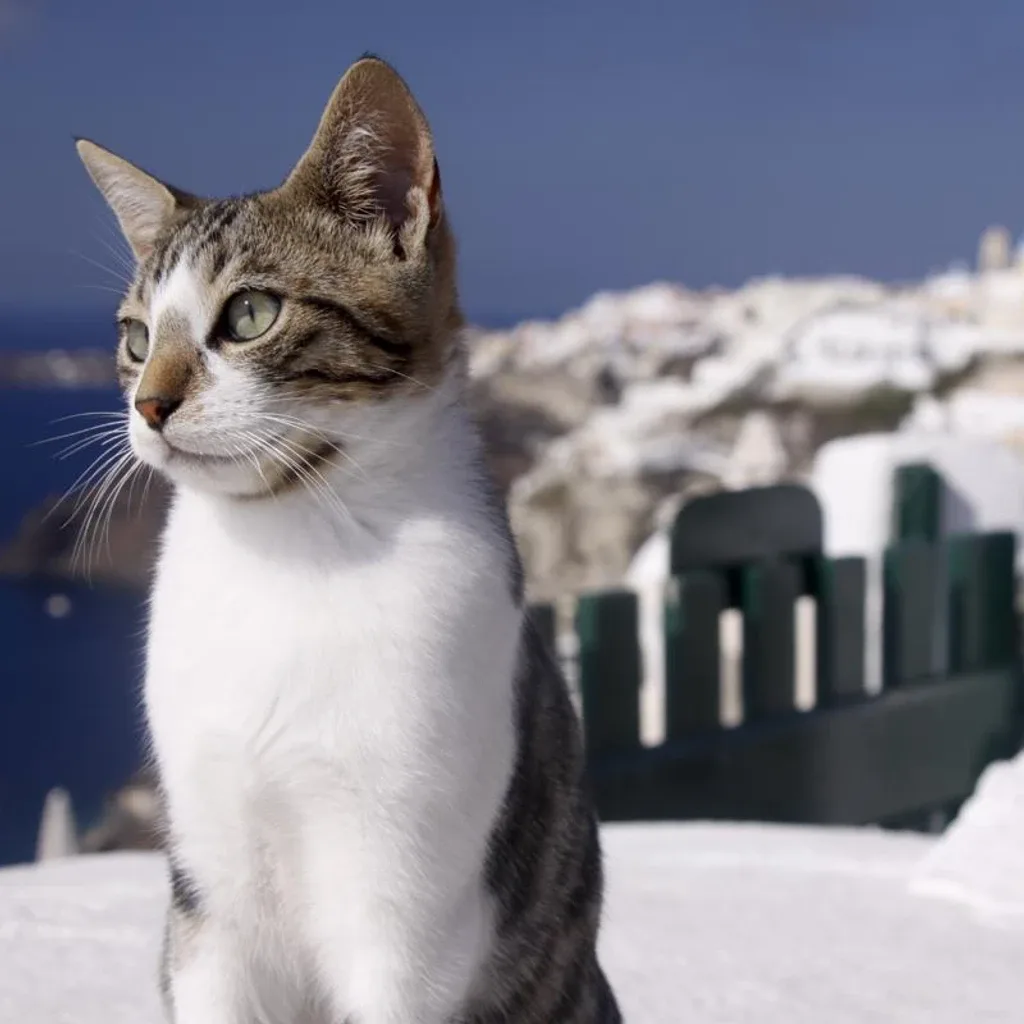
Aegean
A rare, natural breed from Greece, Aegeans are sturdy, social, and adaptable. They are famous for their love of water and their balanced, communicative nature.