PetMall Knowledge Hub

Cat Breed Guide NZ

Oriental Shorthair

A sleek, vocal, high-energy Siamese-family cat for owners who want daily interaction and indoor enrichment.

Apartment FriendlyHouse with SectionRural / Farm

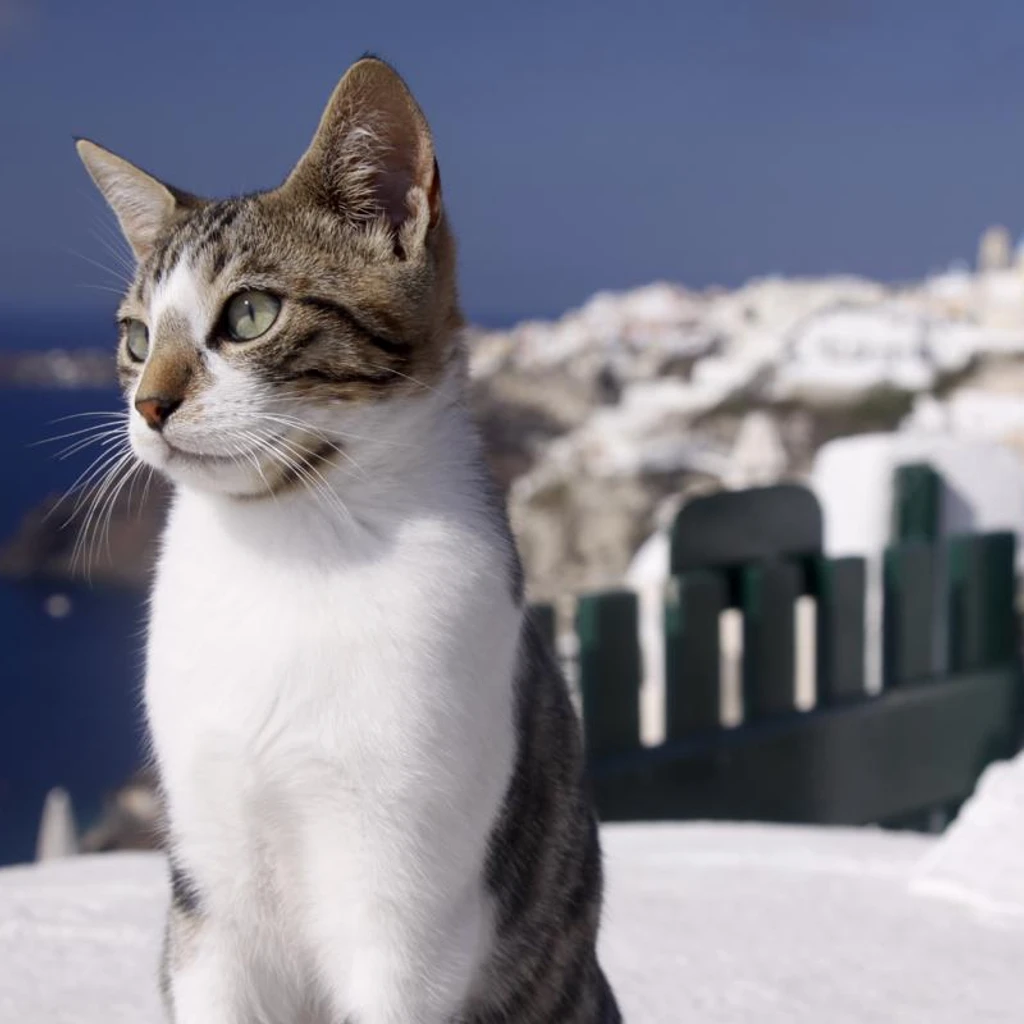
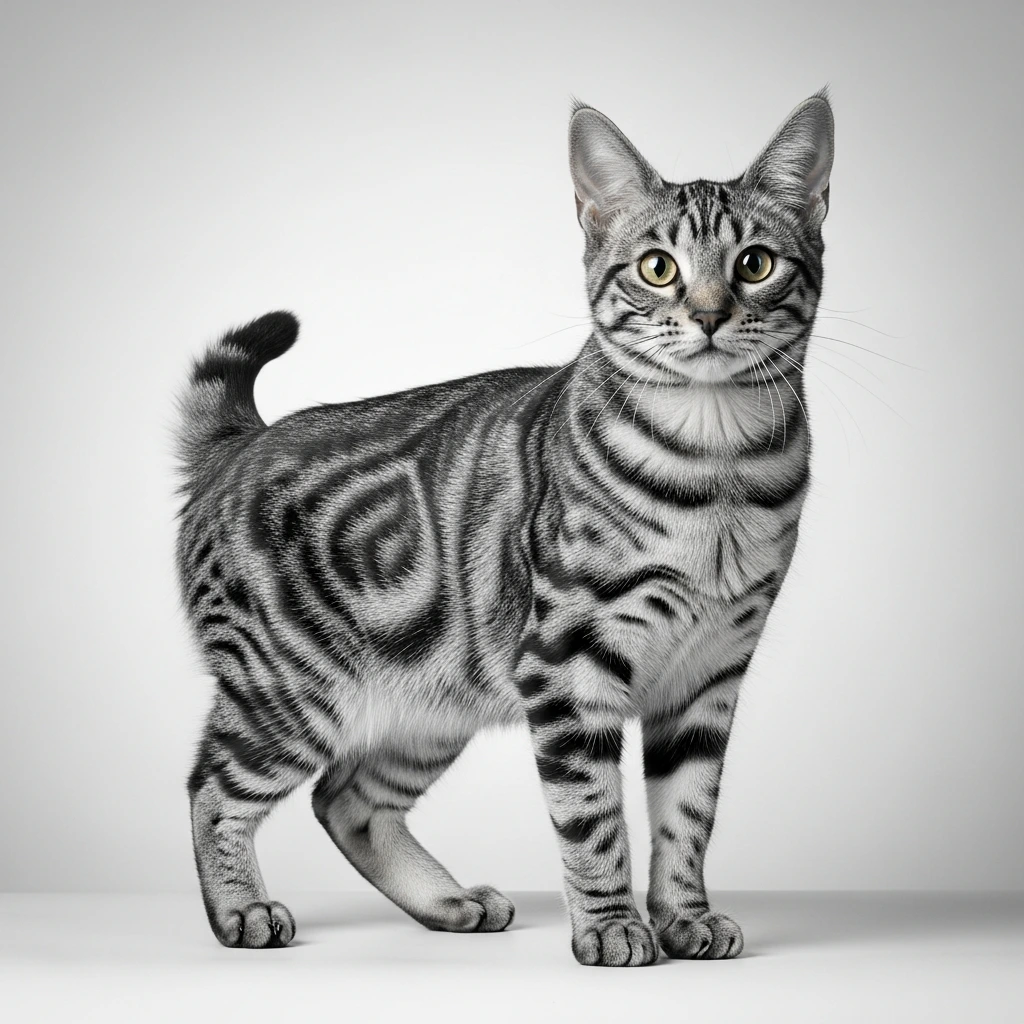
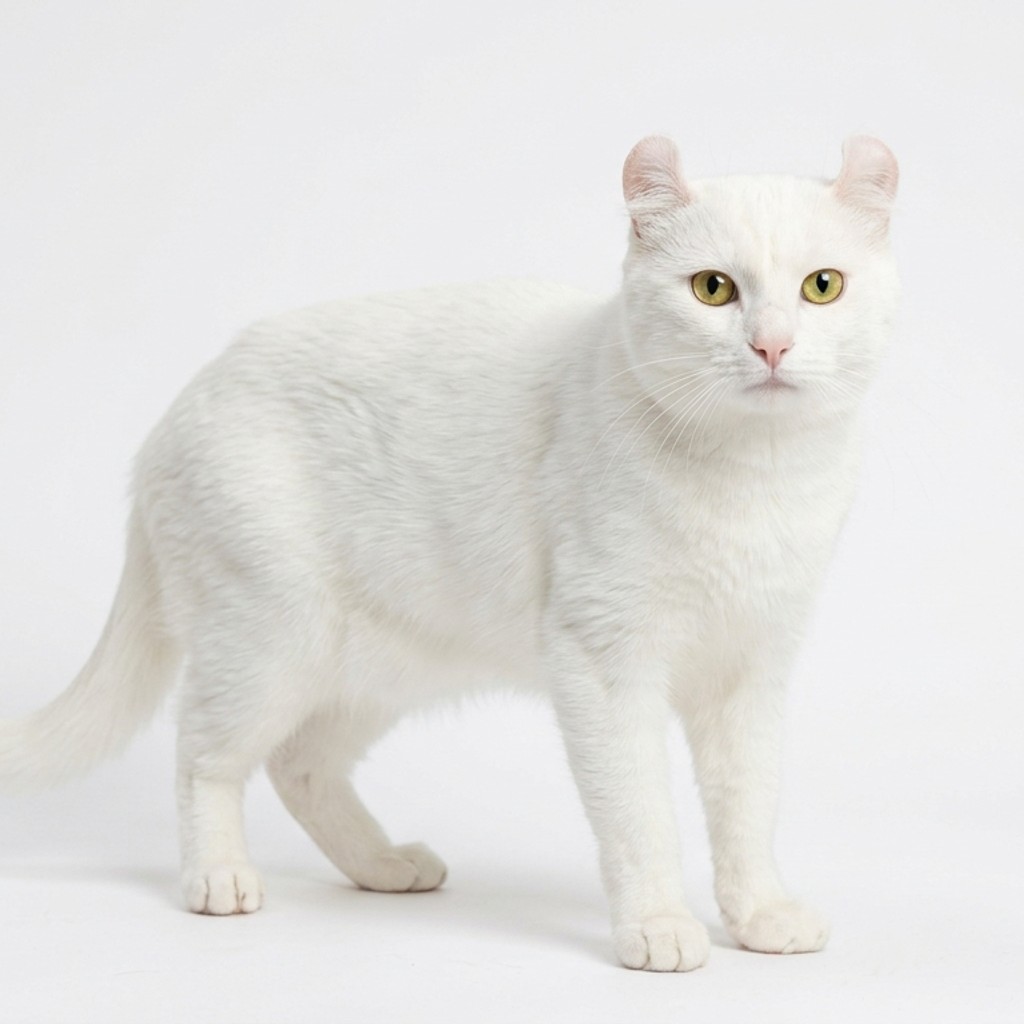
Photo Gallery

NZ Ownership Snapshot

Noise Level
High

Breed Snapshot

Size
3 - 5.5 kg
Lifespan
12 - 15 years
Origin
United Kingdom and United States; developed from Siamese-family cats to keep the elegant body type while allowing many coat colours and patterns.
Temperament
Vocal, social, intelligent, affectionate, playful, high-energy, and people-focused.
NZ Price
Rare to variable in New Zealand; verify current registered breeder or rescue availability before quoting a purchase price.
Annual Vet Cost
$500-$1,500+ NZD per year for routine care, vaccinations, parasite control, dental planning, and unexpected illness. Breed-related testing or chronic disease care can cost more.

Personality Scores

Friendliness5/5
Trainability4/5
Energy4/5
Grooming1/5
Health Risk3/5
Apartment4/5
With Kids4/5
With Pets4/5

NZ Lifestyle Fit

Good fit for many New Zealand apartments and houses when the owner wants an interactive indoor cat. The main NZ priorities are safe containment, daily enrichment, microchip registration, warm resting areas, and avoiding free roaming near roads, dogs, or wildlife-sensitive areas.

No Oriental Shorthair-specific national ownership restriction in New Zealand. Owners still need to meet general animal welfare obligations, follow any local council cat rules, and keep identification details current if the cat is microchipped or registered.

Origins & Recognition

The Oriental Shorthair is part of the Siamese breed family. Breed registries describe it as a cat with the Siamese-style long, elegant body, large ears, and a wide range of coat colours and patterns rather than only pointed Siamese colouring.

Appearance

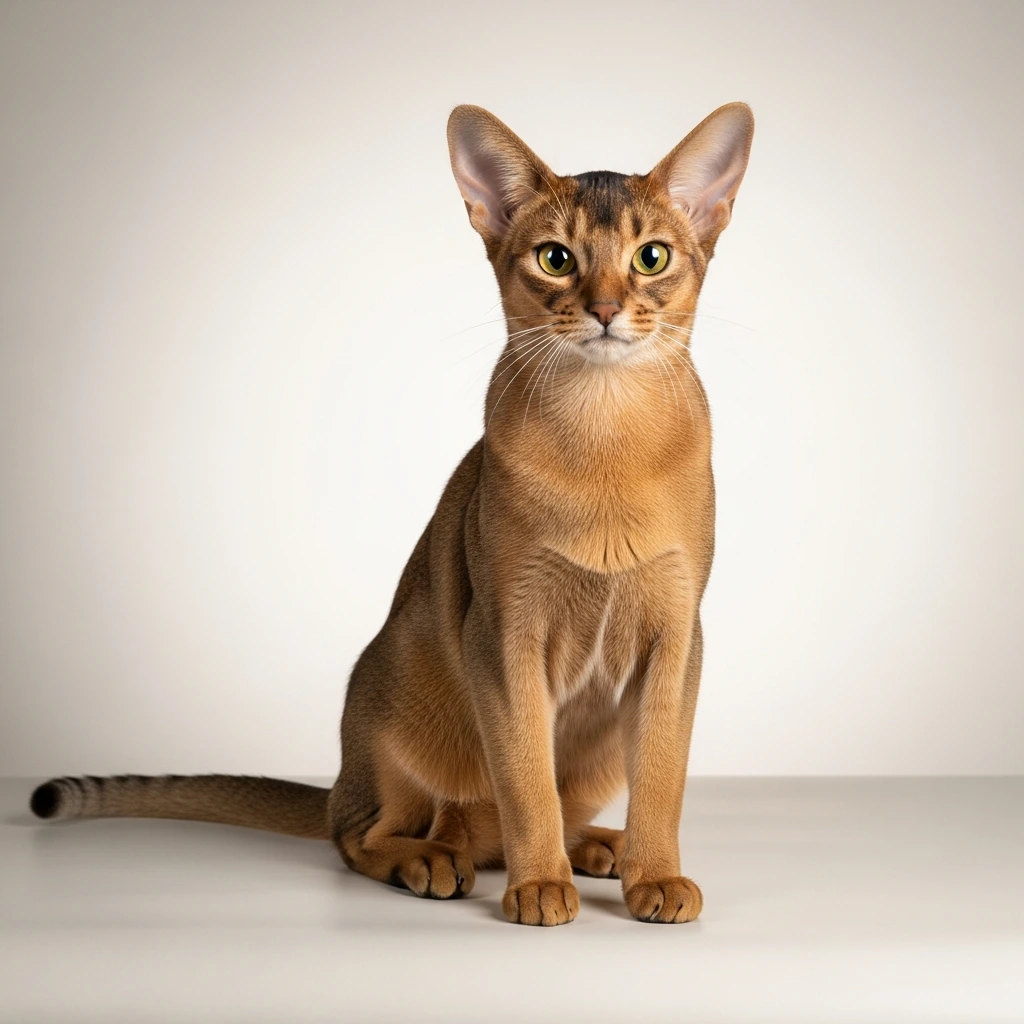
Oriental Shorthairs are long, fine-boned, muscular cats with a wedge-shaped head, very large ears, almond-shaped eyes, a close-lying short coat, and a long tapering tail. They look slim, but they should still carry good muscle and a healthy body condition.

Temperament & Training

This is a vocal, social, intelligent cat that usually wants to be involved with people. Many enjoy fetch, clicker training, puzzle feeders, and harness work when introduced gently. They can become frustrated if left without company or mental work for long periods.

Life in New Zealand

Oriental Shorthairs generally suit indoor-first NZ homes, apartments, and secure catio setups. Their short coat makes grooming easy, but they need warm resting spots in cooler houses and safe containment around traffic, dogs, and wildlife-sensitive areas.

Care Commitment

The coat is easy; the social and enrichment needs are the real commitment. Plan daily play, climbing, scratching, predictable routines, dental care, annual vet checks, and early vet advice for appetite, weight, drinking, toileting, eye, or behaviour changes.

Fun Facts

Fact 1

The Oriental Shorthair is part of the Siamese breed family.

Fact 2

The short coat can come in many colours and patterns.

Fact 3

The breed is often chosen by people who enjoy a talkative, highly interactive cat.

Fact 4

Their slim frame should still feel muscular and healthy, not fragile.

Fact 5

Their easy coat can hide the real workload: daily social time and enrichment.

Related Breeds
PetMall Editorial Desk

Reviewed and curated for practical, vet-informed guidance

Every guide is edited into a consistent house style so readers can scan quickly, compare recommendations, and understand where general education stops and personal veterinary advice begins.

Updated
Recently updated
Positioning
Evidence-based pet care for NZ households

Structured Guide

Life Stage Care

Scan the most important priorities for each stage so readers can adapt routine, home setup, and monitoring as this profile matures.

Kitten · Social, warm, and busy from the start

Oriental Shorthair kittens need gentle handling, safe warmth, regular meals, litter confidence, and short daily play sessions that teach calm human interaction rather than constant demand meowing.

  • Confirm vaccination, desexing timing, microchip details, parasite control, and diet history with the breeder or rescue.
  • Use short reward-based sessions for name response, carrier comfort, nail handling, and gentle play boundaries.
  • Provide warm sleeping spots and avoid draughts, but do not treat the breed as hairless.
  • Keep lilies, cords, strings, balconies, and small swallowable objects out of reach.

Adult · High-contact indoor companion

Adult Oriental Shorthairs usually do best with people who want a talkative, interactive cat. Daily play, climbing, puzzle feeding, and predictable routines help prevent stress and attention-seeking behaviour.

  • Plan at least two interactive play periods each day plus climbing shelves, scratching, and puzzle feeders.
  • Use indoor life, a catio, cat-proof fencing, or supervised outdoor time to reduce traffic and wildlife risk.
  • Brush weekly, check ears and teeth, keep claws trimmed, and monitor body condition.
  • Consider a compatible companion only if the individual cat enjoys other cats and introductions can be slow.

Senior · Watch weight, teeth, joints, and behaviour changes

Senior Oriental Shorthairs need closer veterinary monitoring because changes in drinking, appetite, weight, toileting, vocalisation, jumping, or grooming can signal pain or disease.

  • Book regular senior health checks and ask your vet about dental, kidney, thyroid, blood pressure, arthritis, and eye monitoring.
  • Make warm beds, low-entry litter trays, ramps, and easier food and water access available.
  • Keep gentle play and food puzzles in the routine so ageing does not become boredom.
  • Do not dismiss sudden extra vocalisation or clinginess as personality if it is new.

NZ Specific Tips

New Zealand Care Notes

These local notes translate general breed guidance into climate, housing, and routine realities for New Zealand households.

Safety

Prioritise safe containment

This breed is curious, social, and fast. Indoor enrichment, a catio, cat-proof fencing, or supervised outdoor access is usually safer than free roaming near roads, dogs, or wildlife areas.

Housing

Add warmth without exaggerating the coat risk

Oriental Shorthairs have a short, close coat and can seek warmth in cooler NZ homes, especially at night or in southern regions. Provide warm beds and draught-free resting places; jumpers are rarely needed unless your vet recommends one for an individual cat.

Enrichment

Treat vocal behaviour as communication

A talkative Oriental Shorthair needs daily interaction, not just toys left on the floor. Rotate wand play, climbing, fetch, food puzzles, clicker work, and quiet cuddle time.

Identification

Keep microchip registration current

Microchipping only helps if contact details are registered and current. Update NZCAR or the relevant register after moving house, changing phone numbers, or transferring ownership.

Health

Use breed risk as a vet discussion prompt

Ask breeders and vets about eye health, dental care, weight, kidney/liver history, and any Siamese-family inherited-condition screening. Do not use a breed profile to diagnose symptoms at home.

Owner Questions

Common Questions

Is an Oriental Shorthair a good apartment cat in New Zealand?+

Often yes, if the owner is home enough and the apartment has climbing space, scratching, play, hiding places, safe windows, and a strong routine. The breed is usually too social and active for a bare apartment where the cat is left alone all day.

How much does an Oriental Shorthair weigh?+

Use 3 - 5.5 kg as a practical adult guide for PetMall cards. Individual cats vary by sex, line, condition, and age, so body condition matters more than chasing one exact number.

How long do Oriental Shorthair cats live?+

A practical owner guide is 12 - 15 years, with some Siamese-family cats living longer when genetics, dental care, diet, weight, indoor safety, and early vet attention are good.

Are Oriental Shorthairs noisy?+

They are usually vocal and people-focused. That can be charming for owners who enjoy an interactive cat, but it can frustrate households that want a quiet, independent pet.

Can Oriental Shorthairs go outside?+

Free roaming is risky in many NZ settings. Safer choices include indoor enrichment, a catio, cat-proof fencing, harness training in quiet areas, or supervised garden time.

What health questions should I ask before buying one?+

Ask about eye health, dental history, kidney or liver disease in the line, vaccination, parasite control, desexing, diet sheet, socialisation, and whether the breeder will provide ongoing support. Any symptom such as weight loss, appetite change, excess drinking, or sudden behaviour change needs a vet, not guesswork from a breed page.

How big does a Oriental Shorthair get and how long do they live?+

The Oriental Shorthair is a 3 - 5.5 kg cat breed, typically living 12 - 15 years. Size affects food, equipment and exercise needs, so plan space and budget accordingly.

Are Oriental Shorthairs good with children?+

In our breed profile the Oriental Shorthair scores 4/5 for getting on with children — generally very good with kids. Always supervise young children with any cat and teach gentle, respectful handling.

Care Guides

Related Care Guides

Useful reading for NZ owners of this species.

Tools

Helpful Tools

Free interactive tools for NZ owners.

petmall.co.nz

Shop at PetMall

The products below are practical support items for your pet. PetMall ships across New Zealand.

Important Note

Information on PetMall is for education only and does not replace an in-person assessment by a veterinarian. If your pet is unwell, in pain, rapidly deteriorating, or you are unsure whether something is urgent, contact your local veterinary clinic promptly.