Cat Breed Guide NZ
Manx
The Manx cat, instantly recognisable by its distinctive lack of a tail, is a beloved breed known for its sturdy build, keen intelligence, and unwavering loyalty. Originating from the Isle of Man, these felines possess a unique rabbit-like hop, making them a fascinating addition to any home. Beyond their physical quirks, Manx cats are highly social, playful, and renowned for their excellent hunting prowess, keeping any Kiwi household free of unwanted pests. Their easy-going nature and adaptability make them a wonderful companion for various New Zealand lifestyles, from a bustling Auckland flat to a spacious South Island section.
Photo Gallery
Breed Snapshot
- Size
- 3 - 6 kg
- Lifespan
- 12 - 14 years
- Origin
- Being enriched
- Temperament
- Easy Going, Intelligent, Loyal, Playful, Social
- NZ Price
- $1,100 NZD all-inclusive (desexed, vaccinated, microchipped, NZCF-registered) from a registered breeder as of early 2025; media estimates run higher. Ask current breeders for a quote. $150-$350 NZD adoption via SPCA.
- Annual Vet Cost
- Estimated annual vet costs for a Manx in NZ typically range from $400 - $800 NZD for routine care, including vaccinations, parasite control, and annual check-ups. However, due to the breed-specific health issue known as Manx Syndrome (a collection of spinal defects), costs could be significantly higher if complications arise, potentially reaching several thousand dollars for diagnostics, medications, or ongoing management of bowel/bladder issues. It's crucial to factor in potential specialist vet visits for neurological or orthopaedic issues associated with this condition.
Personality Scores
NZ Lifestyle Fit
The Manx cat is remarkably adaptable to the diverse New Zealand environment. For those in an Auckland apartment or flat, their moderate size and social nature make them excellent indoor companions, provided they receive ample playtime and mental stimulation. The humid Auckland summers are generally manageable for their short coat, but access to cool spots and fresh water is essential. In a house with a section, a Manx will enjoy exploring a secure garden or a catio, but due to their strong hunting instincts, keeping them contained helps protect our precious native birds. For rural NZ farm life, they excel as natural mousers, though again, containment or supervision is advised. South Island cold winters are fine for a Manx with a dense coat, as long as they have a warm, dry indoor retreat. High UV levels across New Zealand mean all cats, especially those with lighter fur, benefit from indoor access during peak sun hours. There are no specific MPI restrictions on owning Manx cats in New Zealand.
Origins & History
The Manx cat's story is deeply intertwined with the rugged beauty of the Isle of Man, a small island nestled between Great Britain and Ireland. Legend has it that the Manx lost its tail because Noah slammed the ark door on it, but the scientific explanation is a naturally occurring genetic mutation. This dominant gene, which affects the development of the spine, is responsible for the breed's most famous characteristic: the absence of a tail. Manx cats have been documented on the Isle of Man for centuries, with early records suggesting they were well-established by the 18th century. Their isolation on the island allowed the gene to become prevalent within the local cat population. They were highly valued by farmers for their exceptional hunting skills, keeping rodent populations in check. The breed was one of the first to be exhibited at cat shows in the late 19th century, quickly gaining international recognition for its unique appearance and charming personality. Today, the Manx remains a cherished breed, celebrated for its ancient lineage and distinctive traits.
Appearance
The most striking feature of the Manx is, of course, its tail – or lack thereof. Manx cats are classified into several types based on tail length: 'Rumpy' refers to a cat with no tail whatsoever, just a dimple where the tail should be. 'Rumpy Riser' has a small bump of cartilage. 'Stumpy' has a short stub of a tail, usually no more than 3 cm. 'Longy' or 'Tailed' Manx cats have a nearly full-length tail, though this is less common and not typically shown. Beyond the tail, the Manx is a medium-sized cat, weighing between 3 to 6 kg, with a sturdy, compact body. They have a distinctive rounded appearance, with a round head, round eyes, and a short back that arches from the shoulders to the rump. Their hind legs are noticeably longer than their front legs, contributing to their characteristic 'rabbit hop' gait. The Manx can come in both short-haired and long-haired varieties (the latter often called a Cymric, though many associations consider it the same breed). Their double coat is dense and plush, providing good insulation. All colours and patterns are accepted, except for pointed, chocolate, or lilac.
Temperament & Personality
The Manx cat is celebrated not just for its unique looks but also for its delightful temperament. They are known for being exceptionally easy-going, intelligent, and loyal companions. Manx cats often form strong bonds with their human families, displaying a dog-like devotion and following their owners from room to room. Their intelligence makes them highly trainable; many Manx can be taught to fetch, walk on a leash, and even perform tricks. They are naturally playful and enjoy interactive games, puzzle toys, and chasing laser pointers. Their social nature means they generally get along well with children and other pets, including dogs, making them an ideal family pet. Despite their playful energy, they also appreciate quiet cuddle time and are known for their affectionate purrs. Their heritage as skilled hunters means they retain a strong prey drive, making them excellent mousers if given the opportunity.
Life in New Zealand
The Manx cat's adaptable and robust nature makes it well-suited to life in New Zealand. Their sturdy build and dense coat (especially the long-haired variety) can handle the varied Kiwi climate, from the cooler South Island winters to the humid Auckland summers, provided they have appropriate indoor shelter and access to shade. Their easy-going temperament means they can thrive in various living situations, whether it's a city flat with plenty of indoor enrichment or a larger house with a secure garden. Their intelligence and playful spirit mean they need mental stimulation and interaction, which fits well with the active lifestyle of many New Zealanders. As natural hunters, they can be a great asset in rural settings, but responsible ownership dictates they should be kept contained to protect native wildlife, especially in areas with vulnerable bird populations. Regular veterinary care, readily available across New Zealand, ensures their unique health needs are met.
Is This the Right Breed for You?
If you're looking for a cat with a distinctive appearance, a playful spirit, and a loyal heart, the Manx could be your perfect match. Their intelligence and trainability make them engaging companions who enjoy interacting with their families. They are generally good with children and other pets, fitting seamlessly into a busy household. However, potential owners should be aware of the breed's specific health considerations, particularly 'Manx Syndrome,' and choose a reputable breeder who screens their cats. Their hunting instincts mean that secure outdoor access or a catio is recommended to protect native birds if they are allowed outside. While their grooming needs are moderate, their dense double coat benefits from regular brushing. For a Kiwi family seeking an affectionate, intelligent, and uniquely charming feline friend, the Manx offers a wonderful blend of personality and character that will enrich their lives for years to come.
Fun Facts
Fact 1
The Manx cat's most famous characteristic, its lack of a tail, is due to a natural genetic mutation.
Fact 2
They are often described as having a 'rabbit-like hop' due to their longer hind legs and short back.
Fact 3
Manx cats are classified by their tail length: 'Rumpy' (no tail), 'Rumpy Riser' (small bump), 'Stumpy' (short stub), and 'Longy' (nearly full tail).
Fact 4
Historically, Manx cats were highly prized by sailors for their exceptional mousing abilities on ships.
Fact 5
They are known for their dog-like loyalty and intelligence, often learning to fetch and walk on a leash.
Related Breeds
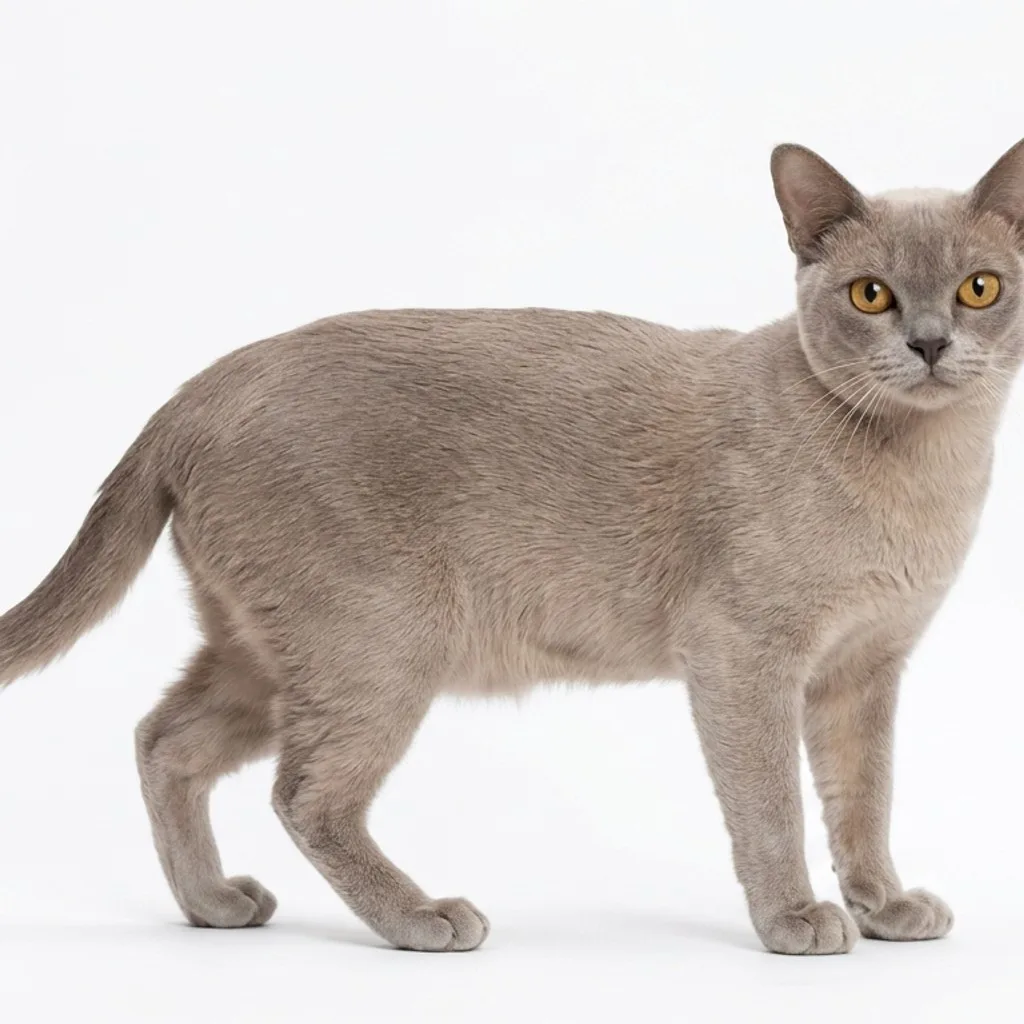
Burmese
The Burmese is a social, affectionate, playful cat that often wants to be part of every household activity. In New Zealand it suits owners who can provide company, warm indoor living, weight control, and safe enrichment.
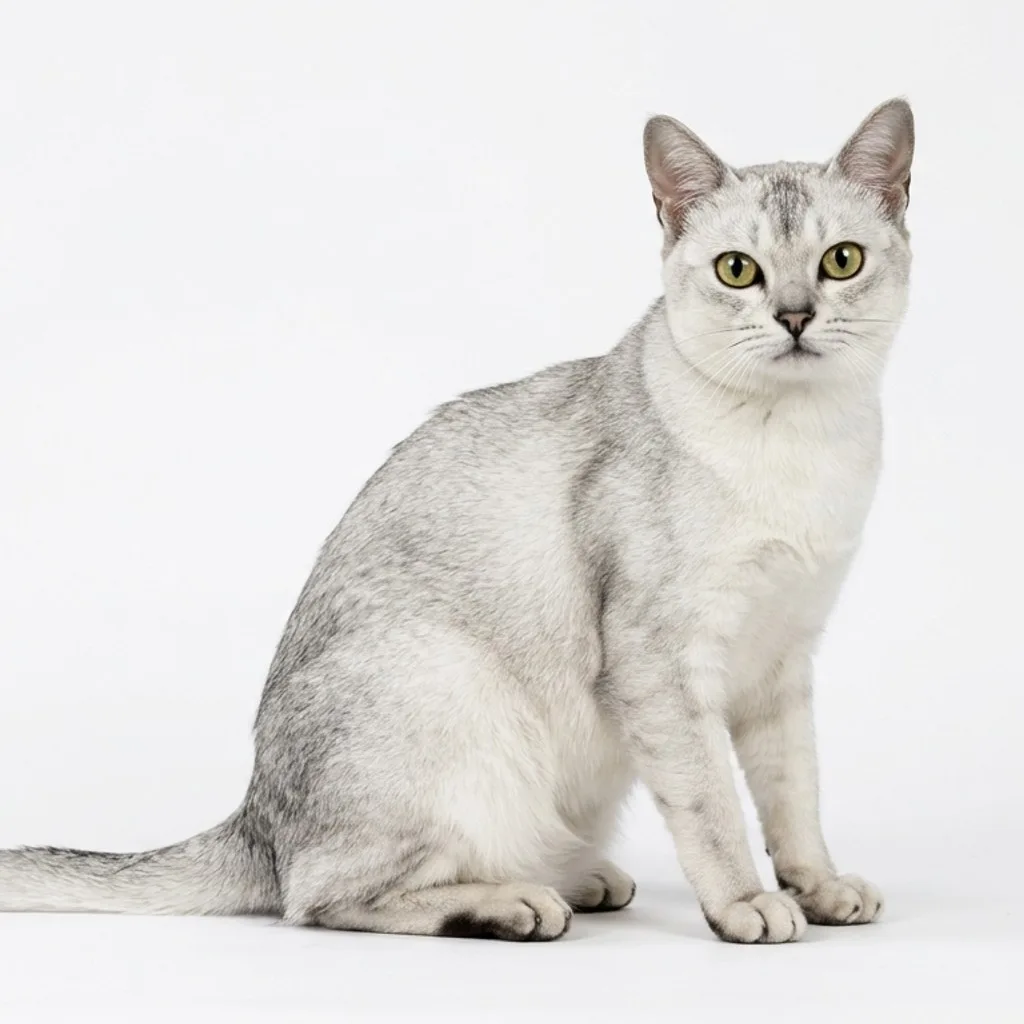
Burmilla
A cross between Burmese and Chinchilla Persian. Burmillas are elegant, social, and more relaxed than the Burmese, known for their stunning silver coat.
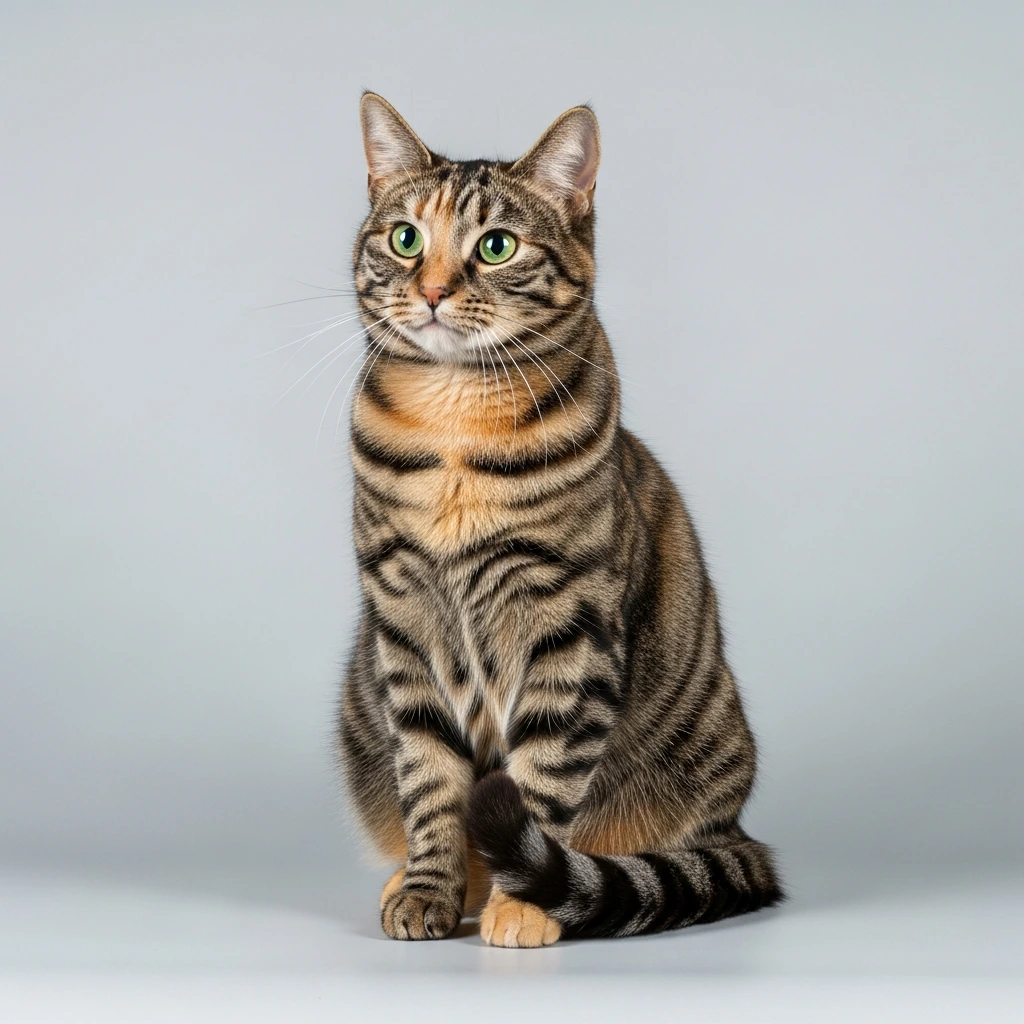
Domestic Mediumhair
The Domestic Mediumhair is a mixed-ancestry companion cat with a coat longer than a shorthair but usually less demanding than a full longhair. It is a practical NZ adoption category and should be judged by personality, health, coat care, and lifestyle fit rather than breed mythology.
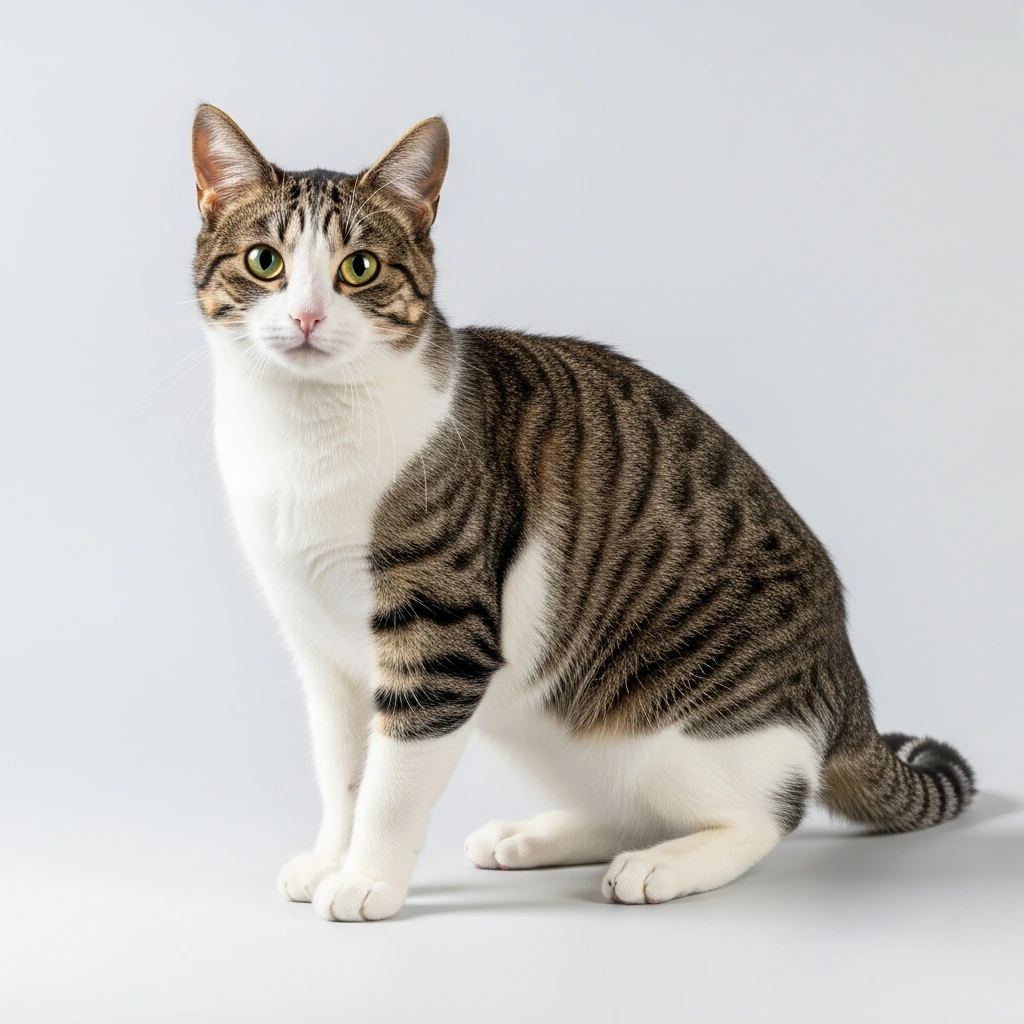
Domestic Shorthair
The Domestic Shorthair is the everyday Kiwi cat: a non-pedigree, short-coated companion with huge variation in colour, personality, and lifestyle. It is often healthier and more adaptable than highly selected breeds, but it still needs microchipping, desexing, parasite control, dental care, enrichment, and a safe indoor/outdoor plan.