Cat Breed Guide NZ
Himalayan
The Himalayan cat, affectionately known as a 'Himmie', is a captivating blend of the Persian's luxurious, long coat and the Siamese's striking colour points and brilliant blue eyes. These sweet, quiet, and profoundly devoted felines are ideal indoor companions, thriving on human affection and a calm home environment. While their stunning appearance demands high-maintenance grooming to prevent matting, their gentle nature and intelligence make them a rewarding addition to many Kiwi households. They fit perfectly into an indoor New Zealand lifestyle, offering quiet companionship and a touch of elegance to any flat or family home.
Photo Gallery
Breed Snapshot
- Size
- 3 - 6 kg
- Lifespan
- 9 - 15 years
- Origin
- Being enriched
- Temperament
- Dependent, Gentle, Intelligent, Quiet, Social
- NZ Price
- $800 - $2,500 NZD from registered breeders; $150-$350 NZD adoption via SPCA
- Annual Vet Cost
- Estimated annual vet costs for a Himalayan cat in NZ typically range from $400 - $800 NZD, covering routine check-ups, vaccinations, and parasite prevention. However, due to breed-specific health issues like brachycephalic airway syndrome (which can lead to breathing difficulties), Polycystic Kidney Disease (PKD), and Hypertrophic Cardiomyopathy (HCM), costs could be significantly higher if specialist treatment or ongoing medication is required. Eye issues due to their facial structure are also common, potentially adding to vet bills. Regular dental care is also important and can incur additional costs.
Personality Scores
NZ Lifestyle Fit
The Himalayan cat is an ideal indoor companion for many New Zealand lifestyles. For those in an Auckland apartment, their quiet, docile nature and moderate exercise needs make them a perfect fit, though owners must be diligent with grooming during humid summers to prevent matting. A house with a section, especially if the cat has a secure 'catio' or supervised outdoor access, provides a bit more space for enrichment. However, their long coat and gentle temperament mean they are not suited for unsupervised outdoor life, particularly on a rural NZ farm where risks from predators, traffic, and the elements are high. South Island's cold winters are manageable indoors, but ensure good heating. High UV levels across New Zealand necessitate keeping Himalayans indoors to protect their sensitive skin and prevent sun damage to their coats and eyes. There are no specific MPI restrictions on owning Himalayan cats in New Zealand, but responsible pet ownership, including desexing, microchipping, and registration with your local council, is always expected.
Origins & History
The Himalayan cat is a relatively modern breed, deliberately developed through a cross-breeding programme between Persian and Siamese cats. The goal was to combine the Persian's long, flowing coat and gentle temperament with the Siamese's distinctive 'point' colouration and captivating blue eyes. The first successful crosses occurred in the United States and the UK in the 1930s and 1940s. Early breeders faced challenges in consistently producing the desired traits, but through careful selection, the Himalayan breed was established. It was officially recognised as a distinct breed in the 1950s, though some cat associations still classify it as a colour variety of the Persian. Regardless of classification, the Himalayan has carved out its own niche as a beloved and unique feline companion worldwide, including here in Aotearoa.
Appearance
The Himalayan cat is renowned for its stunning appearance, which is its most defining characteristic. They possess the sturdy, cobby body type of the Persian, with a round head, small, rounded ears, and large, expressive blue eyes. Their most striking feature is their long, dense, flowing double coat, which comes in a variety of 'point' colours inherited from the Siamese, such as seal, chocolate, blue, lilac, flame, and tortie points. These colours are darker on the extremities (face, ears, paws, tail) and lighter on the body. Himalayans are medium to large-sized cats, typically weighing between 3 and 6 kilograms. Their short, broad nose, often referred to as 'peke-faced' or 'doll-faced' depending on the specific line, contributes to their endearing expression. The combination of their luxurious coat, striking colouration, and gentle demeanour makes them truly regal.
Temperament & Personality
Himalayans are celebrated for their sweet, docile, and affectionate temperament. They are highly dependent on their human companions, thriving on attention and forming strong bonds with their families. These cats are gentle and intelligent, often enjoying quiet playtime with interactive toys rather than boisterous activity. They are known for their quiet nature, often communicating with soft chirps or trills rather than loud meows. Their social disposition means they generally get along well with respectful children and other calm pets, making them excellent family cats. They are not typically demanding but will seek out laps for cuddles and enjoy being part of household activities. A Himalayan's devotion makes them wonderful, comforting presences in the home.
Life in New Zealand
In New Zealand, the Himalayan cat is perfectly suited to an indoor lifestyle, which is ideal given our varied climate and the importance of responsible pet ownership. Their long, dense coat requires protection from the elements, making a warm, secure home essential. They thrive in environments where they can be safe from traffic, other animals, and the harsh New Zealand sun, especially the high UV levels. Their calm demeanour means they are content with indoor enrichment, such as scratching posts, climbing trees, and interactive toys. While their grooming needs are significant, many Kiwi owners find the daily ritual a bonding experience. Their quiet nature also makes them suitable for apartment living in cities like Auckland or Wellington, provided they receive enough attention and mental stimulation.
Is This the Right Breed for You?
The Himalayan is an excellent choice for individuals or families seeking a devoted, gentle, and beautiful feline companion. If you appreciate a cat that thrives on affection and enjoys a calm, indoor environment, a Himmie might be your perfect match. However, prospective owners must be prepared for their significant grooming requirements; their long coat needs daily attention to prevent matting and maintain its health. They are not suited to being outdoor cats due to their coat and docile nature. If you have the time for daily brushing, regular vet checks, and can provide a loving, secure indoor home, a Himalayan will reward you with years of quiet companionship and unwavering devotion. They are a true gem for those who can commit to their specific care needs.
Fun Facts
Fact 1
Himalayan cats were originally named 'Himalayan' because their colour points resemble those of other animals, like the Himalayan rabbit, not because they originated in the Himalayas.
Fact 2
Despite their Persian body type, Himalayans inherited their striking blue eyes and colour point genetics directly from their Siamese ancestors.
Fact 3
The breed was first officially recognised in the 1950s, making them a relatively modern cat breed.
Fact 4
Himalayans are often referred to as 'Himmies' by their enthusiasts, a testament to their endearing nature.
Fact 5
Their docile and gentle temperament makes them excellent therapy cats, bringing comfort to many people.
Related Breeds
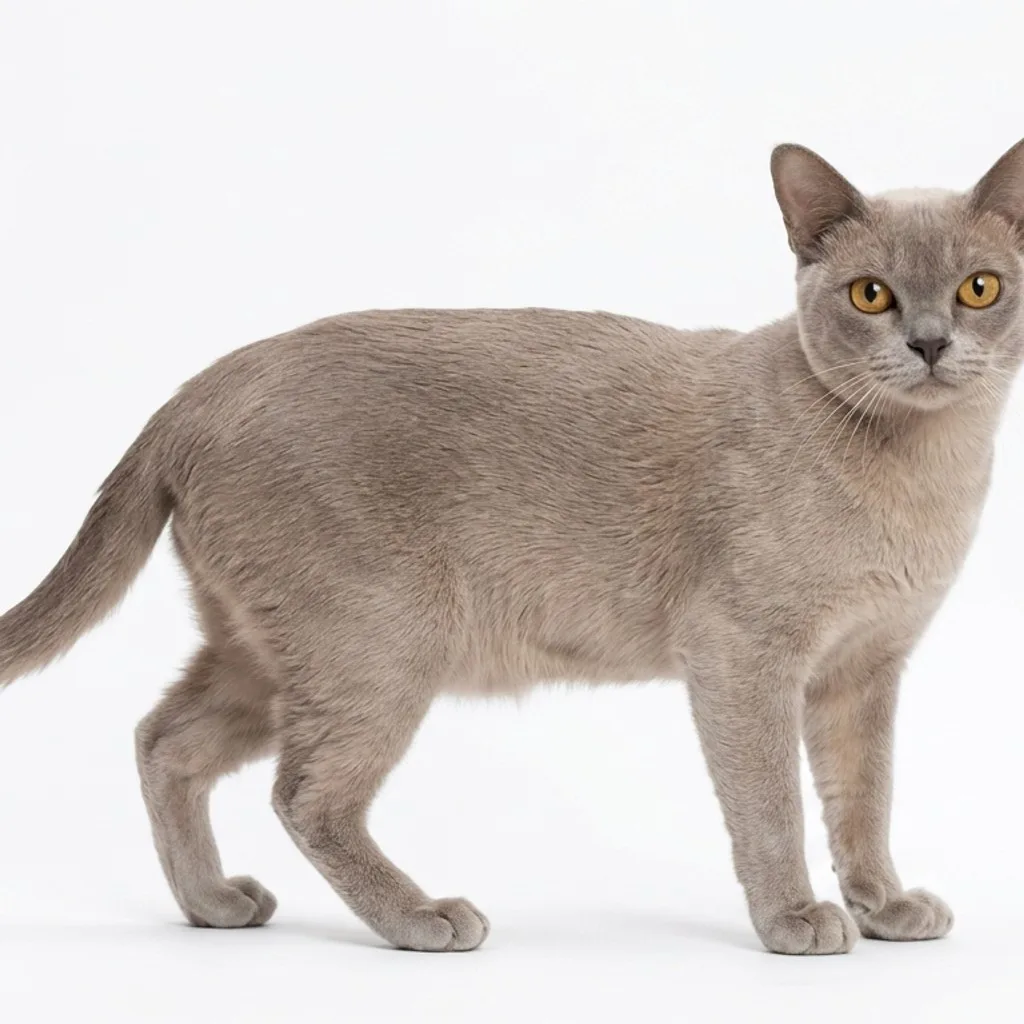
Burmese
The Burmese is a social, affectionate, playful cat that often wants to be part of every household activity. In New Zealand it suits owners who can provide company, warm indoor living, weight control, and safe enrichment.
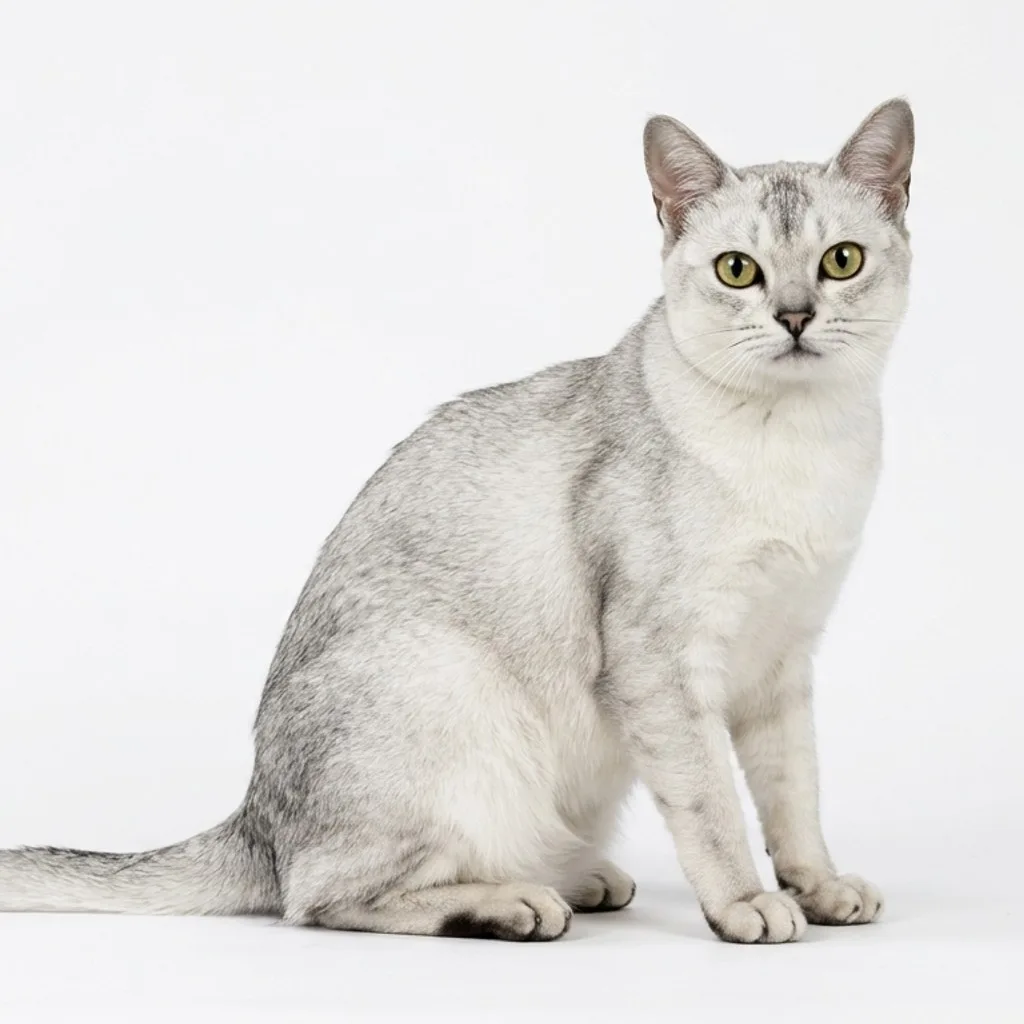
Burmilla
A cross between Burmese and Chinchilla Persian. Burmillas are elegant, social, and more relaxed than the Burmese, known for their stunning silver coat.
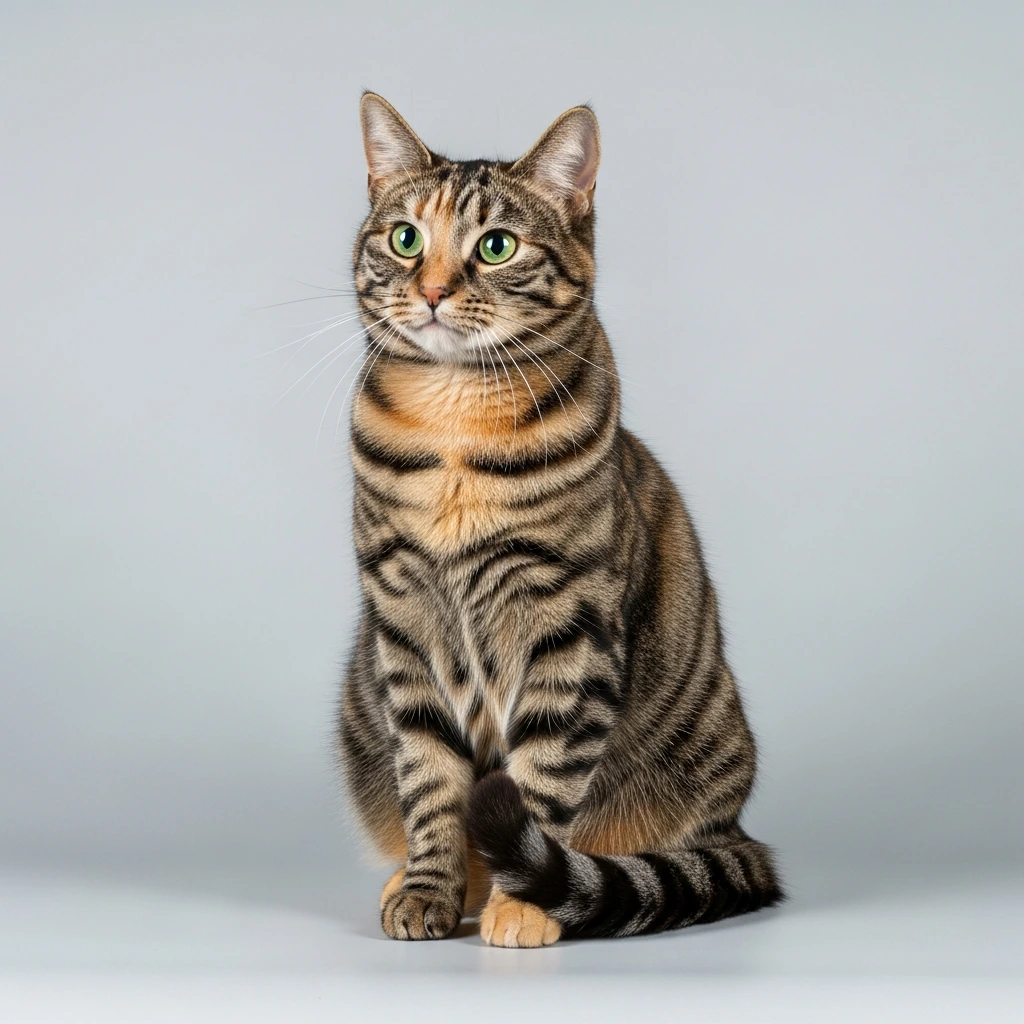
Domestic Mediumhair
The Domestic Mediumhair is a mixed-ancestry companion cat with a coat longer than a shorthair but usually less demanding than a full longhair. It is a practical NZ adoption category and should be judged by personality, health, coat care, and lifestyle fit rather than breed mythology.
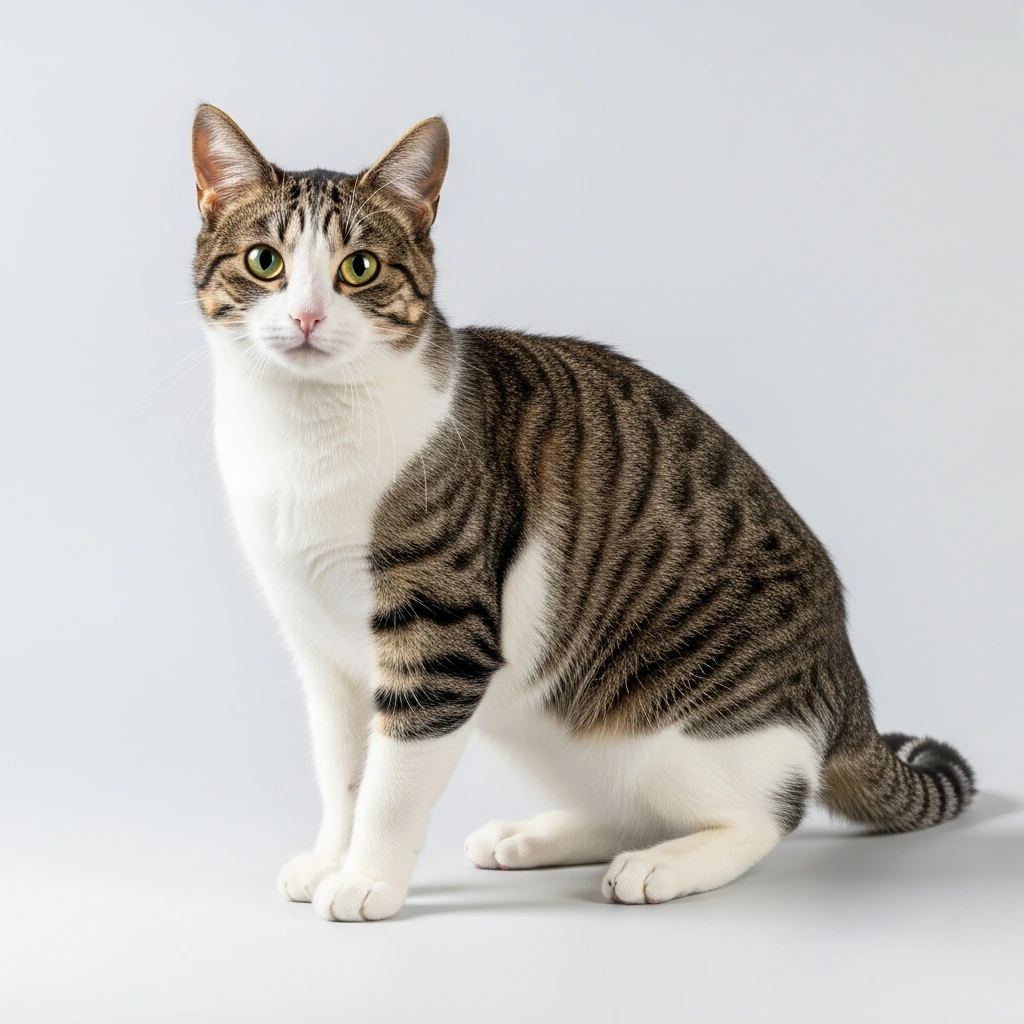
Domestic Shorthair
The Domestic Shorthair is the everyday Kiwi cat: a non-pedigree, short-coated companion with huge variation in colour, personality, and lifestyle. It is often healthier and more adaptable than highly selected breeds, but it still needs microchipping, desexing, parasite control, dental care, enrichment, and a safe indoor/outdoor plan.