Cat Breed Guide NZ
Exotic Shorthair
Often affectionately dubbed the 'Persian in pyjamas,' the Exotic Shorthair is a delightful feline known for its easy-going nature and stunning, short, plush coat. This breed offers all the glamour of a Persian without the intensive grooming demands, making it a perfect choice for those seeking a low-maintenance yet utterly charming companion. Exotics are renowned for their sweet, loyal, and peaceful temperament, thriving on affection and quiet companionship. Their adaptable nature means they fit seamlessly into various New Zealand lifestyles, from a cosy Auckland apartment to a spacious suburban home with a secure section, bringing a calm and loving presence to any Kiwi household.
Photo Gallery
Breed Snapshot
- Size
- 3 - 6 kg
- Lifespan
- 12 - 15 years
- Origin
- Being enriched
- Temperament
- Affectionate, Sweet, Loyal, Quiet, Peaceful
- NZ Price
- $1,200 - $3,000 NZD from registered breeders; $150-$350 NZD adoption via SPCA
- Annual Vet Cost
- Estimated annual vet costs for an Exotic Shorthair in NZ typically range from $400 - $800 NZD. This includes routine check-ups, vaccinations, flea and worm treatments. However, due to their brachycephalic (flat-faced) structure, they can be prone to specific health issues that may increase costs. These include respiratory problems (Brachycephalic Obstructive Airway Syndrome - BOAS), dental issues requiring regular cleaning or extractions, and eye conditions like excessive tearing or entropion. Polycystic Kidney Disease (PKD) is another concern, requiring monitoring and potential dietary management. Regular vet visits are crucial for early detection and management of these breed-specific conditions.
Personality Scores
NZ Lifestyle Fit
The Exotic Shorthair is exceptionally well-suited to various New Zealand living conditions. For those in an Auckland apartment, their low energy and quiet nature make them ideal flat dwellers, perfectly content with indoor life. In a house with a section, they'll appreciate a secure, cat-proofed outdoor enclosure or supervised time in the garden, but are generally happy indoors. Rural NZ farm life isn't typically recommended unless they are strictly indoor cats, due to risks from traffic, predators, or exposure to diseases. Auckland's humid summers are manageable for Exotics, provided they have access to cool, shaded areas and fresh water; their short coat helps prevent overheating. In contrast, South Island's cold winters mean they'll definitely appreciate a warm, cosy spot indoors, perhaps a heated bed. New Zealand's high UV can be a concern for any cat, especially those with lighter coats, so indoor living or shaded outdoor access is always best. There are no specific MPI restrictions on owning Exotic Shorthairs in New Zealand.
Origins & History
The Exotic Shorthair is a relatively modern breed, developed in the United States during the 1950s and 60s. The breed's creation was initially an attempt by some American Shorthair breeders to introduce the silver Persian gene into their lines, aiming for a more robust bone structure and a rounder head. However, the resulting kittens, with their distinctive Persian-like features and short, dense coats, quickly captured attention. Breeders recognised the unique appeal of these 'short-haired Persians' and began a dedicated breeding programme, crossing Persians with American Shorthairs and later, British Shorthairs. The breed was officially recognised by the Cat Fanciers' Association (CFA) in 1966, distinguishing it as a separate breed. The Exotic Shorthair quickly gained popularity for its charming appearance and laid-back temperament, offering the best of both worlds: the sweet face and docile nature of the Persian, combined with an easy-care coat.
Appearance
The Exotic Shorthair is instantly recognisable by its distinctive 'peke-face' or brachycephalic features, inherited from its Persian ancestors. They possess a round, massive head, large, round eyes that are typically copper or blue, a short, broad nose with a distinct 'break,' and small, rounded ears set low on the head. Their body is cobby and heavily boned, giving them a sturdy, powerful appearance. They have short, thick legs and large, round paws. The most defining characteristic, however, is their coat. Unlike the long, flowing fur of the Persian, the Exotic Shorthair boasts a short, dense, plush coat that stands out from the body, giving them a soft, teddy bear-like feel. This coat comes in an astonishing array of colours and patterns, including solids, tabbies, bi-colours, calicos, and colourpoints, ensuring there's an Exotic to suit every preference.
Temperament & Personality
True to their 'Persian in pyjamas' moniker, Exotic Shorthairs are celebrated for their incredibly sweet, gentle, and peaceful temperament. They are affectionate and loyal companions who thrive on human interaction, often following their owners from room to room just to be near them. While they enjoy a good cuddle on the couch, they are not overly demanding or hyperactive. Their quiet nature means they rarely vocalise loudly, preferring soft chirps or purrs. Exotics are known for their patience and adaptability, making them excellent pets for families with children and other calm, pet-friendly animals. They enjoy playtime with interactive toys but are equally content to simply observe the household goings-on from a comfortable perch. Their calm demeanour makes them ideal indoor cats, perfectly suited to a serene home environment.
Life in New Zealand
Exotic Shorthairs are wonderfully suited to life in New Zealand. Their adaptable and placid nature means they can thrive in various living situations, from a city flat in Wellington to a spacious home with a secure garden in Christchurch. Given their short, dense coat, they are generally comfortable with New Zealand's temperate climate, though they appreciate a warm spot during cooler South Island winters and a cool, shaded area during hot North Island summers. Their low exercise needs and preference for indoor living make them ideal for owners who may not have extensive outdoor space or prefer their feline companions to be house-bound for safety. Regular vet check-ups are important to monitor their unique health considerations, and responsible pet ownership, including desexing and microchipping, is encouraged by organisations like SPCA NZ. Their affectionate nature makes them a beloved addition to many Kiwi families.
Is This the Right Breed for You?
If you're looking for a calm, affectionate, and relatively low-maintenance feline companion with a distinctive, charming appearance, the Exotic Shorthair could be your perfect match. They are ideal for individuals or families seeking a quiet, loving pet that enjoys companionship without being overly demanding. Their gentle nature makes them excellent with children and other pets, provided introductions are handled carefully. While their grooming needs are minimal compared to a Persian, they do require regular brushing and attention to their facial folds. Prospective owners should be aware of the breed's potential health issues, particularly those related to their brachycephalic structure, and be prepared for regular vet care. For those who appreciate a sweet, loyal, and peaceful cat that brings warmth and quiet joy to the home, the Exotic Shorthair is an exceptional choice.
Fun Facts
Fact 1
The Exotic Shorthair is often called the 'Persian in pyjamas' due to its similar appearance but short, easy-care coat.
Fact 2
The breed was developed in the 1950s and 60s by crossing Persians with American Shorthairs and British Shorthairs.
Fact 3
Exotic Shorthairs are known for their quiet, soft voices, often communicating with gentle chirps or purrs rather than loud meows.
Fact 4
They are one of the few cat breeds that are generally very tolerant of children and other pets, thanks to their patient and placid nature.
Fact 5
The Exotic Shorthair was officially recognised as a distinct breed by the Cat Fanciers' Association (CFA) in 1966.
Related Breeds
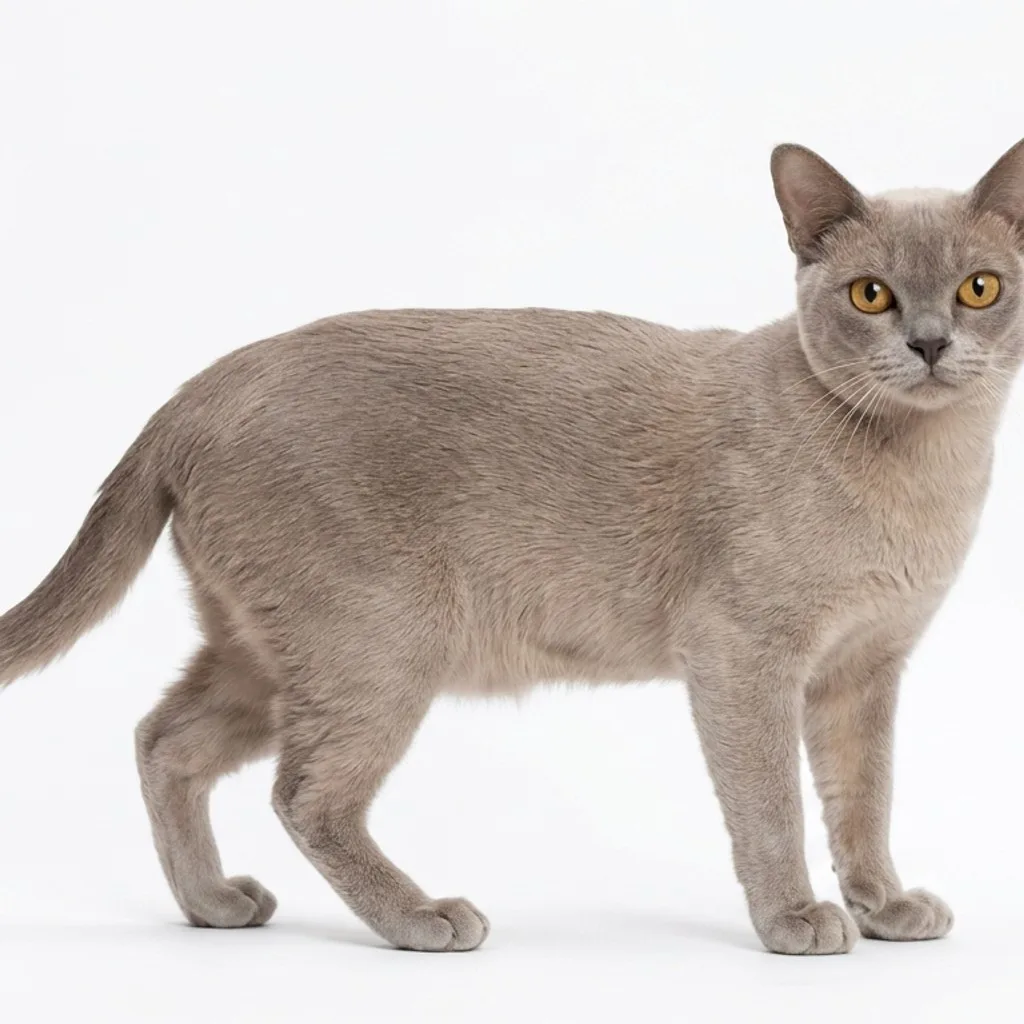
Burmese
The Burmese is a social, affectionate, playful cat that often wants to be part of every household activity. In New Zealand it suits owners who can provide company, warm indoor living, weight control, and safe enrichment.
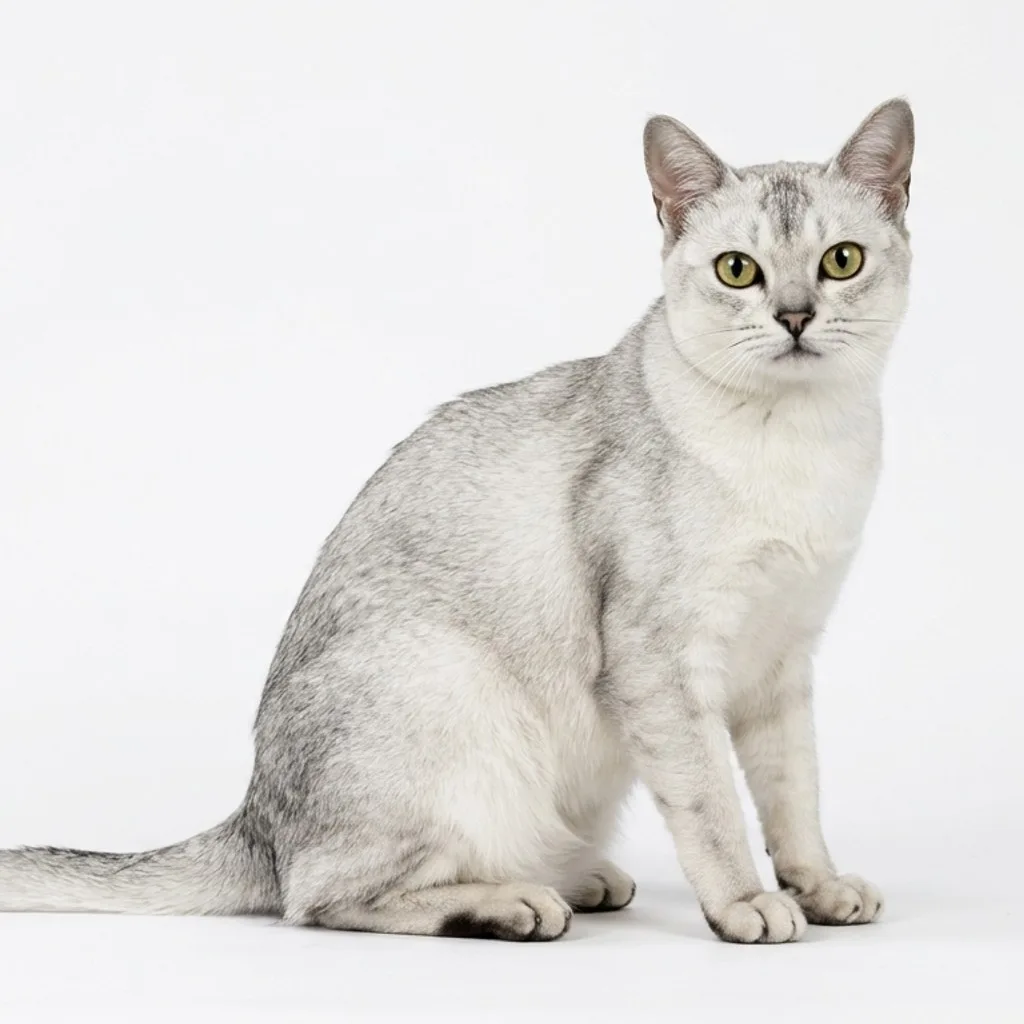
Burmilla
A cross between Burmese and Chinchilla Persian. Burmillas are elegant, social, and more relaxed than the Burmese, known for their stunning silver coat.
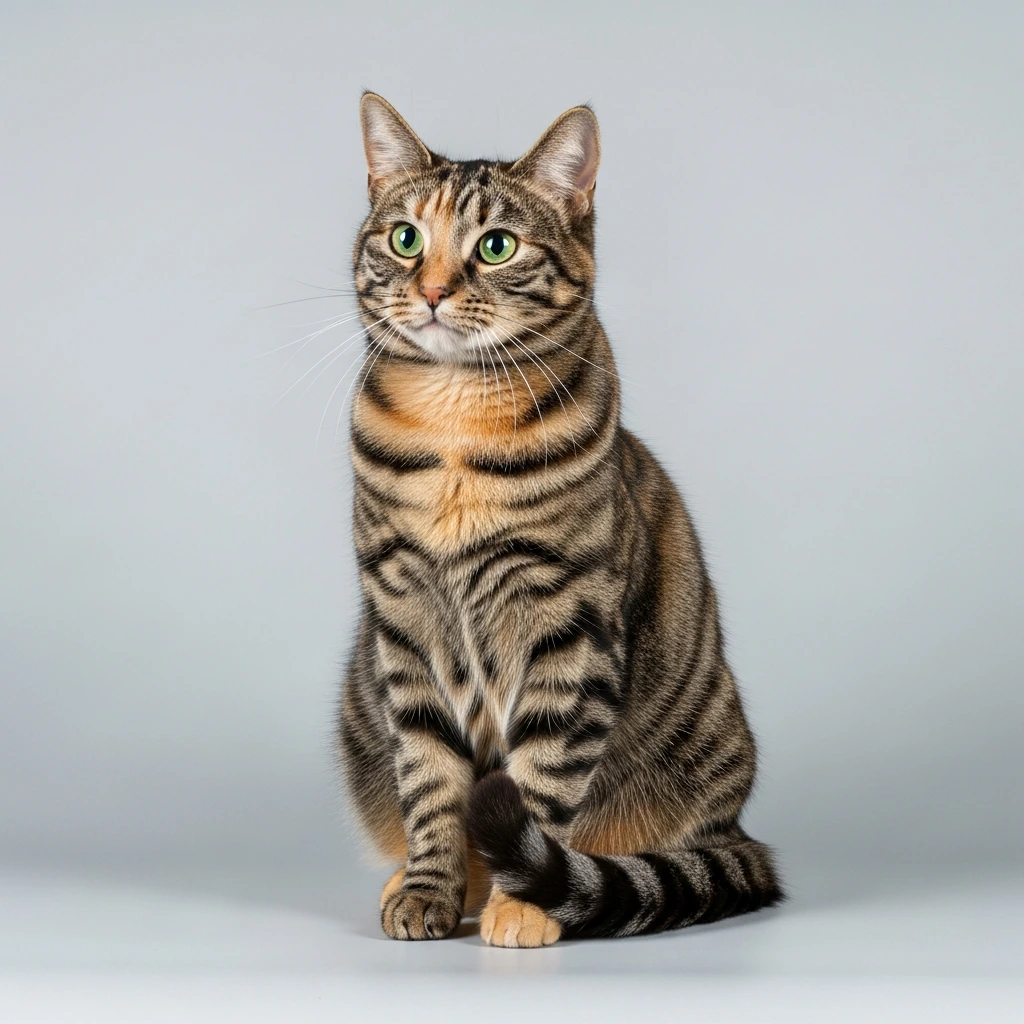
Domestic Mediumhair
The Domestic Mediumhair is a mixed-ancestry companion cat with a coat longer than a shorthair but usually less demanding than a full longhair. It is a practical NZ adoption category and should be judged by personality, health, coat care, and lifestyle fit rather than breed mythology.
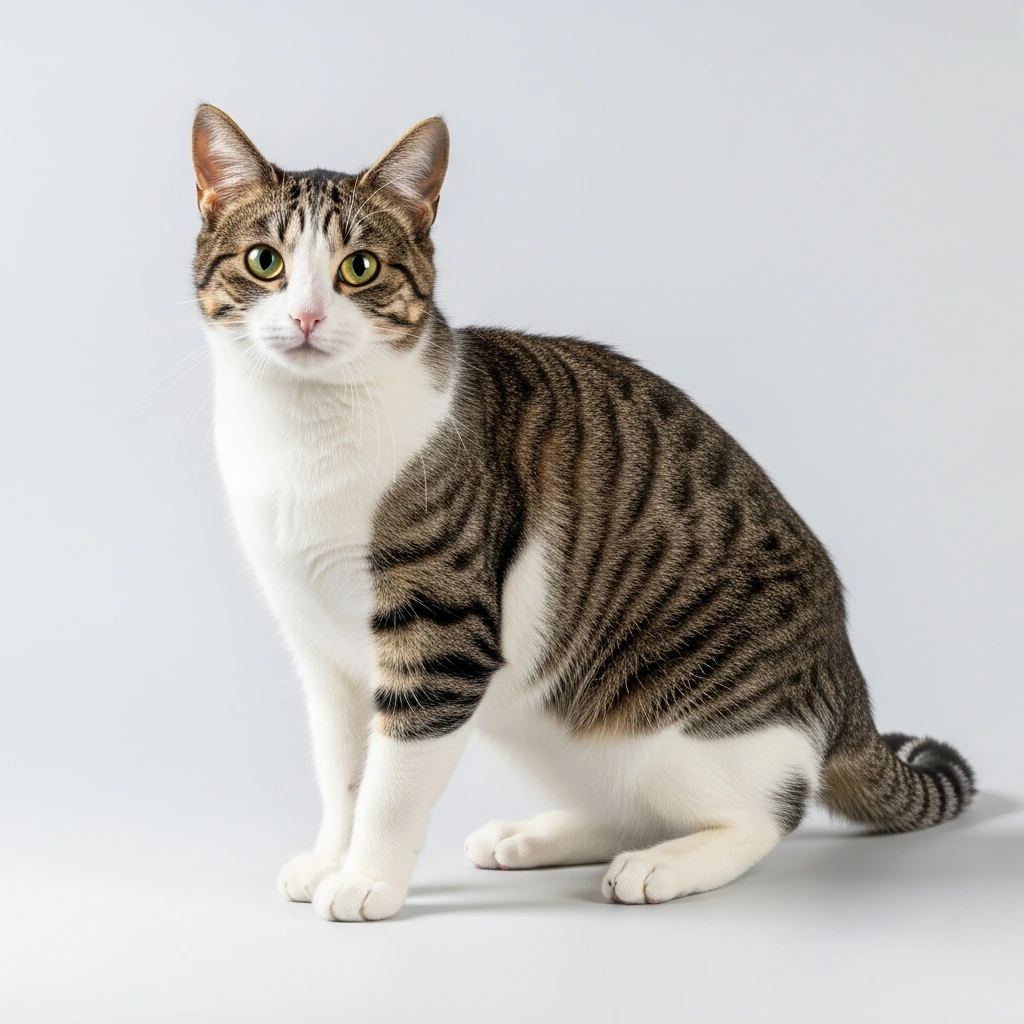
Domestic Shorthair
The Domestic Shorthair is the everyday Kiwi cat: a non-pedigree, short-coated companion with huge variation in colour, personality, and lifestyle. It is often healthier and more adaptable than highly selected breeds, but it still needs microchipping, desexing, parasite control, dental care, enrichment, and a safe indoor/outdoor plan.