Cat Breed Guide NZ
European Burmese
The European Burmese is a captivating and elegant feline, renowned for its striking good looks and an even more impressive personality. These social butterflies thrive on human interaction, forming deep, loyal bonds with their families, often described as 'dog-like' in their devotion. With a sleek, refined build and a talkative, playful nature, they bring endless joy and lively conversation to any home. For Kiwis seeking an affectionate companion who loves to be at the heart of family life, the European Burmese is an ideal fit, adapting beautifully to a warm, interactive New Zealand household. Their intelligence and playful spirit make them wonderful companions for active families, seamlessly integrating into the vibrant Kiwi lifestyle.
Photo Gallery
Breed Snapshot
- Size
- 3 - 6 kg
- Lifespan
- 10 - 15 years
- Origin
- Being enriched
- Temperament
- Sweet, Affectionate, Loyal
- NZ Price
- $1,200 - $2,800 NZD from registered breeders; $150-$350 NZD adoption via SPCA (if available, often mixed breeds)
- Annual Vet Cost
- Estimated annual vet costs for a European Burmese in New Zealand can range from **$400 - $700 NZD** for routine preventative care. This typically includes annual check-ups, core vaccinations (F3/F4), year-round flea and worm treatments, and potentially dental check-ups. While generally a healthy breed, European Burmese can be predisposed to a few specific conditions. Feline Orofacial Pain Syndrome (FOPS) is a neurological disorder causing extreme pain in the mouth area, which may require ongoing veterinary management. Hypokalaemia, a condition of low potassium, can also occur, often managed with dietary supplements. Like all cats, they can be susceptible to common feline ailments such as dental disease, obesity, and kidney issues as they age. Regular veterinary check-ups are crucial for early detection and management of any health concerns, ensuring your European Burmese leads a long, healthy life in New Zealand. Pet insurance is also a popular option for Kiwi owners to help manage unexpected vet bills, providing peace of mind for potential breed-specific or age-related health challenges.
Personality Scores
NZ Lifestyle Fit
The European Burmese is highly adaptable to various New Zealand living situations, provided their core need for companionship is met. For those in an Auckland apartment, they can thrive beautifully, as long as they receive ample attention, playtime, and mental stimulation. Their moderate energy levels mean they don't require vast spaces, but a stimulating indoor environment with climbing trees and interactive toys is key. In a house with a section, they will appreciate the extra room, but it's crucial to keep them primarily as indoor cats or provide a secure catio. Their trusting nature and short coat make them vulnerable to traffic, other animals, and the elements if left unsupervised outdoors. Rural NZ farm life is generally not recommended for this breed due to the increased risks from wildlife, farm machinery, and the potential for them to roam too far from human contact. Regarding climate, their short coat means they handle Auckland's humid summers well, but always ensure access to cool, shaded spots and fresh water. In the South Island's colder winters, they will need a warm, indoor environment, often seeking out sunny spots or snuggling under blankets. New Zealand's high UV levels make indoor living beneficial for their skin health. There are no specific MPI restrictions on owning European Burmese cats in New Zealand.
Origins & History
The story of the European Burmese is intertwined with its American cousin, yet distinct. Both trace their lineage back to a single cat named Wong Mau, a small, walnut-brown cat brought from Burma (now Myanmar) to the United States in 1930. Wong Mau was bred with a Siamese, and her offspring eventually led to the development of the Burmese breed. However, over time, British breeders began to select for a different look and temperament, diverging from the American standard. The European Burmese, as we know it today, was developed in the United Kingdom from the 1980s onwards. British breeders aimed for a more elegant, less cobby body type and a wider array of coat colours than initially recognised in the American standard. This careful breeding established the European Burmese as a distinct and beloved breed, celebrated for its unique charm and refined appearance, while still retaining the core affectionate nature of its ancestors.
Appearance
The European Burmese is a picture of feline elegance and athleticism. They possess a medium-sized, muscular yet refined body, neither cobby nor svelte, giving them a graceful and agile presence. Their heads are gently rounded, with a broad, short muzzle and a firm chin. Large, expressive eyes, typically golden to amber in colour, are set well apart, giving them an alert and intelligent gaze. Their ears are medium-sized, set well apart and slightly tilted forward, adding to their inquisitive expression. The hallmark of the European Burmese is its short, fine, and incredibly glossy coat, which lies close to the body, feeling like satin to the touch. This luxurious coat comes in a stunning array of colours, including traditional brown (sable), blue, chocolate, lilac, red, cream, and various tortie patterns, all with subtle shading that highlights their muscular contours.
Temperament & Personality
If you're looking for a cat that acts more like a dog, the European Burmese might be your perfect match. These cats are renowned for their exceptionally sweet, affectionate, and loyal personalities. They thrive on human interaction and are often described as "people cats" who crave companionship and involvement in all family activities. They will follow you from room to room, perch on your shoulder, or snuggle under the duvet, always seeking to be close. European Burmese are highly intelligent and incredibly playful, enjoying interactive games and even learning tricks. They are also known for being quite vocal, engaging in charming conversations with their owners, expressing their thoughts with a range of chirps, purrs, and meows. Their patient and tolerant nature makes them excellent companions for children and other pets, provided they are introduced properly. They are truly devoted family members who bring warmth, laughter, and endless affection into a home.
Life in New Zealand
The European Burmese adapts wonderfully to life in New Zealand, particularly for families or individuals who can provide consistent companionship and a stimulating indoor environment. Their social nature means they thrive when integrated into daily family routines, whether that's helping you with chores, watching TV, or simply curling up on your lap. Given their affectionate disposition, they are not suited to being left alone for long periods, making them ideal for households where someone is often home or where they have other pet companions. While they enjoy supervised outdoor time in a secure catio or on a leash, their short coat and trusting nature make them vulnerable to outdoor hazards, so keeping them primarily as indoor cats is generally recommended for their safety and longevity in New Zealand's varied environments. Their intelligence means they appreciate puzzle toys and regular play sessions to keep their minds engaged.
Is This the Right Breed for You?
The European Burmese is an exceptional choice for those seeking a highly interactive, affectionate, and loyal feline companion. They are best suited for individuals or families who can dedicate time to play, cuddle, and engage with their cat daily. If you appreciate a cat that will greet you at the door, "talk" to you, and always want to be by your side, then this breed will bring immense joy to your life. They are generally good with respectful children and can coexist peacefully with other pets, making them a fantastic addition to multi-pet households. However, if you travel frequently or have a lifestyle that requires your pet to be independent for long stretches, a European Burmese might not be the best fit, as their need for companionship is paramount. For a vibrant, loving, and highly social feline friend, the European Burmese is truly a gem.
Fun Facts
Fact 1
European Burmese are often called "Velcro cats" because of their strong desire to be constantly close to their human companions.
Fact 2
They are known for their distinctive "Burmese trill" – a unique, soft, chirping sound they use to communicate.
Fact 3
Unlike many cat breeds, they are often tolerant of leash training and can enjoy supervised walks.
Fact 4
Their short, sleek coat is often described as feeling like warm satin or mink to the touch.
Fact 5
The European Burmese comes in a wider array of colours than its American counterpart, including red, cream, and various tortie patterns.
Related Breeds
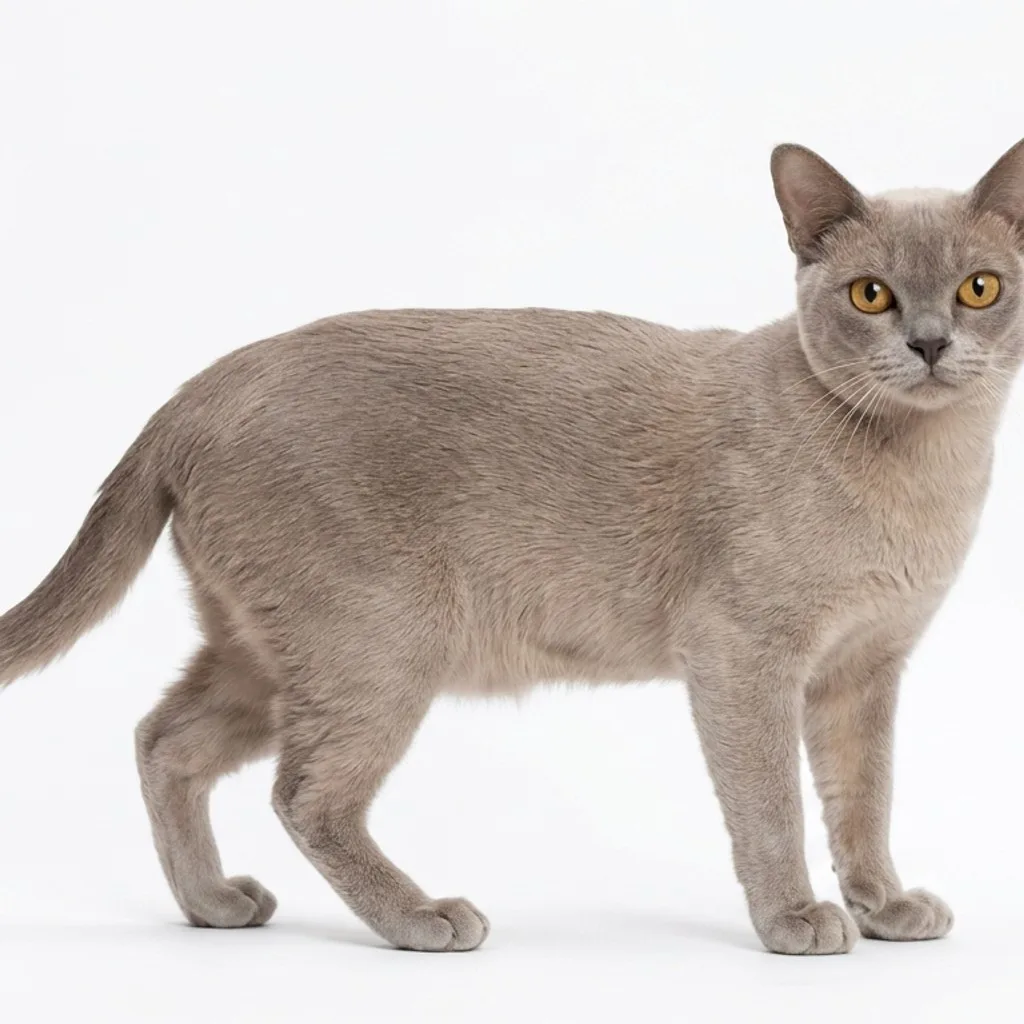
Burmese
The Burmese is a social, affectionate, playful cat that often wants to be part of every household activity. In New Zealand it suits owners who can provide company, warm indoor living, weight control, and safe enrichment.
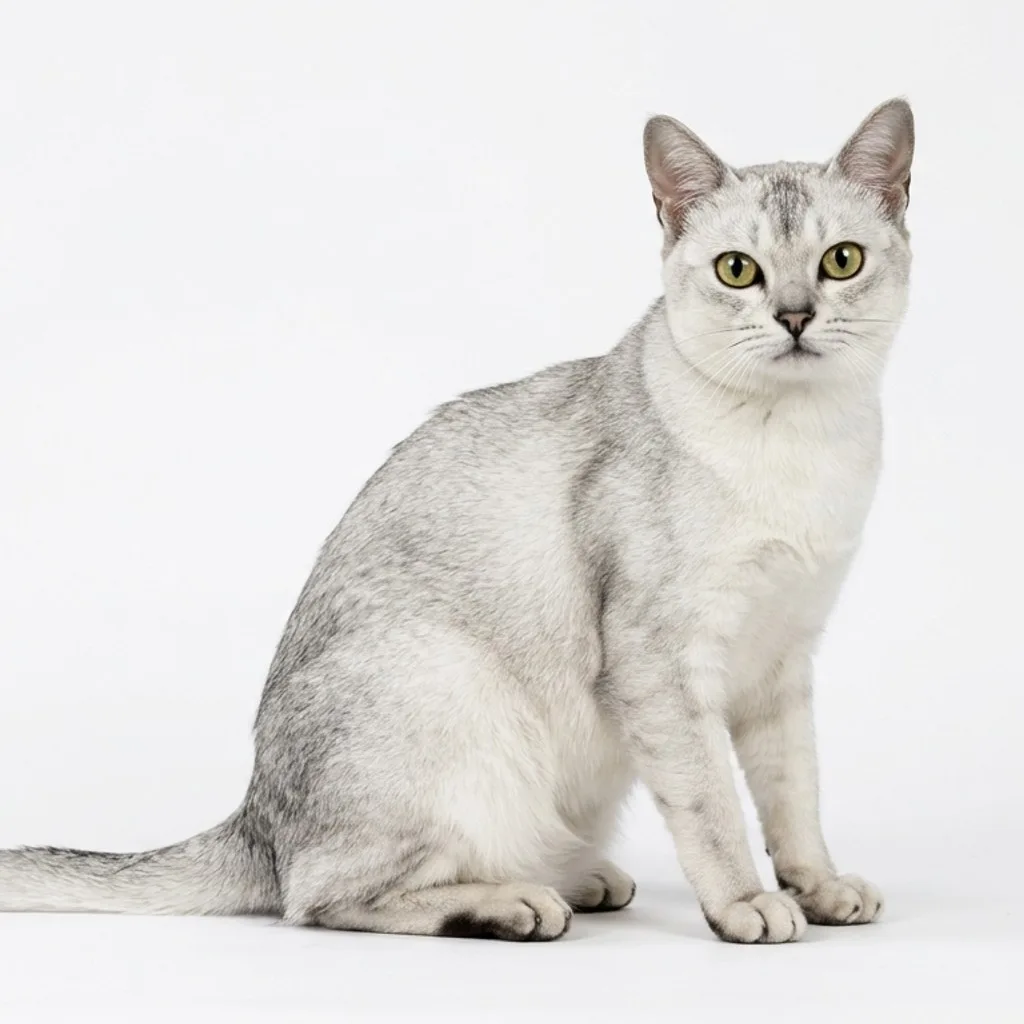
Burmilla
A cross between Burmese and Chinchilla Persian. Burmillas are elegant, social, and more relaxed than the Burmese, known for their stunning silver coat.
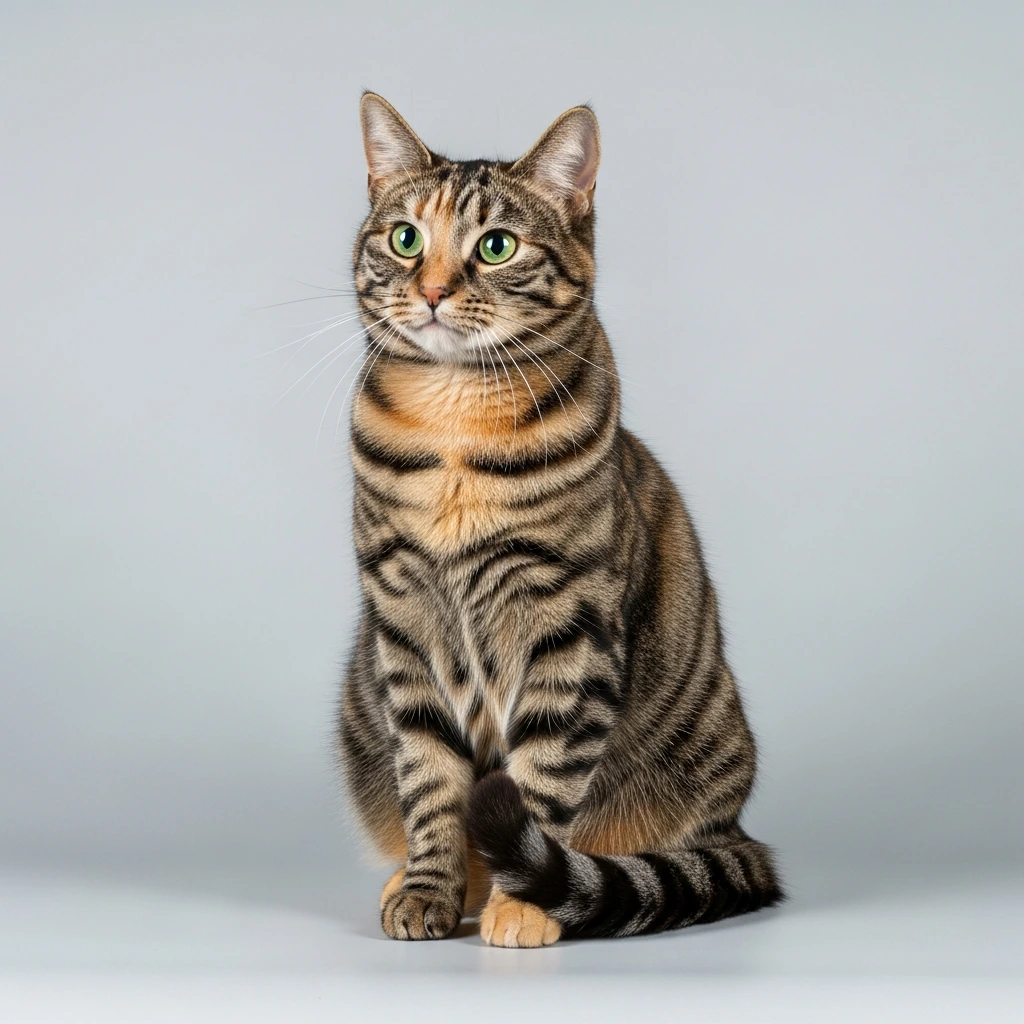
Domestic Mediumhair
The Domestic Mediumhair is a mixed-ancestry companion cat with a coat longer than a shorthair but usually less demanding than a full longhair. It is a practical NZ adoption category and should be judged by personality, health, coat care, and lifestyle fit rather than breed mythology.
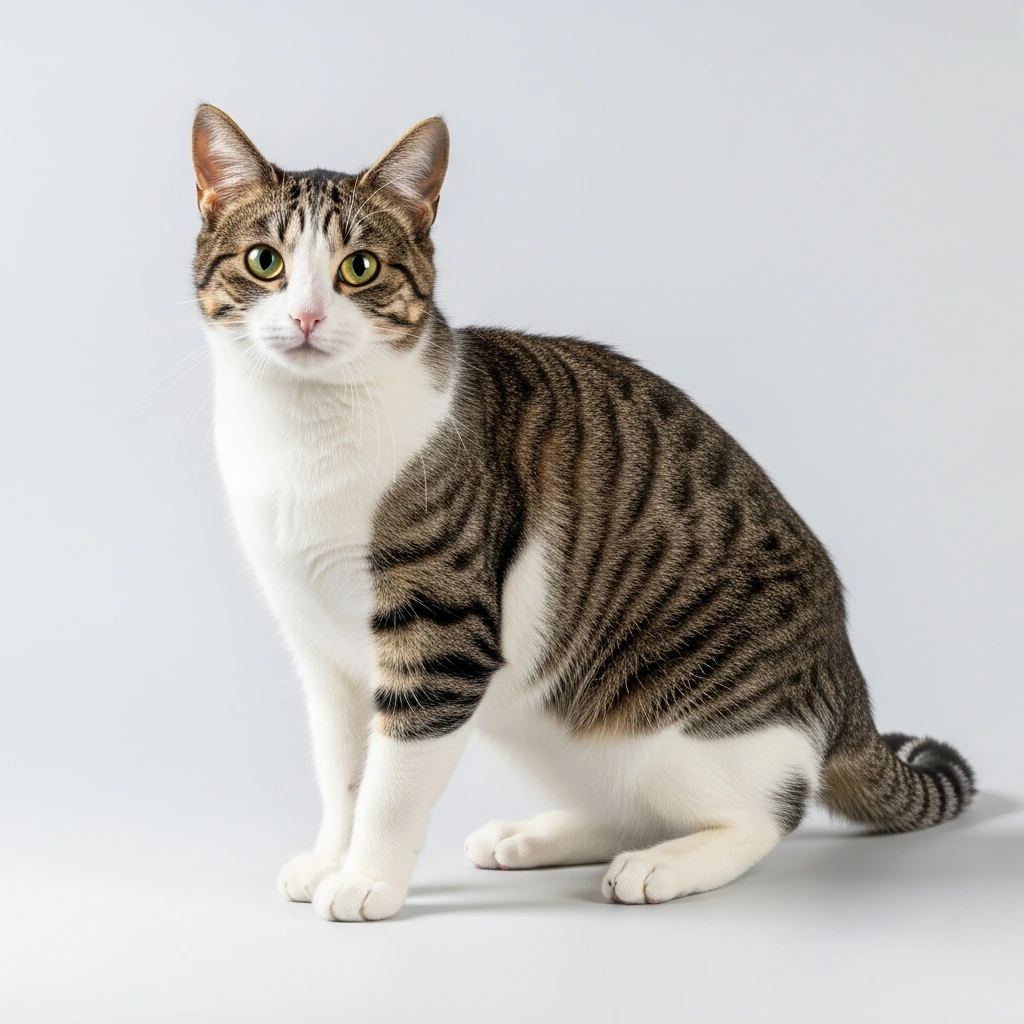
Domestic Shorthair
The Domestic Shorthair is the everyday Kiwi cat: a non-pedigree, short-coated companion with huge variation in colour, personality, and lifestyle. It is often healthier and more adaptable than highly selected breeds, but it still needs microchipping, desexing, parasite control, dental care, enrichment, and a safe indoor/outdoor plan.