Pet Breed Guide NZ
Syrian Hamster (Golden Hamster)
Popular pet rodent worldwide but completely prohibited in New Zealand under the Biosecurity Act.
Photo Gallery
NZ Ownership Snapshot
Prohibited in NZ- Noise Level
- quiet
- Social Needs
- solitary
- UVB Required
- No
Syrian Hamsters are PROHIBITED in New Zealand under the Biosecurity Act. No exceptions or permits exist. Legal NZ alternatives: guinea pigs, rats, mice.
Breed Snapshot
- Size
- small
- Lifespan
- 2-3 years
- Origin
- Syria and the Middle East
- Care Focus
- Nocturnal, solitary; curious when tame; may bite if startled or handled during the day
- NZ Price
- NOT AVAILABLE IN NZ — prohibited species
Personality Scores
NZ Lifestyle Fit
Completely banned in NZ. Cannot be imported, kept, or bred.
The Syrian Hamster (Mesocricetus auratus) is one of the worlds most popular small pets globally. However, they are completely prohibited in New Zealand under the Biosecurity Act due to the biosecurity risk of escaped animals establishing feral populations that could devastate NZ native wildlife. There are no exceptions, no permits, and no quarantine options — the ban is absolute. The full legal position, and why no permit or quarantine route exists, is covered in why hamsters are banned here, and what you can keep instead. If you want a similar small pet in NZ, consider guinea pigs, fancy rats, or fancy mice, all of which are legal.
Related Breeds
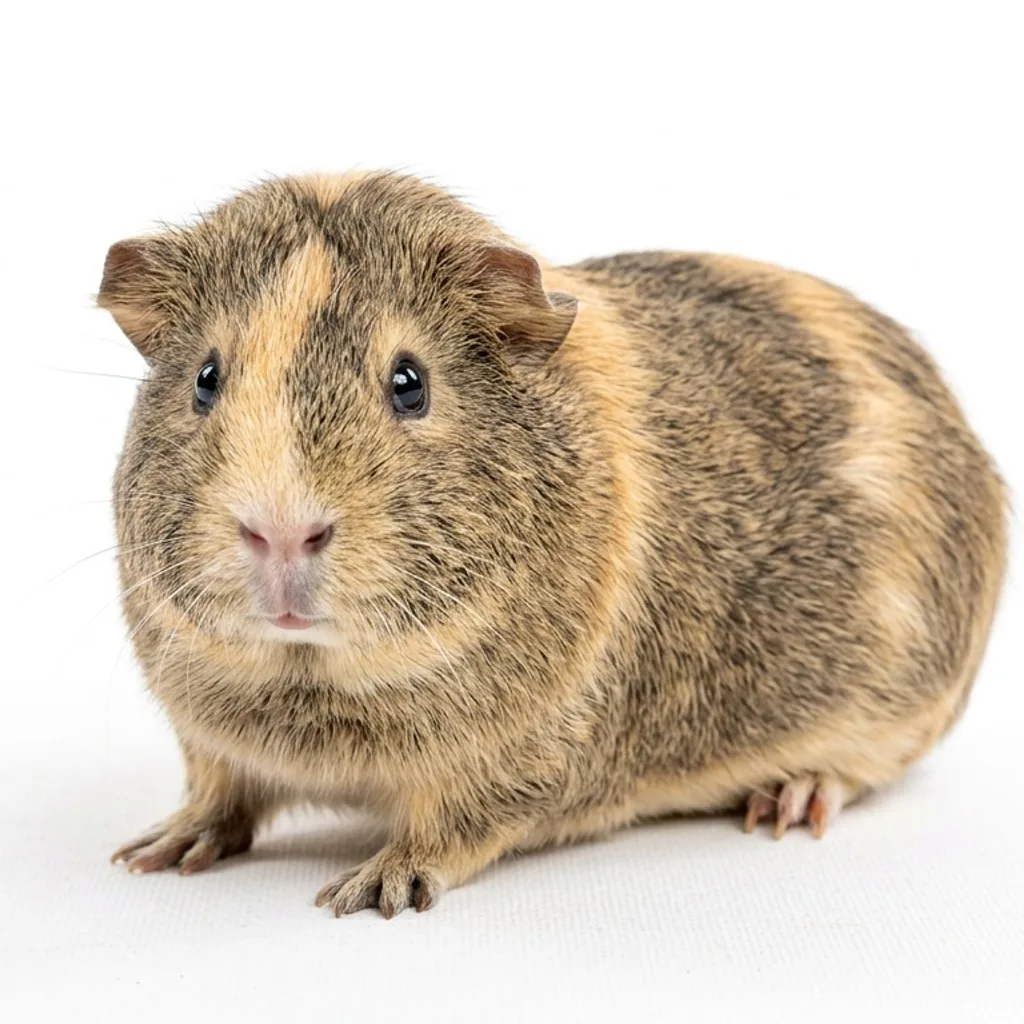
Abyssinian Guinea Pig
The Abyssinian is the rosetted guinea pig: at least eight whorls of coarse, short to medium fur set across the shoulders, back and hips, giving every animal its own tousled pattern in colours from black, white, cream and red through tortoiseshell-and-white and roan. Adults weigh around 700 to 1200 grams and live four to seven years. Abyssinians tend to be more outgoing and mischievous than smooth-coated guinea pigs, busy and talkative animals that wheek at feeding time, purr while being stroked, and popcorn about the cage in sudden joyful jumps. They are strongly social and should live with at least one other guinea pig. Daily needs are straightforward: unlimited hay, vitamin C-rich vegetables such as capsicum and parsley, a measured serving of pellets, spot-cleaning, and an hour of supervised floor time. The coat itself asks little beyond routine checks. A good match for a family wanting an interactive small pet with plenty of personality.
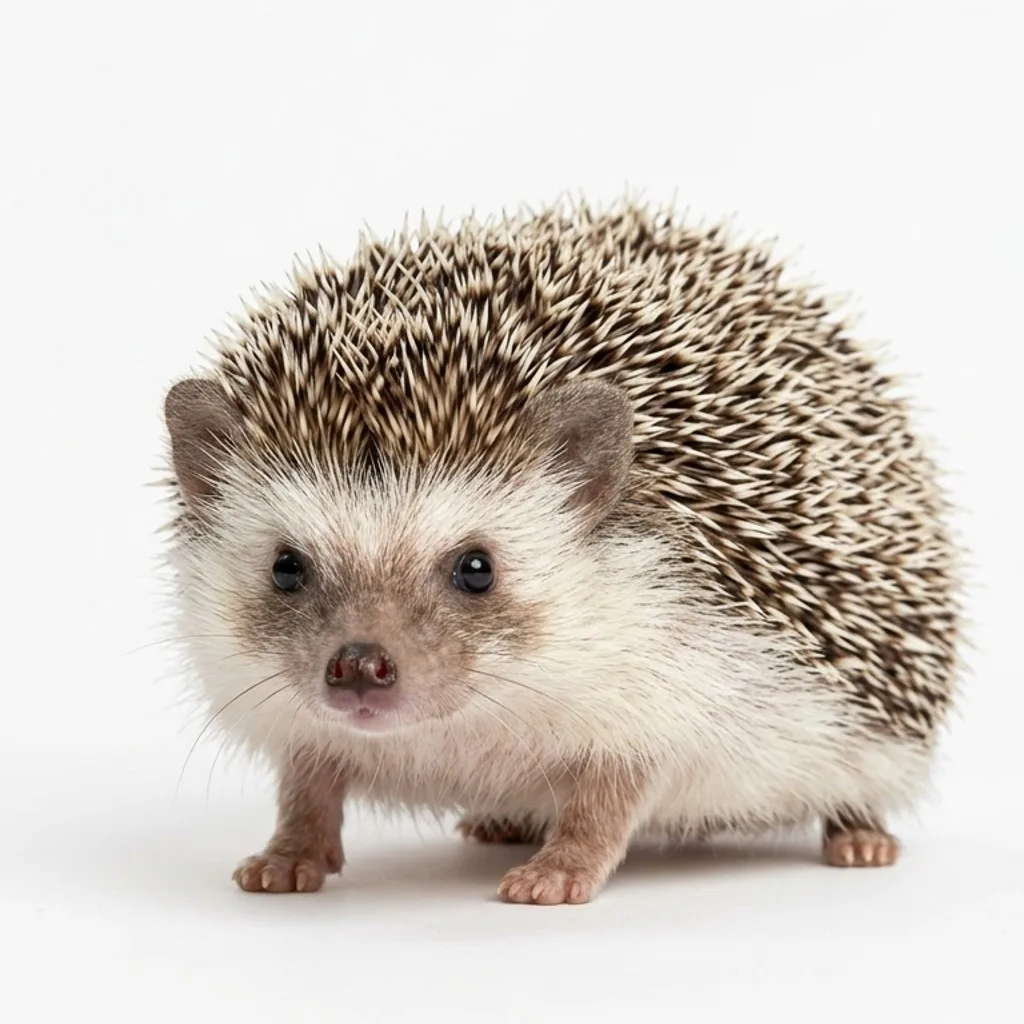
African Pygmy Hedgehog
The African Pygmy Hedgehog cannot legally be kept as a pet in New Zealand — there is no lawful import route (MPI allows only rabbits and guinea pigs from Australia and chinchillas from the UK), and DOC treats hedgehogs in NZ as an animal pest that preys on native lizards, invertebrates and ground-nesting birds. This page explains the species and the NZ legal reality; it is not a care guide for keeping one here. Typical lifespan overseas is 3-6 years.
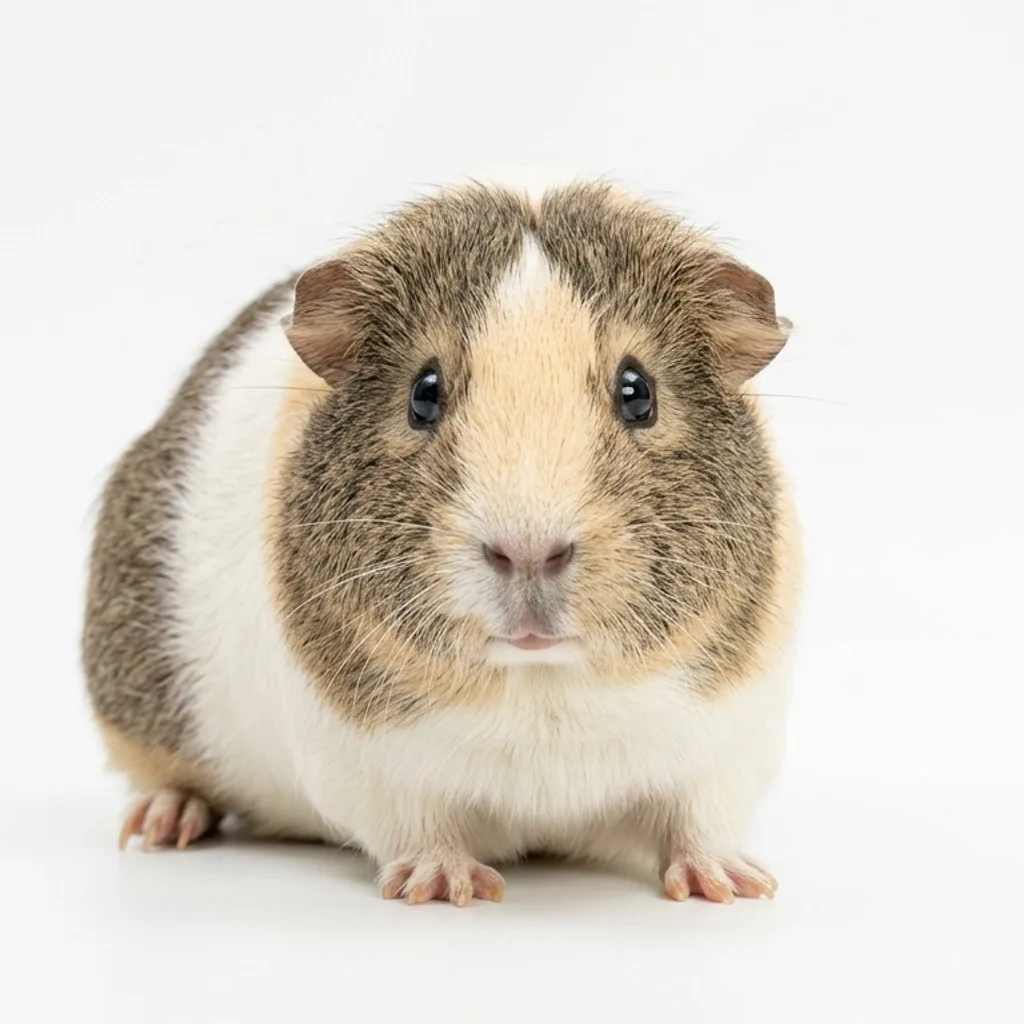
American Guinea Pig
The American is the short-coated cavy, the classic guinea pig: a dense, smooth coat lying flat against a stout, compact body of about 700 g to 1.2 kg and 20 to 25 cm, with short legs and no visible tail. Colours range from solid black, white, cream and red through agouti, roan and brindle, and lifespan is typically 4 to 7 years. Temperament is docile and friendly. These are sociable animals that live best in pairs or small groups, communicating by wheeking, purring and rumbling, and often shy at first until patient handling builds trust. Grooming stays minimal thanks to the short coat, so daily work is diet and hygiene: unlimited hay, fresh vegetables rich in vitamin C such as leafy greens and broccoli, a measured portion of fortified pellets, spot-cleaning, and 30 to 60 minutes of supervised floor time. Nails need trimming monthly. A sound match for first-time small-pet homes and for families with gentle, well-coached children.
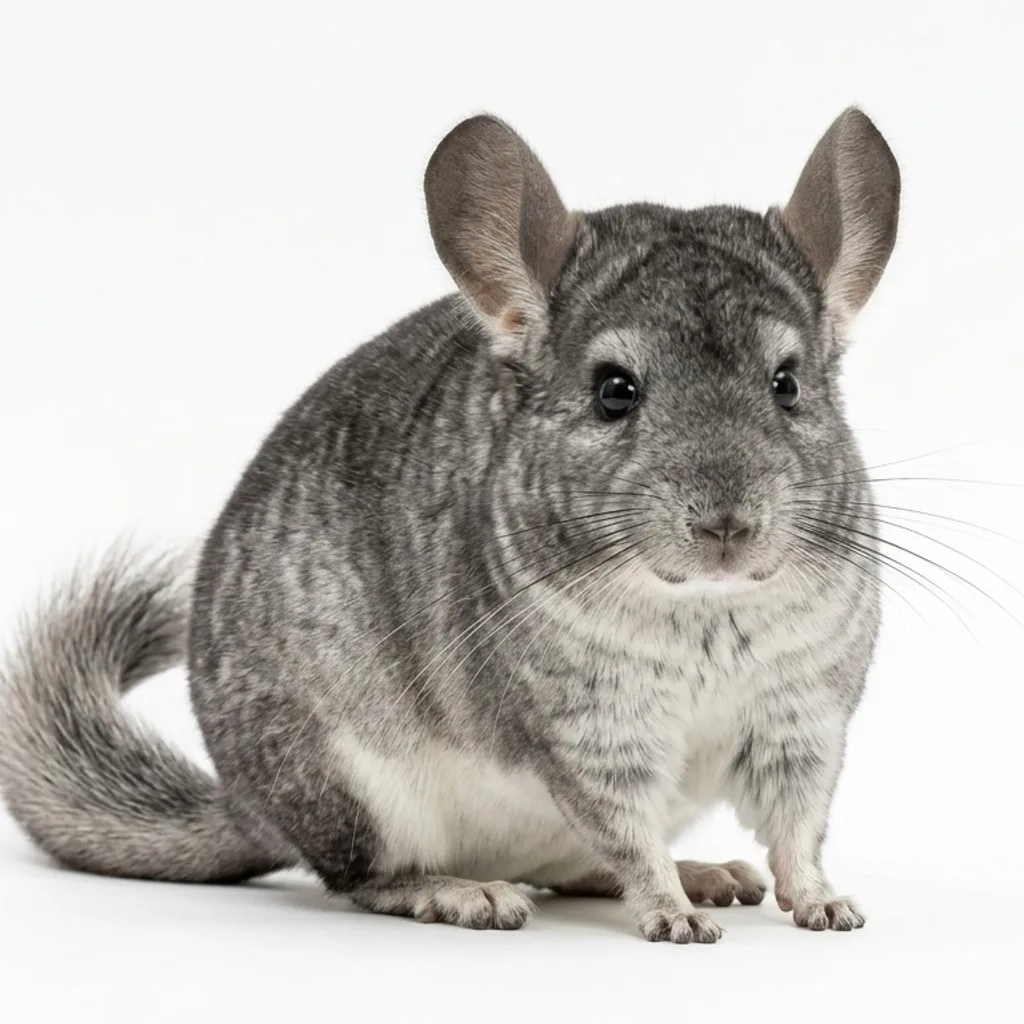
Chinchilla
The Chinchilla is a dense-furred rodent from the Andes of South America, active mainly at dawn and dusk and unusually long-lived for a small pet at fifteen to twenty years. Adults weigh roughly 400 to 800 grams, with a body of 25-35 cm plus a bushy tail, and coats running from the standard grey through beige, white, black and sapphire. Character is curious, agile and playful rather than cuddly: chinchillas would mostly rather climb, explore and chew than sit on a lap, and they turn skittish without calm, regular handling. They are social animals, usually kept in same-sex pairs or small groups. Care is specific, meaning a tall multi-level cage, a daily dust bath of ten to fifteen minutes, unlimited timothy hay with chinchilla-formulated pellets, and a room held below 25C, because heat is genuinely dangerous to them. A long-term pet for a patient household, not a starter animal.