Pet Breed Guide NZ
Angora Rabbit
The Angora Rabbit is a truly distinctive small pet, renowned globally for its incredibly soft, luxurious wool. Originating from Turkey, these gentle giants are not just beautiful; they possess a docile and calm temperament, making them delightful companions for dedicated owners. Their unique coat requires significant commitment, setting them apart from other rabbit breeds. In New Zealand, Angora Rabbits are generally legal to keep as pets, offering Kiwis the opportunity to experience the joy of owning these fluffy creatures. However, prospective owners should always confirm current MPI guidance and local council bylaws to ensure compliance before bringing one home.
Photo Gallery
NZ Ownership Snapshot
Verified NZ Status- Noise Level
- quiet
- Social Needs
- pairs
- Animal Type
- rabbit
- Diet Type
- Hay-led herbivore diet with vegetables and pellets
- UVB Required
- No
Verified MPI pet-import pathway: rabbits may be imported as pets only from Australia under MPI requirements. Local council bylaws and animal welfare obligations may still apply.
Breed Snapshot
- Size
- medium
- Lifespan
- 7-12 years
- Origin
- Turkey
- Care Focus
- Social rabbit breed that needs gentle handling, secure housing, and daily enrichment.
- NZ Price
- NZD $80 - $250
- Annual Vet Cost
- NZD $150 - $400 annually (includes routine check-ups, vaccinations, potential for higher costs due to limited exotic vet availability)
Personality Scores
NZ Lifestyle Fit
Angora Rabbits can be suitable for various New Zealand homes, provided their specific needs are met. For apartment dwellers, a spacious indoor setup is essential, ensuring they have ample room for exercise and a quiet environment. Homes with secure gardens or sections are ideal, allowing for a safe outdoor run during the day, protected from predators and the elements. Climate considerations are crucial in NZ; in humid northern regions like Auckland, their dense wool is prone to matting, necessitating diligent daily grooming. In colder South Island areas, robust, insulated housing is vital to protect them from the chill. There are generally no regional restrictions on keeping Angora Rabbits in NZ, but owners must always consult their local council for specific bylaws. Legally, Angoras can be sourced from reputable breeders across New Zealand or occasionally through rescue organisations like SPCA NZ, ensuring they come from ethical and healthy backgrounds.
Verified MPI pet-import pathway: rabbits may be imported as pets only from Australia under MPI requirements. Local council bylaws and animal welfare obligations may still apply.
About the Angora Rabbit
The Angora Rabbit is one of the oldest domestic rabbit breeds, originating from Ankara, Turkey (historically Angora). These charming small pets are primarily known for their long, soft wool, which is often harvested for textiles. With a lifespan typically ranging from 7 to 12 years, Angoras require a significant commitment from their owners. They are medium-sized rabbits, generally weighing between 2.5 to 5.5 kg depending on the specific Angora breed (e.g., English, French, Giant, Satin). Their gentle and docile nature makes them suitable pets for individuals or families prepared for their unique care requirements. Unlike many other rabbit breeds, the Angora's primary appeal lies in its stunning appearance and the tactile experience of its wool, rather than high energy or complex tricks.
What They Look Like
Angora Rabbits are instantly recognisable by their dense, long, and incredibly soft wool, which covers their entire body, often including their ears and face. This wool can grow several inches long, giving them a fluffy, cloud-like appearance. There are several distinct breeds of Angora, each with slightly different wool types and facial features. For example, English Angoras have wool covering their entire face and ears, giving them a very round, teddy-bear look, while French Angoras have smooth faces and legs. Their colours vary widely, including white, black, blue, chocolate, fawn, and various broken patterns. Their eyes are typically large and expressive, often hidden beneath their voluminous fur. Their body structure is generally compact and robust, supporting their heavy coat.
Personality & Behaviour
Angora Rabbits are known for their calm, docile, and gentle temperament. They are not typically high-energy rabbits, preferring quiet environments and gentle handling. Their placid nature makes them less prone to nipping or scratching than some other breeds, provided they are handled regularly and correctly from a young age. Angoras are social animals and thrive on interaction with their human companions. They often enjoy being petted and can form strong bonds with their owners. As indicated by their social needs, they generally do best when kept in pairs, providing companionship and reducing stress. They are intelligent and can be litter-trained, making them suitable for indoor living. However, their long fur can make them more sensitive to being picked up or handled roughly, so a calm approach is always best.
Life in New Zealand
Angora Rabbits are generally legal to keep as small pets in New Zealand. However, responsible ownership dictates that prospective Kiwi owners must always check with the Ministry for Primary Industries (MPI) and their local council for any specific bylaws or updated regulations before acquiring an Angora. While rabbits are a common pet in NZ, local councils can have rules regarding housing, breeding, or numbers. Angoras can adapt to various New Zealand climates, but their dense wool requires careful management. In humid regions like Auckland, their wool can mat easily, while in colder South Island areas, they will need robust, sheltered housing to protect them from extreme temperatures and dampness. Access to specialised exotic vets can be limited in some regions, a factor to consider for their unique health needs.
Is This the Right Pet for You?
Owning an Angora Rabbit is a rewarding experience, but it requires a significant commitment, primarily due to their intensive grooming needs. If you are looking for a low-maintenance pet, an Angora is not the right choice. Owners must be prepared for daily brushing, regular shearing, and vigilant health checks to prevent wool block and other fur-related issues. They need a spacious, secure enclosure, whether indoors or outdoors, with plenty of room to move and explore. Angoras thrive on social interaction, so they are best suited for owners who can dedicate time to handling and playing with them, or for homes where they can be kept in pairs. Their gentle nature makes them suitable for families with older, gentle children who understand how to handle a delicate animal. If you are ready for the dedication required to maintain their beautiful coat and provide a loving, stimulating environment, an Angora Rabbit can be a wonderfully affectionate and unique addition to your Kiwi home.
Fun Facts
Fact 1
Angora Rabbits are one of the oldest domestic rabbit breeds, originating from Ankara, Turkey.
Fact 2
Their luxurious wool is eight times warmer than sheep's wool and is highly prized for spinning into yarn.
Fact 3
There are several distinct breeds of Angora Rabbit, including English, French, Giant, Satin, and German, each with unique characteristics.
Fact 4
Angora wool grows continuously, requiring regular shearing (typically every 3-4 months) to prevent matting and health issues.
Fact 5
Despite their fluffy appearance, Angoras are generally calm and docile, making them gentle companions.
Related Breeds
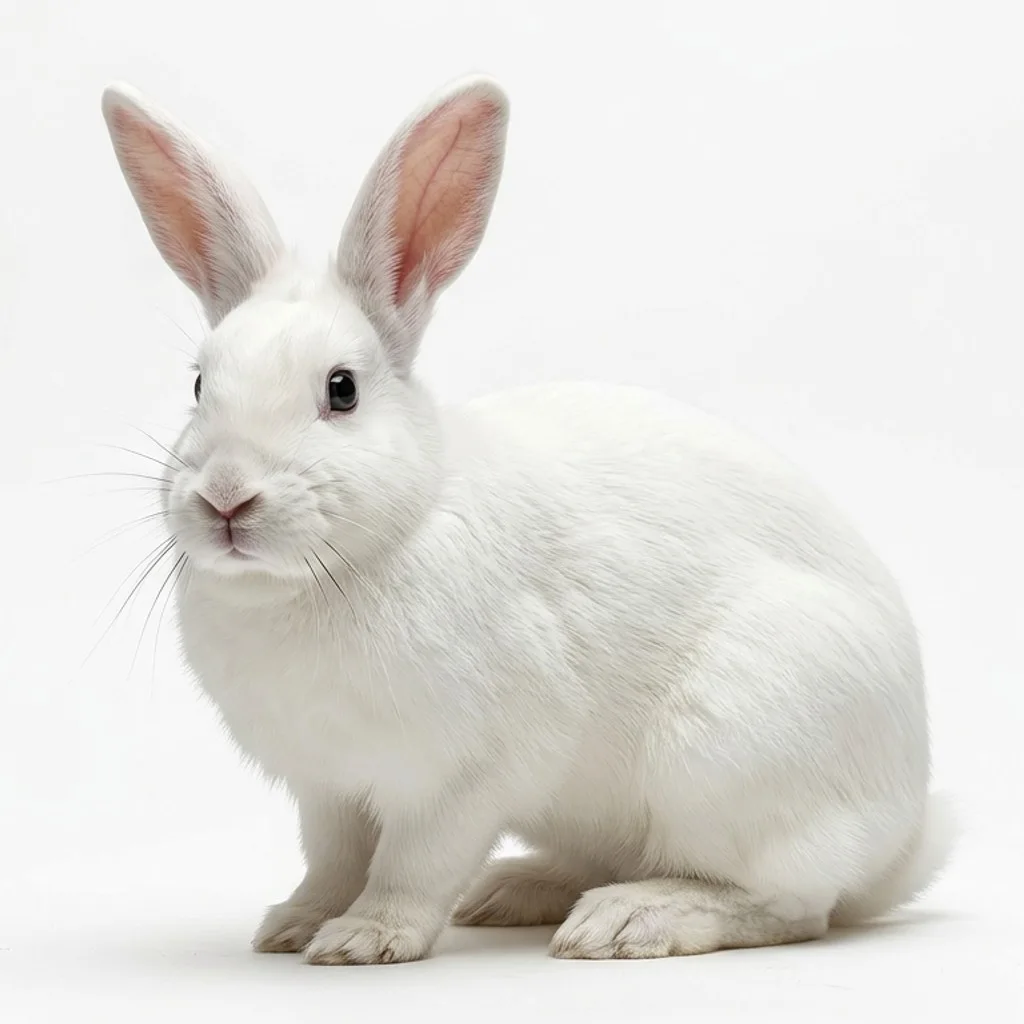
New Zealand White Rabbit
The New Zealand White is a calm, well-muscled medium rabbit with a dense, pure white coat; most are albino with red eyes, though blue-eyed whites also occur. Adults usually weigh 4 to 5.5 kg and live 5 to 8 years. The breed was developed through crosses in the United States, with ties to New Zealand as well, and was first kept for meat and fur before becoming a show and companion animal. Temperament is docile, and the breed is curious enough to explore readily and bond closely with its people, staying most active around dawn and dusk. Digging and chewing are natural behaviours here, so digging boxes and chew toys earn their place. Daily needs are a hay-led diet, three to four hours of supervised exercise in a secure, rabbit-proofed run, spot-cleaning, and nail trims every four to six weeks. It suits a patient household with floor space and room for a bonded pair.
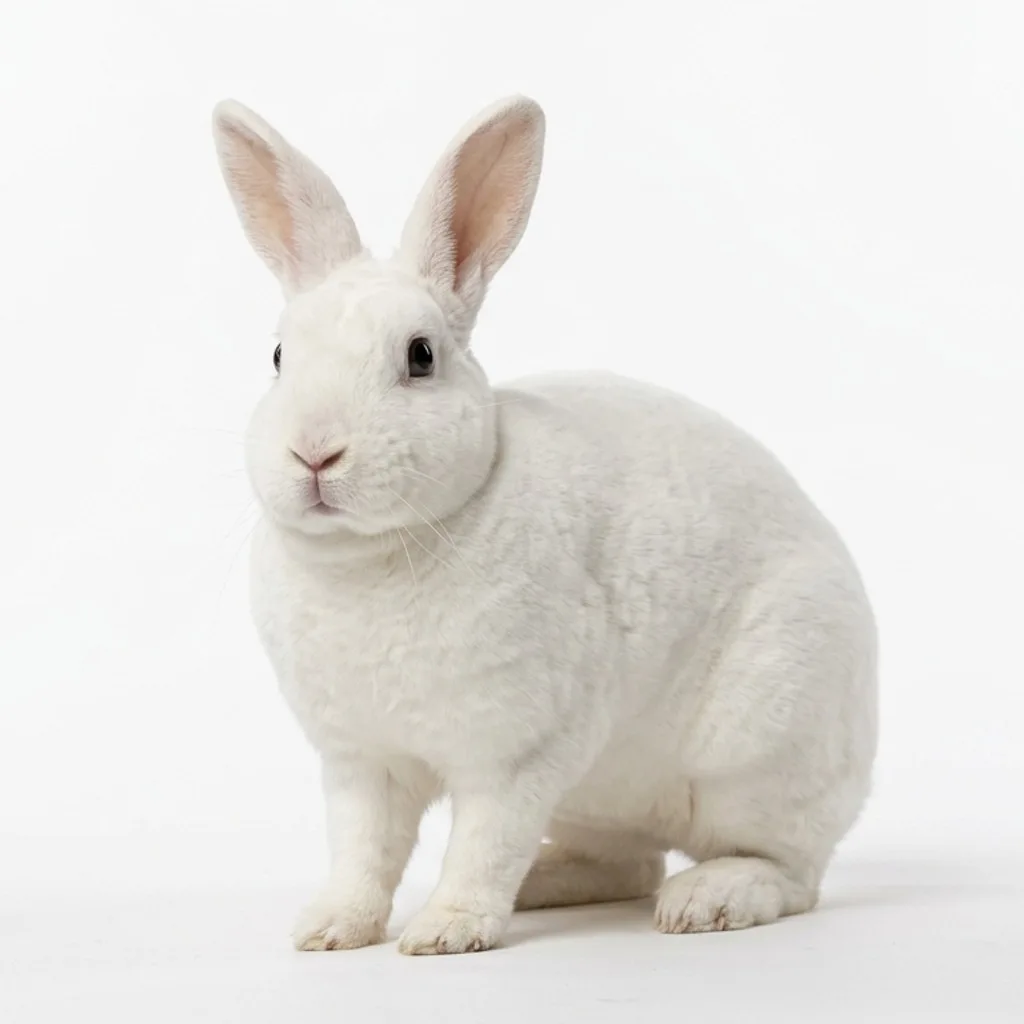
Rex Rabbit
The Rex is a medium rabbit from France whose coat sets it apart: a natural mutation shortens the guard hairs to the length of the undercoat, so the fur is dense, plush and feels like velvet. It appears in solid blacks, whites and reds as well as broken and Californian patterns, with adults weighing roughly 3.4 to 4.8 kg and living about five to six years. Rex rabbits are typically calm and affectionate, quiet in the house, curious without being frantic, and clever enough to learn routines, answer to a name and use a litter tray. They are social and settle best in bonded pairs. Care is mostly routine: unlimited hay as the bulk of the diet, fresh leafy greens, a small pellet ration, gentle brushing to stop the plush coat matting, and two to three hours of supervised free-roaming daily, ideally with a digging box. A steady, affectionate rabbit for an owner able to commit to daily handling.
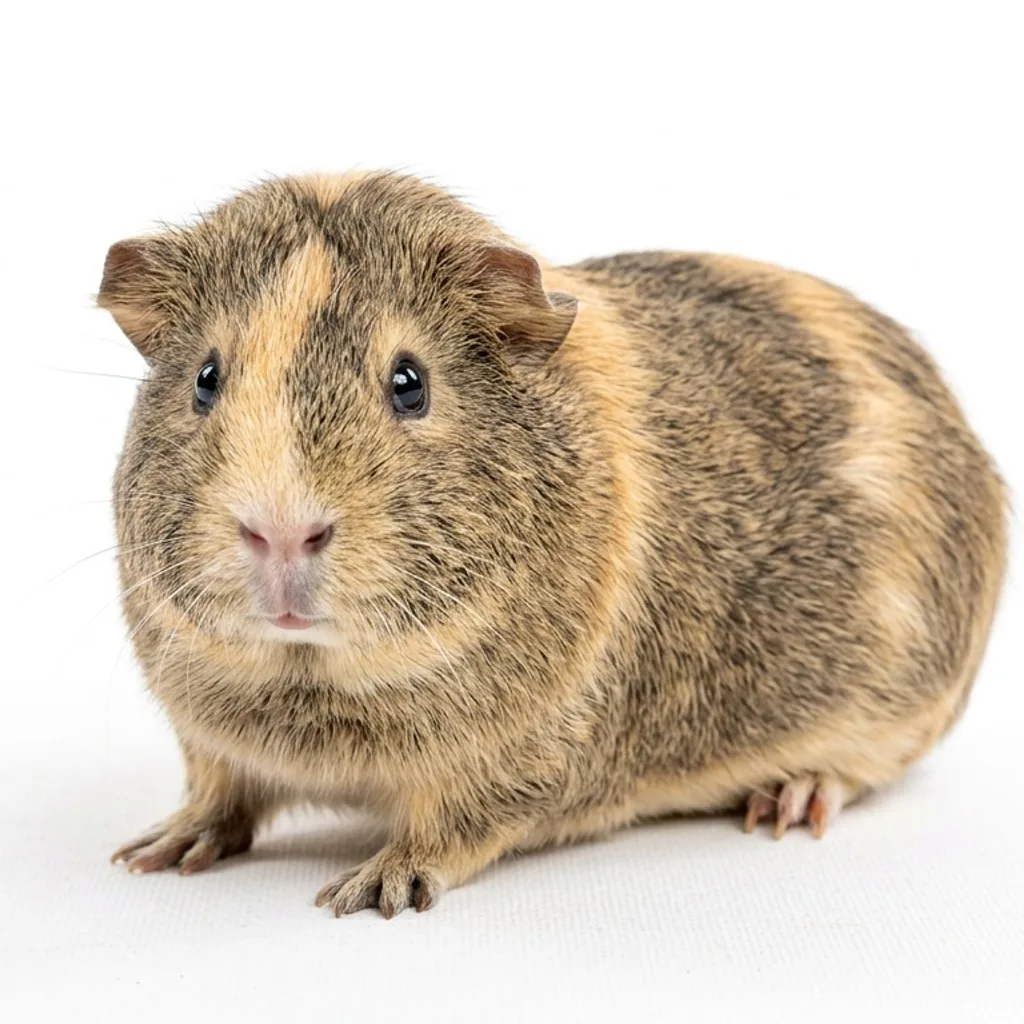
Abyssinian Guinea Pig
The Abyssinian is the rosetted guinea pig: at least eight whorls of coarse, short to medium fur set across the shoulders, back and hips, giving every animal its own tousled pattern in colours from black, white, cream and red through tortoiseshell-and-white and roan. Adults weigh around 700 to 1200 grams and live four to seven years. Abyssinians tend to be more outgoing and mischievous than smooth-coated guinea pigs, busy and talkative animals that wheek at feeding time, purr while being stroked, and popcorn about the cage in sudden joyful jumps. They are strongly social and should live with at least one other guinea pig. Daily needs are straightforward: unlimited hay, vitamin C-rich vegetables such as capsicum and parsley, a measured serving of pellets, spot-cleaning, and an hour of supervised floor time. The coat itself asks little beyond routine checks. A good match for a family wanting an interactive small pet with plenty of personality.
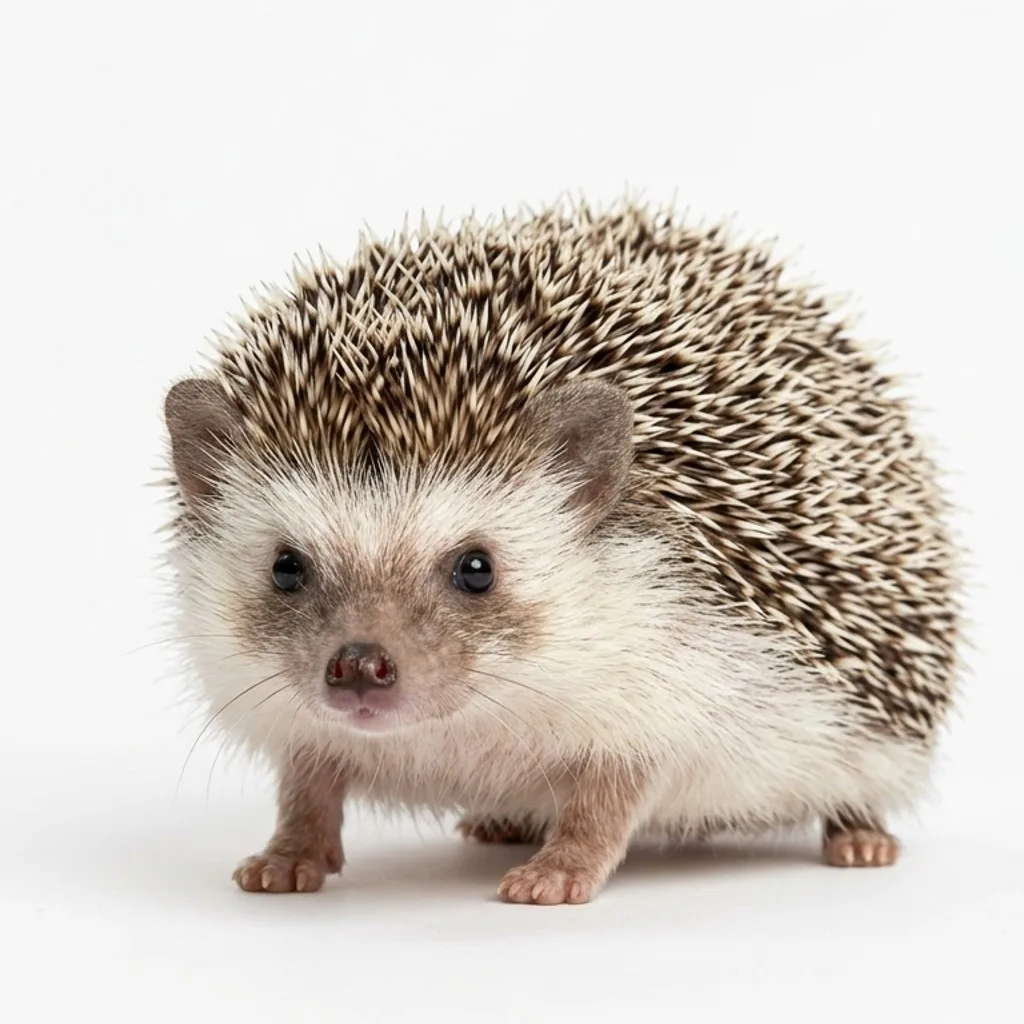
African Pygmy Hedgehog
The African Pygmy Hedgehog cannot legally be kept as a pet in New Zealand — there is no lawful import route (MPI allows only rabbits and guinea pigs from Australia and chinchillas from the UK), and DOC treats hedgehogs in NZ as an animal pest that preys on native lizards, invertebrates and ground-nesting birds. This page explains the species and the NZ legal reality; it is not a care guide for keeping one here. Typical lifespan overseas is 3-6 years.