Pet Breed Guide NZ
Rex Rabbit
The Rex Rabbit is celebrated for its distinctive, plush velvet-like fur, a result of a genetic mutation that causes its guard hairs to be the same length as its undercoat. Originating from France, these medium-sized rabbits are known for their calm and friendly disposition, making them wonderful companions. With a typical lifespan of 5-6 years, they require a commitment to proper care. In New Zealand, Rex Rabbits are generally legal to keep as pets, offering Kiwi families a unique and affectionate addition to their home, provided local regulations are checked.
Photo Gallery
NZ Ownership Snapshot
Verified NZ Status- Noise Level
- quiet
- Social Needs
- pairs
- Animal Type
- rabbit
- Diet Type
- Hay-led herbivore diet with vegetables and pellets
- UVB Required
- No
Verified MPI pet-import pathway: rabbits may be imported as pets only from Australia under MPI requirements. Local council bylaws and animal welfare obligations may still apply.
Breed Snapshot
- Size
- medium
- Lifespan
- 5-6 years
- Origin
- France
- Care Focus
- Social rabbit breed that needs gentle handling, secure housing, and daily enrichment.
- NZ Price
- NZD $50 - $150 (for a single rabbit from a reputable breeder or rescue)
- Annual Vet Cost
- Estimated annual vet/care costs can range from NZD $150 - $400, covering annual check-ups, vaccinations (if applicable for specific diseases not yet in NZ, or for general health), and potential minor health issues. Emergency care or complex treatments could be significantly higher. It's important to note that access to exotic animal vets in New Zealand can be limited, particularly outside major urban centres, which may impact cost and availability of specialised care.
Personality Scores
NZ Lifestyle Fit
Rex Rabbits can adapt well to various New Zealand home types, from spacious suburban sections to larger apartments, provided they have adequate indoor or outdoor enclosure space and daily exercise. In Auckland's humid climate, ensure good ventilation to prevent overheating, while in the colder South Island, robust, insulated shelters are crucial. They need protection from harsh sun, strong winds, and predators. There are generally no specific regional restrictions on Rex Rabbits within New Zealand, but always check with your local council, as bylaws can vary. Legally sourcing a Rex Rabbit in NZ typically involves reputable, ethical breeders found through word-of-mouth or online rabbit communities, or by adopting from local SPCA NZ branches or dedicated rabbit rescues. Avoid impulse buys and always ensure the seller is responsible.
Verified MPI pet-import pathway: rabbits may be imported as pets only from Australia under MPI requirements. Local council bylaws and animal welfare obligations may still apply.
About the Rex Rabbit
The Rex Rabbit, a medium-sized small pet, traces its origins back to France in the early 20th century. Discovered as a natural genetic mutation, its unique fur quickly captivated breeders and enthusiasts alike. With a typical lifespan of 5-6 years, these rabbits offer a moderate commitment for pet owners. They are known for their robust health and generally calm temperament, making them a popular choice among rabbit aficionados. As a social species, Rex Rabbits thrive when kept in pairs, fostering companionship and reducing loneliness, which is crucial for their overall well-being. Their intelligence also means they can be litter-trained and even taught simple tricks, adding to their appeal as interactive pets.
What They Look Like
The most striking feature of the Rex Rabbit is undoubtedly its luxurious, velvety fur. Unlike other rabbit breeds, the Rex possesses guard hairs that are shortened to the same length as the undercoat, giving it an incredibly soft, plush texture that feels like velvet to the touch. This unique fur comes in a wide array of colours and patterns, from solid blacks, whites, and reds to broken patterns and Californians, making each Rex Rabbit a visually appealing individual. They are a medium-sized breed, typically weighing between 3.4 to 4.8 kilograms, with a sturdy, well-proportioned body, strong legs, and characteristically upright ears. Their expressive eyes often reflect their gentle nature.
Personality & Behaviour
Rex Rabbits are renowned for their docile and friendly personalities, often described as calm and affectionate. They generally enjoy human interaction and can form strong bonds with their owners, often seeking out cuddles and gentle strokes. While not overly energetic, they are playful and curious, enjoying exploration and enrichment activities. As social animals, Rex Rabbits are best kept in pairs or small groups to satisfy their innate need for companionship. A lone rabbit can become lonely and stressed, which can lead to behavioural issues. They are intelligent creatures, capable of learning routines, responding to their names, and even being litter-trained, making them relatively easy to integrate into a household. Their quiet nature also makes them suitable for various living environments.
Life in New Zealand
For prospective Kiwi owners, the Rex Rabbit is generally legal to keep as a small pet in New Zealand. However, it is imperative for owners to consult current Ministry for Primary Industries (MPI) guidance and their local council rules before acquiring one, as regulations can vary. Providing a suitable environment is key, whether you live in a suburban section or a rural property. They need protection from the elements, especially the colder South Island winters and the humid Auckland summers. Sourcing Rex Rabbits legally in New Zealand typically involves reputable breeders or animal shelters, ensuring the animals are healthy and ethically obtained. Integrating them into a Kiwi home means providing a secure, spacious hutch or indoor enclosure, ample exercise space, and a consistent diet of high-quality hay, fresh vegetables, and pellets.
Is This the Right Pet for You?
Bringing a Rex Rabbit into your home is a rewarding experience, but it requires commitment. Their 5-6 year lifespan means a long-term responsibility for their care, health, and social needs. They thrive on companionship, so consider adopting a bonded pair or ensuring you can provide significant daily interaction if you choose a single rabbit. Their unique fur requires regular, gentle grooming, and their diet is specific, primarily hay-based. While generally calm, they do need space for exercise and exploration. If you're looking for an affectionate, relatively quiet, and engaging small pet with a distinctive appearance, and you're prepared for the commitment to their well-being, a Rex Rabbit could be a wonderful addition to your New Zealand family.
Fun Facts
Fact 1
The Rex Rabbit's unique velvety fur is due to a genetic mutation first discovered in France in 1919.
Fact 2
Unlike other rabbits, their guard hairs are the same length as their undercoat, creating their signature plush feel.
Fact 3
Rex Rabbits come in an impressive array of colours and patterns, making each one visually distinct.
Fact 4
They are known for their calm and docile temperament, often making them excellent companions.
Fact 5
Despite their luxurious coat, Rex Rabbits are considered relatively low-maintenance groomers compared to long-haired breeds.
Related Breeds
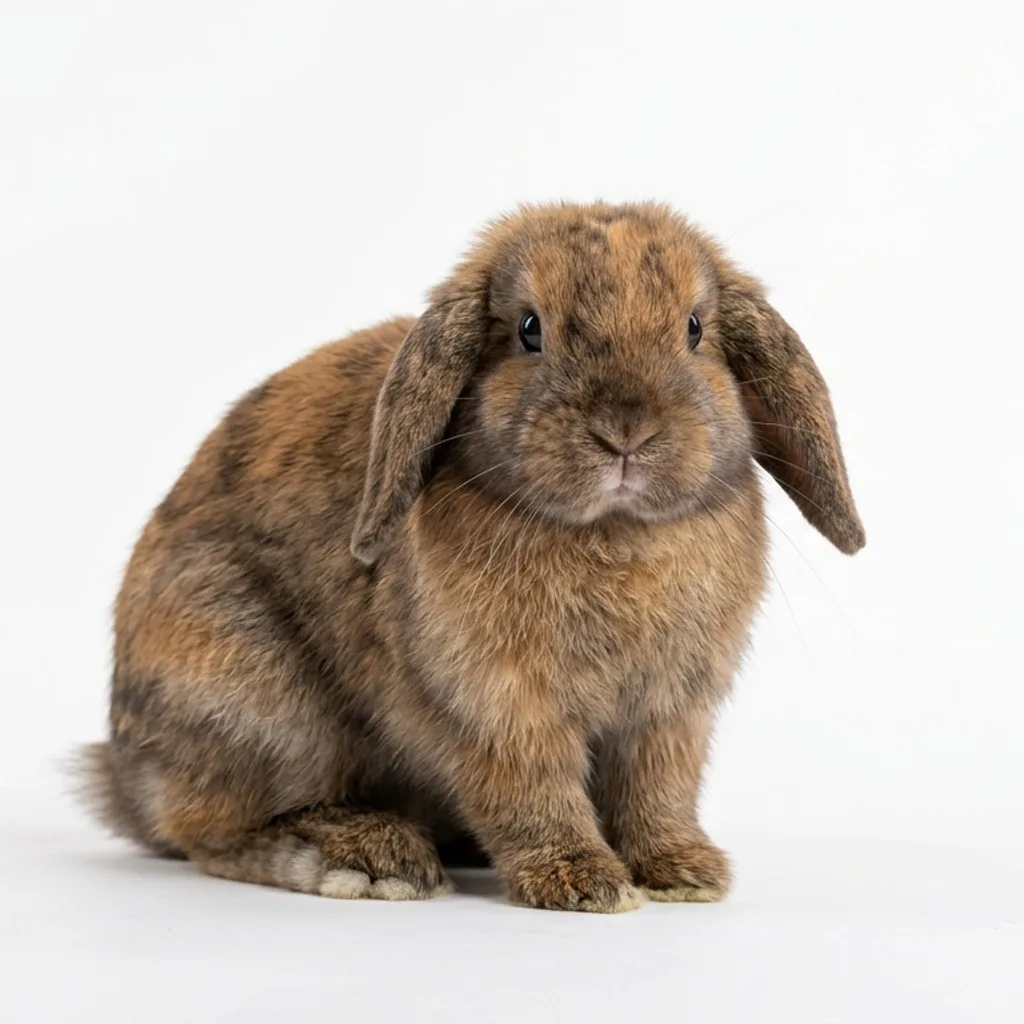
Holland Lop Rabbit
The Holland Lop is a compact lop-eared rabbit developed in the Netherlands in the 1950s by crossing French Lops with Netherland Dwarfs, and it remains one of the smallest lop breeds at roughly 1.4 to 1.8 kilograms. Its signature ears hang alongside a broad, short head, and the dense rollback coat comes in a wide range of colours and patterns including solid, broken, tort and opal. Temperament is the main draw: Holland Lops are calm, good-natured and quiet, happy to be petted, yet playful enough to binky and explore when given floor time. They are social animals that do best in pairs, and they can be litter-trained, which makes them practical indoor companions. Care is daily rather than difficult, covering unlimited hay, fresh greens, spot-cleaning, weekly grooming and two to three hours of supervised exercise in a rabbit-proofed space. With a lifespan of 7 to 12 years, they suit quieter households prepared for a decade of routine care.
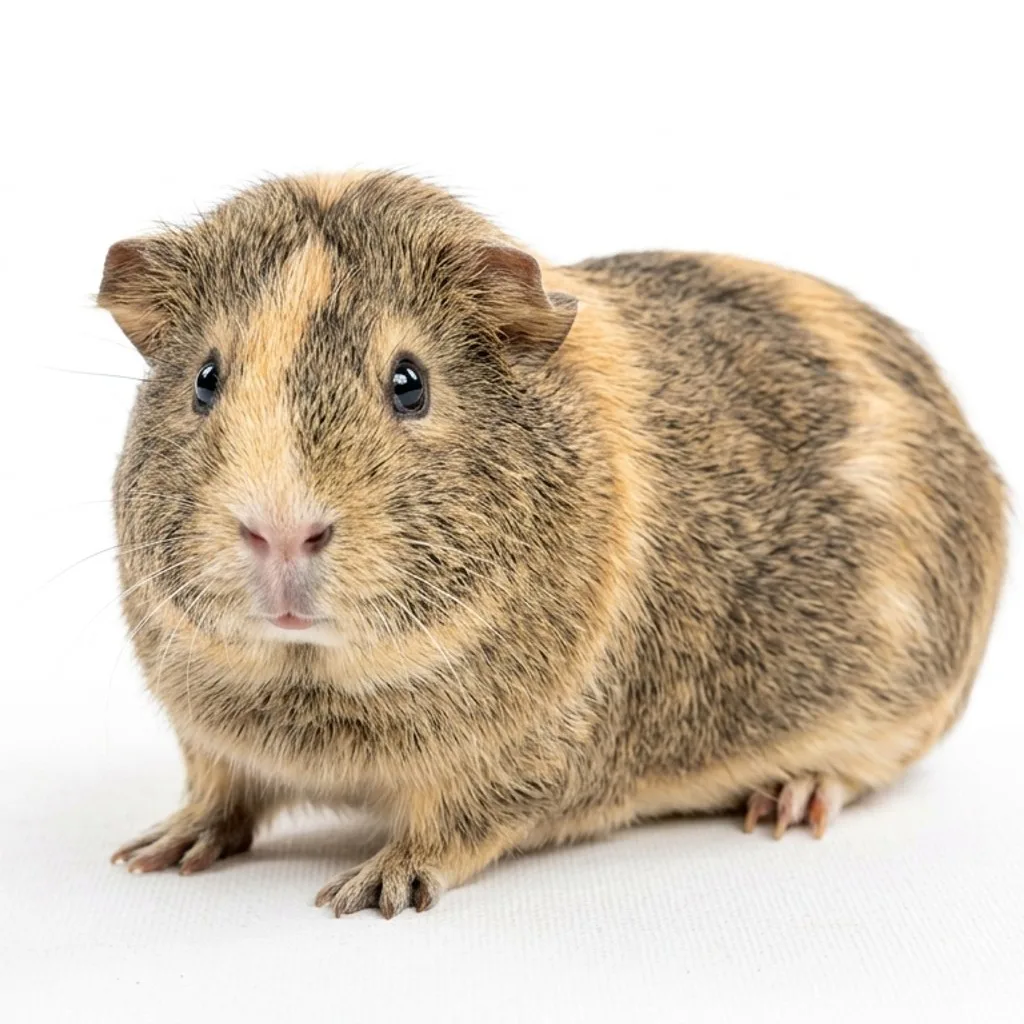
Abyssinian Guinea Pig
The Abyssinian is the rosetted guinea pig: at least eight whorls of coarse, short to medium fur set across the shoulders, back and hips, giving every animal its own tousled pattern in colours from black, white, cream and red through tortoiseshell-and-white and roan. Adults weigh around 700 to 1200 grams and live four to seven years. Abyssinians tend to be more outgoing and mischievous than smooth-coated guinea pigs, busy and talkative animals that wheek at feeding time, purr while being stroked, and popcorn about the cage in sudden joyful jumps. They are strongly social and should live with at least one other guinea pig. Daily needs are straightforward: unlimited hay, vitamin C-rich vegetables such as capsicum and parsley, a measured serving of pellets, spot-cleaning, and an hour of supervised floor time. The coat itself asks little beyond routine checks. A good match for a family wanting an interactive small pet with plenty of personality.
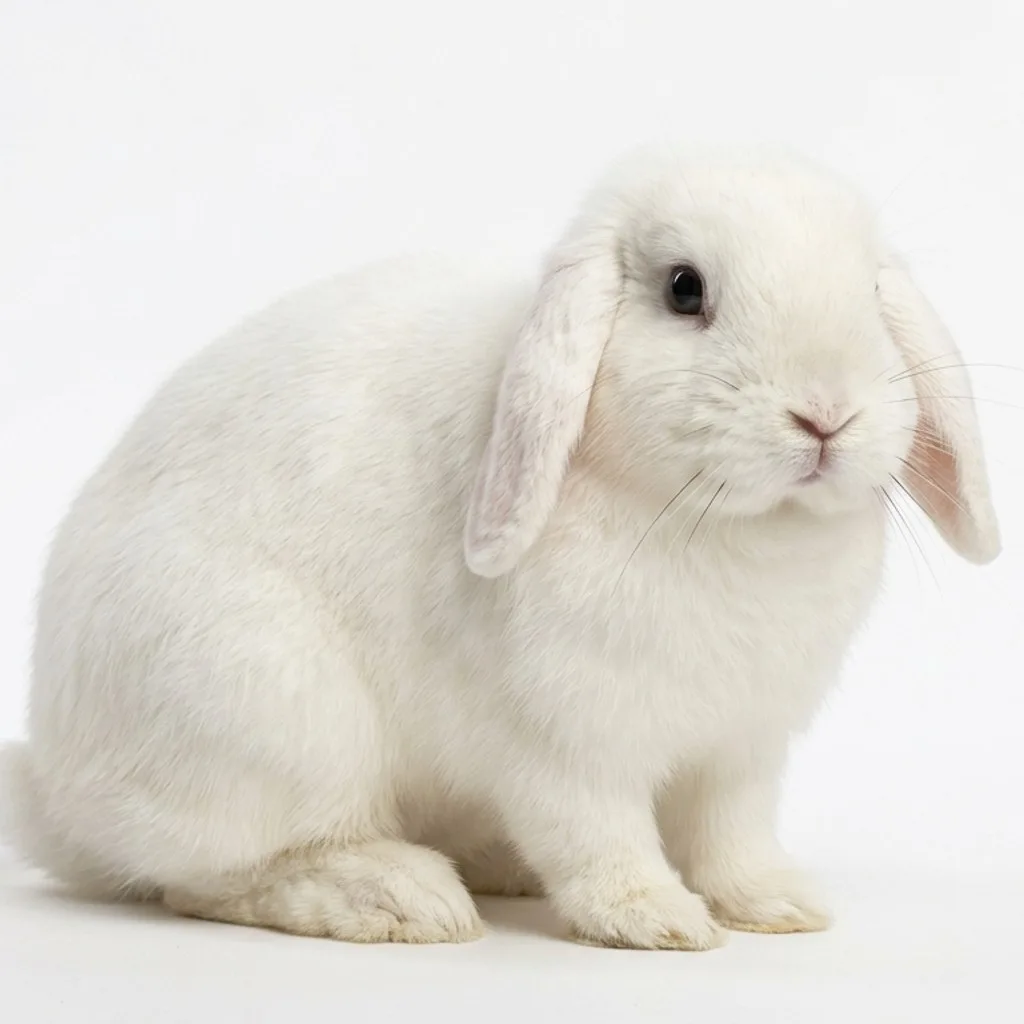
Mini Lop Rabbit
The Mini Lop is a compact, stocky rabbit developed in Germany from the German Lop, easily known by the broad ears that hang either side of the head. Adults weigh about 1.4 to 2.7 kg, carry a dense soft coat in solid, broken and shaded colours, and often live seven to fourteen years, so this is a long-term commitment. The breed's reputation rests on temperament: calm, friendly and affectionate, quick to seek out attention, playful when young and steadier as an adult. Mini Lops are bright enough to be litter-trained and to learn their names, and being social they generally do better kept in pairs. Daily care means unlimited hay as the bulk of the diet, a small pellet ration, fresh greens, spot-cleaning, and two to three hours of supervised exercise in a secure run or rabbit-proofed room, plus vaccination against rabbit haemorrhagic disease. A gentle choice for a family able to keep that routine going for years.
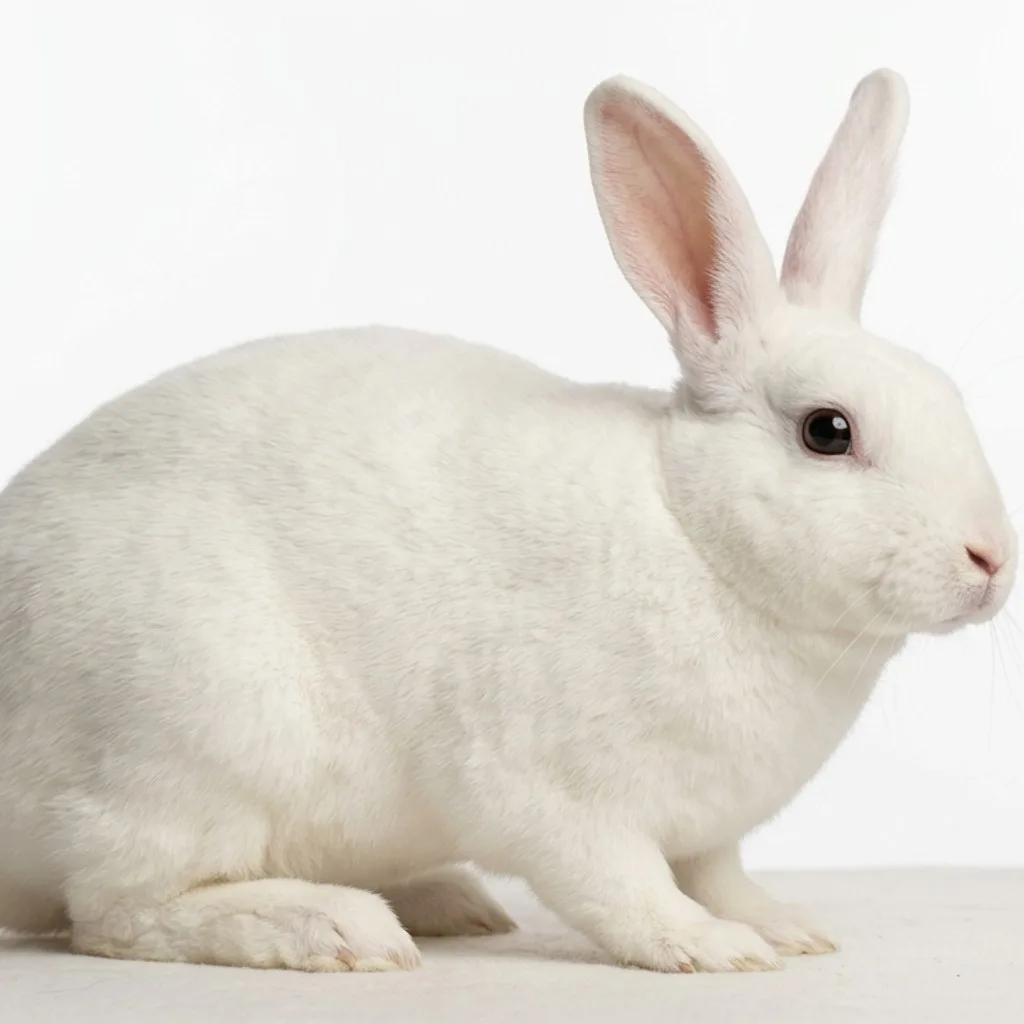
Mini Rex Rabbit
The Mini Rex is a small American rabbit breed developed from the standard Rex in the late 1980s, weighing about 1.6 to 2 kilograms and living 7 to 10 years. Its defining feature is the coat: the guard hairs sit at the same length as the undercoat, giving a dense, plush, velvet-like fur quite unlike the coarser coats of most breeds. The body is compact and rounded, with short erect ears and a broad head, and the breed appears in colours such as castor, black, blue, broken and himalayan. Mini Rex rabbits are docile and friendly, generally content to be handled and petted, while still curious enough to enjoy toys and exploring. They are social, so a bonded pair suits them better than living alone, and they are bright enough to litter-train. Daily needs run to unlimited hay, fresh greens, spot-cleaning and three to four hours of supervised free-roaming, which fits a household wanting a quiet, affectionate indoor pet.
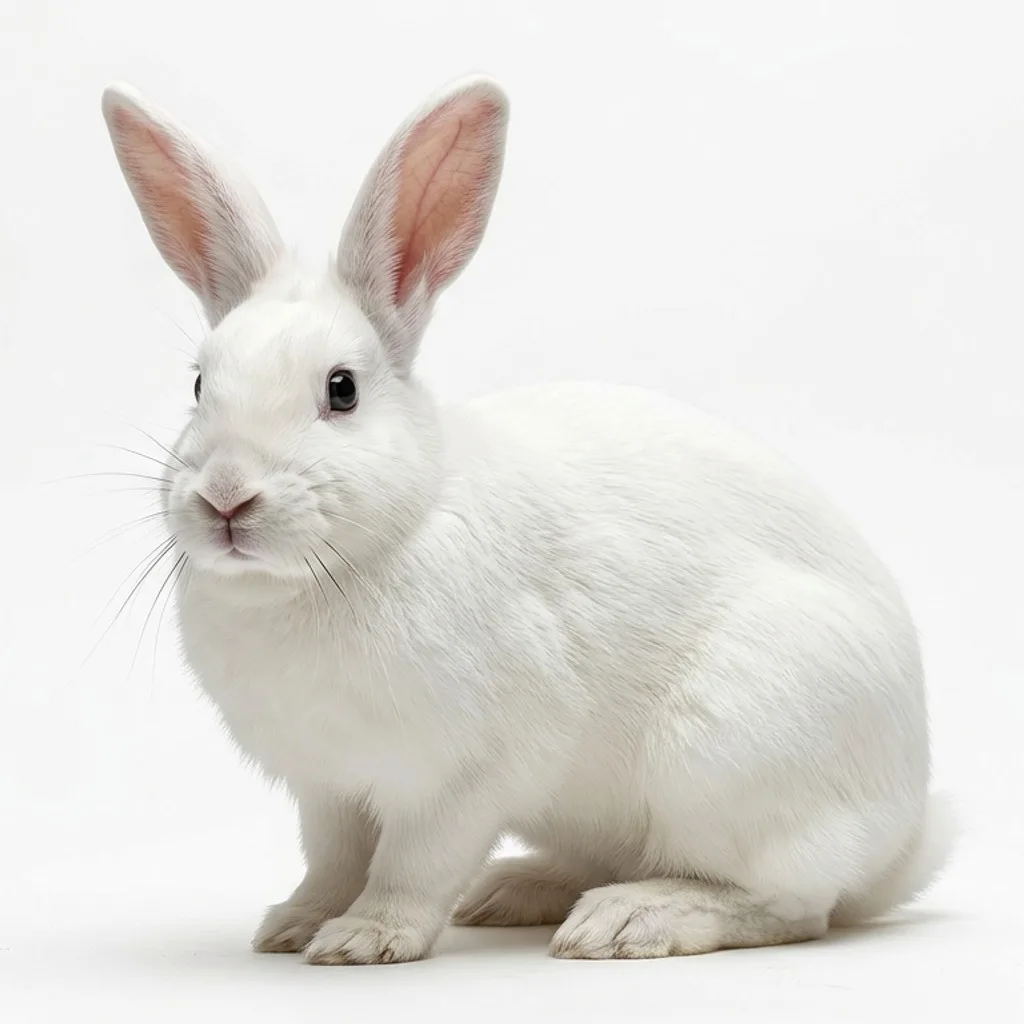
New Zealand White Rabbit
The New Zealand White is a calm, well-muscled medium rabbit with a dense, pure white coat; most are albino with red eyes, though blue-eyed whites also occur. Adults usually weigh 4 to 5.5 kg and live 5 to 8 years. The breed was developed through crosses in the United States, with ties to New Zealand as well, and was first kept for meat and fur before becoming a show and companion animal. Temperament is docile, and the breed is curious enough to explore readily and bond closely with its people, staying most active around dawn and dusk. Digging and chewing are natural behaviours here, so digging boxes and chew toys earn their place. Daily needs are a hay-led diet, three to four hours of supervised exercise in a secure, rabbit-proofed run, spot-cleaning, and nail trims every four to six weeks. It suits a patient household with floor space and room for a bonded pair.
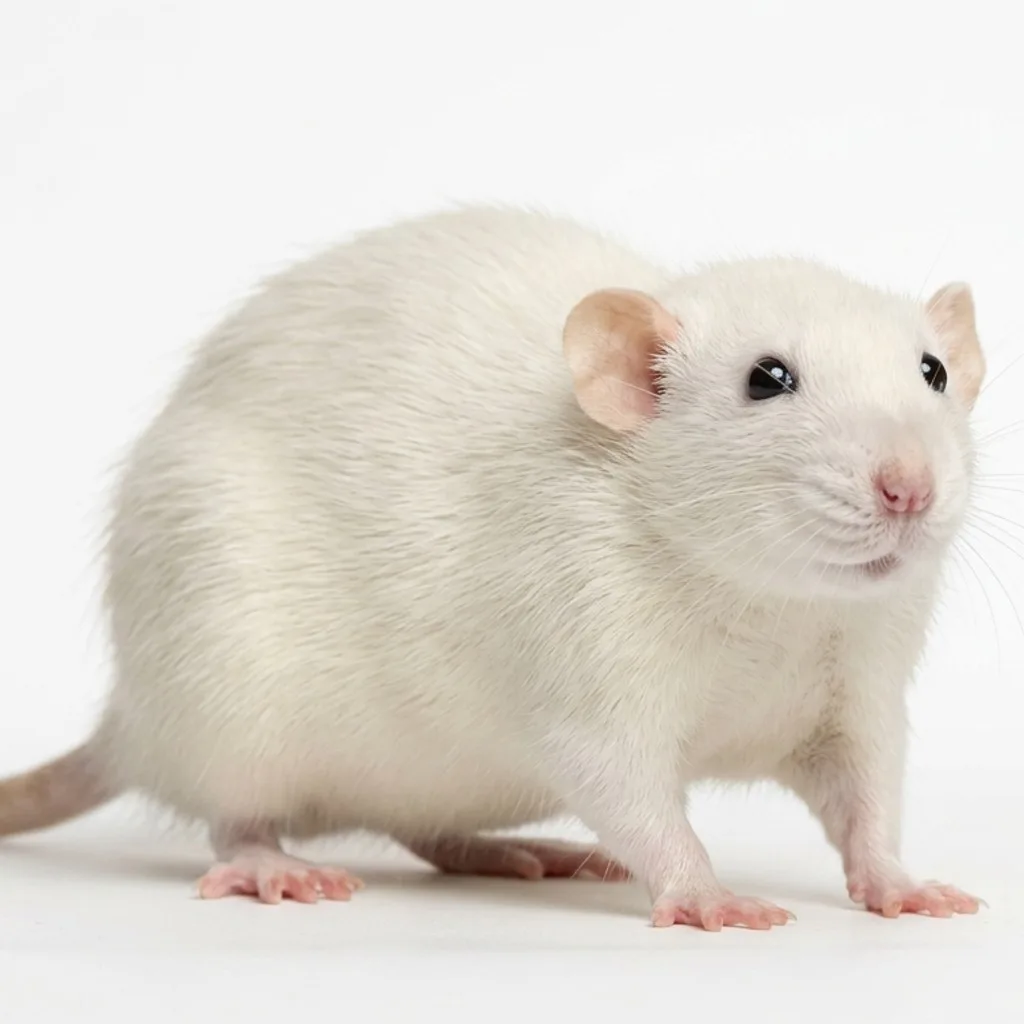
Dumbo Rat
Dumbo rats are fancy rats with large, low-set ears — the same species and the same care needs. Pet rats are legal in NZ, but the dumbo ear type is not present in New Zealand's closed rat gene pool (importing rats is banned) — NZ pet rats are standard-eared. They need company of their own kind, daily handling and out-of-cage time, and an owner who watches for the two common rat problems: respiratory infection (Mycoplasma pulmonis) and tumours with age. Typical lifespan is 2-3 years.