Pet Breed Guide NZ
New Zealand White Rabbit
The New Zealand White Rabbit is a highly popular and distinctive medium-sized pet, celebrated for its striking pure white fur and generally docile temperament. Despite its name, this breed's development has significant ties to both the USA and New Zealand, making it a unique animal with a local connection to Aotearoa. Known for their intelligence and adaptability, New Zealand Whites can form strong bonds with their human companions and thrive when kept in pairs, fulfilling their natural social needs. They are active and inquisitive, requiring ample space and enrichment to flourish. As a common and legal pet across New Zealand, they offer a rewarding experience for committed owners, though prospective Kiwi owners should always confirm specific MPI and local council regulations regarding rabbit ownership.
Photo Gallery
NZ Ownership Snapshot
Verified NZ Status- Noise Level
- quiet
- Social Needs
- pairs
- Animal Type
- rabbit
- Diet Type
- Hay-led herbivore diet with vegetables and pellets
- UVB Required
- No
Verified MPI pet-import pathway: rabbits may be imported as pets only from Australia under MPI requirements. Local council bylaws and animal welfare obligations may still apply.
Breed Snapshot
- Size
- medium
- Lifespan
- 5-8 years
- Origin
- USA/NZ
- Care Focus
- Social rabbit breed that needs gentle handling, secure housing, and daily enrichment.
- NZ Price
- NZD $50 - $150
- Annual Vet Cost
- Estimated annual vet/care costs in NZD for a New Zealand White Rabbit typically range from $150 - $350. This covers annual check-ups, potential vaccinations (if available and recommended for specific diseases), and parasite prevention. However, this estimate does not include costs for unexpected illnesses or emergencies, which can significantly increase. It's important to note that access to exotic vets in New Zealand can be limited, particularly outside major urban centres. Owners should research and identify an experienced rabbit vet in their area before acquiring a pet, as specialised care is crucial for rabbit health.
Personality Scores
NZ Lifestyle Fit
New Zealand White Rabbits are well-suited to a range of Kiwi homes, particularly those with access to a secure outdoor run or a spacious indoor area. They thrive in environments where they can exercise daily, so a small apartment might be challenging unless ample supervised free-roaming time is provided. Climate-wise, they are adaptable but require protection from extremes; in Auckland's humidity, good ventilation is key, while in the South Island's colder regions, insulated hutches and sheltered runs are essential. There are no specific regional restrictions on New Zealand White Rabbits across Aotearoa, but local councils may have bylaws regarding the number of animals or specific containment requirements, so always check with your local authority. Legally, these rabbits are widely available from reputable breeders, pet shops, and animal rescue organisations like SPCA NZ, ensuring ethical sourcing is straightforward.
Verified MPI pet-import pathway: rabbits may be imported as pets only from Australia under MPI requirements. Local council bylaws and animal welfare obligations may still apply.
About the New Zealand White Rabbit
The New Zealand White Rabbit is a medium-sized domestic rabbit breed renowned for its pristine white fur and often red eyes, a characteristic of albinism. Originating from a cross between various breeds in both the USA and partly developed in New Zealand, these rabbits have a rich history, initially bred for meat and fur production, but quickly gaining popularity as show animals and beloved pets. With a typical lifespan of 5-8 years, they offer a significant commitment to their owners. They are known for their robust health, gentle nature, and intelligence, making them a favourite among rabbit enthusiasts. Their adaptability allows them to thrive in various living situations, provided their core needs for space, social interaction, and proper diet are met.
What They Look Like
As their name suggests, New Zealand White Rabbits are characterised by their brilliant, pure white fur, which is dense and soft. Most individuals are albino, meaning they possess striking red eyes, though blue-eyed white varieties also exist. They are a well-muscled, medium-sized breed, typically weighing between 4 to 5.5 kg (9 to 12 pounds) when fully grown. They have a compact, rounded body shape, strong hindquarters, and erect ears that are proportionate to their head. Their clean, elegant appearance is one of their most distinguishing features, contributing to their appeal in both the show ring and as household pets.
Personality & Behaviour
New Zealand White Rabbits are generally known for their calm and docile temperament, making them excellent companions. They are intelligent and curious animals that enjoy exploring their surroundings and interacting with their owners. As social creatures, they thrive when kept in pairs or small groups, forming strong bonds with their companions. Solitary rabbits can become lonely and depressed, so providing a bonded partner is highly recommended. They are active, especially during dawn and dusk, and require plenty of space to run, jump, and binky. Like all rabbits, they have a natural instinct to dig and chew, so providing appropriate outlets for these behaviours, such as digging boxes and chew toys, is essential to prevent destructive habits.
Life in New Zealand
The New Zealand White Rabbit has a unique connection to Aotearoa, having been partly developed here, contributing to its widespread presence and popularity across the country. They are a common and legal pet in New Zealand, readily available from reputable breeders, pet stores, and rescue organisations like SPCA NZ. Their adaptability to various climates means they can thrive in New Zealand's diverse weather conditions, from the humid north to the colder south, provided they have adequate shelter from extreme temperatures. Owners must ensure their housing is secure from predators and provides protection from the elements. While generally legal, prospective Kiwi owners must always check with the Ministry for Primary Industries (MPI) and their local council for any specific bylaws or regulations pertaining to rabbit ownership in their area.
Is This the Right Pet for You?
Bringing a New Zealand White Rabbit into your home is a rewarding experience, but it requires commitment. These rabbits need significant space for exercise, a consistent hay-led diet, daily social interaction, and regular health checks. Their social nature means they are happiest in pairs, doubling the initial commitment. They are generally good with gentle children and can coexist with other pets if introduced carefully. If you can provide a secure, spacious, and enriching environment, commit to their social needs, and are prepared for potential veterinary costs, a New Zealand White Rabbit could be a wonderful addition to your Kiwi household. Always research thoroughly and ensure you can meet all their needs before committing.
Fun Facts
Fact 1
Despite their name, New Zealand White Rabbits were developed in the USA in the early 1900s, though they have strong ties to New Zealand's rabbit breeding history.
Fact 2
They were originally bred for their fast growth rate and meat quality, making them a popular choice for commercial rabbit farms.
Fact 3
Most New Zealand Whites are albino, meaning they have pure white fur and distinctive red eyes.
Fact 4
These rabbits are known for their calm and docile temperament, making them excellent pets and show animals.
Fact 5
A New Zealand White Rabbit holds the world record for the highest rabbit jump, clearing a height of 99.5 cm (39.2 inches).
Related Breeds
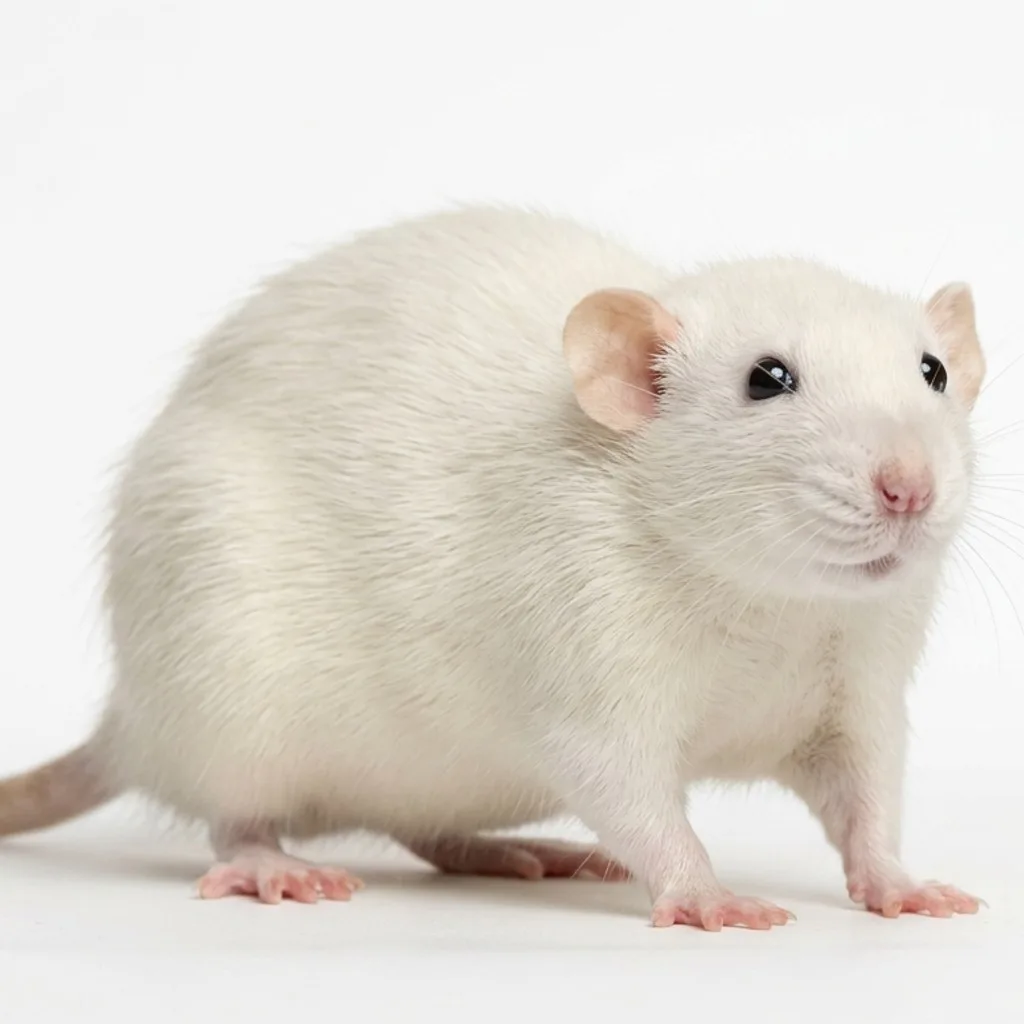
Dumbo Rat
Dumbo rats are fancy rats with large, low-set ears — the same species and the same care needs. Pet rats are legal in NZ, but the dumbo ear type is not present in New Zealand's closed rat gene pool (importing rats is banned) — NZ pet rats are standard-eared. They need company of their own kind, daily handling and out-of-cage time, and an owner who watches for the two common rat problems: respiratory infection (Mycoplasma pulmonis) and tumours with age. Typical lifespan is 2-3 years.
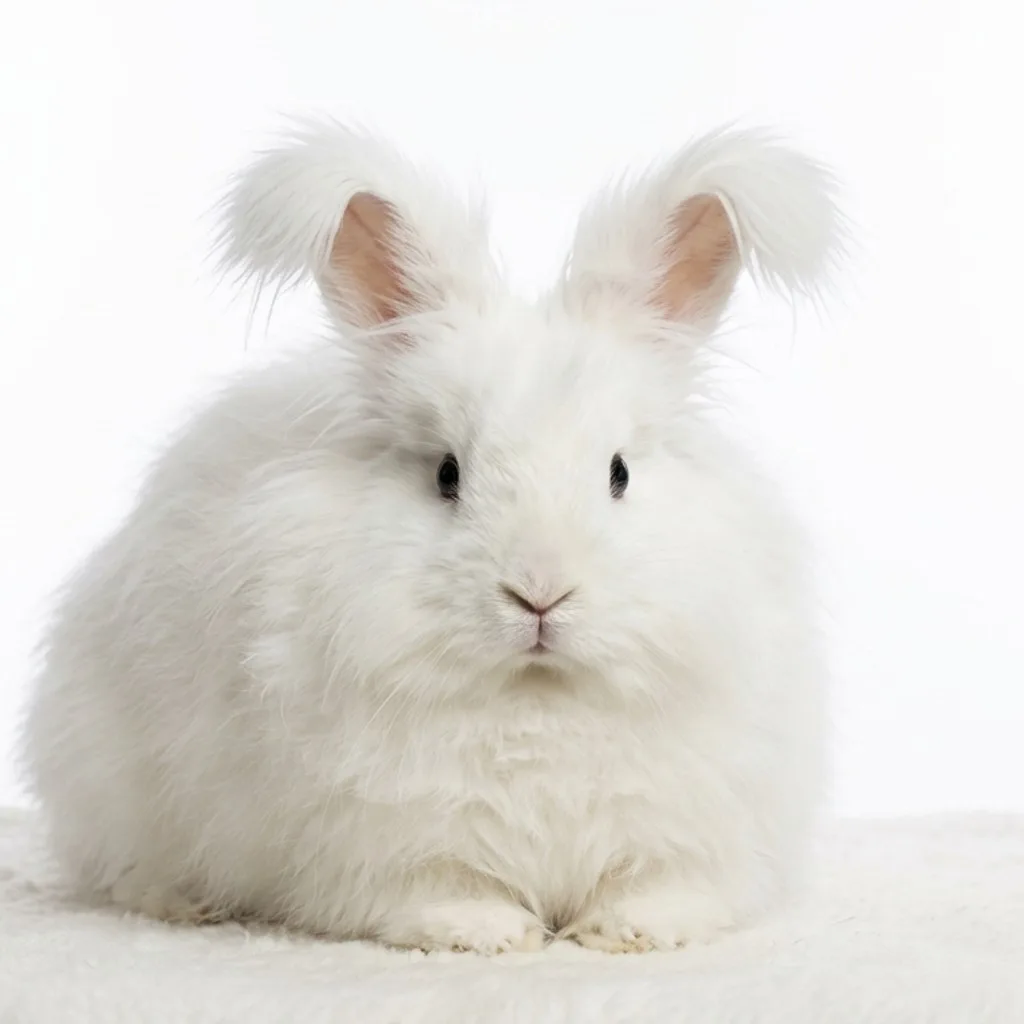
Angora Rabbit
The Angora is a long-coated rabbit from Turkey, grown for a dense, soft wool that covers the whole body and, in lines such as the English Angora, the face and ears as well. Angoras are medium rabbits of roughly 2.5 to 5.5 kg and typically live seven to twelve years. Temperament is calm and gentle rather than boisterous: they tolerate handling well when it is regular and unhurried, can be litter-trained for indoor living, and are sociable enough that most settle better kept in pairs. The coat is the real commitment. Daily brushing and regular shearing prevent matting and wool block, and the rear end must be kept clean and dry, since a soiled coat invites flystrike in warm, humid weather. Mites and overgrown teeth are the other things to watch. An Angora suits an owner with time for grooming every single day, not someone wanting a low-maintenance rabbit.
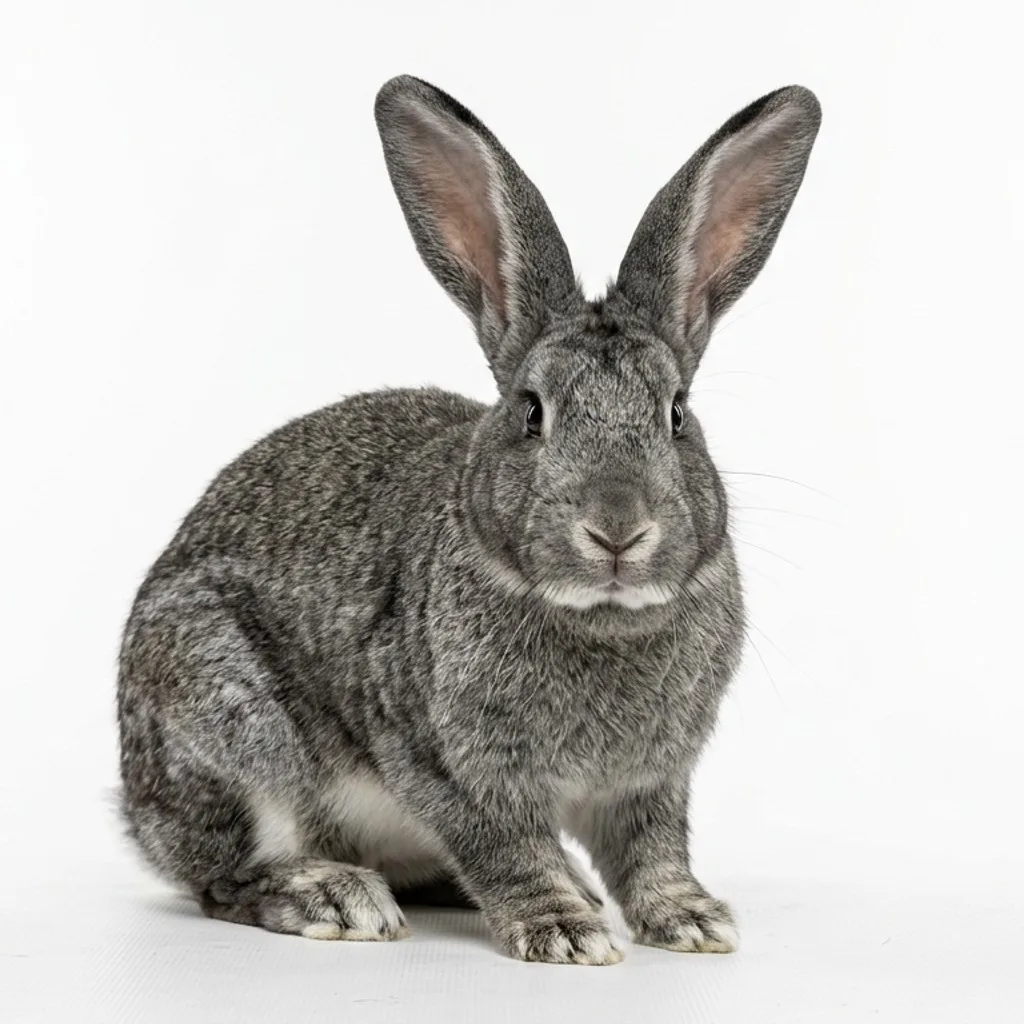
Flemish Giant Rabbit
The Flemish Giant is one of the oldest and largest domestic rabbit breeds, traced to Belgium in the 16th century and widely known as the gentle giant. Adults carry a long, semi-arch body of roughly 6 to 10 kg, erect ears reaching up to 20 cm, and a dense, glossy coat in seven recognised colours: black, blue, fawn, sandy, light grey, steel grey and white. Typical lifespan is 5 to 8 years. Temperament is placid and easy-going, notably less prone to panic than smaller, more skittish breeds, and the breed is bright enough to be litter trained and to learn its name. Size drives the workload: spacious housing, several hours of secure exercise a day, unlimited hay, soft flooring to guard against sore hocks, and weekly checks of teeth, ears, nails and coat. It suits a home with genuine floor space and children old enough to handle a heavy rabbit gently.
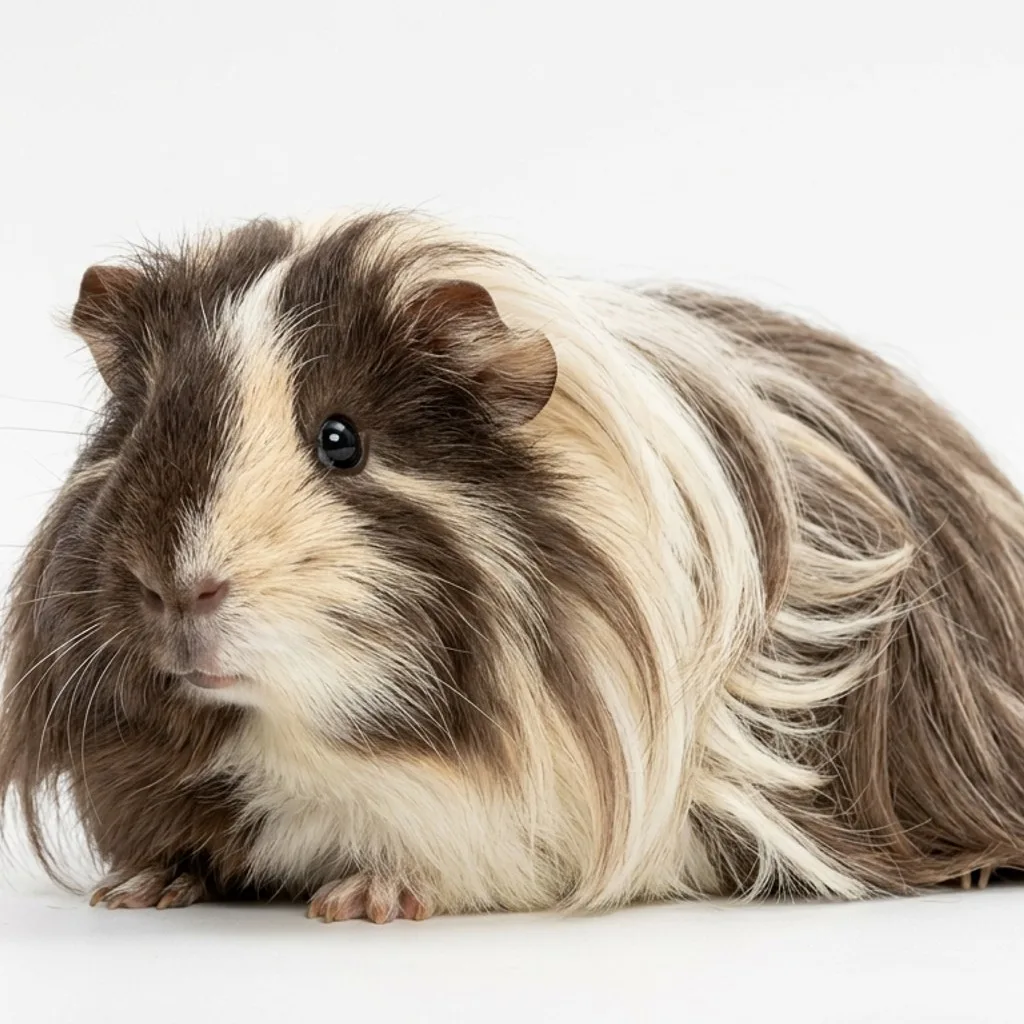
Peruvian Guinea Pig
The Peruvian is the long-haired guinea pig, its silky coat growing continuously to 15 to 20 cm or more, sweeping forward over the head into a fringe or mop-top and backwards from the rump; underneath sits a compact, cobby body of roughly 700 g to 1.2 kg. Coats come in solids, bi-colours and tri-colours, and lifespan is generally 4 to 7 years. Temperament is sweet and gentle, often timid at first, and the breed is highly social, suiting same-sex pairs or small herds rather than life alone. The coat sets this breed apart from short-haired cavies: daily brushing, periodic trimming and scrupulous hygiene, because neglected long hair invites fungal skin infections, mites and lice. Alongside that come a hay-led diet with vegetables rich in vitamin C, daily supervised floor time, and indoor housing, which protects the coat and avoids overheating in humid weather. It suits an owner who genuinely enjoys grooming.
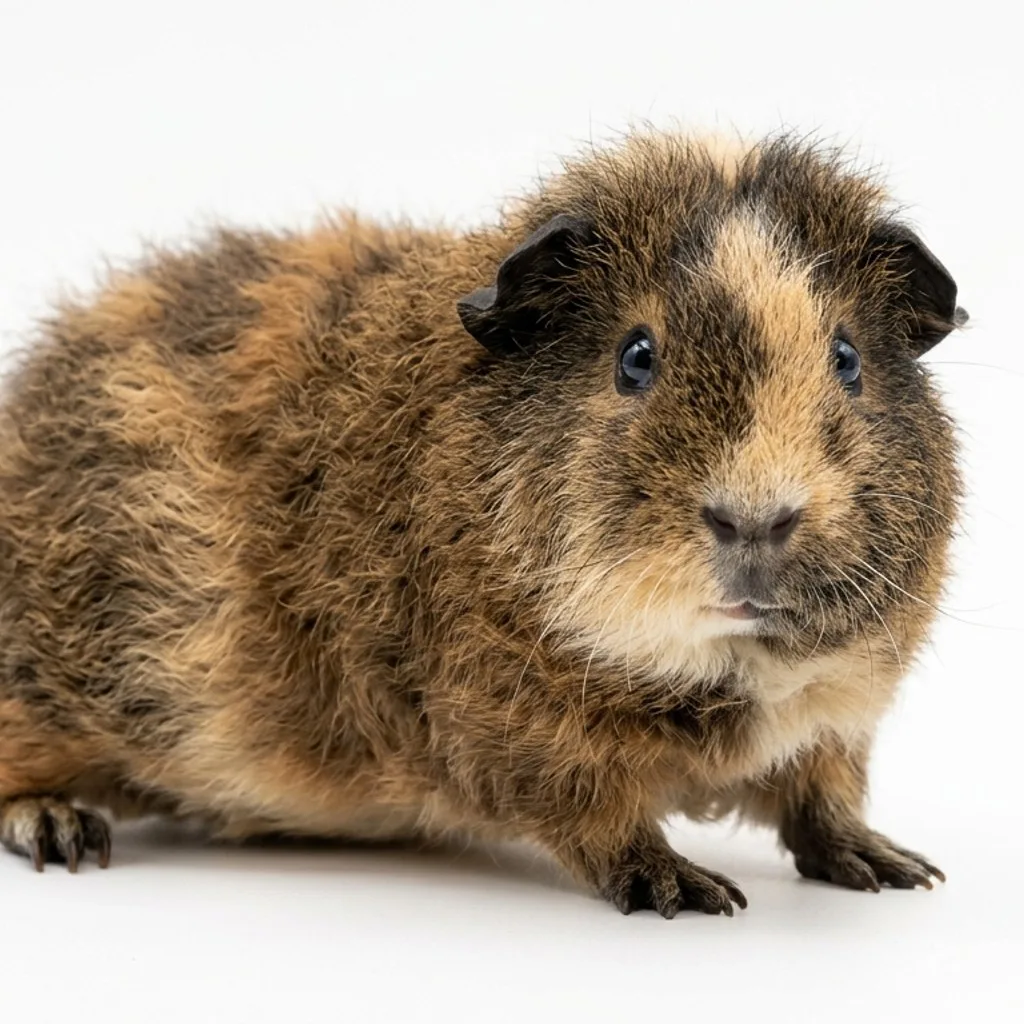
Teddy Guinea Pig
The Teddy is the crinkle-coated guinea pig: short, dense fur that stands upright rather than lying flat, giving the plush, soft-toy look behind the name. Adults weigh about 700 g to 1.2 kg, measure 20 to 30 cm and typically live 4 to 6 years, with coats in solids, agoutis and Himalayans and short, floppy ears. Temperament is friendly, docile and curious: shy at first, then content with lap time and gentle handling. The breed is thoroughly social and does best in same-sex pairs or small herds. Grooming is moderate rather than demanding, so daily care centres on hay, fresh vegetables supplying the vitamin C guinea pigs cannot make themselves, clean water, spot-cleaning, and supervised floor time in a guinea-pig-proofed space. Weekly checks cover nails, teeth and overall condition. It suits first-time small-pet keepers and families able to house at least two indoors.
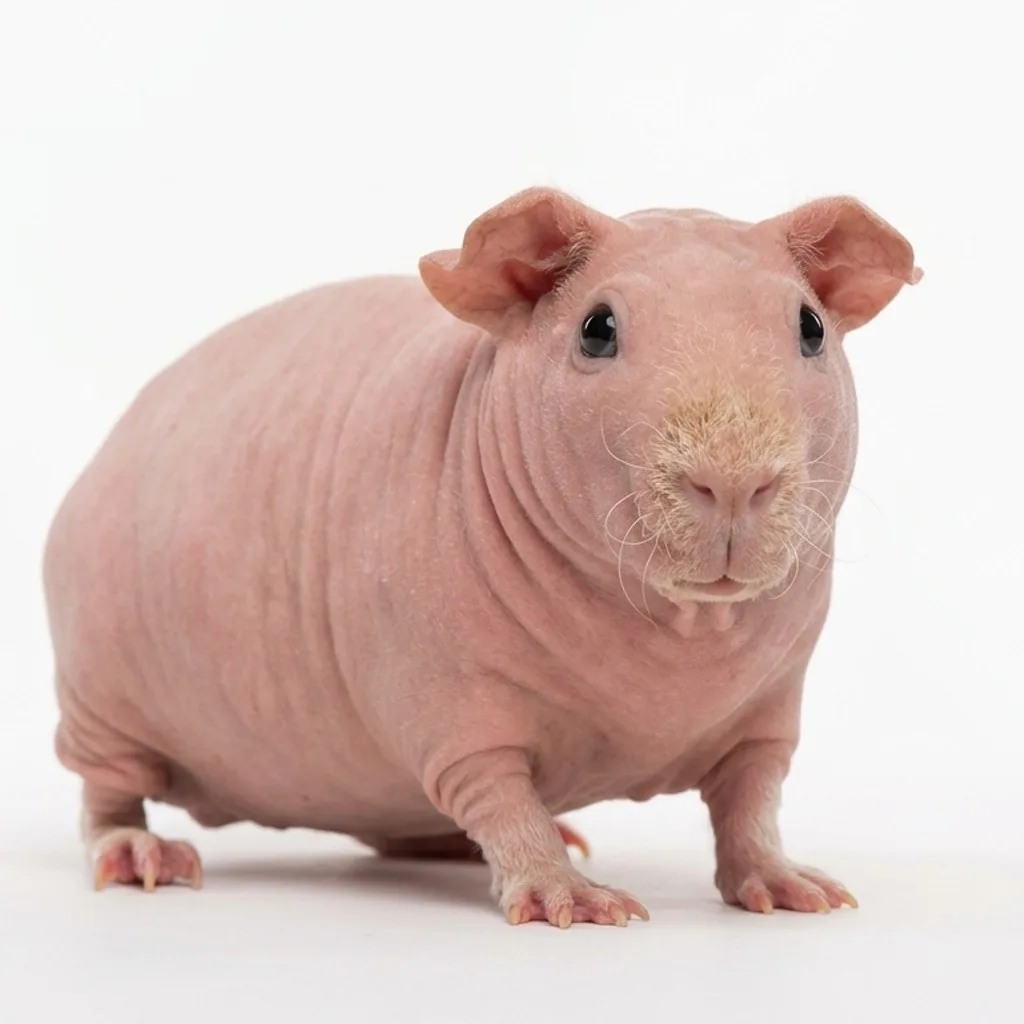
Skinny Pig (Hairless Guinea Pig)
The Skinny Pig is a near-hairless guinea pig, smooth-skinned apart from a little fuzz on the muzzle, feet and legs, and it comes in colours ranging from pink to black, chocolate and spotted. Developed in Canada, it keeps the stocky build and sociable habits of a coated guinea pig: gentle, curious, rarely inclined to bite, and talkative, wheeking for food and purring when settled. Skinny Pigs live roughly four to six years and do best in pairs or small groups, with daily handling and supervised floor time outside the cage. The trade-off is climate control. Bare skin means indoor housing in a warm, draught-free room around 20-24C, out of direct sun, and frequent checks for dryness, cuts and fungal skin trouble. Like all guinea pigs they need unlimited hay and a vitamin C source. Best suited to a household ready for hands-on daily care rather than a low-effort pet.