Pet Breed Guide NZ
Sugar Glider
The Sugar Glider is a fascinating small marsupial native to Australia, known for its unique ability to 'glide' through the air using a membrane of skin stretching from its wrists to its ankles. These nocturnal creatures possess large, expressive eyes and a soft, grey fur coat, making them visually appealing. In regions where they are legal pets, their inquisitive nature and potential for bonding with owners are often highlighted. However, it is crucial for Kiwis to understand that Sugar Gliders are strictly prohibited in New Zealand under biosecurity laws. They cannot be legally imported, owned, or bred here, making them an unavailable pet option for residents.
Photo Gallery
NZ Ownership Snapshot
Prohibited in NZ- Noise Level
- moderate
- Social Needs
- solitary
- Animal Type
- marsupial
- Diet Type
- Species-specific small pet diet
- UVB Required
- No
PROHIBITED in New Zealand: EPA prohibits members of family Petauridae other than the Australian brushtail possum. Do not recommend import, purchase, or keeping as pets.
Breed Snapshot
- Size
- small
- Lifespan
- 10-15 years
- Origin
- Australia
- Care Focus
- Nocturnal animal with specialised husbandry and secure-housing needs.
- NZ Price
- Not applicable, as Sugar Gliders are a prohibited species in New Zealand and cannot be legally purchased or owned.
- Annual Vet Cost
- Not applicable, as Sugar Gliders are a prohibited species in New Zealand. Therefore, no legal veterinary care is available for them here, and no reputable exotic vet would treat a prohibited animal.
Personality Scores
NZ Lifestyle Fit
Sugar Gliders are unequivocally not suitable for any New Zealand home. Their status as a prohibited species means they cannot be legally owned, bred, or imported into the country. This prohibition is a critical biosecurity measure designed to protect New Zealand's unique native flora and fauna from potential predation, competition, and disease transmission. Therefore, discussions about climate considerations (such as Auckland's humidity or the South Island's cold) or regional restrictions are irrelevant, as their ownership is banned nationwide. Kiwis interested in small, engaging pets should instead look to legally available options. Consider delightful and permitted small animals like guinea pigs, rats, mice, or even some species of native geckos or skinks (which require specific permits from the Department of Conservation). These legal alternatives offer companionship without posing a threat to our precious environment.
PROHIBITED in New Zealand: EPA prohibits members of family Petauridae other than the Australian brushtail possum. Do not recommend import, purchase, or keeping as pets.
About the Sugar Glider
Sugar Gliders (Petaurus breviceps) are captivating small marsupials originating from the eucalyptus forests of eastern Australia, Tasmania, and New Guinea. Known for their distinctive gliding ability, they are nocturnal animals that can live for 10-15 years in captivity in countries where they are legal. They are omnivores, with a diet primarily consisting of sweet fruits, nectar, sap, and insects. While their unique appearance and interactive nature make them popular exotic pets in some parts of the world, it is imperative for New Zealanders to be aware that Sugar Gliders are a prohibited species in Aotearoa. Their ownership, import, and breeding are illegal under the Biosecurity Act 1993, due to the significant risks they pose to New Zealand's unique native ecosystems and primary industries.
What They Look Like
Sugar Gliders are small, agile creatures, typically measuring between 12 to 15 centimetres from head to tail base, with a tail almost as long as their body. Their most striking feature is the patagium, a furry membrane of skin that extends from their fifth finger to their first toe on each side of their body. When spread, this membrane allows them to glide effortlessly between trees, covering distances of up to 50 metres or more. They have soft, dense grey fur with a distinctive dark stripe running from their nose to the base of their tail. Their large, dark eyes are adapted for nocturnal vision, and their small, rounded ears are highly mobile, aiding in their acute hearing. They also possess a prehensile tail, which they use for balance and to carry nesting materials.
Personality & Behaviour
In their natural habitat, Sugar Gliders are highly social animals, living in colonies of up to a dozen or more individuals. They communicate through a variety of vocalisations, including chirps, barks, and a distinctive 'crabbing' sound when agitated. As nocturnal animals, they are most active during the night, foraging for food and socialising. In pet environments where they are legal, they can form strong bonds with their human caregivers, often 'pouching' on their owners during the day. However, their social needs are complex; solitary Sugar Gliders in pet settings can become stressed and exhibit behavioural issues. They are naturally curious and require significant mental and physical enrichment to thrive, including opportunities to climb, glide, and forage.
Life in New Zealand
For Kiwis, the 'life' of a Sugar Glider in New Zealand is non-existent in a legal context. Sugar Gliders are classified as an 'unwanted organism' by the Ministry for Primary Industries (MPI) due to their potential to establish wild populations, predate on native invertebrates and birds, compete with native species for food and habitat, and potentially introduce diseases. Therefore, it is illegal to import, possess, breed, or sell Sugar Gliders anywhere in New Zealand. Any individual found with a Sugar Glider faces significant penalties under the Biosecurity Act. Instead of considering prohibited species, New Zealanders interested in small, unique pets should explore legal alternatives such as rats, mice, guinea pigs, or even native geckos or skinks (with appropriate permits from the Department of Conservation).
Is This the Right Pet for You?
Given their prohibited status in New Zealand, a Sugar Glider is definitively not the right pet for anyone living in Aotearoa. The legal restrictions are in place to protect New Zealand's unique biodiversity and agricultural sectors from the risks posed by exotic species. For those residing in countries where Sugar Gliders are legal and considering them as pets, it's important to understand their significant commitment. They require specialised diets, large enclosures, social interaction, and nocturnal care. However, for New Zealanders, the focus must remain on legal and responsible pet ownership. There are many wonderful, legally permissible small pets available in NZ that can offer companionship and joy without compromising our precious environment.
Fun Facts
Fact 1
Sugar Gliders are marsupials, meaning the females carry their young in a pouch, similar to kangaroos and koalas.
Fact 2
They are named for their preference for sugary foods like nectar and sap, and their ability to 'glide' through the air.
Fact 3
Their large eyes are an adaptation for their nocturnal lifestyle, allowing them to see well in low light conditions.
Fact 4
Sugar Gliders can communicate using a variety of vocalisations, including chirps, barks, and a distinctive 'crabbing' sound.
Fact 5
They have a prehensile tail that acts like a fifth limb, used for balance and sometimes to carry nesting materials.
Related Breeds
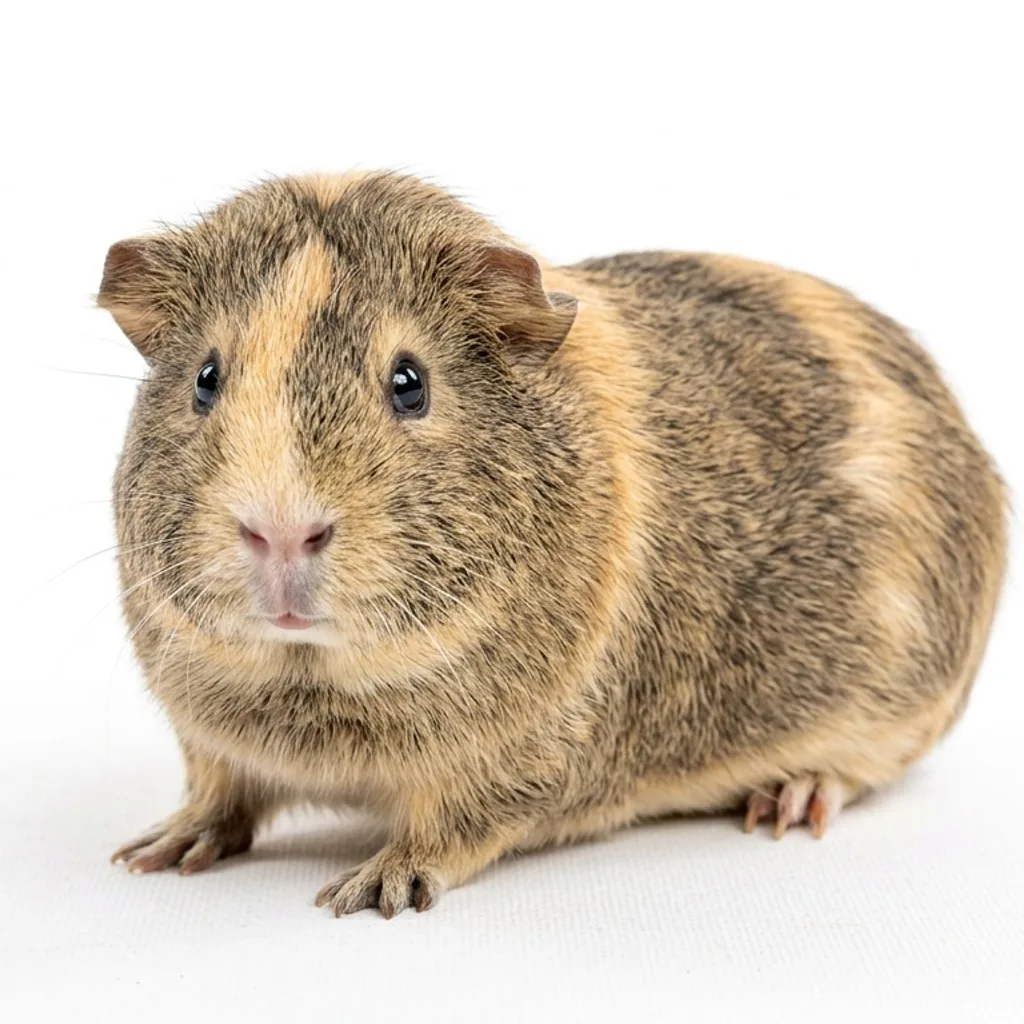
Abyssinian Guinea Pig
The Abyssinian is the rosetted guinea pig: at least eight whorls of coarse, short to medium fur set across the shoulders, back and hips, giving every animal its own tousled pattern in colours from black, white, cream and red through tortoiseshell-and-white and roan. Adults weigh around 700 to 1200 grams and live four to seven years. Abyssinians tend to be more outgoing and mischievous than smooth-coated guinea pigs, busy and talkative animals that wheek at feeding time, purr while being stroked, and popcorn about the cage in sudden joyful jumps. They are strongly social and should live with at least one other guinea pig. Daily needs are straightforward: unlimited hay, vitamin C-rich vegetables such as capsicum and parsley, a measured serving of pellets, spot-cleaning, and an hour of supervised floor time. The coat itself asks little beyond routine checks. A good match for a family wanting an interactive small pet with plenty of personality.
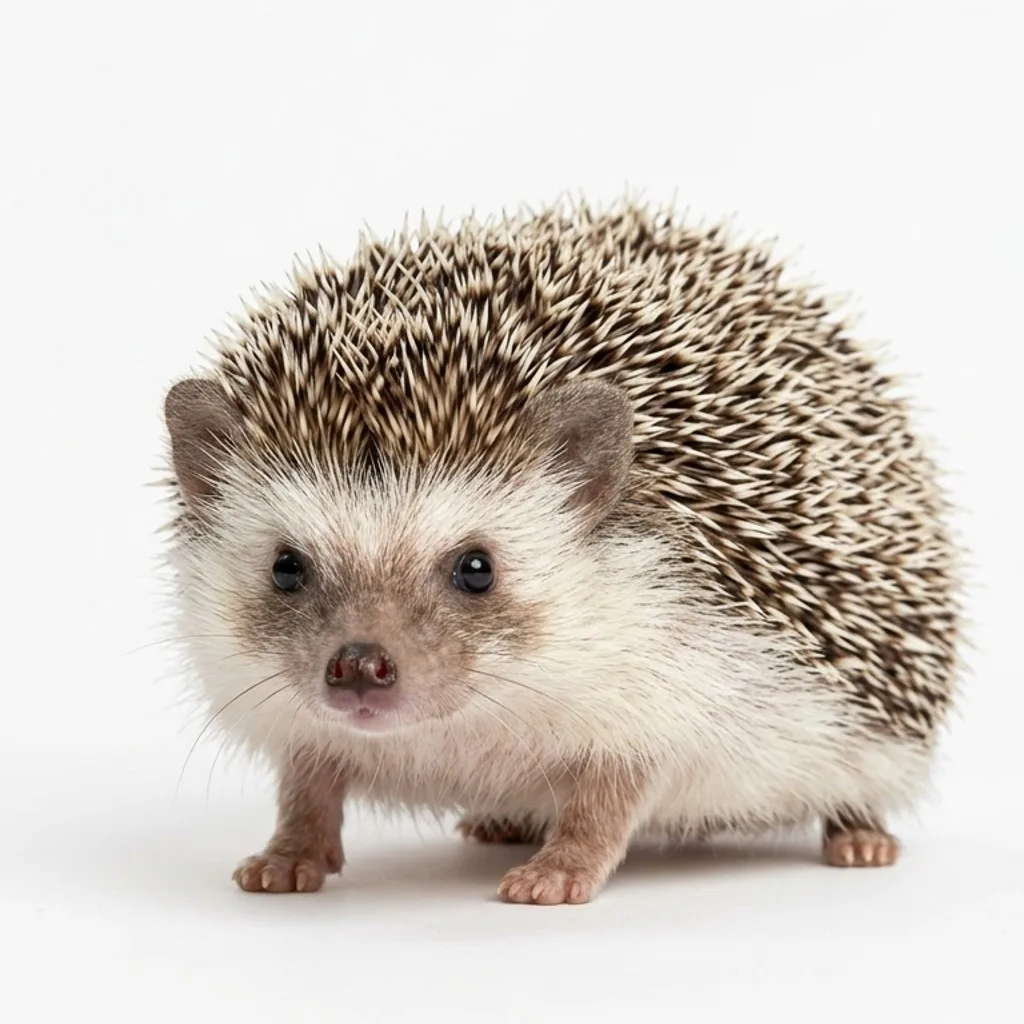
African Pygmy Hedgehog
The African Pygmy Hedgehog cannot legally be kept as a pet in New Zealand — there is no lawful import route (MPI allows only rabbits and guinea pigs from Australia and chinchillas from the UK), and DOC treats hedgehogs in NZ as an animal pest that preys on native lizards, invertebrates and ground-nesting birds. This page explains the species and the NZ legal reality; it is not a care guide for keeping one here. Typical lifespan overseas is 3-6 years.
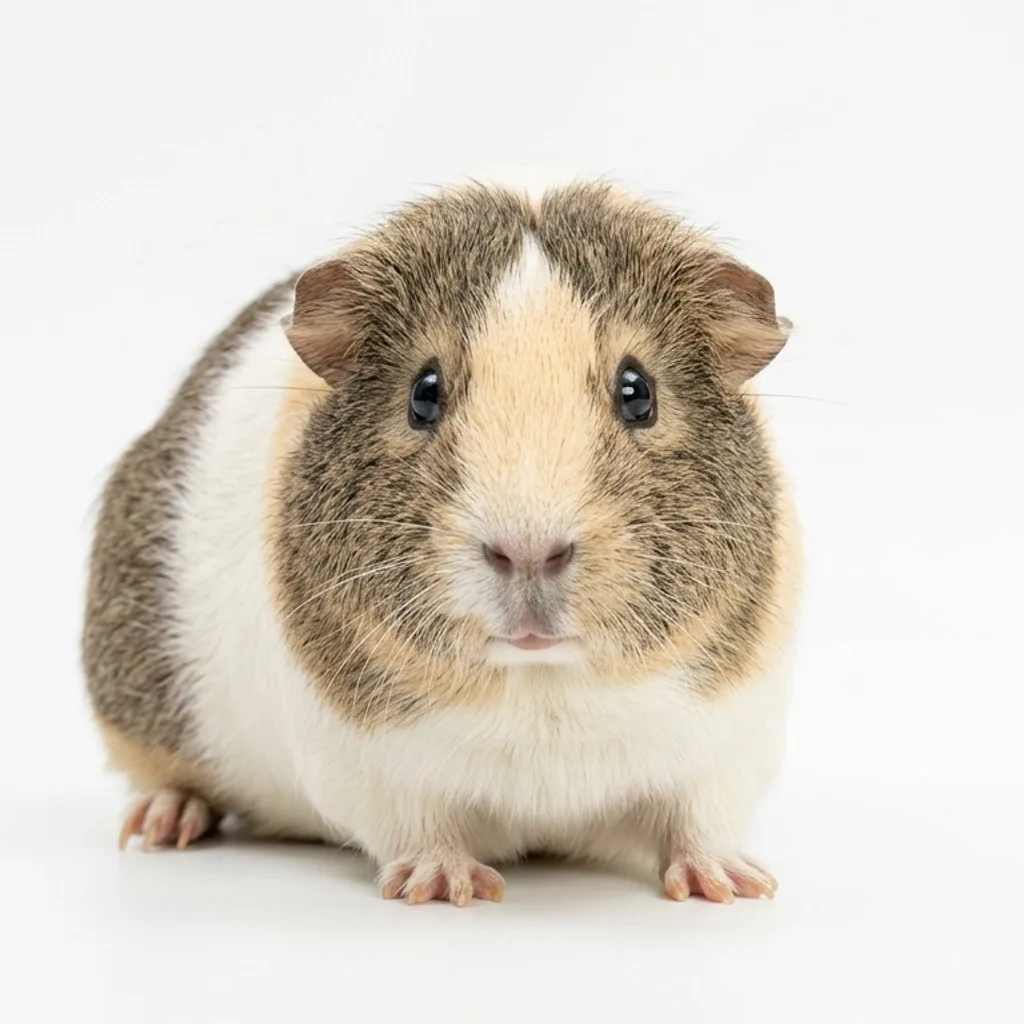
American Guinea Pig
The American is the short-coated cavy, the classic guinea pig: a dense, smooth coat lying flat against a stout, compact body of about 700 g to 1.2 kg and 20 to 25 cm, with short legs and no visible tail. Colours range from solid black, white, cream and red through agouti, roan and brindle, and lifespan is typically 4 to 7 years. Temperament is docile and friendly. These are sociable animals that live best in pairs or small groups, communicating by wheeking, purring and rumbling, and often shy at first until patient handling builds trust. Grooming stays minimal thanks to the short coat, so daily work is diet and hygiene: unlimited hay, fresh vegetables rich in vitamin C such as leafy greens and broccoli, a measured portion of fortified pellets, spot-cleaning, and 30 to 60 minutes of supervised floor time. Nails need trimming monthly. A sound match for first-time small-pet homes and for families with gentle, well-coached children.
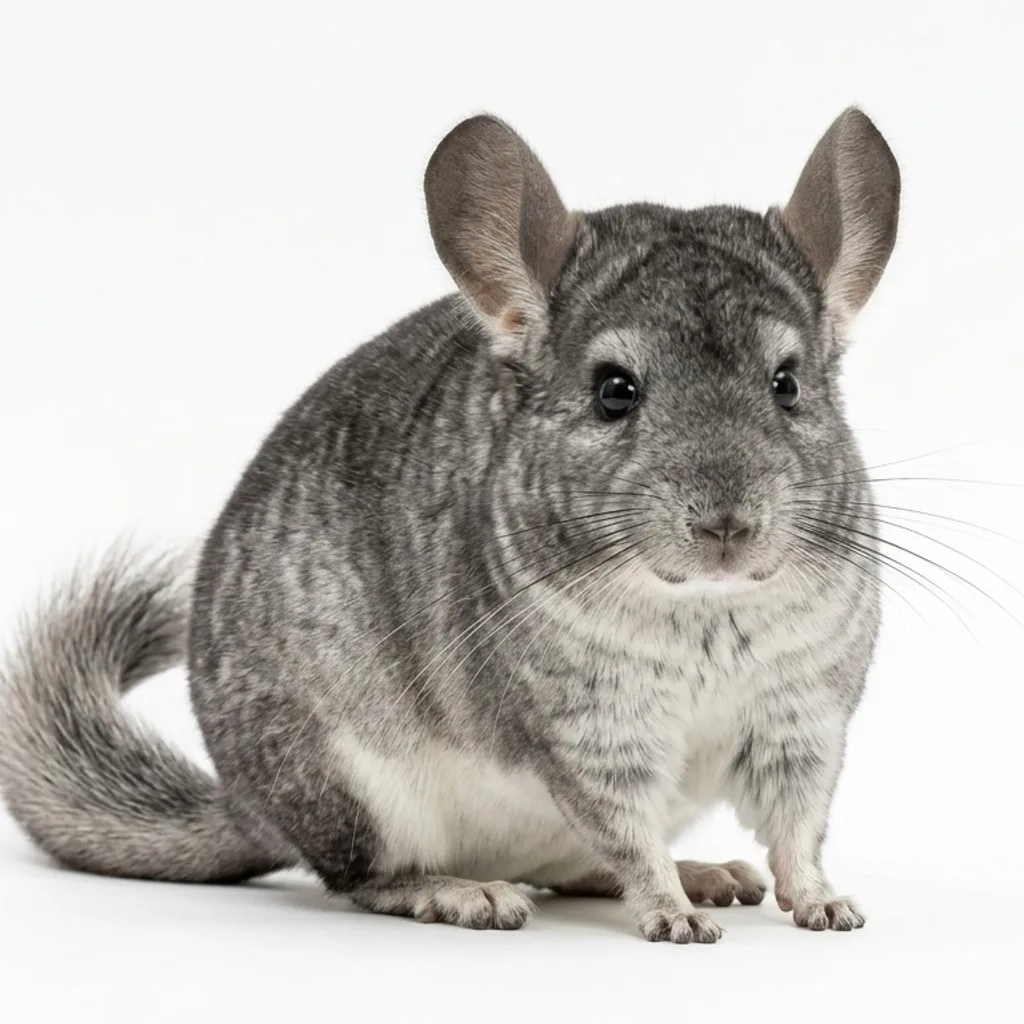
Chinchilla
The Chinchilla is a dense-furred rodent from the Andes of South America, active mainly at dawn and dusk and unusually long-lived for a small pet at fifteen to twenty years. Adults weigh roughly 400 to 800 grams, with a body of 25-35 cm plus a bushy tail, and coats running from the standard grey through beige, white, black and sapphire. Character is curious, agile and playful rather than cuddly: chinchillas would mostly rather climb, explore and chew than sit on a lap, and they turn skittish without calm, regular handling. They are social animals, usually kept in same-sex pairs or small groups. Care is specific, meaning a tall multi-level cage, a daily dust bath of ten to fifteen minutes, unlimited timothy hay with chinchilla-formulated pellets, and a room held below 25C, because heat is genuinely dangerous to them. A long-term pet for a patient household, not a starter animal.