Why Does My Rabbit Eat Its Droppings? NZ Guide to Caecotrophs
Why does your rabbit eat its droppings? Rabbits normally eat caecotrophs, special soft droppings that support gut health. NZ guide.
The quick answer: rabbits do not usually eat ordinary dry poos. They eat caecotrophs - soft, nutrient-rich droppings produced by the caecum and usually eaten straight from the bottom. This is normal, healthy rabbit behaviour. The concern is not seeing caecotrophs being eaten; it is seeing lots of soft, sticky caecotrophs left behind, stuck to fur or smeared in the enclosure.
Two types of rabbit droppings
Rabbits produce:
- Hard, dry pellets - the round fibre waste you normally see in the litter tray.
- Caecotrophs - softer, moist, grape-like clusters that rabbits usually eat directly.
SPCA New Zealand explains that rabbits should consume caecotrophs to maintain gut flora. RSPCA also notes that this helps rabbits get as much goodness as possible from their food.
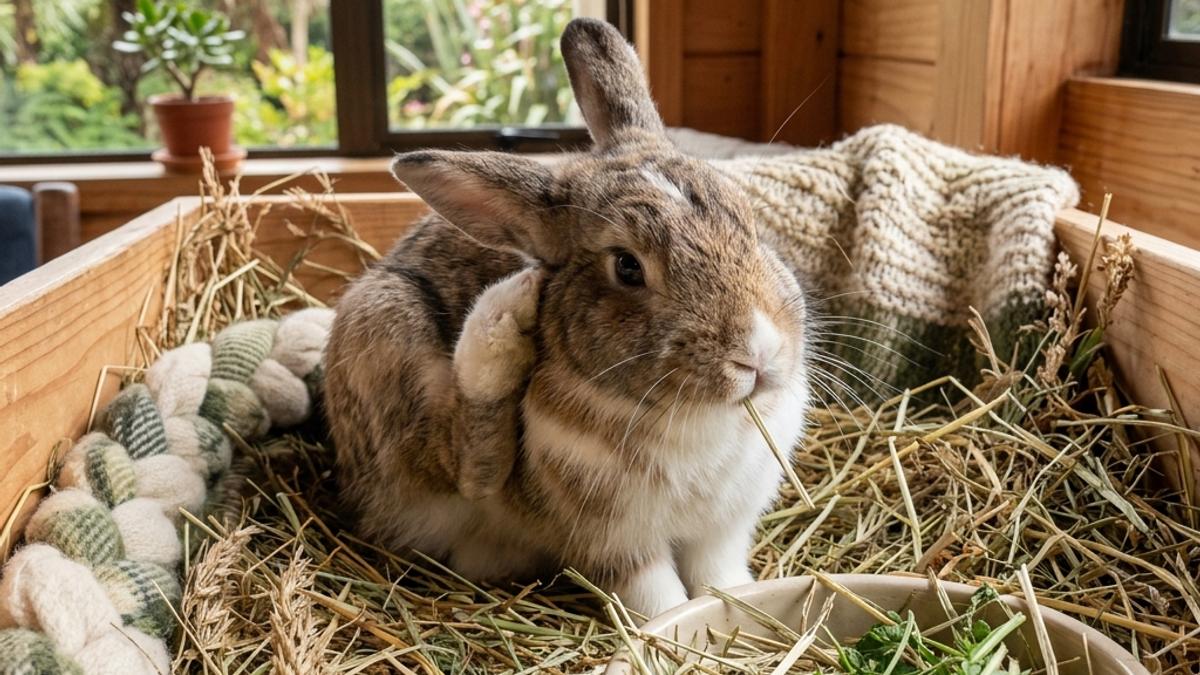
For everyday diet context, read What Do Rabbits Eat NZ, Rabbit Care NZ and Small Pets and Exotics NZ.
Why caecotroph eating matters
Rabbits are built for a high-fibre diet. Caecotroph eating is part of that digestive system, not a dirty habit. If your rabbit is bright, eating hay, passing normal dry pellets and grooming normally, caecotroph eating is expected.
When to worry
Contact a rabbit-savvy NZ vet if you notice:
- soft caecotrophs stuck around the bottom
- a dirty rear end, especially in warm NZ weather
- fewer or smaller hard pellets
- true watery diarrhoea
- not eating, sitting hunched or tooth grinding
- a rabbit that cannot reach its rear end
Soft uneaten caecotrophs can be linked with diet, pain, stress, coat issues, obesity or a rabbit being unable to reach properly. Do not just reduce food or try home fixes if your rabbit seems unwell.
What you can do safely
Keep hay as the main daily food, make diet changes gradually and monitor droppings. How to Clean a Rabbit Hutch NZ helps reduce mess and fly risk, but a cleaning routine does not replace vet care if droppings change suddenly.
Quick takeaways
- Eating caecotrophs is normal and healthy for rabbits.
- Caecotrophs are different from ordinary dry pellets.
- Sticky caecotrophs left behind can signal diet, pain, stress or mobility issues.
- Not eating or true diarrhoea is urgent for rabbits.
Related reading
References
- SPCA New Zealand, What to feed your rabbits, checked 2026-06-11: https://www.spca.nz/advice-and-welfare/article/what-to-feed-your-rabbits
- RSPCA, Feeding your pet rabbit a healthy diet, checked 2026-06-11: https://www.rspca.org.uk/adviceandwelfare/pets/rabbits/diet
Important notice
*General rabbit behaviour and diet information for NZ owners. A rabbit that is not eating, has diarrhoea, has a dirty bottom, seems painful or passes fewer droppings needs a rabbit-savvy NZ vet urgently.*
Related guides
petmall.co.nz
Shop at PetMall
The products below are practical support items for your pet. PetMall ships across New Zealand.