Why Does My Cockatiel Scream in the Morning? NZ Guide
Why does your cockatiel scream in the morning? Learn normal flock calling, routine fixes, enrichment and avian vet red flags for NZ homes.
The quick answer: a cockatiel often screams in the morning because birds are social, vocal animals and morning contact calls can be normal. Your bird may be greeting the household, asking where everyone is, reacting to outdoor birds, anticipating breakfast or calling for attention. The plan is to meet social and enrichment needs without rewarding frantic screaming.
Why mornings are loud
Cockatiels are flock birds. In a home, you become part of that social routine. Morning screaming may be linked to:
- normal dawn activity and contact calling
- hearing wild birds outside
- a covered cage being uncovered
- breakfast timing
- being alone in a room
- boredom or lack of foraging
- a routine where screaming reliably brings people running
For the wider bird setup, see How to Set Up a Budgie Cage NZ, How to Tame a Budgie NZ, Lovebird Care NZ and Small Pets and Exotics NZ.
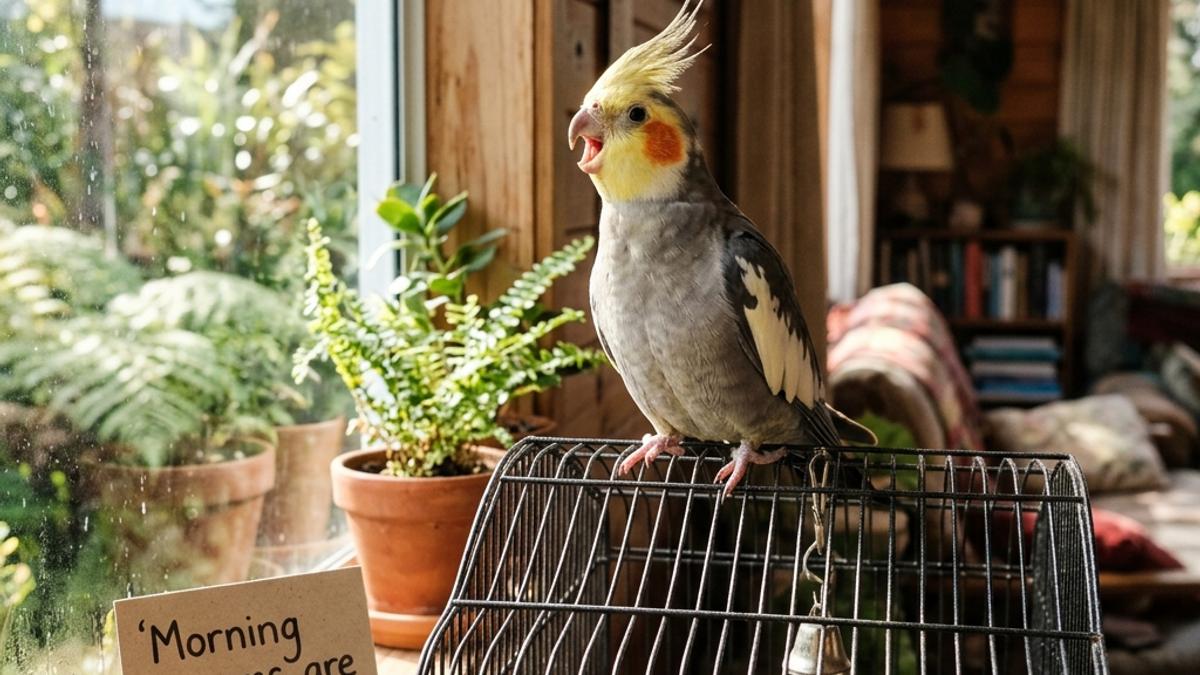
Build a calmer morning routine
Before the noise begins, offer predictable signals: uncovered cage, fresh water, breakfast, a few calm words and safe foraging. Reward softer sounds, stepping up calmly or playing with a toy. Keep your response to screaming boring if the bird is safe and well.
RSPCA bird advice highlights natural behaviours, social needs and positive training. A bird with no foraging, no safe out-of-cage routine and little social contact is more likely to use volume to solve the problem.
Check the environment
Make sure the cage is not in a draught, direct harsh sun, kitchen fumes, or a spot where cats or dogs stare in. Provide safe perches, chewable toys and foraging options. Keep sleep predictable and quiet.
If your cockatiel is a single bird, social time matters. Another bird is not a quick fix unless you can manage quarantine, introductions, housing and long-term compatibility.
When to call an avian vet
Contact an avian vet if screaming is sudden, distressed, paired with fluffed posture, tail bobbing, breathing changes, appetite change, droppings change, weight loss, injury, feather damage or a major behaviour shift. Birds hide illness, so do not wait if the bird looks unwell.
Quick takeaways
- Morning cockatiel screaming is often contact calling or routine-based.
- Meet social and foraging needs before the screaming escalates.
- Reward quiet or softer communication.
- Sudden distressed screaming or illness signs need an avian vet.
Related reading
References
- RSPCA, Understanding bird behaviour, checked 2026-06-13: https://www.rspca.org.uk/adviceandwelfare/pets/birds/behaviour
- RSPCA, Keeping pet birds with other birds, checked 2026-06-13: https://www.rspca.org.uk/adviceandwelfare/pets/birds/company
- RSPCA, Training your pet bird, checked 2026-06-13: https://www.rspca.org.uk/adviceandwelfare/pets/birds/training
- Lafeber Co. (avian experts), Cockatiel Sounds Explained — dawn/contact ("flock") calling, checked 2026-07-16: https://lafeber.com/pet-birds/cockatiel-sounds/
Important notice
*General bird behaviour information for NZ owners. Sudden distressed screaming, breathing changes, fluffed posture, appetite change, droppings change, weight loss or injury needs an avian vet promptly.*
Related guides
petmall.co.nz
Shop at PetMall
The products below are practical support items for your pet. PetMall ships across New Zealand.
- Bird Food & TreatsA quality seed or pellet base plus fresh veg keeps cage birds healthier than seed alone.
- Bird ToysForaging and chew toys prevent boredom — rotate a few rather than crowding the cage all at once.
- Bird SuppliesA well-sized cage with the right perch variety helps long-term comfort — aim for space to fully stretch wings.