Vet Costs in NZ: What to Expect to Pay in 2026
How much do vets cost in New Zealand? From routine checkups to emergency surgery, here are 2026 reference price ranges for common vet procedures in NZ — so you can budget before you commit.
Opening Disclaimer: The costs below are 2026 reference ranges gathered from published NZ sources and publicly available vet clinic pricing. Actual costs vary by region, clinic, pet size, and individual circumstances — always contact your vet for a quote before any procedure. This guide is for budgeting purposes only and does not constitute veterinary or financial advice. For medical decisions, always consult a registered NZ veterinarian.
New Zealand veterinary care is world-class, offering advanced diagnostics, surgeries, and therapies for our animal companions. However, since vet care in New Zealand is not government-subsidised, it represents one of the highest ongoing costs of pet ownership. Whether you are bringing home a new puppy or managing the health of an ageing cat, understanding what common procedures cost will help you budget realistically and avoid unexpected financial stress.
This guide breaks down typical New Zealand vet costs for routine preventive care, common medical procedures, and emergency or specialist treatments.
---
Routine & Preventive Care (Annual Costs)
Routine care is the foundation of your pet’s health. Fortunately, many NZ clinics offer fixed fees for these standardised procedures, making them easier to budget for. The table below outlines typical reference ranges:
| Procedure | Dog (approx. NZD) | Cat (approx. NZD) | Notes |
|---|---|---|---|
| Annual Wellness Check | $80 – $150 | $80 – $150 | Often combined with vaccination fees |
| Vaccinations (Annual Booster) | $90 – $130 | $90 – $110 | Covers core vaccines (DHP/Lepto for dogs; F3 for cats) |
| Heartworm Test (Dogs) | $40 – $70 | N/A | Recommended before starting preventive meds |
| Flea/Worm Treatment (Annual) | $100 – $220 | $80 – $180 | Varies widely based on pet weight and product brand |
| Microchipping | $50 – $80 | $50 – $80 | Capped at $105 when including NZCAR registry registration |
| Dental Scale & Polish | $300 – $600 | $250 – $500 | Basic routine clean under general anaesthesia; excludes extractions |
For official pricing examples from registered NZ clinics, you can check the published fee schedules on the Kamo Vets Price List and the Vetcall Christchurch Price List.
---
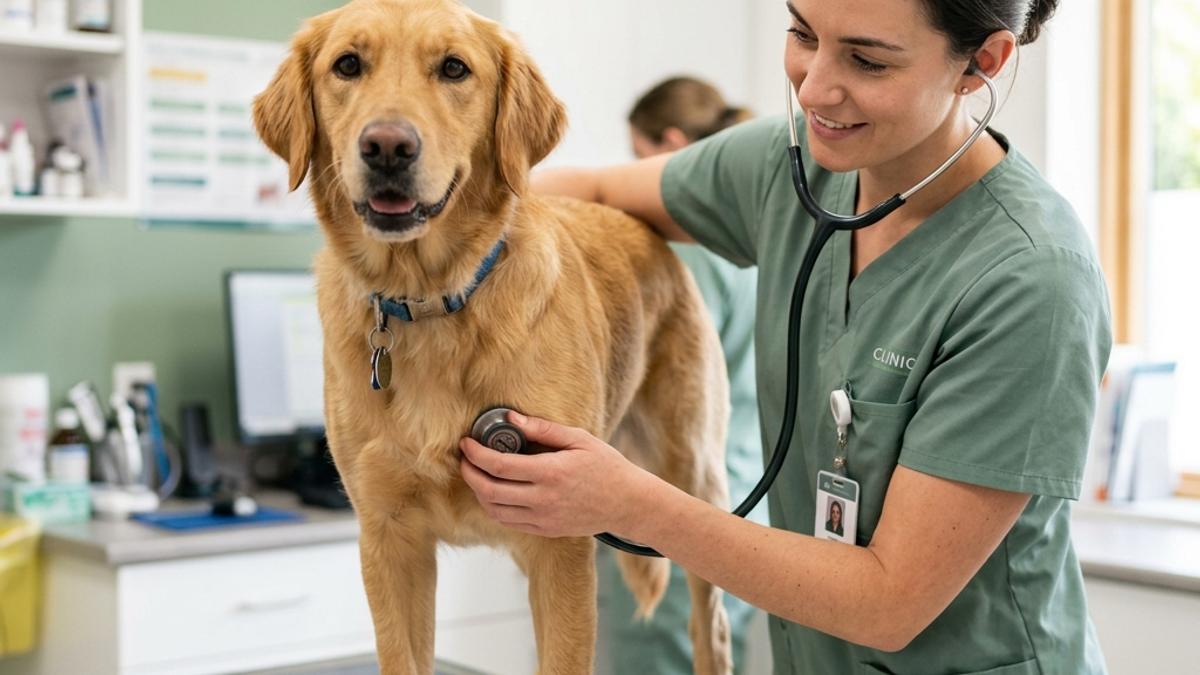
Common Veterinary Procedures
If your pet gets sick or injured, or requires standard surgery like neutering, costs will rise. The following table provides typical reference costs for common procedures in New Zealand:
| Procedure | Approx. Cost (NZD) | Notes / Variables |
|---|---|---|
| Desexing (Female Dog / Spay) | $400 – $900 | Heavily dependent on weight; includes pain relief and suture removal |
| Desexing (Male Dog / Castrate) | $300 – $700 | Varies by weight; cheaper than spaying due to less invasive surgery |
| Desexing (Female Cat / Spay) | $240 – $450 | Standard procedure; some regional SPCA programs offer subsidies |
| Desexing (Male Cat / Castrate) | $120 – $300 | Quick outpatient procedure; lowest cost surgical option |
| Blood Test Panel | $150 – $350 | Pre-anaesthetic or general diagnostic screening panels |
| X-Ray (Single View) | $200 – $400 | Excludes sedation costs which may be required for positioning |
| Urine Test / Urinalysis | $80 – $150 | Essential for diagnosing UTIs or kidney issues |
| Skin Scrape / Cytology | $100 – $200 | For diagnosing allergies, mites, or yeast skin infections |
| Minor Wound / Sutures | $200 – $500 | Simple laceration repair; increases if general anaesthetic is needed |
---
Emergency & Specialist Care
Emergency situations and specialist care represent the most significant financial risk for NZ pet owners. These procedures often arise without warning and require immediate payment or financing.
- Emergency Consult (After Hours): $150 to $300. This fee only covers the initial consultation and physical exam. Any diagnostic tests, hospitalisation, or treatments are charged on top of this.
- Emergency Surgery (e.g., Foreign Object Obstruction or Gastric Torsion): $3,000 to $8,000+. These life-saving surgeries involve extensive operating time, anaesthesia, and post-operative hospital care.
- Fracture / Broken Bone Repair: $2,000 to $6,000+. Simple splints cost less, but complex fractures requiring pins, plates, or specialist orthopaedic surgery sit at the higher end of this range.
- Cancer Treatment (Chemotherapy / Radiation): $1,000 to $20,000+. Costs vary enormously depending on the type of cancer, the protocol selected, and whether you work with a general vet or a specialist oncologist.
- Specialist Referral (Cardiologist, Dermatologist, Orthopaedic): $300 to $600 for the initial consultation alone. Specialists operate in major hubs like Auckland, Hamilton, Wellington, and Christchurch.
Because of these potential costs, many Kiwis find themselves facing difficult decisions. To learn more about standard veterinary expenses, you can review the comprehensive breakdowns on the MoneyHub Guide to Cat Costs and MoneyHub Guide to Dog Costs.
---
Why NZ Vet Costs Are What They Are
Many pet owners express frustration at vet bills, feeling they are excessive. However, it is helpful to look at the factors that drive these costs in New Zealand:
1. No Government Subsidies: Human medical care in NZ is subsidised by the government through ACC and the public health system. Animal care receives zero subsidies. The pet owner must pay 100% of the cost of facilities, staff salaries, specialized equipment, and overheads. 2. Advanced Medical Equipment: Modern vet clinics are essentially mini-hospitals. They contain sterile surgical suites, digital X-ray machines, ultrasound equipment, anaesthetic monitors, and laboratory gear. The purchase and maintenance of this gear is expensive. 3. Small Market Size: Because New Zealand has a relatively small population, importing veterinary medicines, specialized tools, and laboratory reagents carries high shipping and regulatory costs compared to larger markets. 4. Clinic Overheads: Vet clinics must pay competitive salaries to retain qualified veterinarians and veterinary nurses. They also face high commercial leases and insurance costs.
---
How to Keep Vet Bills Manageable
Fortunately, there are several steps you can take to make vet care more affordable:
- Invest in Pet Insurance: Taking out a policy when your pet is young and healthy is the single best way to protect against major bills. You pay a monthly premium (typically $30 to $120) to cover up to 80–90% of eligible vet bills.
- Utilise Payment Plans: Many NZ clinics partner with finance companies like Afterpay, Vetpay, or offer Q Card options. Always ask about payment options before starting a major treatment.
- Check SPCA Subsidies: SPCA branches in some NZ cities offer subsidised desexing or checkups for low-income pet owners through community campaigns.
- Prioritise Preventive Care: Annual vaccinations and dental cleans prevent highly expensive conditions (like parvovirus or advanced periodontal disease) from developing in the first place.
- Ask for a Quote: For any non-emergency procedure, you have the right to request a written estimate before the vet begins work.
---
Is Pet Insurance Worth It in NZ?
For most Kiwis, the answer is yes. A single emergency vet visit for an accident or sudden illness can easily cost $3,000+, which is equivalent to several years of pet insurance premiums.
When choosing a policy, compare:
- The Excess: The initial amount you pay per claim (e.g., $100 or $250).
- Co-payment: The percentage of the bill you share (typically 10% to 20%).
- Exclusions: Pre-existing conditions are never covered, and some breeds have exclusions for congenital disorders.
For a complete comparison of providers in New Zealand, visit the MoneyHub Pet Insurance Guide and read our detailed NZ pet insurance guide.
---
Disclaimer: All prices in this guide are 2026 estimates based on publicly available NZ vet pricing. Actual costs vary significantly — always request a quote from your vet before proceeding with any treatment. This guide is for budgeting purposes only and does not constitute veterinary or financial advice. For medical decisions, always consult a registered NZ veterinarian.
To learn more about the ongoing costs of owning pets in New Zealand, read our guides on the cost of owning a dog in NZ and the cost of owning a cat in NZ.
Sources
- MoneyHub NZ, New Zealand Pet Insurance Comparison and Vet Costs Guide, checked 2026-07-23: https://www.moneyhub.co.nz/pet-insurance.html
- SPCA New Zealand, National Desexing Programme — Snip 'n' Chip vouchers desex and microchip a cat for $30 in participating regions, with SPCA covering the balance, checked 2026-07-24: https://desexing.spca.nz/about
Related guides
petmall.co.nz
Shop at PetMall
The products below are practical support items for your pet. PetMall ships across New Zealand.
- Dog FoodStart with food that matches your dog's life stage and activity level — and change brands slowly over 7–10 days.
- Dog TreatsTraining rewards and everyday treats — small, soft pieces work best for consistent reinforcement.
- Dog ToysA small rotation of chew, fetch, and puzzle toys usually works better than buying a large variety at once.
- Dog GroomingA gentle brush and the right shampoo make maintenance easier — especially for dogs that get muddy on walks.
- Leads & HarnessesComfort matters: padded contact points and adjustable fit help reduce rubbing on longer walks or tramping weekends.
- Flea & Worm TreatmentFor NZ conditions, look for protection that fits your routine (monthly vs longer-lasting) and your dog's weight range.