How to Teach a Dog to Come When Called: NZ Recall Guide
A reliable recall is the most important — and life-saving — cue you can teach. Step-by-step positive recall training for NZ beaches, parks and bush tracks.
The quick answer: a reliable recall is the most important cue you'll ever teach — it can save your dog's life near roads, livestock or cliffs, and it's the price of off-lead freedom. You build it by making coming back to you the best thing that ever happens: brilliant rewards, never punishment, and practice that starts easy and slowly gets harder. Never call your dog to do something it dislikes.
The golden rules of recall
- Coming back is always rewarded — generously, every time, while you're training.
- Never punish a dog that comes back, even if it took ages or was naughty. Punish the return and you've taught it not to come.
- Never call for something unpleasant (bath, nail trim, end of fun). Go and get the dog instead, or recall then reward and release back to play.
- Don't repeat the cue — if you say "come" ten times, you teach it to mean "eventually". Say it once and make it pay.
Step-by-step
- Pick a cue and load it. Choose a word ("come" or "here") or a whistle. In a quiet room, say it once and immediately give a fantastic treat. Repeat until the word predicts good things.
- Add a little distance. Call from a step away, reward at your feet, repeat — build up across the room, then the hallway.
- Move to the garden / section. Practise with mild distractions, still on easy mode, paying well.
- Use a long line outdoors. A 5–10 m training line lets you practise at the park or beach safely without losing control. Call, reward big, release back to sniffing.
- Proof it. Slowly add distractions — other dogs, smells, distance — only progressing when the dog is succeeding. If it fails, make it easier again.
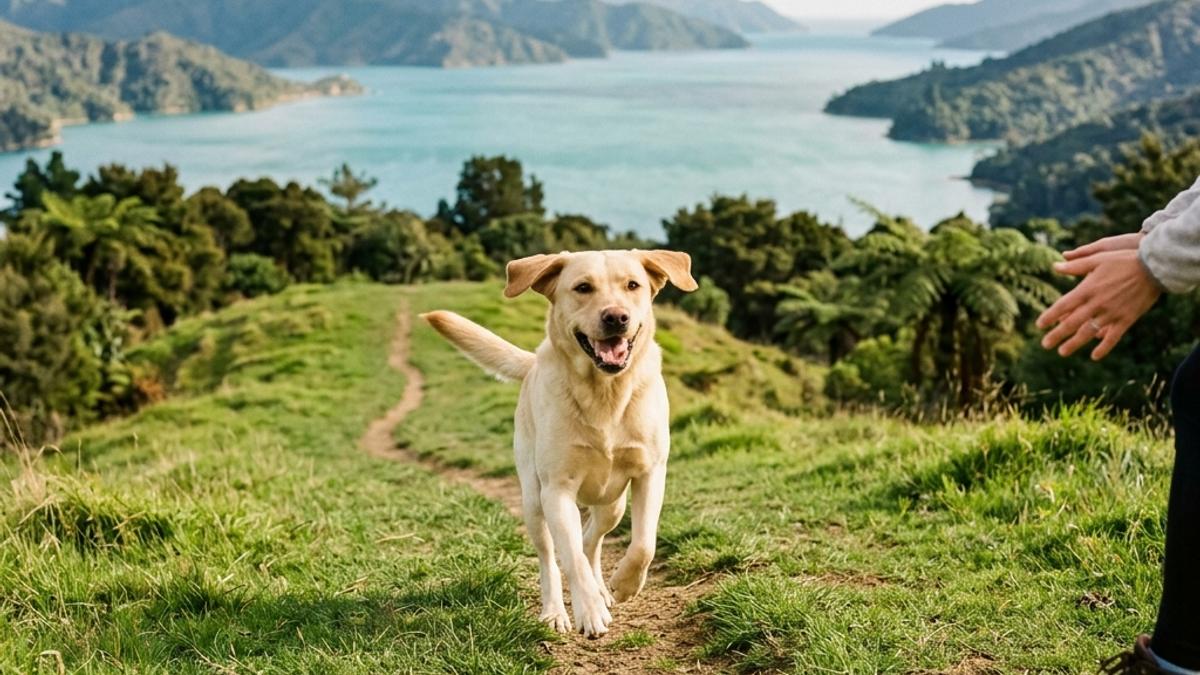
Make rewards worth it
Use high-value food outdoors (cooked chicken, cheese) — dry kibble can't compete with a beach full of smells. Mix in praise, play and the freedom to go back to sniffing, so recall isn't always "the end of fun".
NZ-specific reasons it matters
- Livestock and wildlife: a dog that won't recall near sheep, lambs or ground-nesting native birds is a serious risk. Many NZ reserves and DOC land require dogs on lead or ban them entirely to protect wildlife (kiwi, dotterels, penguins) — always check council and DOC rules before going off-lead.
- Roads and cliffs: beaches and tracks often sit near hazards; recall is your emergency brake.
When to get help
High-drive or easily-distracted dogs take longer — that's normal. If recall keeps failing, get a force-free NZ trainer rather than letting your dog "practise" ignoring you off-lead. A bored, under-exercised dog recalls poorly too — see how to tire out a high-energy dog in NZ.
Quick takeaways
- Make coming back the best thing ever; never punish a return.
- Never call your dog for something it dislikes; don't repeat the cue.
- Build distance and distraction slowly; use a long line outdoors.
- Use high-value food and release back to play as a reward.
- Check council/DOC rules — recall protects NZ livestock and native wildlife.
Shop related categories at PetMall
Looking for a long training line, treat pouch and a whistle in New Zealand? Browse the PetMall dog range for current options and nationwide delivery.
Related reading
References
- American Kennel Club (AKC), Reliable Recall: Teaching Your Dog to Come When Called, checked 2026-07-12: https://www.akc.org/expert-advice/training/reliable-recall-train-dogs-to-come-when-called/
- VCA Animal Hospitals, Training Your Puppy to Come, Wait, and Follow, checked 2026-07-12: https://vcahospitals.com/know-your-pet/training-your-puppy-to-come-wait-and-follow
Important notice
*General training information for NZ owners. Persistent recall failure is worth addressing with a qualified NZ trainer before relying on off-lead freedom.*
Free PetMall tools
Related guides
petmall.co.nz
Shop at PetMall
The products below are practical support items for your pet. PetMall ships across New Zealand.
- Dog FoodStart with food that matches your dog's life stage and activity level — and change brands slowly over 7–10 days.
- Dog TreatsTraining rewards and everyday treats — small, soft pieces work best for consistent reinforcement.
- Dog ToysA small rotation of chew, fetch, and puzzle toys usually works better than buying a large variety at once.
- Dog GroomingA gentle brush and the right shampoo make maintenance easier — especially for dogs that get muddy on walks.
- Leads & HarnessesComfort matters: padded contact points and adjustable fit help reduce rubbing on longer walks or tramping weekends.
- Flea & Worm TreatmentFor NZ conditions, look for protection that fits your routine (monthly vs longer-lasting) and your dog's weight range.