Cat Breed Guide NZ
Somali
The Somali cat, often described as a 'fox cat' due to its striking appearance, is essentially the long-haired version of the popular Abyssinian. These active, intelligent, and incredibly curious felines are true athletes, always keen to be at the heart of all family activities. With their mischievous yet gentle nature, Somalis thrive on interaction and mental stimulation, making them a captivating companion for the right household. In New Zealand, their adaptable nature means they can flourish in various home environments, provided they receive ample engagement and a safe, stimulating space to explore their world.
Photo Gallery
Breed Snapshot
- Size
- 3 - 5 kg
- Lifespan
- 12 - 16 years
- Origin
- Being enriched
- Temperament
- Mischievous, Tenacious, Intelligent, Affectionate, Gentle, Interactive, Loyal
- NZ Price
- $1,200 - $2,800 NZD from registered breeders; $150-$350 NZD adoption via SPCA (rarely available)
- Annual Vet Cost
- Estimated annual vet costs for a Somali in NZ range from $300 - $600 NZD, covering routine check-ups, vaccinations, and parasite prevention. This breed can be predisposed to genetic conditions like Pyruvate Kinase Deficiency (PKD) and Progressive Retinal Atrophy (PRA), which may incur additional testing or management costs. Regular dental care is also important to prevent future expenses.
Personality Scores
NZ Lifestyle Fit
The Somali cat's adaptable nature makes it suitable for various New Zealand living situations, though specific considerations apply. For an apartment in Auckland, a Somali can thrive if provided with ample vertical climbing space, regular interactive play, and puzzle feeders to satisfy their high intelligence and energy. Good ventilation is key during Auckland's humid summers. In a house with a section, they are in their element, but secure outdoor access, such as a well-designed catio, is highly recommended. This protects our native wildlife from their hunting instincts and keeps your valuable pet safe from traffic or other hazards. They are generally not suited for unsupervised rural NZ farm life, as their value and temperament make them vulnerable, and their hunting drive poses a risk to local fauna. Across New Zealand, their coat handles temperature variations well, but shade is crucial during high UV periods, and warm, dry indoor spaces are a must for South Island cold winters. There are no specific MPI restrictions on owning Somali cats in New Zealand.
Origins & History
The Somali cat's history is intertwined with that of the Abyssinian. It's believed that the long-haired gene for the Somali was present in the Abyssinian breed from its early days, likely a result of spontaneous mutation or outcrossing with longer-haired domestic cats in their lineage. For many years, these longer-haired kittens were considered 'undesirable' and often quietly rehomed or neutered. It wasn't until the 1960s, primarily in North America, that breeders like Evelyn Mague began to intentionally develop and promote these beautiful 'fluffy Abyssinians' as a distinct breed. She coined the name 'Somali' as a nod to Somalia, which borders Ethiopia (formerly Abyssinia), the supposed homeland of the Abyssinian. The breed gained recognition in various cat associations throughout the 1970s and 80s, establishing its place as a beloved and unique feline companion.
Appearance
The Somali is a medium-sized cat, typically weighing between 3 to 5 kg, with a lithe, muscular body that conveys grace and athleticism. Their most distinctive feature is their semi-long, soft, and dense coat, which is beautifully ticked, meaning each hair has bands of colour, giving them a shimmering, iridescent quality. They boast a magnificent bushy tail, often compared to that of a fox, along with a full ruff around their neck and 'britches' on their hind legs. Their head is a modified wedge with large, almond-shaped eyes that can be gold or green, giving them an alert and intelligent expression. Common colours include Ruddy (a warm reddish-brown), Red (sorrel), Blue, and Fawn, all with the characteristic ticking that defines the breed.
Temperament & Personality
Somalis are renowned for their vibrant and engaging personalities. They are often described as the 'clowns of the cat world' due to their playful antics and mischievous nature. Highly intelligent and endlessly curious, they love to explore every nook and cranny of their home, often scaling heights and investigating new objects. They are incredibly affectionate and gentle, forming strong bonds with their human families. Unlike some more aloof breeds, Somalis thrive on interaction; they are tenacious in their pursuit of attention, often 'helping' with household tasks or perching on shoulders. Their loyalty is profound, and they enjoy being at the centre of family life, making them excellent companions for active households that can provide plenty of mental and physical stimulation.
Life in New Zealand
Somalis adapt well to life in New Zealand, whether in a suburban home with a section or a more rural setting (with appropriate precautions). Their moderate coat handles Auckland's humid summers and the South Island's colder winters well, provided they have access to shade and warm, dry indoor spaces respectively. Given their active and curious nature, a secure outdoor catio or a safely enclosed section is ideal for them to explore without posing a risk to New Zealand's precious native birdlife. For apartment dwellers, a Somali can thrive with ample vertical space, puzzle toys, and dedicated daily play sessions. Their robust health and engaging personality make them a wonderful addition to many Kiwi families.
Is This the Right Breed for You?
The Somali is an ideal companion for individuals or families who are looking for an interactive, intelligent, and affectionate cat. If you appreciate a feline that is always 'involved' in your daily life, enjoys playtime, and can be trained, a Somali might be perfect. They are not suited for those seeking a quiet, independent cat that prefers to be left alone. Prospective owners should be prepared to provide plenty of mental enrichment, interactive toys, and consistent attention. Their moderate grooming needs and generally good health make them a relatively low-maintenance long-haired breed, but their need for engagement is high. If you're ready for a playful, loyal, and beautiful companion, the Somali could be your perfect match.
Fun Facts
Fact 1
Somalis are often called 'fox cats' due to their bushy tails and reddish coats.
Fact 2
They are essentially the long-haired version of the Abyssinian cat.
Fact 3
Known as the 'clowns of the cat world' for their playful and mischievous antics.
Fact 4
Many Somalis enjoy playing with water, a trait uncommon in most cat breeds.
Fact 5
They are highly intelligent and can be taught to fetch, walk on a leash, and perform tricks.
Related Breeds
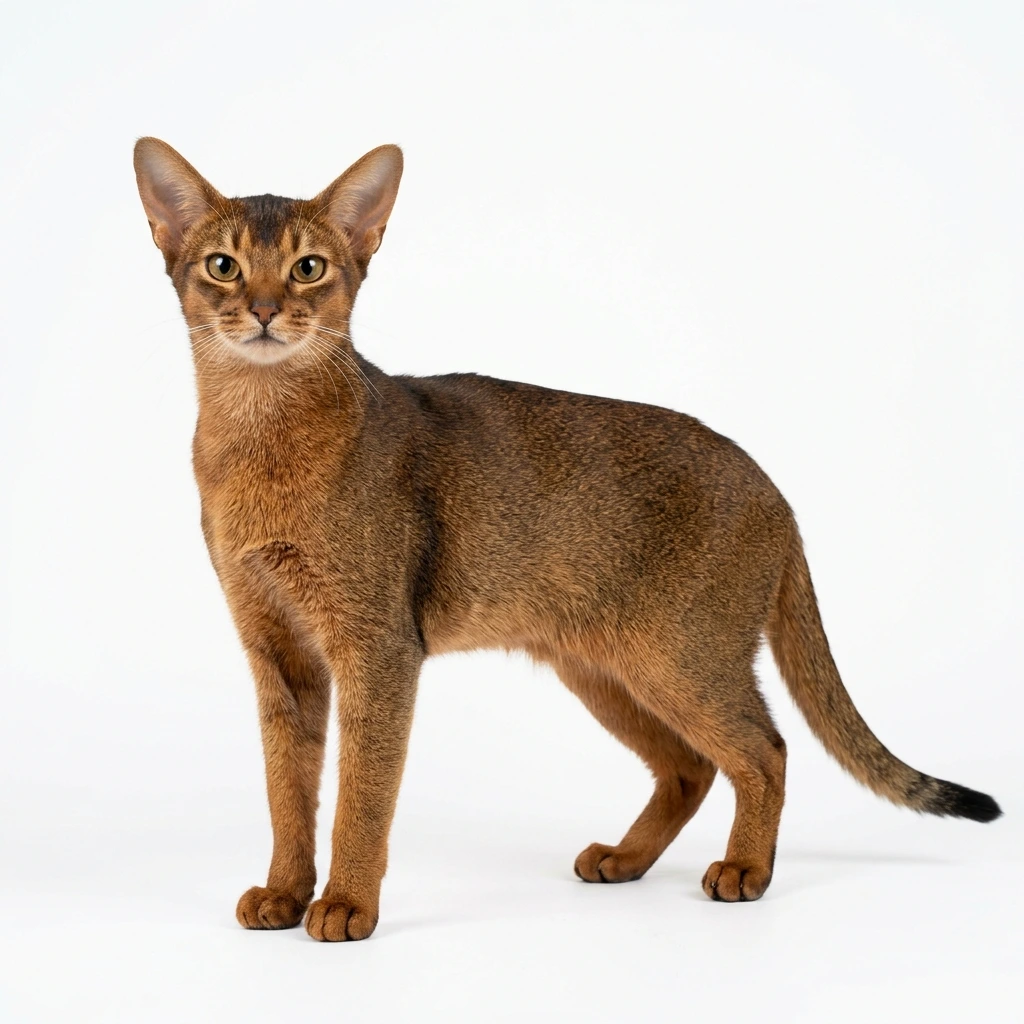
Abyssinian
The Abyssinian is a highly intelligent, active, and curious athlete. Known as the 'clowns of the cat world,' they love vertical space and being in the centre of family action. They are perfect for active Kiwi households that enjoy interactive pets.
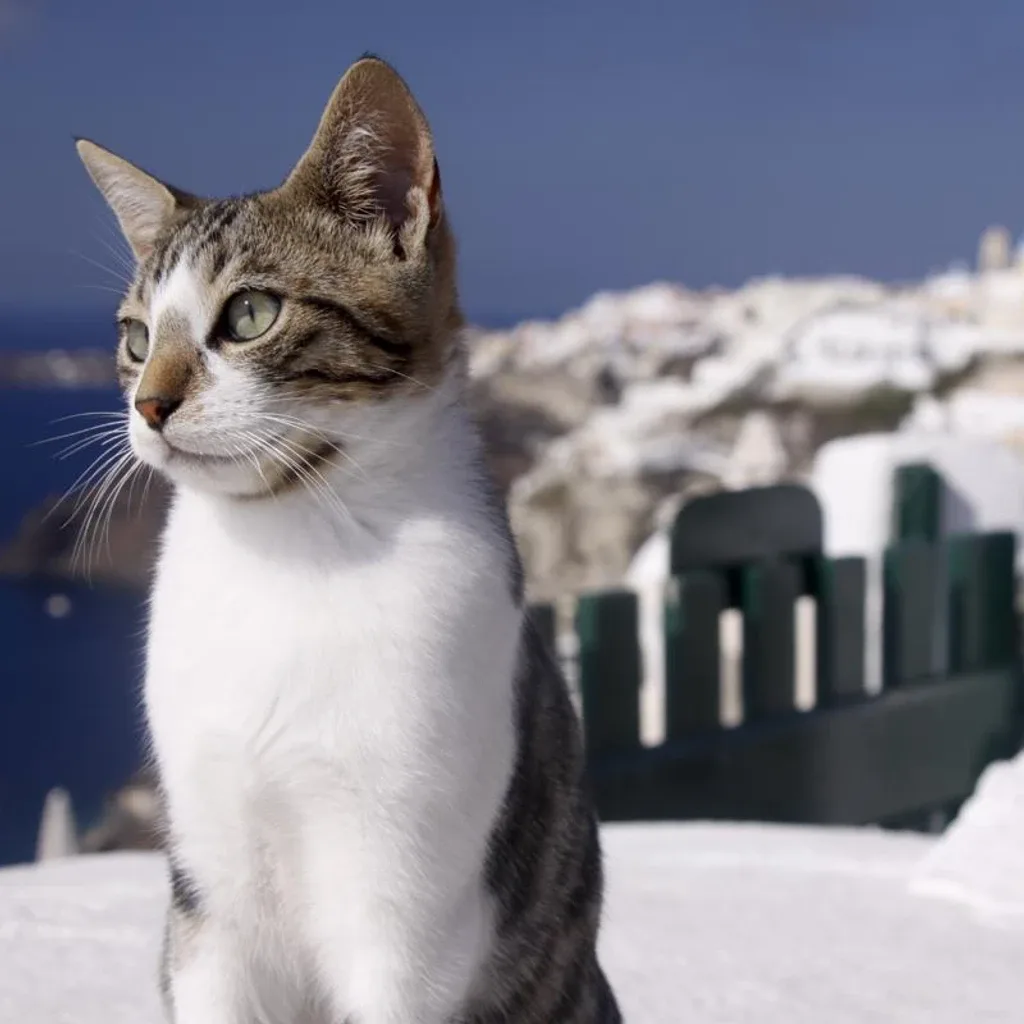
Aegean
A rare, natural breed from Greece, Aegeans are sturdy, social, and adaptable. They are famous for their love of water and their balanced, communicative nature.
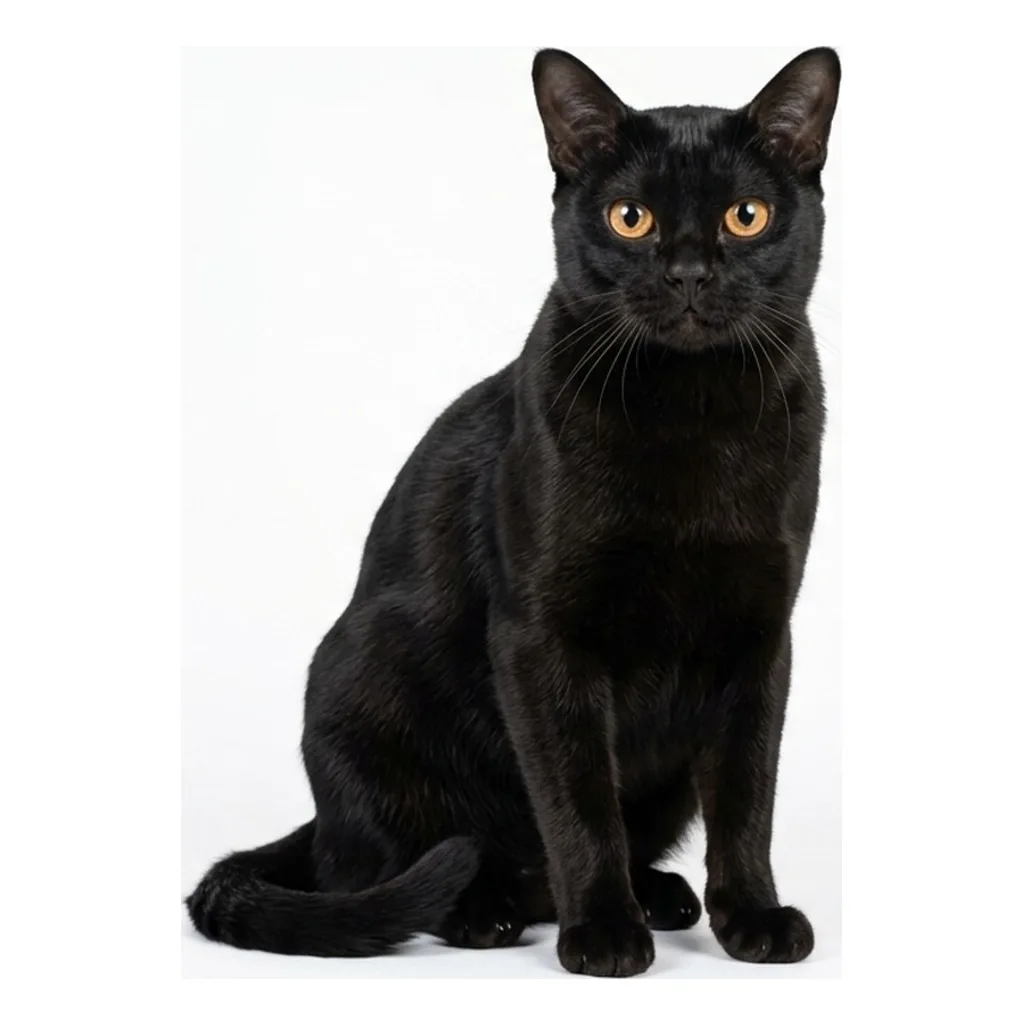
Bombay
The 'miniature panther.' Bombays are sleek, black, and copper-eyed. They are intensely people-oriented, affectionate, and love to investigate everything with their paws.
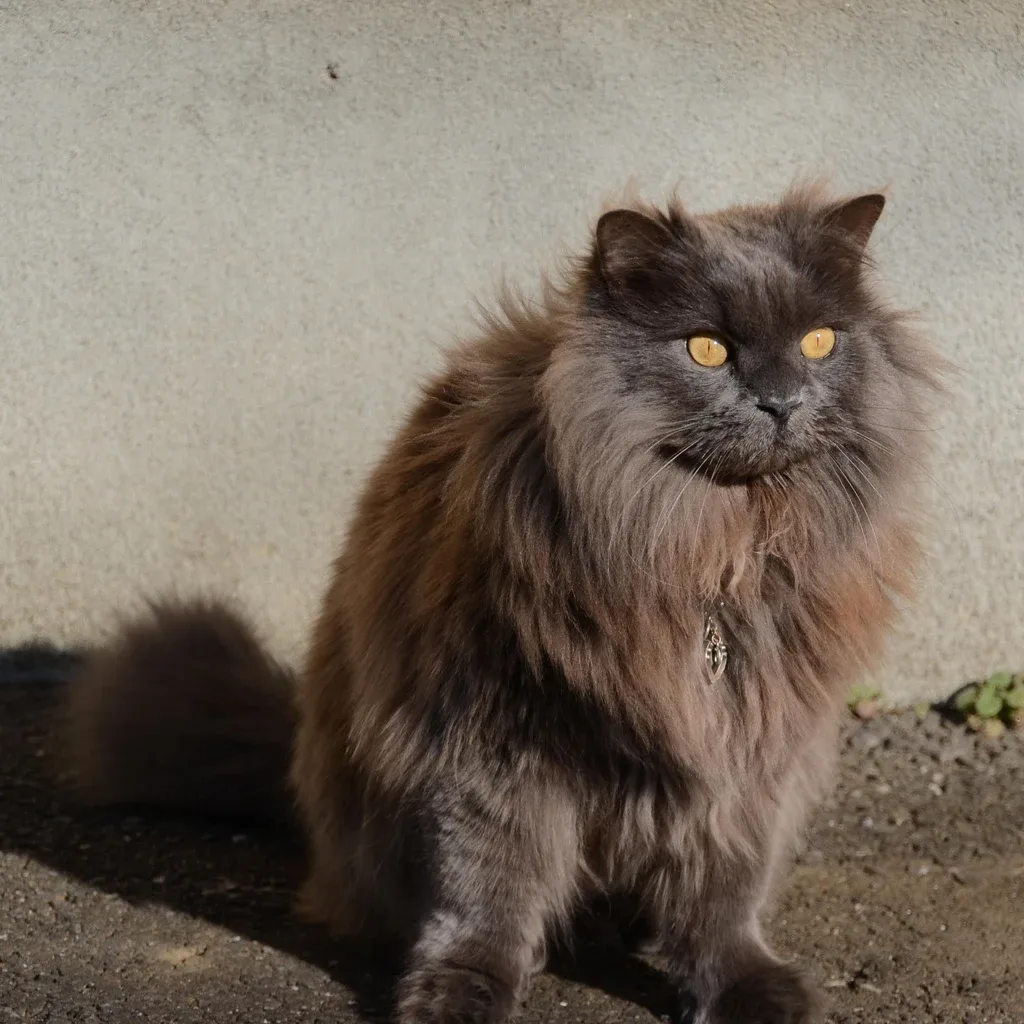
Chantilly-Tiffany
A medium-sized, long-haired companion known for its loyal and quiet nature. Often called 'chocolate lovers,' they are gentle, devoted cats.