Cat Breed Guide NZ
Siberian
The majestic Siberian cat, a robust and beautiful breed, hails from the harsh forests of Russia, boasting a luxurious triple coat perfectly adapted for cold climates. Known for their sweet, intelligent, and playful personalities, Siberians are natural athletes and problem-solvers who form strong bonds with their human companions. Often described as 'dog-like' due to their loyalty and interactive nature, they're also a popular choice for some allergy sufferers, as they're believed to produce less of the Fel d 1 protein. Their adaptable and affectionate nature makes them a wonderful addition to many Kiwi households, thriving on interaction and mental stimulation.
Photo Gallery
Breed Snapshot
- Size
- 4 - 7 kg
- Lifespan
- 12 - 15 years
- Origin
- Being enriched
- Temperament
- Curious, Intelligent, Loyal, Sweet, Agile, Playful, Affectionate
- NZ Price
- $1,500 - $3,500 NZD from registered breeders; $150-$350 NZD adoption via SPCA (rarely available)
- Annual Vet Cost
- Estimated annual vet costs for a Siberian cat in NZ range from $300 - $600 NZD for routine check-ups, vaccinations, and parasite control. This figure can increase significantly if breed-specific health issues arise. Siberians are generally healthy, but like many purebreds, they can be predisposed to Hypertrophic Cardiomyopathy (HCM), a heart condition, and less commonly, Polycystic Kidney Disease (PKD). Regular screening by a vet, especially for HCM, can add to these costs but is crucial for early detection and management.
Personality Scores
NZ Lifestyle Fit
Siberian cats are remarkably adaptable to various New Zealand living situations. For an apartment in Auckland, a Siberian can thrive provided they receive ample mental stimulation and play. Their intelligent and curious nature means they need puzzle toys, climbing structures, and dedicated playtime to prevent boredom. Auckland's humid summers will necessitate more frequent grooming to manage their dense triple coat and prevent matting. For a house with a section, a secure outdoor catio is ideal, allowing them to safely explore and exercise without the risks of traffic or encounters with other animals. Their athletic build means they'll enjoy climbing and observing their surroundings. In rural NZ farm settings, a Siberian would enjoy the space, but owners must be vigilant about their safety from farm machinery, poisons, and other animals. Their hunting instincts might emerge, but they should still be primarily indoor cats for their wellbeing. South Island's cold winters are no match for their thick, insulating coat. However, New Zealand's high UV levels mean that any outdoor access, particularly in summer, should be supervised or in shaded areas to protect their skin. There are no specific MPI restrictions on owning Siberian cats in New Zealand, making them a straightforward choice for pet owners.
Origins & History
The Siberian cat's lineage traces back centuries to the frigid forests of Russia, where they developed naturally into a robust and resilient breed. These native cats adapted to the harsh climate, evolving a dense, protective triple coat and a powerful build. While their exact origins are shrouded in time, they are considered one of the oldest natural breeds, predating many modern pedigreed cats. They were largely unknown outside of Russia until the late 20th century, when they began to be imported to other countries, quickly gaining popularity for their striking appearance and charming temperament. Their history as a working forest cat means they possess strong survival instincts, agility, and a keen intelligence that continues to define the breed today.
Appearance
The Siberian is a medium to large-sized cat, with males typically weighing between 5-7 kg and females 4-6 kg, though some can be larger. They are powerfully built with a muscular body, large paws, and a bushy tail. Their most distinctive feature is their magnificent triple coat, consisting of a soft, dense undercoat, a longer, protective awn hair layer, and an outer layer of guard hairs. This multi-layered coat is water-resistant and provides excellent insulation, shedding seasonally. Their heads are broad and wedge-shaped, with medium-sized ears often adorned with lynx tips. Their large, expressive eyes come in various shades of green, gold, or copper, adding to their captivating gaze.
Temperament & Personality
Siberian cats are renowned for their delightful temperament. They are highly intelligent, curious, and incredibly affectionate, often described as 'dog-like' in their loyalty and desire to interact with their families. They enjoy playing fetch, can be taught tricks, and often greet their owners at the door. Their playful nature extends well into adulthood, and they are natural problem-solvers, enjoying puzzle toys and interactive games. Siberians are generally good with children and other pets, making them excellent family companions. They are known for their gentle chirps and trills rather than loud meows, adding to their endearing charm. Despite their size, they are remarkably agile and enjoy climbing and exploring.
Life in New Zealand
Siberian cats adapt well to life in New Zealand, whether in a suburban home with a secure garden or a rural setting. Their robust nature and thick coat mean they handle cooler South Island winters with ease, but their triple coat also requires regular grooming to prevent matting, especially during Auckland's more humid summers. Providing a safe outdoor space, such as a catio, is ideal for them to express their natural athleticism and curiosity while keeping them safe from traffic and other hazards. Indoors, they thrive on interaction, requiring plenty of vertical space for climbing and a variety of toys to keep their intelligent minds stimulated. Regular vet check-ups are essential, as with any breed, to ensure they remain healthy and happy throughout their 12-15 year lifespan.
Is This the Right Breed for You?
The Siberian cat is an excellent choice for individuals or families seeking an intelligent, affectionate, and playful companion. They thrive on interaction and are not content to be mere 'furniture cats'. If you're prepared to provide regular grooming, mental stimulation, and plenty of love, a Siberian will reward you with unwavering loyalty and endless entertainment. Their adaptability makes them suitable for various living situations across New Zealand, from city flats to larger properties, provided their needs for exercise and engagement are met. For those with mild cat allergies, the Siberian's lower Fel d 1 protein production might offer a more comfortable co-existence, though it's always wise to spend time with the breed before committing.
Fun Facts
Fact 1
Siberian cats are known for their 'dog-like' loyalty and often greet their owners at the door.
Fact 2
They are one of the 'hypoallergenic' cat breeds, producing less Fel d 1 protein, which triggers allergies in some people.
Fact 3
Many Siberians have a fascination with water and may enjoy playing in sinks or even taking a dip.
Fact 4
Their distinctive triple coat is water-resistant and perfectly adapted to harsh, cold climates.
Fact 5
Siberians are highly intelligent and can be taught tricks, play fetch, and even walk on a leash.
Related Breeds
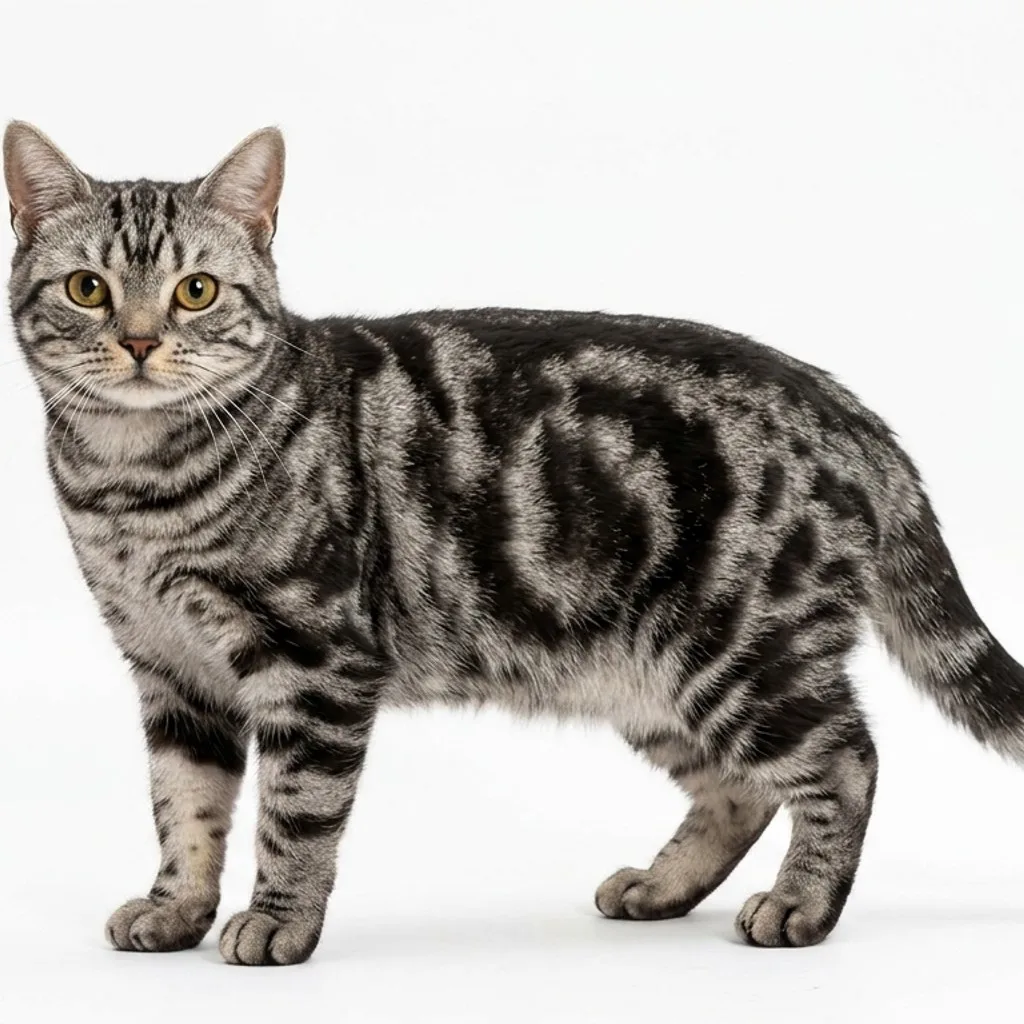
American Shorthair
A versatile, sturdy, and easy-going companion. American Shorthairs are quiet, gentle cats that adapt well to various Kiwi living situations and are known for their longevity.
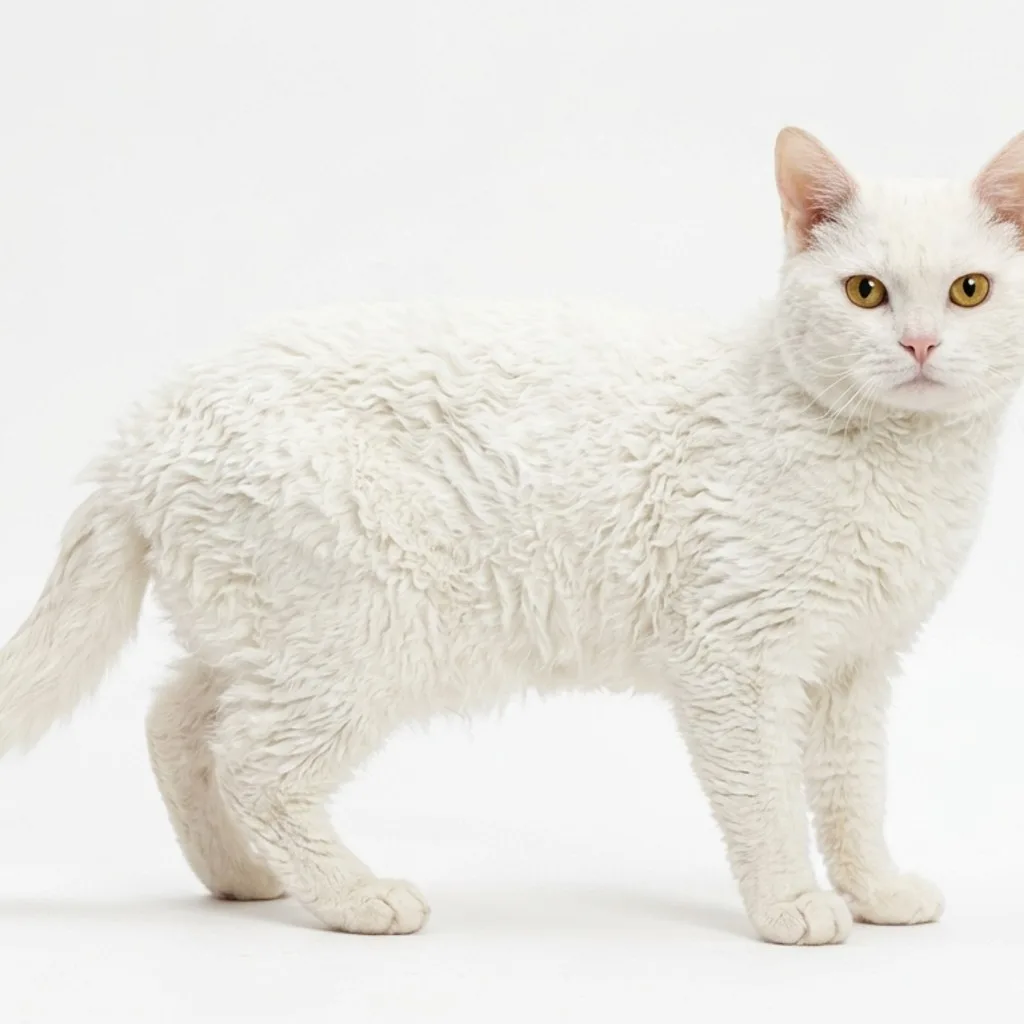
American Wirehair
Characterised by their unique crimped coat, American Wirehairs are affectionate, gentle, and quiet companions that enjoy human company without being demanding.
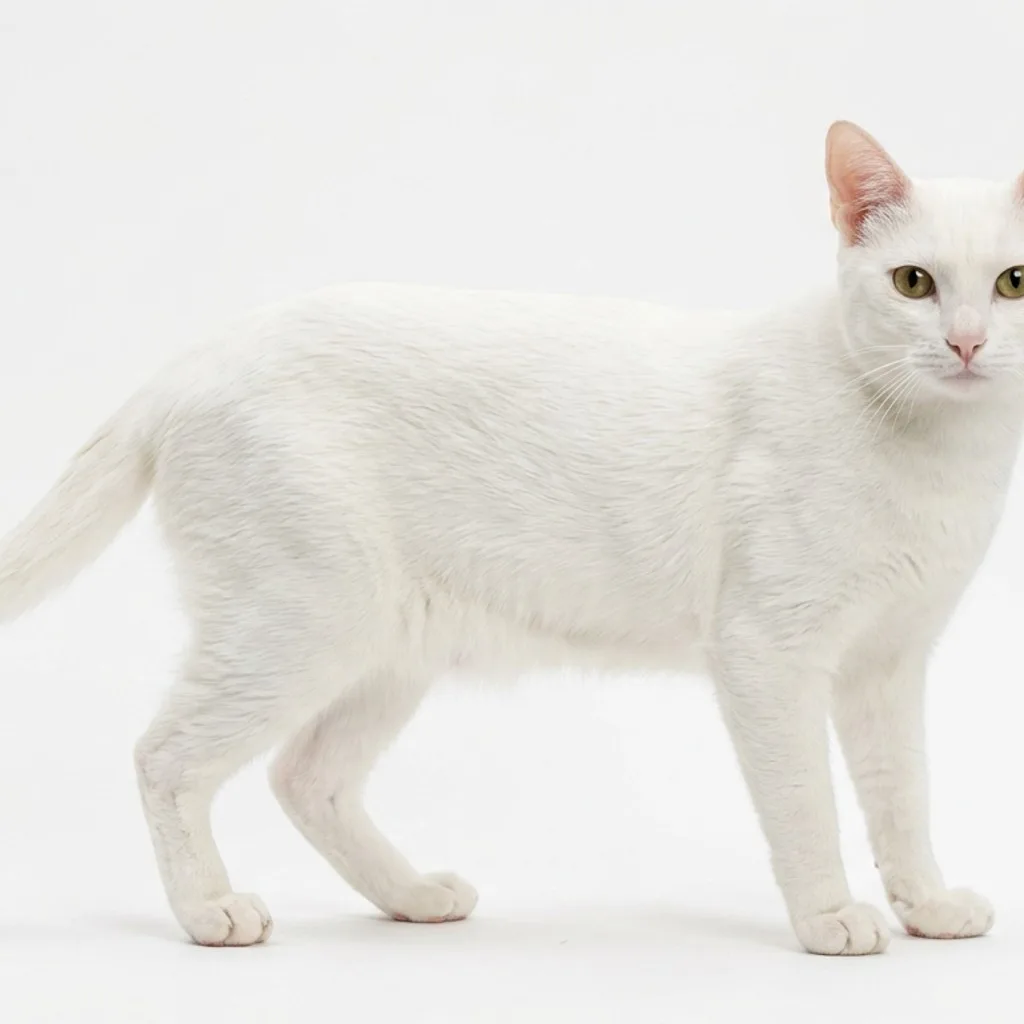
Arabian Mau
A natural desert breed, the Arabian Mau is athletic, energetic, and independent. They are high-energy cats that thrive on plenty of play and interaction.
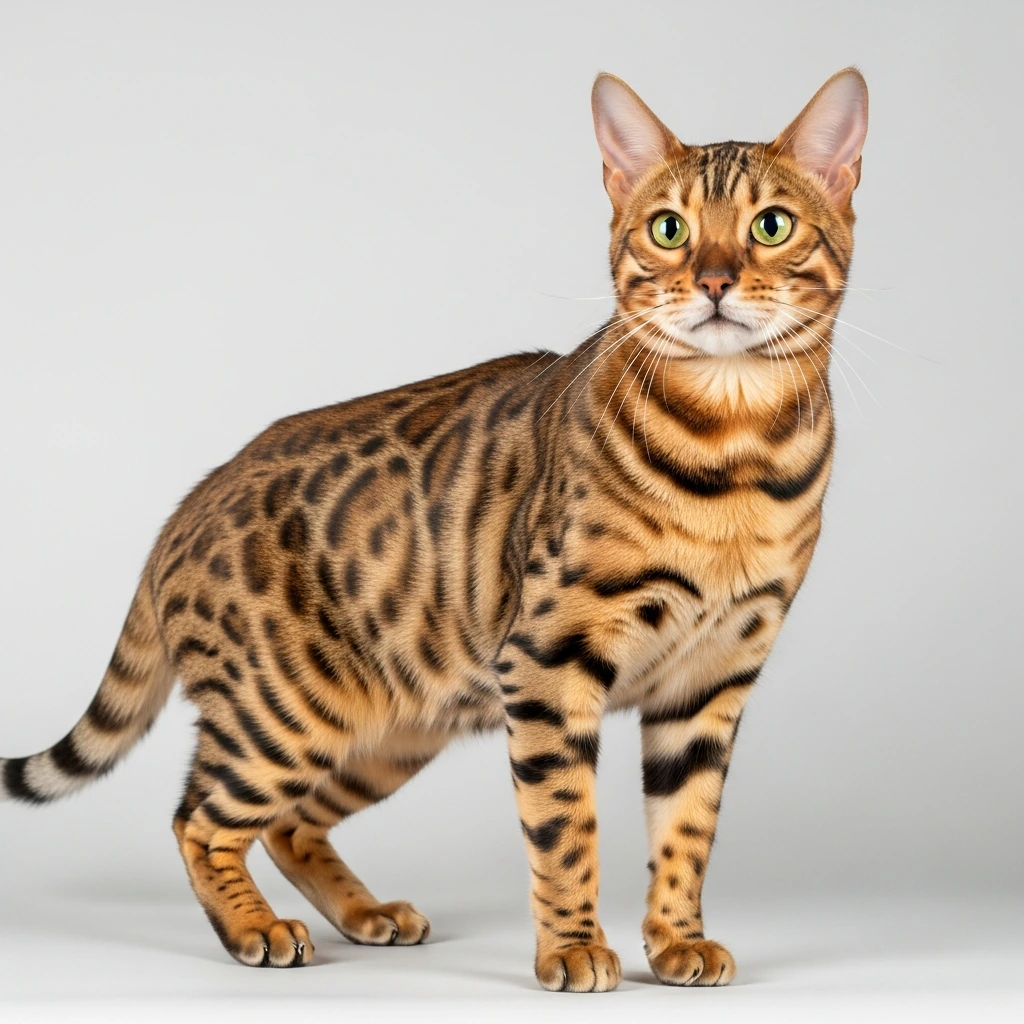
Bengal
The Bengal is an athletic, spotted, high-energy cat that needs far more enrichment than an average companion cat. New Zealand owners should plan indoor climbing, puzzle feeding, catio access, and import/breeder documentation checks before choosing one.