Cat Breed Guide NZ
Bengal
The Bengal is an athletic, spotted, high-energy cat that needs far more enrichment than an average companion cat. New Zealand owners should plan indoor climbing, puzzle feeding, catio access, and import/breeder documentation checks before choosing one.
Photo Gallery
Breed Snapshot
- Size
- 4 - 7 kg
- Lifespan
- 12 - 16 years
- Origin
- Modern pedigree breed developed from domestic cats with Asian leopard cat ancestry; import rules need care.
- Temperament
- Athletic, intelligent, curious, active, playful, and often demanding.
- NZ Price
- $1,800 - $2,500 NZD from registered breeders, usually desexed and microchipped before collection; $150-$350 NZD adoption via SPCA or breed rescue (rarely available)
- Annual Vet Cost
- $500-$1,500+ NZD per year for routine care, parasite control, vaccination, dental planning, and unexpected illness; senior or chronic-care costs can be higher.
Personality Scores
NZ Lifestyle Fit
Bengals are high-energy cats, making them a challenging fit for a small Auckland apartment unless the owner is exceptionally dedicated to providing daily mental and physical stimulation, including regular harness walks and extensive indoor enrichment. A house with a secure section is much more suitable, allowing them safe outdoor access to burn off energy. For rural NZ farms, Bengals can thrive if kept securely contained (e.g., in a large catio) to protect local wildlife, especially native birds, from their strong predatory instincts. Their wild appearance might also cause concern among neighbours if allowed to roam freely. Regarding climate, their short coat handles Auckland's humid summers well with access to cool spots, and South Island's cold winters require a warm, insulated indoor environment. High UV in New Zealand necessitates shade for outdoor access. MPI has no specific restrictions on owning Bengal cats (F5 and later generations) as they are considered domestic, but responsible pet ownership and local council bylaws always apply.
Overview
The Bengal is an athletic, spotted, high-energy cat that needs far more enrichment than an average companion cat. New Zealand owners should plan indoor climbing, puzzle feeding, catio access, and import/breeder documentation checks before choosing one.
NZ ownership fit
Best for active owners who can provide climbing, play, training, and safe containment. Bengals are usually poor matches for low-stimulation homes.
Care priorities
Focus on safe containment, microchip registration, body condition, dental care, grooming, enrichment, litter hygiene, and early vet advice when routines change.
Fun Facts
Fact 1
Bengal is listed as a cat breed on New Zealand Cat Fancy breed resources when NZCF has an active listing for it.
Fact 2
Pedigree cats still need individual assessment; breed is not a guarantee of personality.
Fact 3
Many cat health issues are easier to manage when owners notice small changes early.
Fact 4
A catio can give a cat fresh air while reducing traffic and wildlife risk.
Fact 5
Senior cats often hide pain, dental discomfort, or arthritis until routines change.
Related Breeds
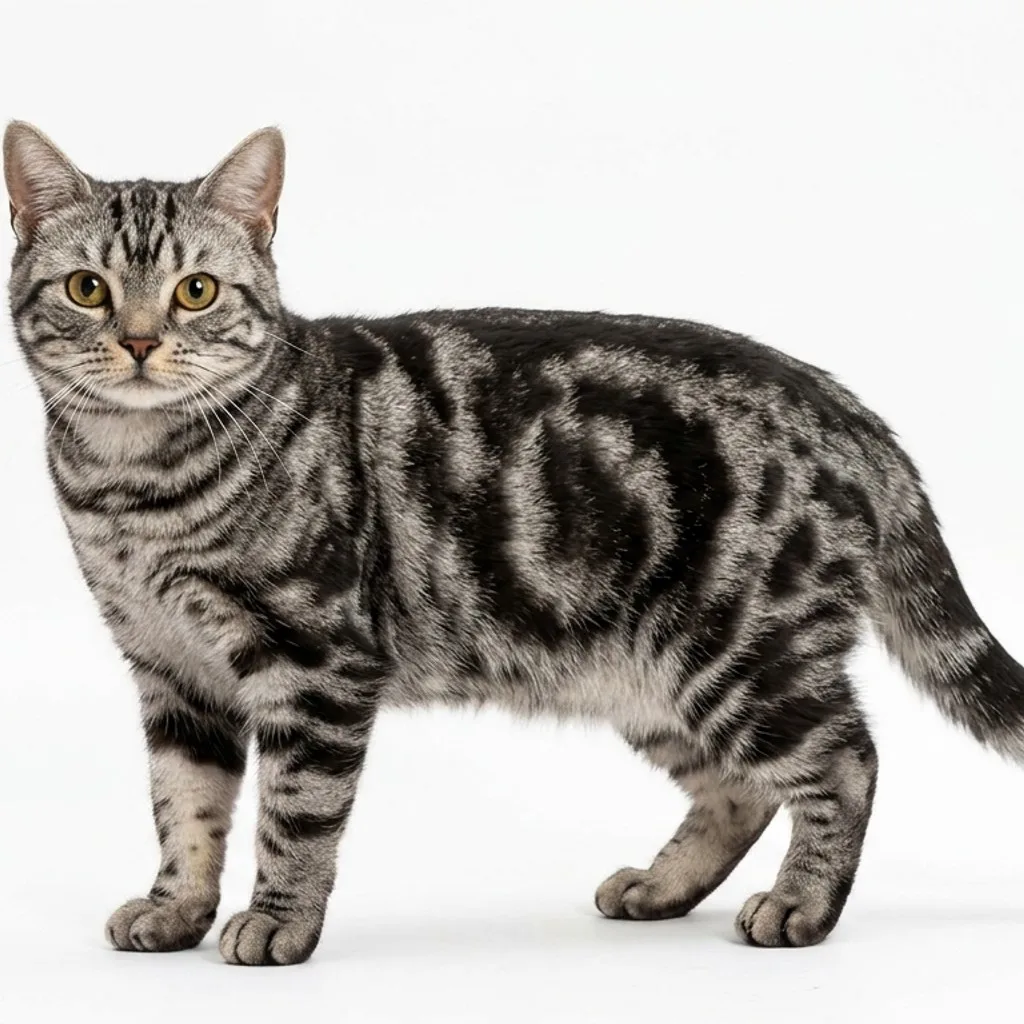
American Shorthair
A versatile, sturdy, and easy-going companion. American Shorthairs are quiet, gentle cats that adapt well to various Kiwi living situations and are known for their longevity.
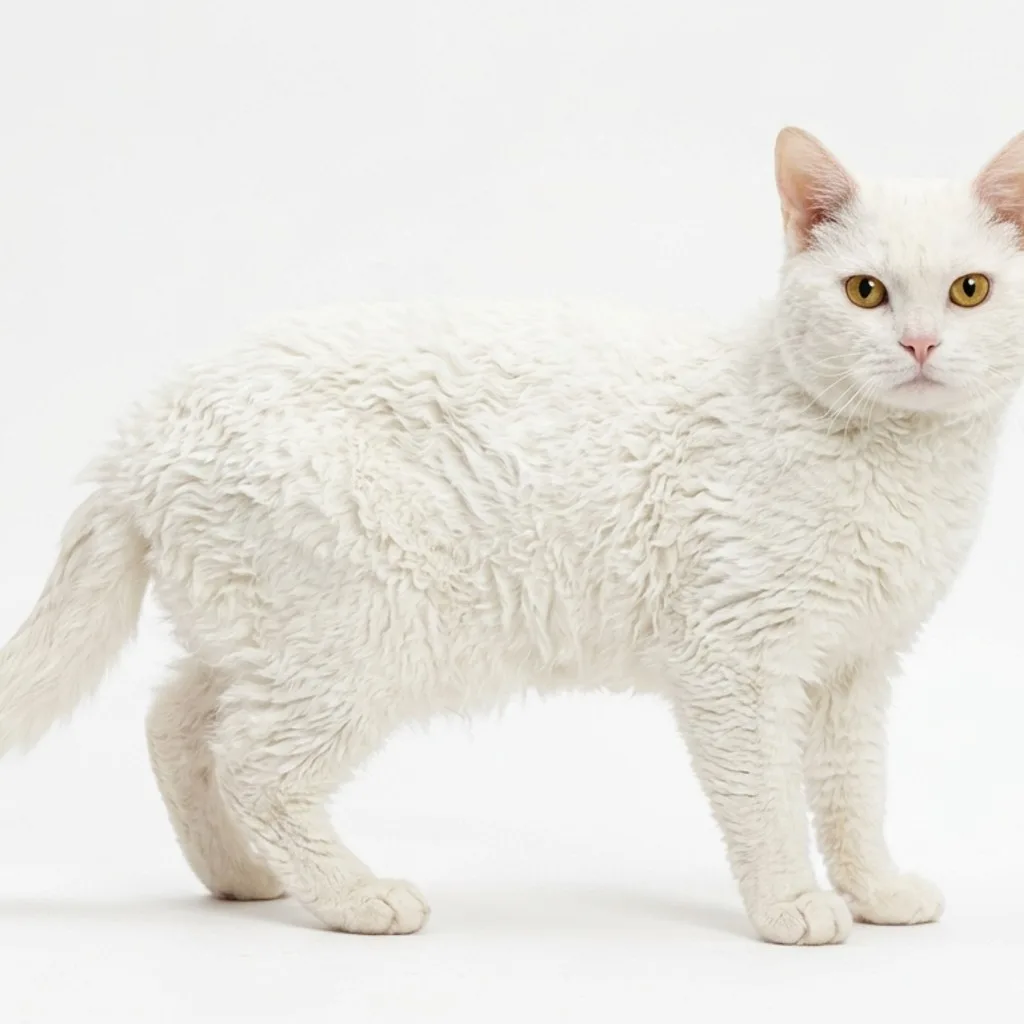
American Wirehair
Characterised by their unique crimped coat, American Wirehairs are affectionate, gentle, and quiet companions that enjoy human company without being demanding.
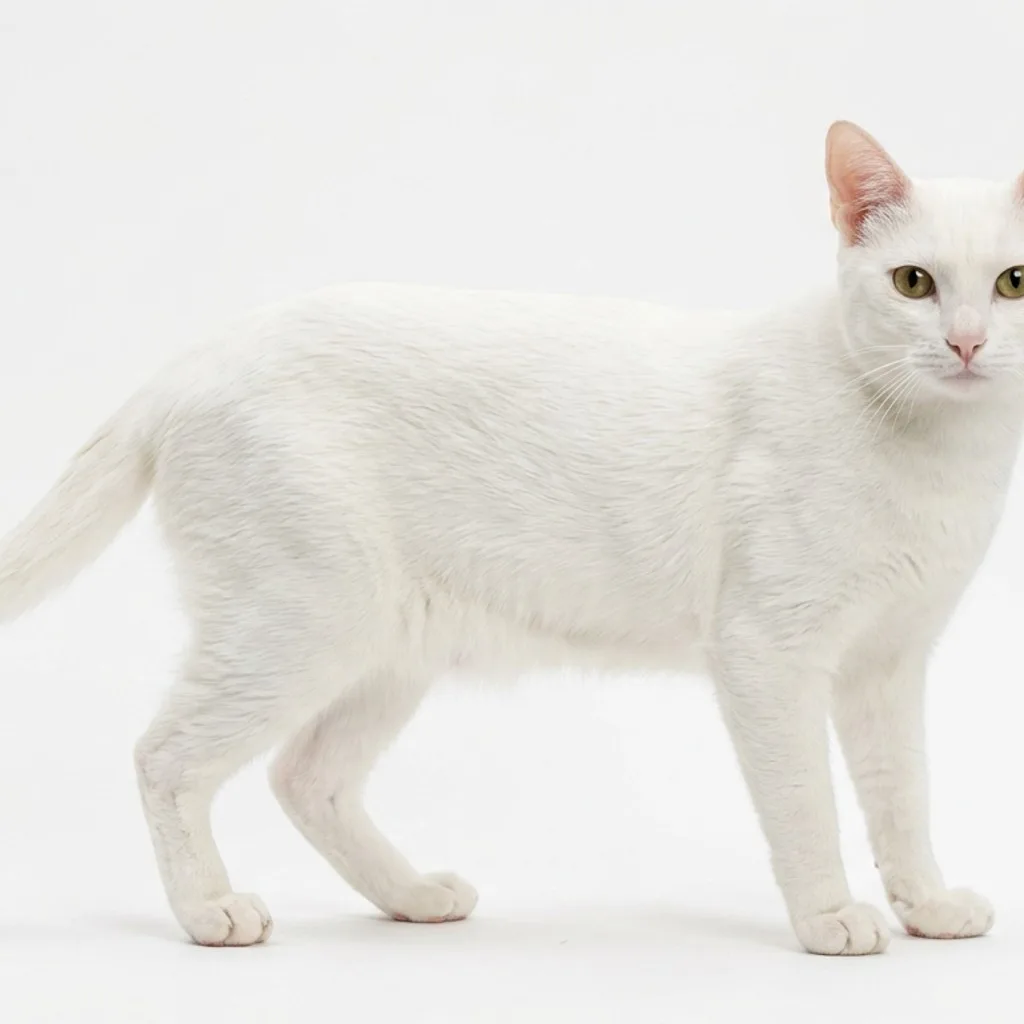
Arabian Mau
A natural desert breed, the Arabian Mau is athletic, energetic, and independent. They are high-energy cats that thrive on plenty of play and interaction.
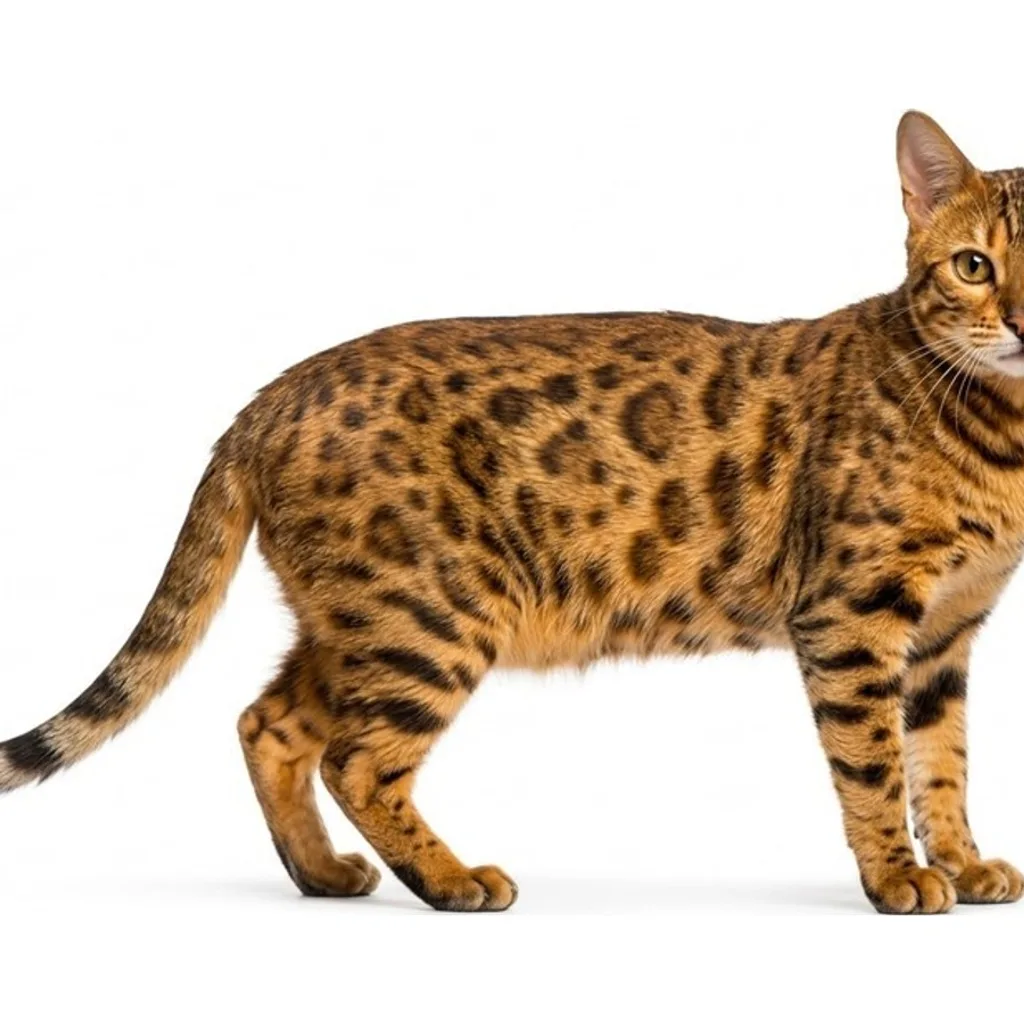
Cheetoh
Designed to look wild with a sweet, dependable temperament. Cheetohs are social, affectionate, and larger than most domestic cats.