Cat Breed Guide NZ
Cheetoh
The Cheetoh cat is a captivating hybrid, bred to embody the wild beauty of a big cat with the gentle, dependable nature of a domestic companion. These striking felines are larger than most house cats, boasting a distinctive spotted or marbled coat that mimics their wild ancestors. Known for their incredibly social, affectionate, and intelligent personalities, Cheetohs thrive on interaction and often display dog-like traits, such as leash training and playing fetch. In New Zealand, their adaptable nature makes them suitable for various homes, from a spacious house with a garden to a well-enriched flat, provided they receive ample mental and physical stimulation. They integrate wonderfully into Kiwi families, bringing a touch of the exotic without the wild temperament.
Photo Gallery
Breed Snapshot
- Size
- 4 - 7 kg
- Lifespan
- 12 - 14 years
- Origin
- Being enriched
- Temperament
- Affectionate, Gentle, Intelligent, Social
- NZ Price
- $1,500 - $3,500 NZD from registered breeders; adoption via SPCA is highly unlikely for this specific, rare breed
- Annual Vet Cost
- Estimated annual vet costs for a Cheetoh in New Zealand typically range from '$400 - $700 NZD'. This comprehensive figure covers essential routine check-ups, ensuring your feline companion remains in peak condition. It includes core vaccinations to protect against common feline diseases, regular flea and worm treatments vital for parasite control, and general preventative care tailored to their age and lifestyle. While Cheetohs are generally considered a healthy breed with a robust constitution, they can inherit predispositions from their parent breeds. For instance, some Bengals, a key lineage, can be prone to Feline Hypertrophic Cardiomyopathy (HCM), a heart condition, or Progressive Retinal Atrophy (PRA), an inherited eye disorder. Therefore, regular vet checks are paramount to monitor for any early signs of these or other common feline ailments. Discussing any breed-specific health screenings recommended by a reputable breeder with your NZ vet is also a wise investment in their long-term health, ensuring any potential issues are addressed proactively.
Personality Scores
NZ Lifestyle Fit
The Cheetoh cat's adaptable and social nature makes it surprisingly suitable for a range of New Zealand living situations. For those in an Auckland apartment or a city flat, a Cheetoh can thrive if provided with ample vertical space (cat trees, shelves), interactive toys, and consistent human interaction. Their intelligence means they need mental stimulation to prevent boredom. In a house with a section, they'll appreciate a secure outdoor "catio" or supervised leash walks, as their striking appearance might make them a target for theft if allowed to roam freely. Rural NZ farm life might be less ideal unless they are strictly indoor cats or have a very secure outdoor enclosure, due to potential wildlife interactions and the risks associated with larger, unsupervised outdoor spaces. Regarding climate, their short coat is generally fine, but in Auckland's humid summers, ensure good ventilation and fresh water. During South Island's cold winters, a warm, insulated indoor environment is crucial, perhaps with a heated bed. High UV in New Zealand means any outdoor access should include shaded areas to protect their skin. MPI has no specific restrictions on owning Cheetoh cats in New Zealand, as they are a domestic breed.
Origins & History
The Cheetoh cat is a relatively new and captivating breed, first developed in the United States in 2001 by Carol Drymon. Her vision was to create a domestic cat that possessed the striking, wild appearance of a large jungle cat, specifically resembling a cheetah, but with a consistently sweet, dependable, and affectionate temperament. To achieve this unique combination, the Cheetoh was meticulously bred from two distinct and well-established domestic breeds: the Ocicat and the Bengal. The Ocicat itself is a hybrid of the Abyssinian, Siamese, and American Shorthair, known for its spotted coat and playful nature. The Bengal, a cross between an Asian Leopard Cat and a domestic cat, contributes its exotic markings and active personality. The careful selection and breeding of these parent lines over several generations have resulted in the Cheetoh, a breed that truly stands out for its aesthetic appeal and delightful character. While still considered a rare breed globally and particularly in New Zealand, the Cheetoh is gaining recognition for its unique blend of beauty and temperament.
Appearance
The Cheetoh cat is renowned for its magnificent, wild-looking coat and substantial build, making it one of the larger domestic cat breeds. Males typically weigh between 5 and 7 kilograms, while females are slightly smaller, usually ranging from 4 to 6 kilograms. Their athletic and muscular physique is complemented by a short, dense, and incredibly soft coat that requires minimal grooming. The most striking feature is their pattern, which primarily comes in two variations: spotted or marbled. The spotted pattern, reminiscent of a cheetah, features distinct, dark spots against a lighter background, often with a glittered effect that makes their fur shimmer in the light. Marbled patterns display swirling, contrasting colours. Common coat colours include various shades of brown, gold, silver, and even snow (a lighter, cream-coloured base). They possess large, expressive eyes that are typically gold, green, or amber, and their ears are medium-sized, set high on a well-proportioned head. Their overall appearance is one of elegance and power, truly embodying the "wild look" without the wild nature.
Temperament & Personality
The Cheetoh cat's temperament is arguably its most endearing quality, perfectly balancing its exotic appearance with a truly domestic and loving nature. They are exceptionally affectionate, gentle, intelligent, and highly social animals. Unlike many cats, Cheetohs thrive on companionship and actively seek out interaction with their human families, often following them from room to room. Their intelligence makes them highly trainable; many Cheetoh owners report success with leash training, playing fetch, and learning various tricks, much like a dog. They are known for their playful antics and require regular mental stimulation through interactive toys and games. Cheetohs are generally good with children and other pets, provided they are properly socialised from a young age. They possess a curious and adventurous spirit, enjoying exploration and climbing. While they can be vocal, their meows are typically pleasant and used to communicate their desires for attention or play. This breed forms strong bonds with its family, offering unwavering loyalty and a constant source of entertainment and affection.
Life in New Zealand
Bringing a Cheetoh into a New Zealand home means welcoming a vibrant and engaging companion. Their adaptable nature makes them well-suited to various Kiwi living situations, from bustling city flats to more spacious homes with gardens in the suburbs or even semi-rural settings. Given their social needs, Cheetohs thrive when integrated fully into family life, rather than being left alone for extended periods. Their short, dense coat is generally well-suited to New Zealand's climate, though in colder South Island winters, a warm, cosy spot indoors is essential. During the high UV summers, especially in places like Auckland, ensuring they have shaded areas if outdoors and access to fresh water is crucial. Their playful and intelligent nature means they benefit greatly from enriched indoor environments, with climbing structures, puzzle toys, and regular interactive play sessions with their owners. While they enjoy supervised outdoor access, especially in a secure "catio" or on a leash, their striking appearance can sometimes draw unwanted attention, so responsible ownership is key.
Is This the Right Breed for You?
The Cheetoh cat is an excellent choice for individuals or families seeking an intelligent, affectionate, and visually stunning feline companion. If you appreciate a cat with a "dog-like" personality that enjoys interactive play, learning tricks, and being an integral part of family activities, a Cheetoh could be your perfect match. They require a commitment to daily interaction, mental stimulation, and a loving environment. This breed is particularly well-suited for homes where someone is often present or where they have other pet companions to interact with. If you're prepared to provide plenty of enrichment, a balanced diet, and regular veterinary care, the Cheetoh will reward you with years of loyal companionship and endless entertainment. Their relatively low grooming needs make them a manageable pet, but their need for social engagement is paramount. For those in New Zealand looking for a unique, exotic-looking cat with a heart of gold, the Cheetoh offers an unparalleled pet ownership experience.
Fun Facts
Fact 1
Cheetohs were specifically bred to resemble a cheetah, but with the gentle disposition of a domestic house cat.
Fact 2
Many Cheetoh owners describe their cats as having 'dog-like' personalities, often enjoying games of fetch and even leash walks.
Fact 3
The breed is a hybrid of the Ocicat and the Bengal, combining the best traits of both parent breeds.
Fact 4
Cheetohs are known for their 'glitter' gene, inherited from Bengals, which makes their fur shimmer in the light.
Fact 5
Despite their wild appearance, Cheetohs are incredibly affectionate and thrive on human companionship, often following their owners around the house.
Related Breeds
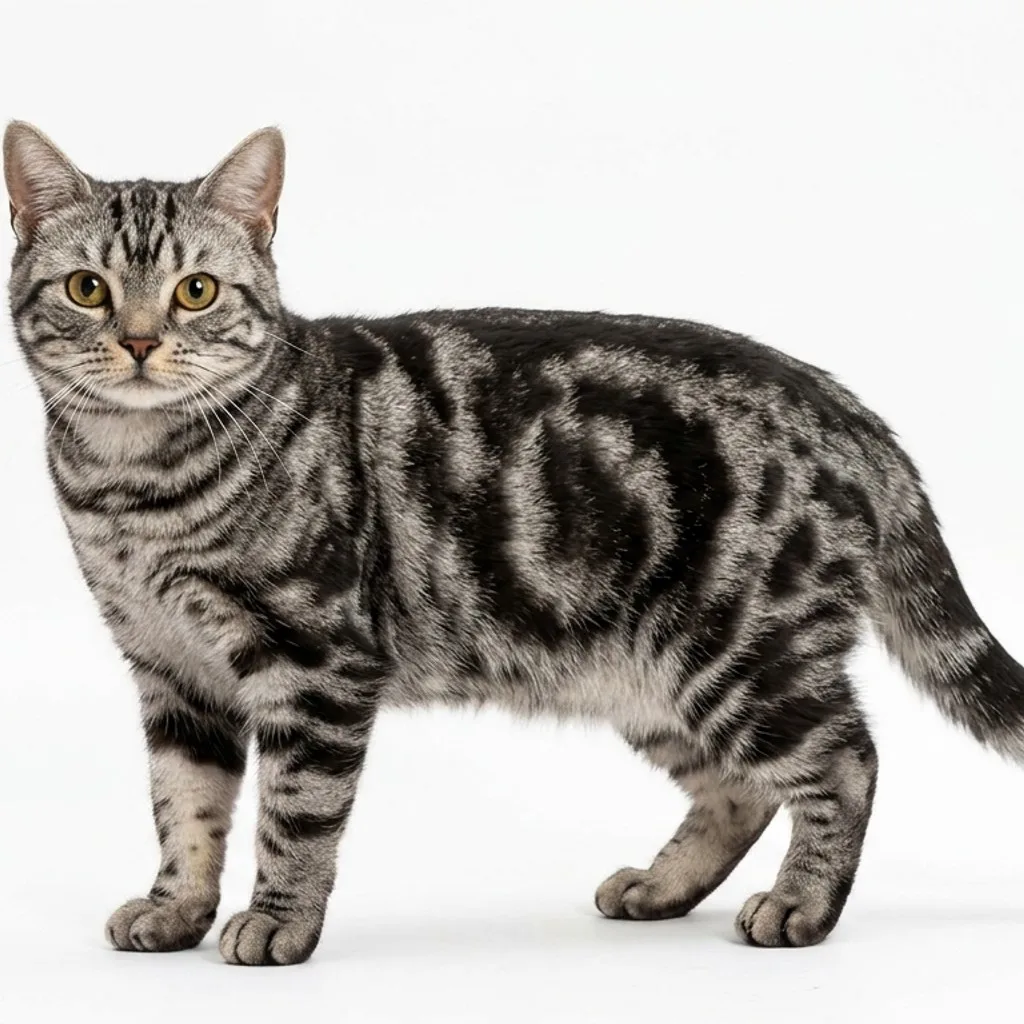
American Shorthair
A versatile, sturdy, and easy-going companion. American Shorthairs are quiet, gentle cats that adapt well to various Kiwi living situations and are known for their longevity.
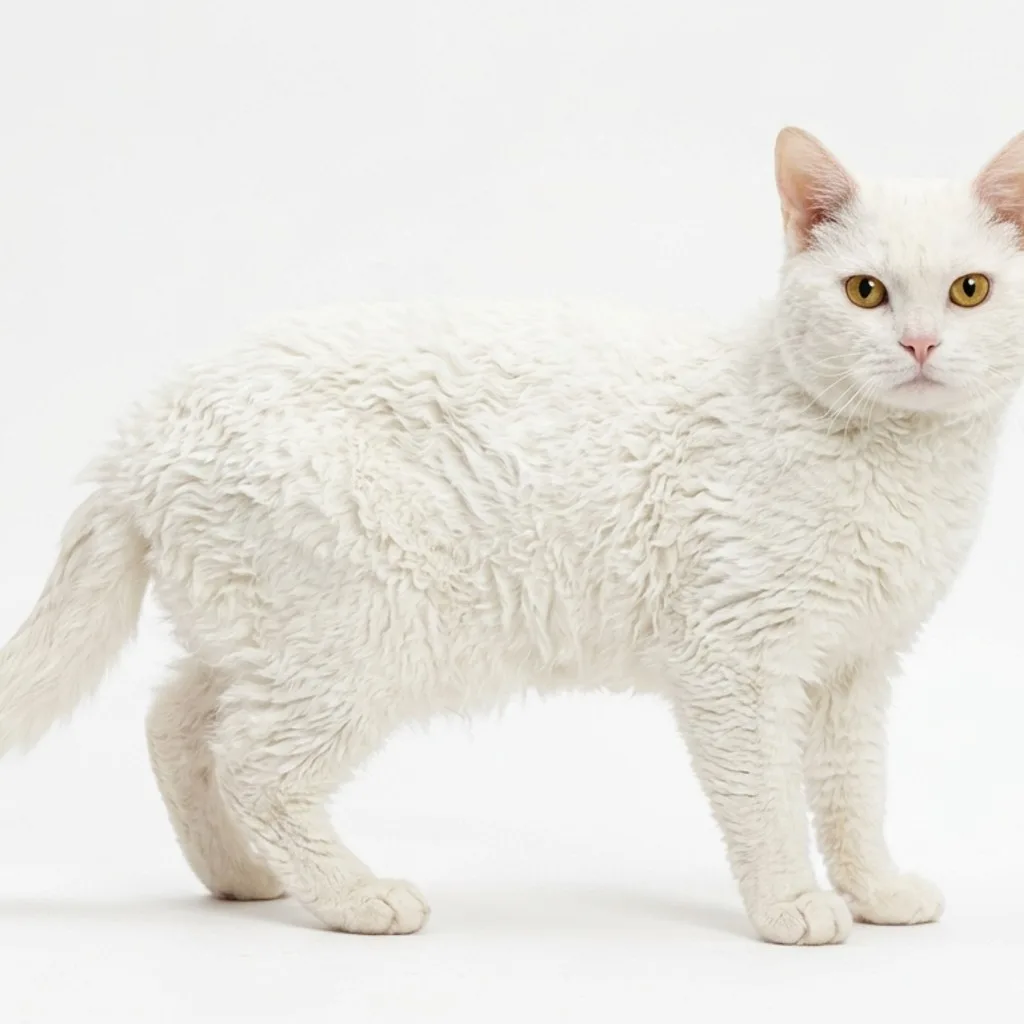
American Wirehair
Characterised by their unique crimped coat, American Wirehairs are affectionate, gentle, and quiet companions that enjoy human company without being demanding.
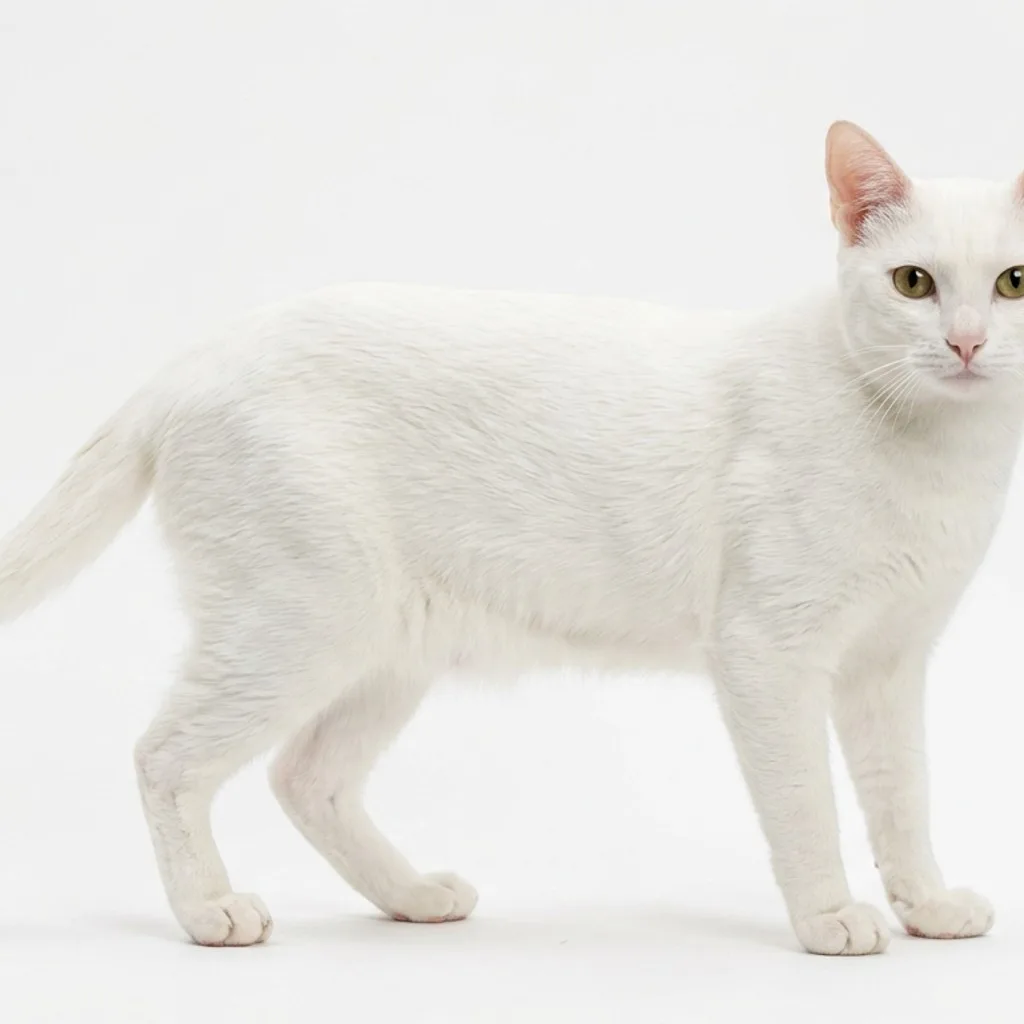
Arabian Mau
A natural desert breed, the Arabian Mau is athletic, energetic, and independent. They are high-energy cats that thrive on plenty of play and interaction.
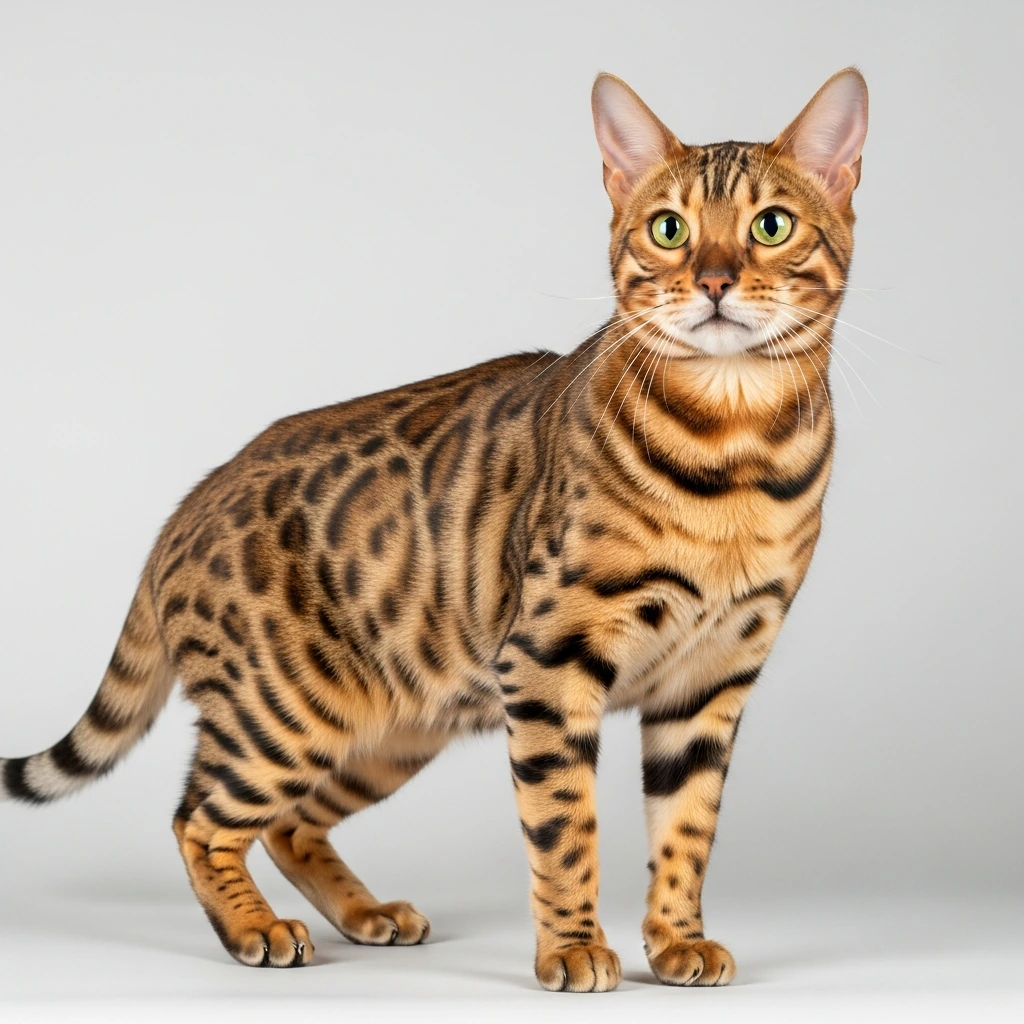
Bengal
The Bengal is an athletic, spotted, high-energy cat that needs far more enrichment than an average companion cat. New Zealand owners should plan indoor climbing, puzzle feeding, catio access, and import/breeder documentation checks before choosing one.