Cat Breed Guide NZ
Scottish Fold
The Scottish Fold is instantly recognisable by its charmingly unique folded ears and sweet, round face, making it a truly distinctive companion. Originating from Scotland, these medium-sized cats are celebrated for their affectionate, intelligent, and loyal nature, thriving on human interaction and becoming devoted family members. While their endearing appearance is a major draw, prospective owners in New Zealand should be aware of the breed's specific health considerations, particularly related to their cartilage. Despite this, a well-cared-for Scottish Fold can enjoy a happy life of 11-14 years. Their adaptable and gentle temperament makes them well-suited to various New Zealand lifestyles, from urban apartments to family homes, provided they receive plenty of love and indoor enrichment.
Photo Gallery
Breed Snapshot
- Size
- 2 - 5 kg
- Lifespan
- 11 - 14 years
- Origin
- Being enriched
- Temperament
- Affectionate, Intelligent, Loyal, Playful, Social, Sweet, Loving
- NZ Price
- $1,200 - $3,000 NZD from registered breeders; $150-$350 NZD adoption via SPCA (rarely available)
- Annual Vet Cost
- Estimated annual vet costs for a Scottish Fold in NZ can range from $400 - $800 NZD for routine care (vaccinations, parasite control, annual check-ups). However, due to their predisposition to osteochondrodysplasia, costs could significantly increase if specialist consultations, imaging (X-rays), pain management, or surgery are required. These breed-specific health issues might add an additional $500 - $2,000+ NZD annually, depending on severity and treatment.
Personality Scores
NZ Lifestyle Fit
The Scottish Fold adapts well to various New Zealand living situations due to their calm and affectionate nature. They are excellent apartment dwellers, particularly in urban centres like Auckland, as they are content indoors and thrive on human companionship. For homes with a section, they are best kept as indoor cats or provided with a secure catio to protect them from traffic, other animals, and the high UV index prevalent across New Zealand. They are not suited for rural NZ farm life, as their gentle nature and lack of strong hunting instincts make them vulnerable. Regarding climate, they are adaptable but will appreciate a warm, sheltered spot during cold South Island winters and a cool, well-ventilated area during Auckland's humid summers. Their indoor preference also helps protect lighter-coated Folds from excessive sun exposure and potential skin issues. There are no specific breed restrictions imposed by MPI (Ministry for Primary Industries) for Scottish Folds in New Zealand.
Origins & History
The Scottish Fold's captivating story began in 1961 on a farm in Perthshire, Scotland, with a white barn cat named Susie. Susie possessed a unique genetic mutation that caused her ears to fold forward and downward, giving her an owl-like appearance. When Susie had kittens, two of them inherited her distinctive folded ears. One of these kittens, Snooks, was acquired by a local farmer and cat enthusiast, William Ross, who began a breeding programme. Initially known as 'Lop-eared Cats,' the breed was later renamed Scottish Fold. While the folded ears are undeniably charming, the gene responsible for this trait, known as the Fd gene, is also linked to a skeletal condition called osteochondrodysplasia. This health consideration led to the breed's recognition being withdrawn by the Governing Council of the Cat Fancy (GCCF) in the UK in 1974, though it continued to be developed and recognised in other parts of the world, including the United States. Responsible breeding practices now focus on outcrossing with breeds like the British Shorthair or American Shorthair to mitigate health risks, ensuring that only one parent carries the folded ear gene.
Appearance
The most striking feature of the Scottish Fold is, of course, its ears. These can range from a single fold (a slight bend) to a triple fold (ears lying flat against the head), creating the characteristic 'pixie' or 'owl-like' expression. Beyond their ears, Scottish Folds are medium-sized cats, typically weighing between 2 to 5 kg. They possess a sturdy, well-rounded body, short neck, and a broad, rounded head with large, expressive eyes that complement their sweet facial expression. Their coat can be short or long (known as Scottish Fold Longhair or Highland Fold), and comes in virtually every colour and pattern imaginable, including solids, tabbies, bi-colours, and points. Their tail is medium to long, tapering to a rounded tip, and should be flexible, a crucial indicator of good health in the breed.
Temperament & Personality
Scottish Folds are renowned for their incredibly sweet, gentle, and affectionate temperament. They are highly intelligent, curious, and playful, enjoying interactive games and puzzle toys. These cats are exceptionally loyal and form strong bonds with their human families, often following them from room to room and seeking out companionship. They are not typically 'lap cats' in the traditional sense, preferring to be near their people rather than constantly on them, but they will readily accept cuddles and attention. Their social nature means they generally get along well with children and other pets, provided introductions are handled carefully. They are known for their quiet voices and peculiar habit of sitting in unusual positions, often referred to as the 'Buddha position' or 'frog-leg' pose. A Scottish Fold thrives on interaction and can become lonely or stressed if left alone for extended periods, making them ideal for households where someone is often home or where they have another pet companion.
Life in New Zealand
Bringing a Scottish Fold into a New Zealand home means welcoming a loving and adaptable companion. Their medium size and generally calm demeanour make them well-suited to various living situations, from a flat in Auckland to a house with a section in Christchurch. Given their affectionate nature, they thrive on indoor living, which also protects them from the risks of traffic, other animals, and the high UV levels characteristic of New Zealand's climate. While they enjoy a secure outdoor enclosure (catio), they are not suitable for unsupervised outdoor roaming. Owners should be mindful of New Zealand's diverse climate; they will appreciate a warm spot in winter, especially in the colder South Island regions, and a cool, shaded area during humid Auckland summers. Regular vet check-ups are paramount, especially given the breed's predisposition to certain health issues, and finding a local veterinarian familiar with the breed is advisable.
Is This the Right Breed for You?
The Scottish Fold is an excellent choice for individuals or families seeking a devoted, gentle, and charming feline companion. Their adaptable nature makes them suitable for first-time cat owners, and their patience generally makes them wonderful with respectful children and other pets. However, prospective owners must be prepared for the breed's potential health challenges, particularly osteochondrodysplasia, which can lead to painful arthritis and joint issues. This means committing to regular veterinary care, potentially including specialist consultations and ongoing management. Responsible breeders in New Zealand will provide health clearances and genetic testing results for their breeding cats. If you are prepared to offer a loving, indoor-centric home with plenty of attention, mental stimulation, and a commitment to their health needs, a Scottish Fold will undoubtedly enrich your life with their unique charm and unwavering affection.
Fun Facts
Fact 1
Scottish Folds are known for their unique 'Buddha position,' where they sit upright with their paws resting on their belly.
Fact 2
All Scottish Folds can trace their ancestry back to Susie, a white barn cat discovered in Scotland in 1961.
Fact 3
They often communicate with a soft, chirping sound rather than a loud meow.
Fact 4
Despite their folded ears, they have excellent hearing and are very attentive to sounds.
Fact 5
The gene responsible for their folded ears is dominant, meaning only one parent needs to carry it for kittens to inherit the trait.
Related Breeds
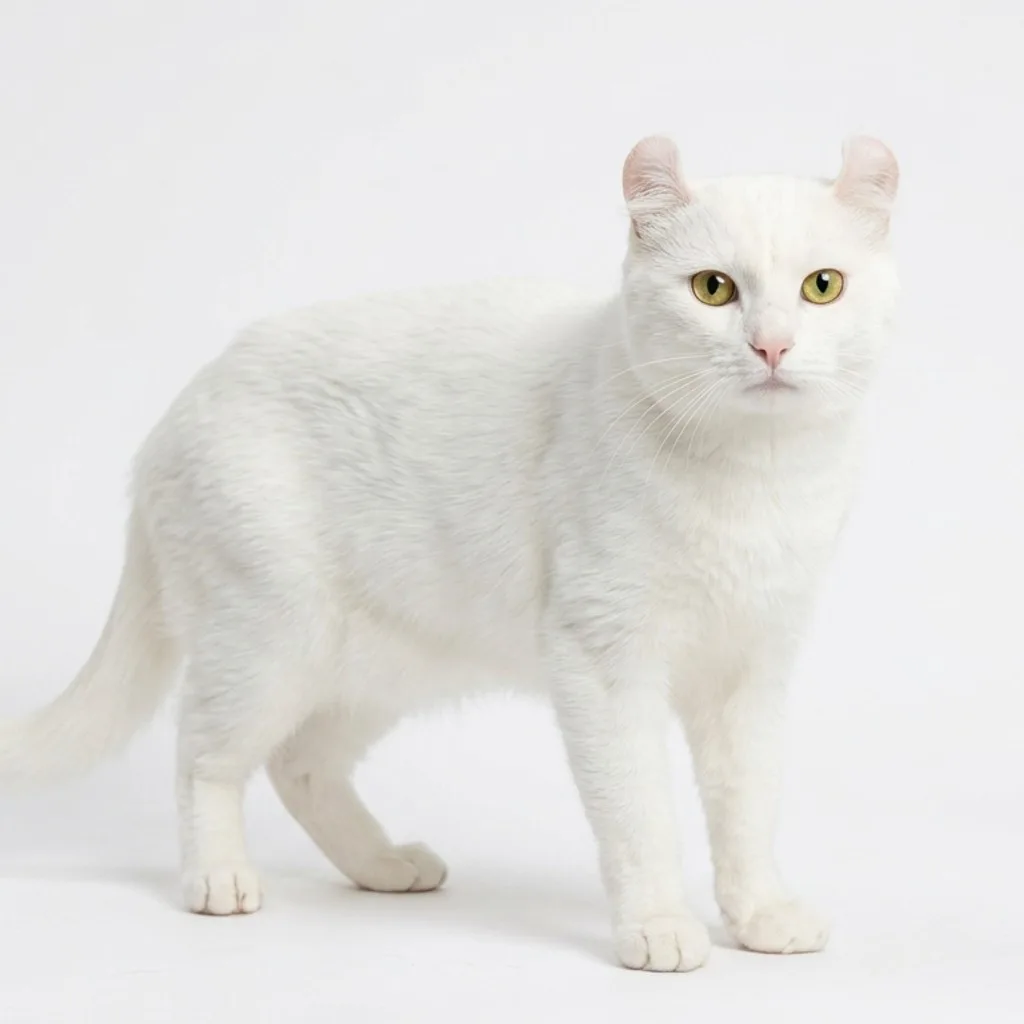
American Curl
Famous for their unique backward-curling ears, the American Curl is an affectionate, 'Peter Pan' breed that stays kitten-like well into adulthood.
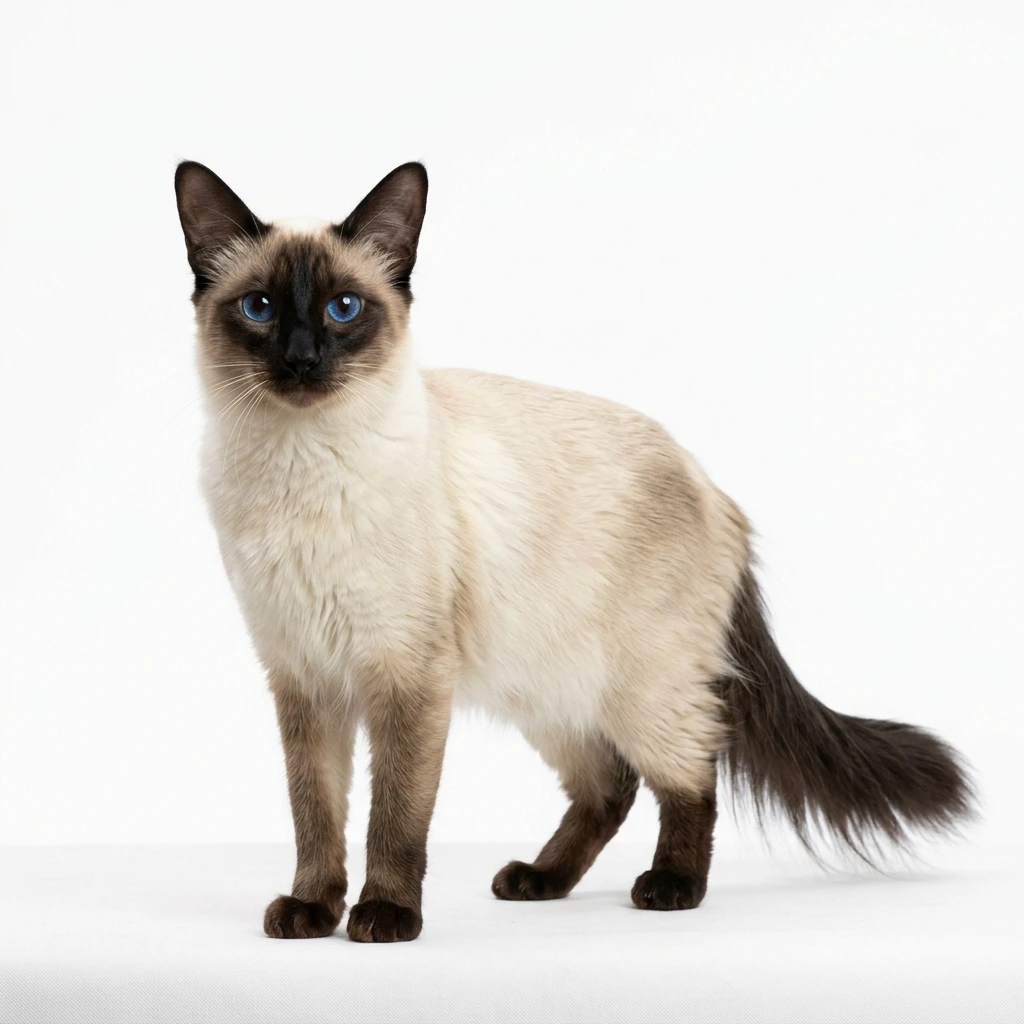
Balinese
The elegant long-haired version of the Siamese. Balinese are vocal, intelligent, and deeply affectionate 'velcro cats' that crave constant interaction.
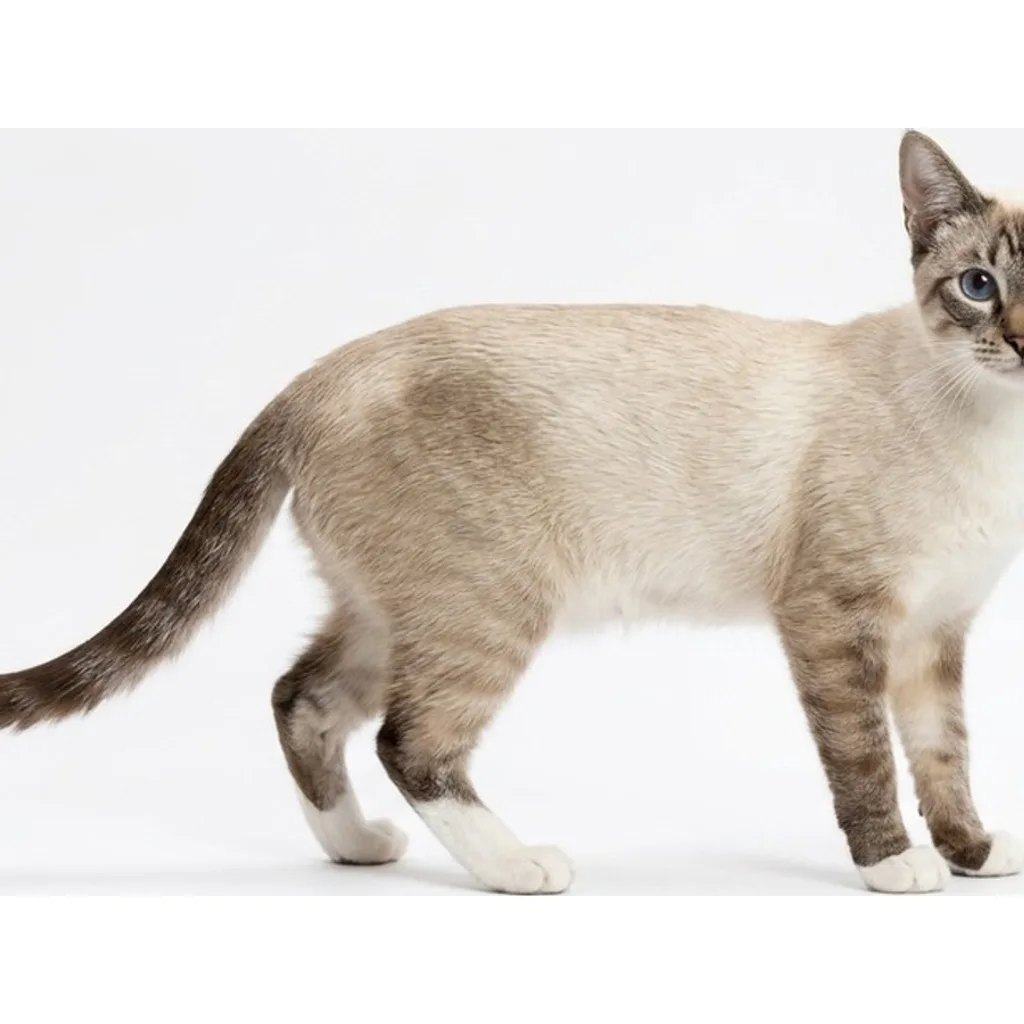
Colorpoint Shorthair
Extroverted, vocal relatives of the Siamese. They are highly intelligent, loyal companions with a wide range of striking coat colours.
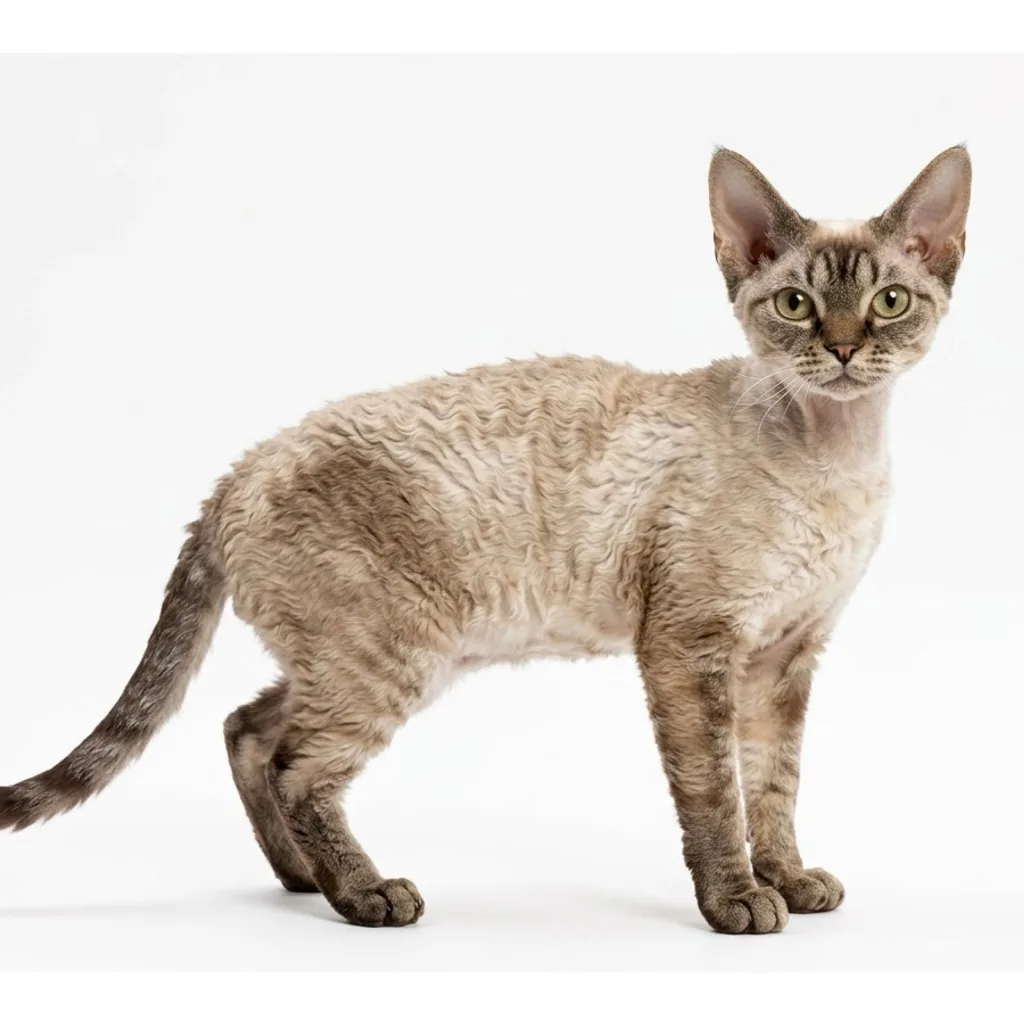
Devon Rex
The 'alien cat' with large ears and a wavy coat. Devon Rex are social, mischievous, and love perching on their owners' shoulders.