Cat Breed Guide NZ
Oriental Shorthair
The Oriental cat is a sleek, intelligent, and incredibly affectionate companion, renowned for its striking appearance and vocal personality. Originating from the United States, this breed is a close relative of the Siamese, sharing its elegant lines and passionate nature. Orientals form deep bonds with their humans, thriving on interaction and becoming an integral part of the family. They are highly energetic and curious, finding endless ways to entertain themselves and their owners. For Kiwis seeking a devoted, playful, and engaging feline friend, the Oriental offers a unique blend of beauty and brains, adapting well to a variety of New Zealand home environments, from a bustling city flat to a spacious suburban house.
Photo Gallery
Breed Snapshot
- Size
- 2 - 5 kg
- Lifespan
- 12 - 14 years
- Origin
- United States
- Temperament
- Energetic, Affectionate, Intelligent, Social, Playful, Curious
- NZ Price
- $1,200 - $2,800 NZD from registered breeders (e.g., through New Zealand Cat Fancy affiliated breeders); $150-$350 NZD adoption via SPCA (rarely available, but worth checking)
- Annual Vet Cost
- Estimated annual veterinary expenses for an Oriental Shorthair in New Zealand range from $400 to $800 NZD for routine healthcare, including annual wellness exams, core F3/F4 vaccinations, microchip registration, and year-round parasite prevention. However, breed predispositions carry significant veterinary costs: professional dental scaling, polishing, and extractions for early-onset periodontal disease or feline resorptive lesions (FORLs) cost $500–$1,200 NZD per procedure; diagnostic blood panels and supportive management for familial hepatic or renal amyloidosis can exceed $1,500–$3,500 NZD; and ophthalmic evaluations for hereditary retinal degeneration range from $400–$800 NZD. Enrolling in comprehensive pet insurance during kittenhood is strongly recommended.
Personality Scores
NZ Lifestyle Fit
The Oriental Shorthair is an exceptionally intelligent, energetic, and socially demanding feline breed derived from Siamese lineage. In New Zealand, Orientals are strictly indoor companion cats. Their fine, single short coat lacks an insulating undercoat, making them highly vulnerable to cold, drafty conditions during South Island and Central Plateau winters; heated beds or warm sun patches are essential. Furthermore, New Zealand's extreme summer UV index poses significant risks of solar dermatitis and squamous cell carcinoma (skin cancer) on the ear tips and noses of light-coloured and white Orientals. In urban Auckland or Wellington apartments, they can thrive indoors provided they have extensive vertical climbing space, puzzle feeders, and constant companionship; however, prospective owners in medium-density housing must anticipate their distinct, loud, raspy vocalisation ('honking'). Free-roaming outdoors in NZ is strongly discouraged: their intense prey drive threatens native skinks, geckos, and small birds, and their slender build leaves them defenceless against traffic and feline territory disputes. Purebred Oriental kittens in NZ are registered through the New Zealand Cat Fancy (NZCF) and Catz Inc.
Origins & History
The Oriental cat's journey began in the United States, where breeders sought to expand the colour palette of the beloved Siamese. By crossing Siamese cats with other short-haired breeds, such as the American Shorthair and British Shorthair, and then back-crossing to Siamese, they developed a cat with the distinctive Siamese body type but in a vast array of colours and patterns beyond the traditional points. The breed was officially recognised in the 1970s, quickly gaining popularity for its elegant appearance and vibrant personality. Essentially, an Oriental is a Siamese in a 'designer coat', offering all the charm and intelligence of its ancestor with an expanded visual appeal.
Appearance
Orientals are medium-sized cats, typically weighing between 2 and 5 kg, with a long, svelte, and muscular body. They possess the characteristic wedge-shaped head, large, expressive almond-shaped eyes, and remarkably large ears that are broad at the base and taper to a point. Their short, fine coat lies close to the body, giving them a sleek, sophisticated look. What truly sets the Oriental apart is its incredible diversity in coat colours and patterns. From solid colours like ebony, blue, and white, to tabbies, torties, and bi-colours, there are literally hundreds of combinations. This vast genetic palette has earned them the nickname 'rainbow cat', making each Oriental a unique work of art.
Temperament & Personality
As the raw data suggests, Orientals are intensely passionate about their people. They become extremely attached to their humans, forming deep, lifelong bonds. This isn't a cat content to be a mere ornament; an Oriental will be your shadow, your conversationalist, and your constant companion. They are highly intelligent, energetic, affectionate, social, playful, and incredibly curious. Their intelligence means they can be easily trained to do tricks or even walk on a leash, while their curiosity ensures no cupboard or high shelf remains unexplored. When left alone, they will find ways to entertain themselves, often involving climbing, opening drawers, or seeking out new hideaways. Their vocal nature means they love to 'chat' with their owners, expressing their opinions and desires with a range of meows and purrs. This breed thrives on interaction and mental stimulation, making them ideal for active households that can provide plenty of engagement.
Life in New Zealand
Orientals adapt well to life in New Zealand, whether in a bustling Auckland flat or a spacious home with a section in the South Island. Their short coat means they are generally comfortable in New Zealand's varied climate, though they appreciate warmth in cooler South Island winters and might seek out a cool spot during humid Auckland summers. Due to their strong bond with humans and inquisitive nature, they are best suited to an indoor lifestyle, which also protects them from traffic, other animals, and the high UV levels common across New Zealand. They are highly social and can integrate well into Kiwi families, often forming strong bonds with children and other pets. Their need for mental stimulation means a home with plenty of toys, climbing opportunities, and regular interaction with their owners is essential for their happiness and wellbeing.
Is This the Right Breed for You?
If you're looking for a low-maintenance, independent cat, the Oriental is probably not your match. However, if you desire a feline companion that is deeply devoted, highly intelligent, endlessly entertaining, and loves to be involved in every aspect of your life, then an Oriental could be your perfect partner. They require a significant commitment of time and attention, thriving in homes where they receive plenty of interaction and mental stimulation. Their vocal nature can be charming to some, but overwhelming to others. For active Kiwi families or individuals who are prepared to welcome a highly social and engaging cat into their lives, the Oriental offers an unparalleled companionship experience, enriching your home with its unique personality and unwavering affection.
Fun Facts
Fact 1
Orientals are often called 'rainbow cats' due to the incredible variety of over 300 possible coat colours and patterns.
Fact 2
They are direct descendants of the Siamese cat, sharing the same elegant body type but without the pointed colouration.
Fact 3
Orientals are known for their highly vocal nature, often 'chatting' with their owners in a range of meows and purrs.
Fact 4
Their intelligence allows them to be trained to perform tricks, walk on a leash, and even play fetch.
Fact 5
An Oriental cat will often choose one person in the household to bond most intensely with, becoming their devoted shadow.
Related Breeds
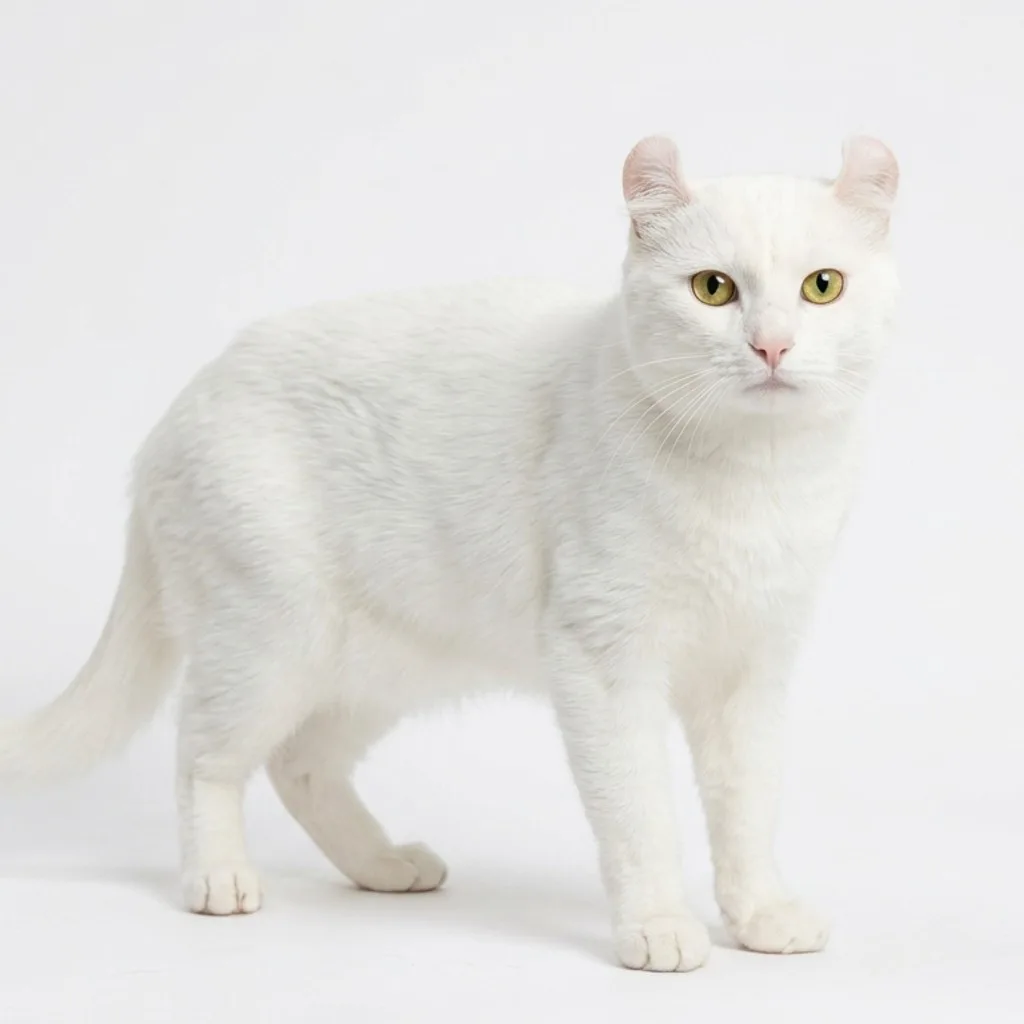
American Curl
Famous for their unique backward-curling ears, the American Curl is an affectionate, 'Peter Pan' breed that stays kitten-like well into adulthood.
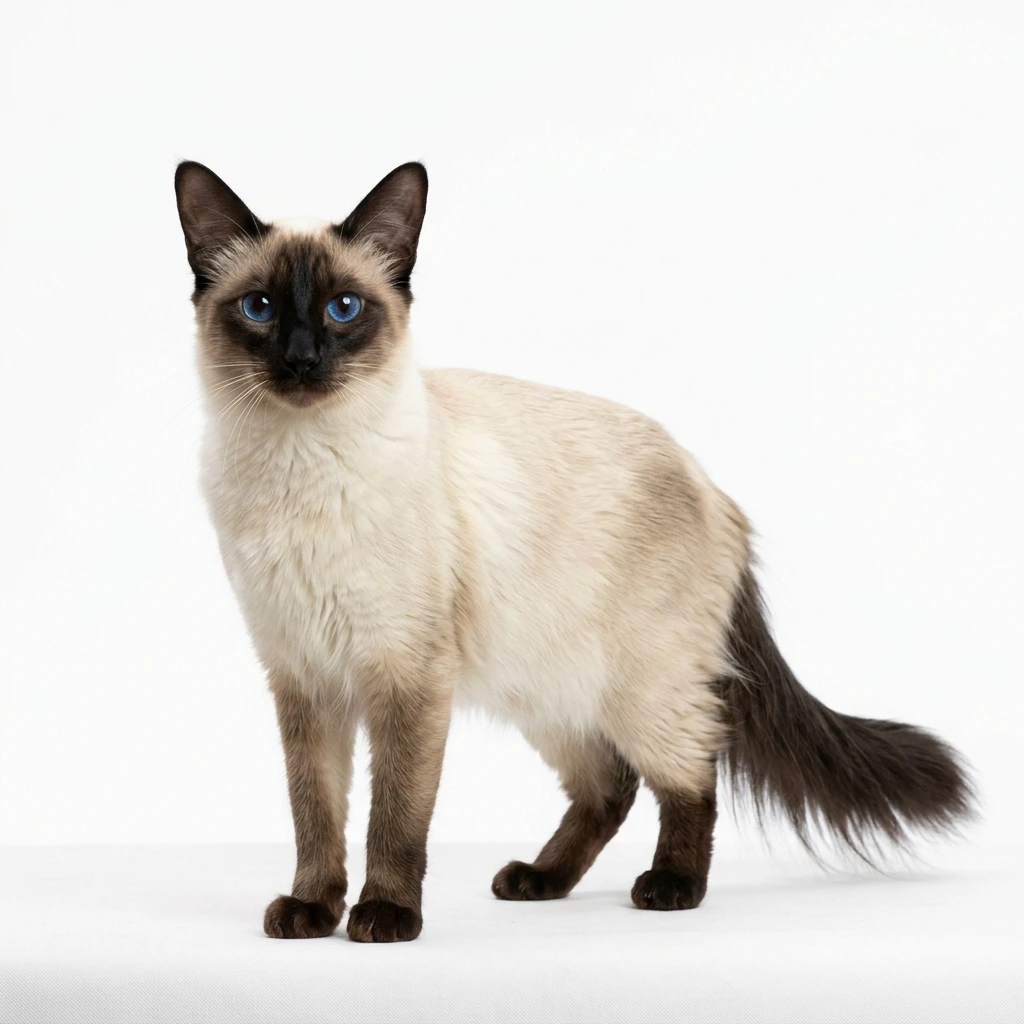
Balinese
The elegant long-haired version of the Siamese. Balinese are vocal, intelligent, and deeply affectionate 'velcro cats' that crave constant interaction.
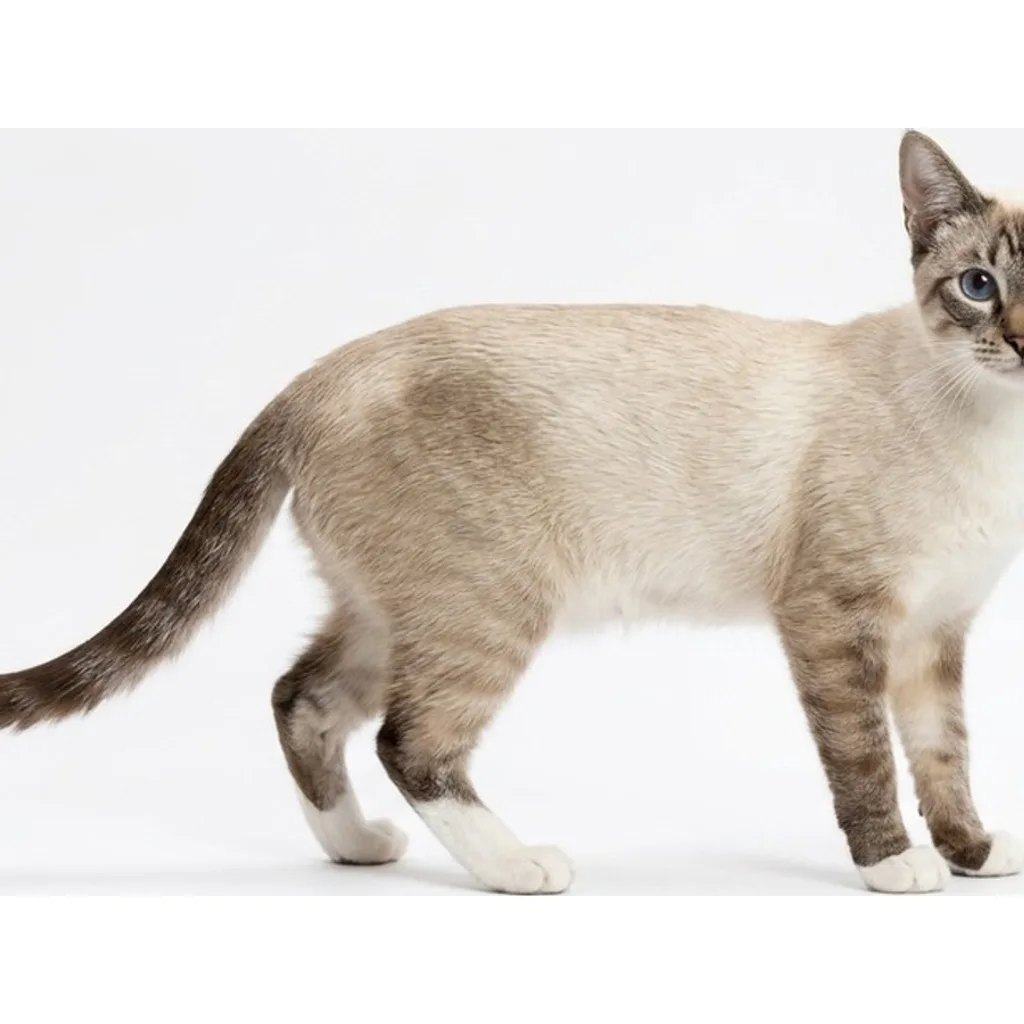
Colorpoint Shorthair
Extroverted, vocal relatives of the Siamese. They are highly intelligent, loyal companions with a wide range of striking coat colours.
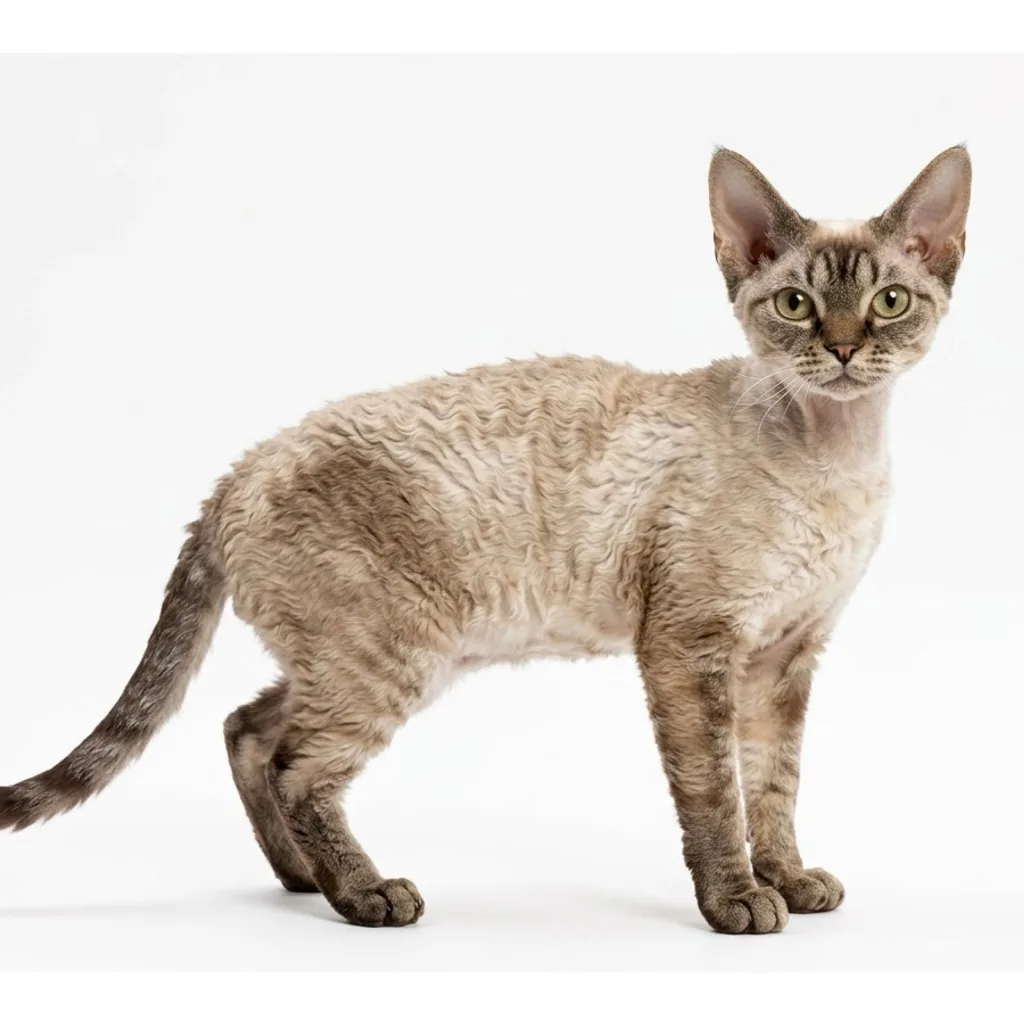
Devon Rex
The 'alien cat' with large ears and a wavy coat. Devon Rex are social, mischievous, and love perching on their owners' shoulders.