Cat Breed Guide NZ
Norwegian Forest Cat
The Norwegian Forest Cat, affectionately known as a 'Wegie', is a majestic and sturdy feline perfectly suited for New Zealand's diverse climate. Originating from the harsh Scandinavian wilderness, they boast a thick, water-repellent double coat, making them natural athletes and superb climbers. These intelligent and playful cats thrive in environments where they can explore and exercise their natural instincts. Their sweet and social nature makes them wonderful family pets. With their robust build and love for cooler temperatures, Wegies are particularly well-suited for homes in the South Island or alpine-style regions of Aotearoa, offering both companionship and a touch of wild elegance.
Photo Gallery
Breed Snapshot
- Size
- 4 - 7 kg
- Lifespan
- 12 - 16 years
- Origin
- Being enriched
- Temperament
- Sweet, Active, Intelligent, Social, Playful, Lively, Curious
- NZ Price
- New Zealand breeders of this breed rarely publish prices online — NZ pedigree kittens generally run $1,000 - $2,500+ NZD, so ask the registered breeder directly for a current quote; $150-$350 NZD adoption via SPCA or breed rescue (rarely available).
- Annual Vet Cost
- Estimated annual veterinary expenses for a Norwegian Forest Cat in New Zealand typically range from $450 to $900 NZD for routine wellness, including annual health checks, core F3/F4 vaccinations, council-compatible microchipping, and large-breed parasite spot-on treatments. However, major breed health risks carry substantial costs: annual veterinary cardiologist echocardiograms and medication for Hypertrophic Cardiomyopathy (HCM) cost $800–$2,200 NZD annually; diagnostic testing and palliative care for Glycogen Storage Disease Type IV (GSD IV) or renal disease can exceed $1,500–$3,500 NZD; and surgical treatment for severe matting, hairball bowel obstructions (trichobezoars), or hip dysplasia management ranges from $2,000–$4,500 NZD. Securing comprehensive pet insurance early in kittenhood is strongly recommended.
Personality Scores
NZ Lifestyle Fit
The Norwegian Forest Cat ('Wegie') is a large, semi-longhaired natural breed built to endure Scandinavian winters with a water-repellent, double-layered coat and tufted paws. In New Zealand, this breed thrives exceptionally in the cooler temperate environments of the South Island, Canterbury, Otago, and Southland, where winter frosts match their ancestral physiology. Conversely, in the humid subtropical summers of Auckland and Northland, their dense undercoat can cause overheating and lethargy without indoor cooling, shaded tile floors, and good air circulation. Wegies are gentle, patient, and family-friendly, adapting well to spacious indoor homes and catio-equipped sections. However, indoor containment or predator-proof catios are essential in New Zealand: their heavy build, exceptional tree-climbing agility, and strong predatory instinct make them formidable hunters of native birds, skinks, and geckos if allowed to roam. Purebred kittens are registered in New Zealand through the New Zealand Cat Fancy (NZCF) and Catz Inc.
Origins & History
The Norwegian Forest Cat, or 'Wegie', is a natural breed with a rich history deeply intertwined with the rugged landscapes of Norway. Unlike many breeds developed through selective human breeding, the Wegie evolved naturally over centuries, adapting to the harsh, cold Scandinavian climate. Their ancestry is thought to trace back to short-haired cats brought by Vikings from Great Britain, which then bred with long-haired cats brought by Crusaders. This natural selection process resulted in a cat perfectly equipped for survival: a robust build, a thick, water-repellent double coat, and exceptional hunting and climbing skills. For a long time, they were simply known as 'skogkatt' (forest cat) in Norway, a common farm and forest dweller. It wasn't until the early 20th century that efforts began to preserve and recognise the breed, with the first breed standard established in Norway in the 1970s. Today, they are cherished globally for their striking appearance and endearing personality.
Appearance
The Norwegian Forest Cat is a large, sturdy breed, typically weighing between 4 to 7 kg, though some males can be heavier. They possess a powerful, muscular body, well-suited for their athletic nature. Their most distinctive feature is their luxurious double coat, which is long, dense, and water-repellent, providing excellent insulation against cold and damp conditions. The coat consists of a woolly undercoat for warmth and a long, glossy, guard hair outer layer that sheds water. They have a full, bushy tail, often as long as their body, and tufted ears and paws, which further protect them from the elements. Their head is triangular, with large, expressive eyes and a strong chin. Wegies come in a wide array of colours and patterns, with the exception of colourpoint, chocolate, and lilac. They are slow to mature, often not reaching their full size and coat development until they are three to five years old.
Temperament & Personality
Despite their wild appearance, Norwegian Forest Cats are renowned for their sweet, gentle, and affectionate temperament. They are highly intelligent, curious, and playful, enjoying interactive games and puzzles. Wegies are social cats that thrive on companionship, forming strong bonds with their human families and often getting along well with children and other pets. They are not overly demanding or clingy but enjoy being in the same room as their people, often settling nearby for a quiet cuddle. Their active nature means they love to explore, climb, and 'hunt' for toys. They are known for their quiet chirps and trills rather than loud meows, communicating their needs in a subtle, charming way. Their lively and curious disposition ensures there's never a dull moment with a Wegie in the house.
Life in New Zealand
Norwegian Forest Cats are remarkably adaptable and can thrive in various New Zealand living situations, though they particularly excel in homes that cater to their active and exploratory nature. Their thick, water-repellent coat makes them well-suited for the cooler, wetter climates found in parts of the South Island or New Zealand's alpine regions, where they can truly appreciate the crisp air. In warmer areas like Auckland, owners need to ensure they have access to cool, shaded spots during humid summers. They enjoy both indoor and outdoor living, provided their outdoor adventures are safe and supervised. Their natural athleticism means they love climbing kauri trees or exploring a well-fenced section. Their robust health and adaptable nature make them a great fit for Kiwi families looking for a loyal, engaging, and beautiful feline companion.
Is This the Right Breed for You?
Bringing a Norwegian Forest Cat into your home means welcoming a majestic and engaging companion. They are ideal for families or individuals who can provide plenty of mental and physical stimulation, including climbing opportunities and interactive playtime. Their social nature means they do best in homes where they receive regular attention and are not left alone for extended periods. While generally low-maintenance in terms of temperament, their long coat does require regular grooming to prevent matting, especially during shedding seasons. Potential owners should be prepared for their substantial size and active lifestyle. If you're looking for an intelligent, affectionate, and playful cat that enjoys being part of the family, and you can offer an environment that satisfies their natural instincts for exploration and climbing, then the Norwegian Forest Cat could be the perfect addition to your New Zealand home.
Fun Facts
Fact 1
Norwegian Forest Cats are often affectionately called 'Wegies' by their fans.
Fact 2
They are a natural breed, meaning their development was primarily through natural selection, adapting to the harsh Scandinavian climate, rather than human intervention.
Fact 3
Wegies are exceptional climbers, known for their strong claws and ability to descend trees head-first.
Fact 4
Their unique double coat is water-resistant, helping them stay dry and warm even in snowy or rainy conditions.
Fact 5
Unlike many cat breeds, Norwegian Forest Cats are slow to mature, often not reaching their full size and coat development until they are three to five years old.
Related Breeds
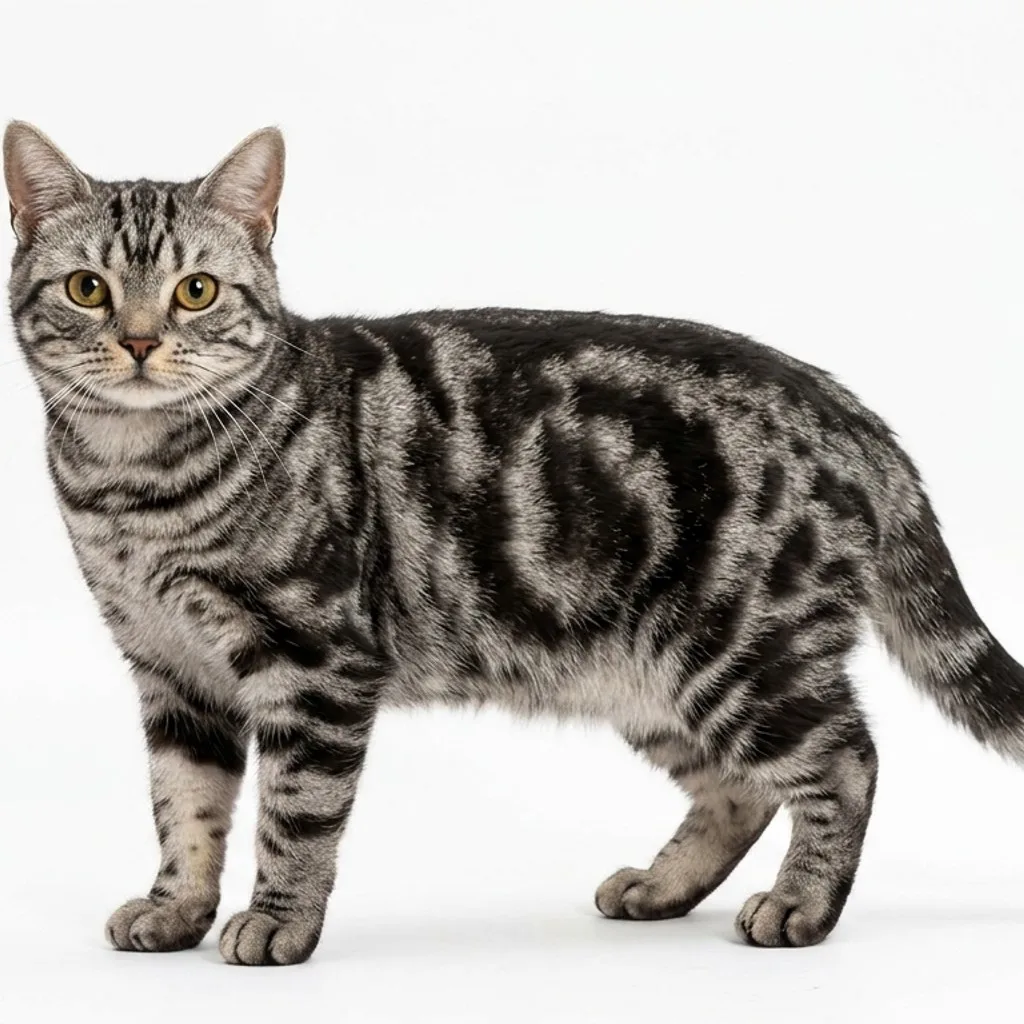
American Shorthair
A versatile, sturdy, and easy-going companion. American Shorthairs are quiet, gentle cats that adapt well to various Kiwi living situations and are known for their longevity.
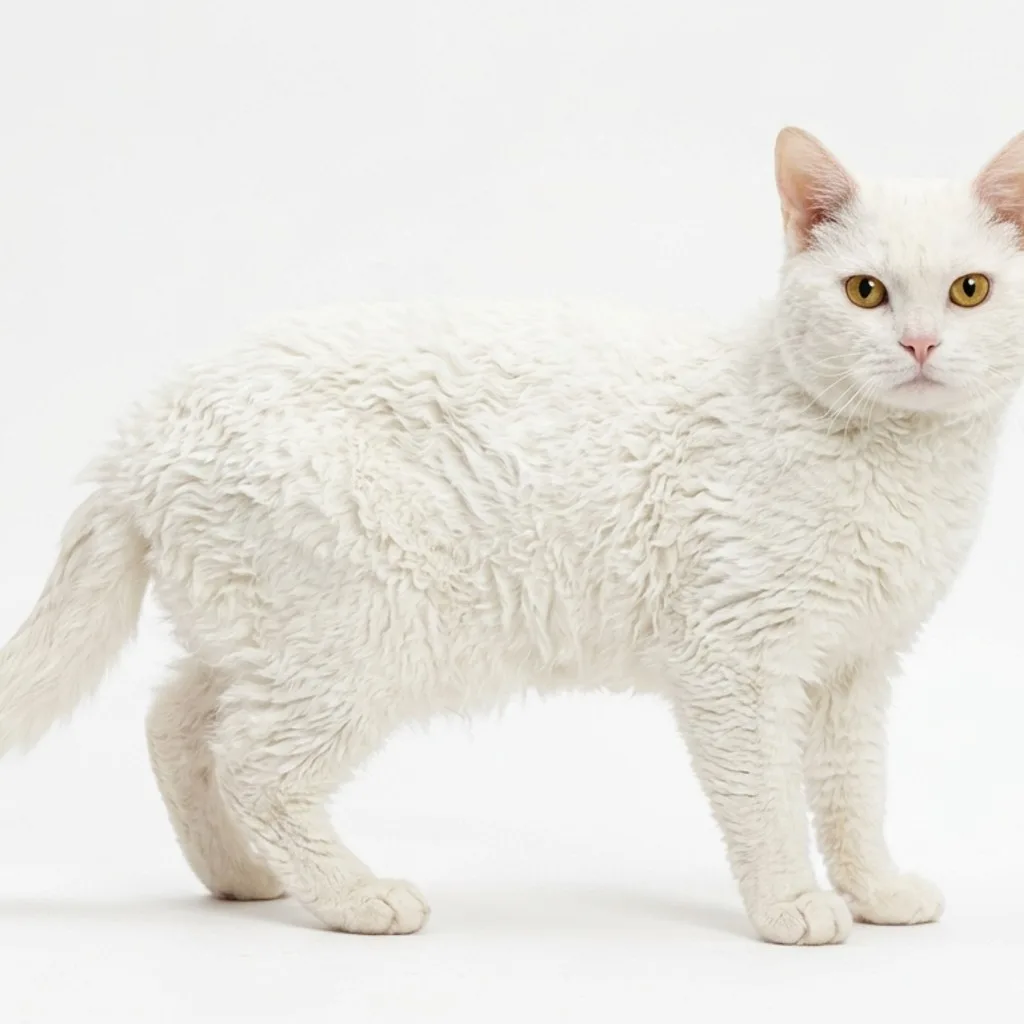
American Wirehair
Characterised by their unique crimped coat, American Wirehairs are affectionate, gentle, and quiet companions that enjoy human company without being demanding.
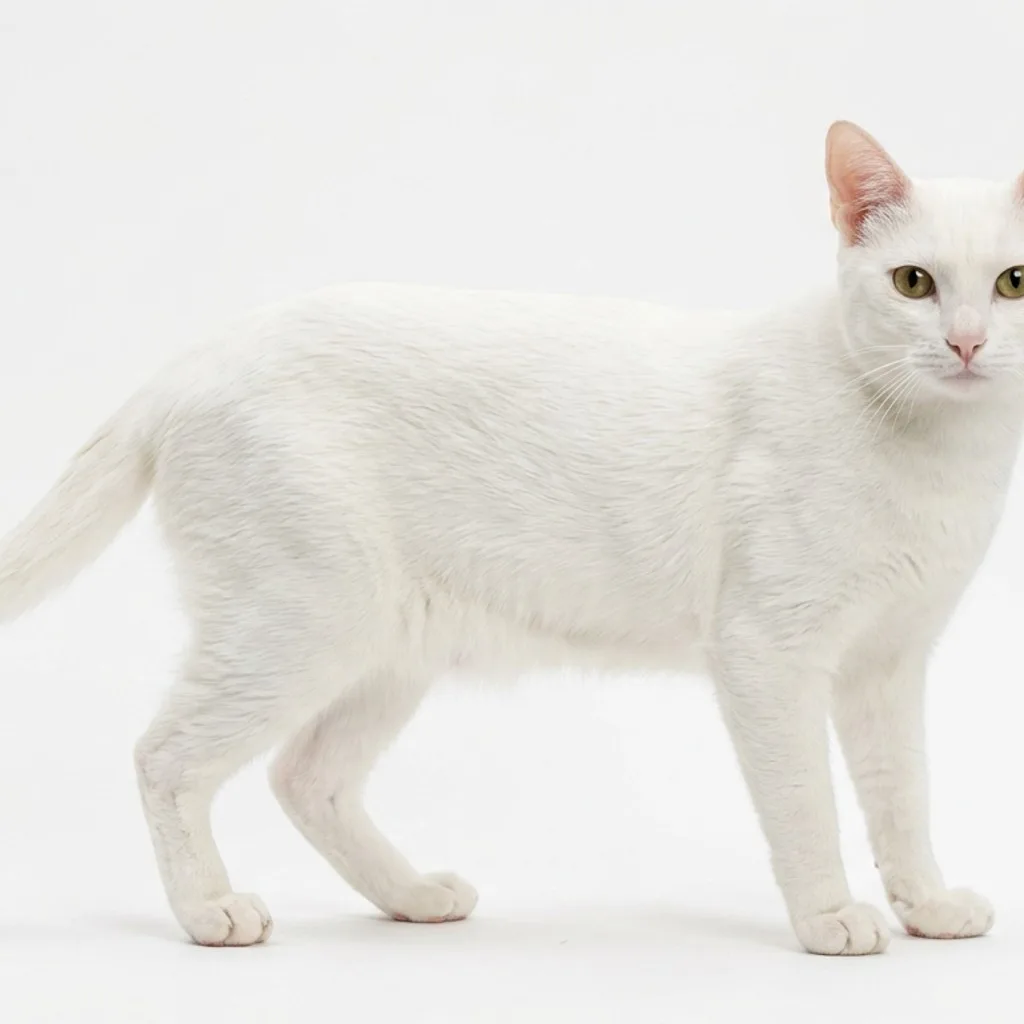
Arabian Mau
A natural desert breed, the Arabian Mau is athletic, energetic, and independent. They are high-energy cats that thrive on plenty of play and interaction.
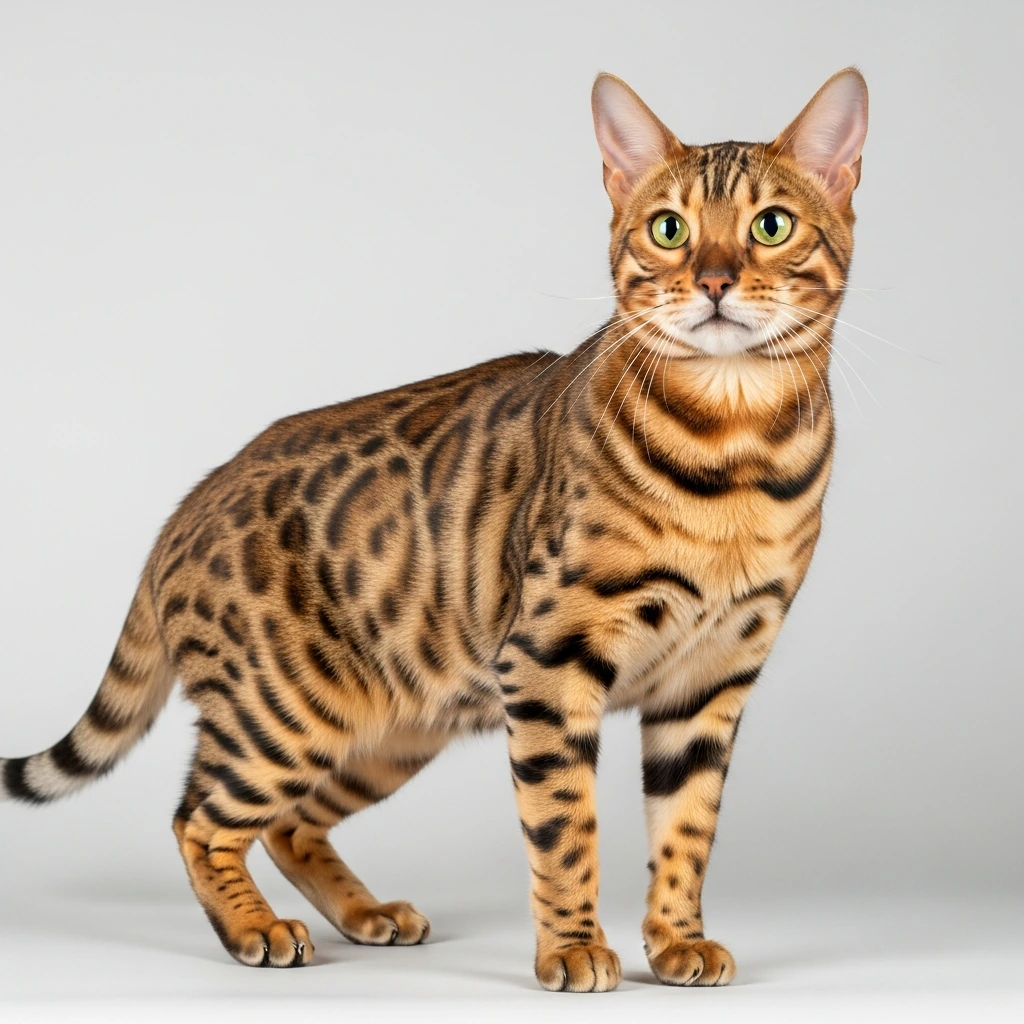
Bengal
The Bengal is an athletic, spotted, high-energy cat that needs far more enrichment than an average companion cat. New Zealand owners should plan indoor climbing, puzzle feeding, catio access, and import/breeder documentation checks before choosing one.