Cat Breed Guide NZ
Korat
Hailing from Thailand, the Korat is affectionately known as the 'Good Luck' cat, a moniker well-deserved for these intelligent and deeply sensitive felines. Their striking silver-blue coat, often described as shimmering, and captivating green eyes make them truly unique. Korats form profound bonds with their human companions, thriving on affection and a peaceful home environment. They are highly expressive and trainable, making them engaging family members who enjoy interactive play and mental challenges. For a Kiwi household seeking a loyal, intelligent, and relatively low-maintenance companion who prefers the comforts of home, the Korat offers a charming and devoted presence, fitting perfectly into a relaxed New Zealand lifestyle.
Photo Gallery
Breed Snapshot
- Size
- 3 - 5 kg
- Lifespan
- 10 - 15 years
- Origin
- Being enriched
- Temperament
- Active, Loyal, highly intelligent, Expressive, Trainable
- NZ Price
- $1,500 - $3,000 NZD from registered breeders; $150-$350 NZD adoption via SPCA or local rescue organisations (though purebred Korats are rare in rescue).
- Annual Vet Cost
- Estimated annual vet costs for a Korat in NZ typically range from $400 - $700 NZD. This includes routine check-ups, vaccinations, flea and worm treatments, and general preventative care. While Korats are generally a healthy breed, they can be predisposed to Gangliosidosis (GM1 and GM2), a rare genetic metabolic disorder. Reputable breeders will screen their breeding cats for these conditions. Other potential costs could arise from dental care, unexpected injuries, or age-related conditions, which are common to all cat breeds.
Personality Scores
NZ Lifestyle Fit
The Korat's adaptable and generally indoor-loving nature makes them well-suited to various New Zealand living situations. For an apartment in Auckland, they are an excellent choice; their quiet 'whispering' voice and preference for indoor activity mean they won't disturb neighbours, and their intelligence can be satisfied with interactive toys and vertical climbing spaces. A house with a section offers more room for exploration, but a secure, cat-proofed outdoor enclosure is highly recommended to protect them from traffic, other animals, and the high New Zealand UV index. Rural NZ farm life is generally not ideal for Korats due to the inherent dangers of predators, farm machinery, and the vast, unsecured outdoor environment. Climate-wise, their short coat means they will appreciate warmth during South Island cold winters and might seek cooler, shaded spots during Auckland's humid summers. High UV levels across NZ necessitate indoor living or supervised outdoor time in shaded, secure areas. There are no specific MPI (Ministry for Primary Industries) restrictions on owning Korat cats in New Zealand.
Origins & History
The Korat cat boasts a rich and ancient history, originating from the Phimai district of Nakhon Ratchasima province in Thailand, where they are known as 'Si-Sawat' – meaning 'colour of the Si-Sawat seed' or 'prosperity'. These cats have been revered in their homeland for centuries, considered symbols of good fortune, wealth, and fertility. Their first recorded appearance dates back to the 'Smud Khoi' (Cat-Book Poems) of Thailand, written between 1350 and 1767, which describes the Korat as having a coat 'the colour of rain clouds' and eyes 'like dewdrops on a lotus leaf'. Unlike many other breeds, the Korat's distinctive appearance is a natural mutation, not the result of selective breeding. They were traditionally given as gifts, never sold, to bring good luck to the recipient. The breed first arrived in the Western world in the mid-20th century, with the first pair arriving in the United States in 1959, and later making their way to other countries, including New Zealand, captivating cat enthusiasts with their unique charm and history.
Appearance
The Korat is a medium-sized cat, typically weighing between 3 to 5 kilograms, with a muscular yet graceful build. Their most defining feature is their shimmering, short, silver-blue coat, which lies close to the body and has a unique quality where the tips of the hairs are silver, creating a halo-like effect as the cat moves. This gives them a distinct lustre, often described as 'rain cloud' or 'silver-tipped'. Their heads are heart-shaped when viewed from the front, with large, expressive ears set high. The eyes are particularly striking – large, round, and luminous, ranging from amber in kittens to a brilliant emerald green in mature adults. This vibrant green is considered a hallmark of the breed and can take up to two years to fully develop. They have a medium-length tail that tapers to a rounded tip, completing their elegant and distinctive profile.
Temperament & Personality
Korats are renowned for their highly intelligent, loyal, and sensitive nature. They form exceptionally strong bonds with their owners, often choosing one or two favourite people to shower with affection. While active and playful, they are not overly boisterous and generally prefer a calm, predictable home environment. Their intelligence makes them highly trainable; they can learn to walk on a lead, play fetch, and even understand a variety of commands. Korats are very expressive, communicating their needs and desires with soft chirps, trills, and a quiet, 'whispering' voice rather than loud meows. They are observant and enjoy being involved in household activities, often following their owners from room to room. Their sensitivity means they can be easily startled by loud noises or sudden changes, and they thrive on routine and gentle handling. They generally get along well with respectful children and other pets, provided they are introduced carefully and given space when needed.
Life in New Zealand
For New Zealand cat lovers, the Korat offers a wonderful companion. Their preference for a peaceful indoor environment makes them well-suited to various Kiwi homes, from city flats to suburban houses. Their short, low-shedding coat is a bonus for those who prefer minimal grooming. Given their intelligence and need for mental stimulation, providing plenty of interactive toys, puzzle feeders, and climbing structures is essential. They thrive on human companionship, so a home where they receive regular attention and playtime is ideal. While they can adapt to families with children, it's important that kids are taught to interact gently with these sensitive felines. Their quiet nature means they won't be disturbing the neighbours, making them excellent companions for apartment living or homes with close proximity to others.
Is This the Right Breed for You?
The Korat is an excellent choice for individuals or families seeking a devoted, intelligent, and relatively quiet cat. They are best suited to homes where they will receive plenty of attention and mental enrichment, and where a consistent routine can be maintained. If you appreciate a cat that forms a deep bond, enjoys interactive play, and communicates with a gentle voice, the Korat could be your perfect match. However, if you're looking for an independent cat that prefers solitude, or if your home environment is often loud and chaotic, a Korat might find it stressful. Their sensitivity means they thrive in a calm, loving atmosphere, making them a truly special addition to the right Kiwi household.
Fun Facts
Fact 1
Korats are considered 'Good Luck' cats in their native Thailand and are traditionally given as gifts, never sold.
Fact 2
Their unique silver-blue coat is often described as 'rain cloud' coloured, with silver-tipped hairs that create a shimmering effect.
Fact 3
Korats are known for their 'whispering' voice, communicating with soft chirps and trills rather than loud meows.
Fact 4
Their eyes, which are amber in kittens, mature into a brilliant emerald green by the time they are two years old.
Fact 5
The Korat is one of the oldest natural cat breeds, with its origins documented in ancient Thai manuscripts dating back to the 14th century.
Related Breeds
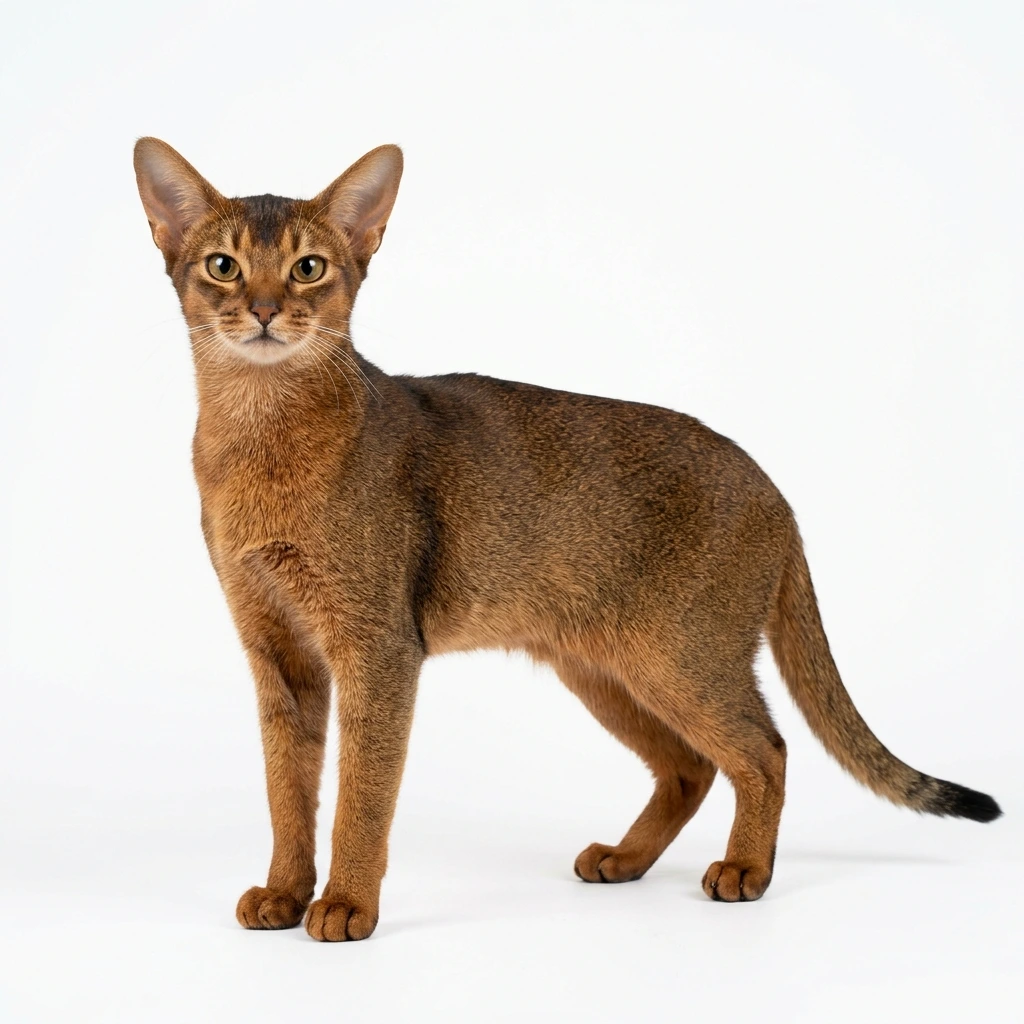
Abyssinian
The Abyssinian is a highly intelligent, active, and curious athlete. Known as the 'clowns of the cat world,' they love vertical space and being in the centre of family action. They are perfect for active Kiwi households that enjoy interactive pets.
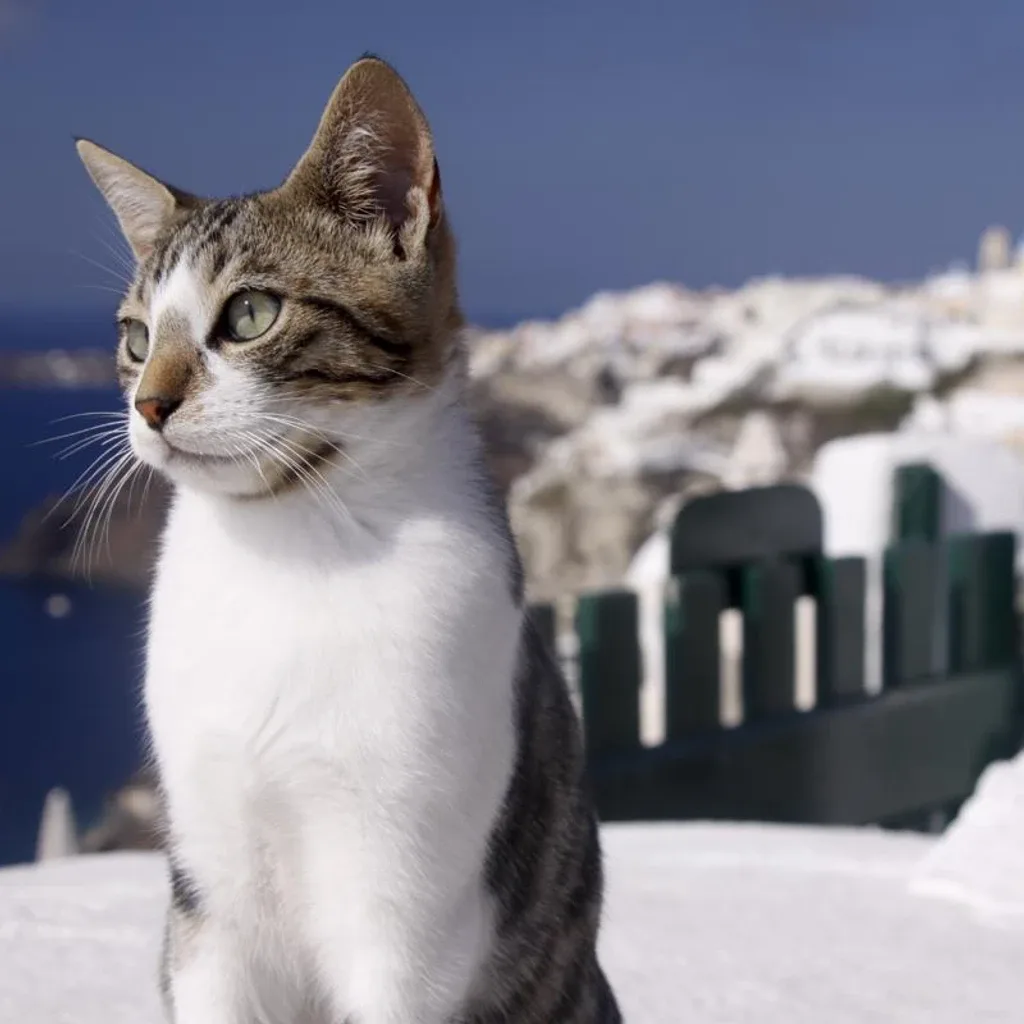
Aegean
A rare, natural breed from Greece, Aegeans are sturdy, social, and adaptable. They are famous for their love of water and their balanced, communicative nature.
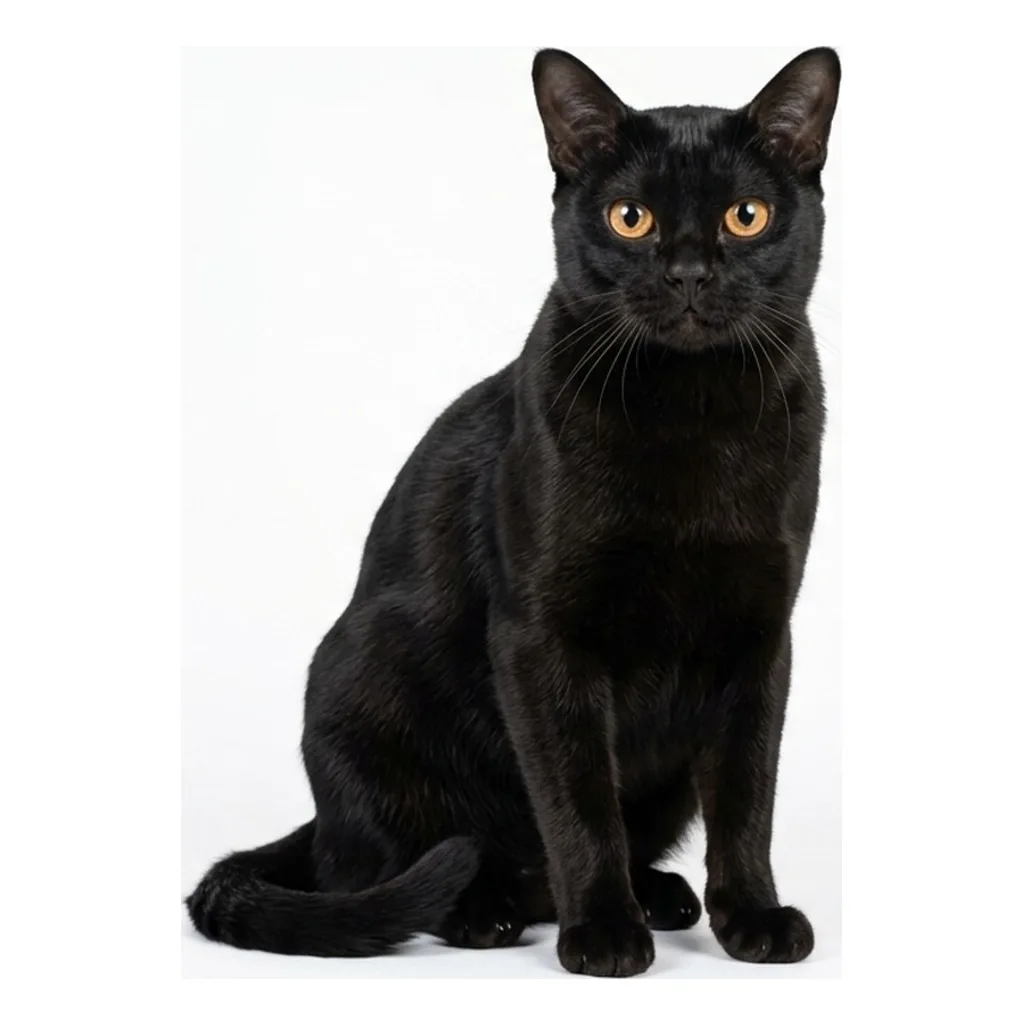
Bombay
The 'miniature panther.' Bombays are sleek, black, and copper-eyed. They are intensely people-oriented, affectionate, and love to investigate everything with their paws.
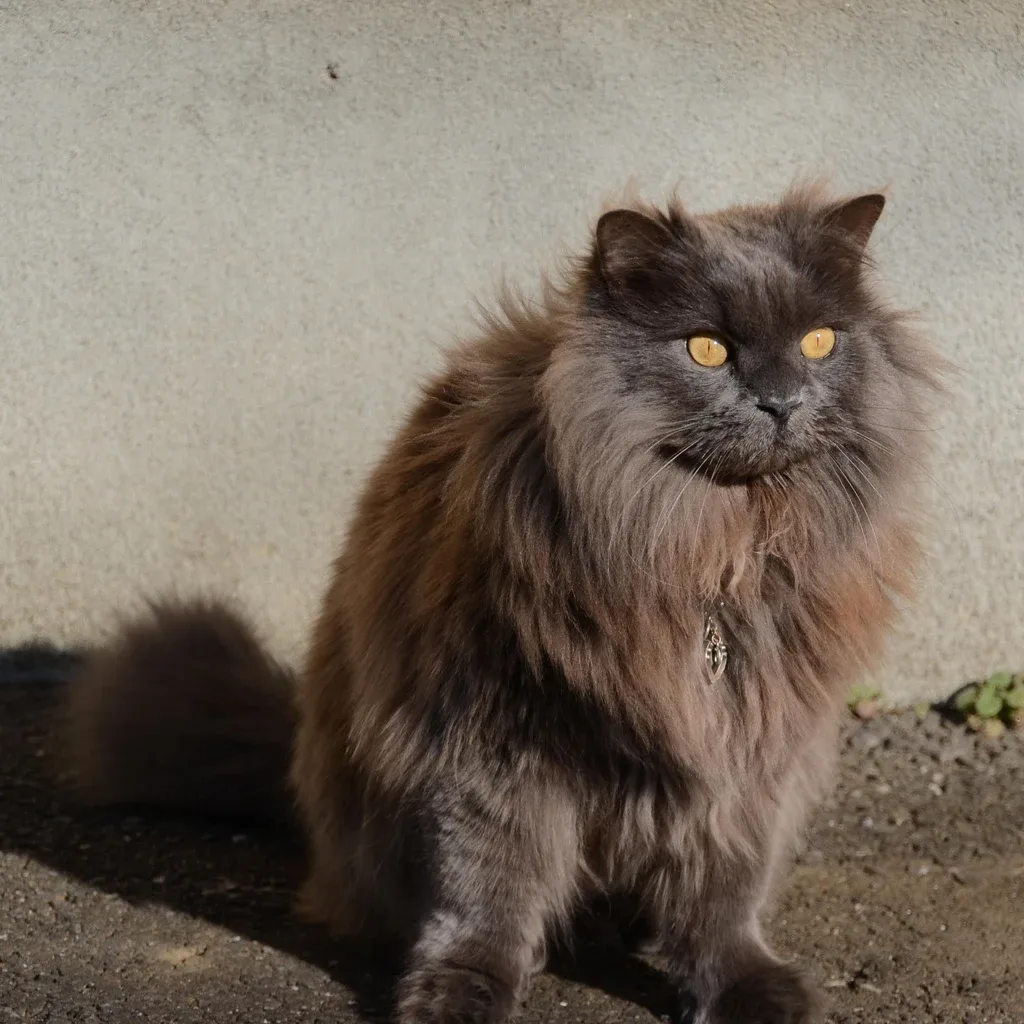
Chantilly-Tiffany
A medium-sized, long-haired companion known for its loyal and quiet nature. Often called 'chocolate lovers,' they are gentle, devoted cats.