Cat Breed Guide NZ
Javanese
The Javanese cat is a captivating companion, renowned for its striking long coat, intelligent mind, and incredibly vocal nature. These acrobatic felines thrive on interaction, often described as 'velcro cats' due to their intense loyalty and desire to be involved in every aspect of your day. They're not just beautiful; they're clever problem-solvers who enjoy learning tricks and engaging in stimulating play. With their active and devoted personalities, Javanese cats fit perfectly into an energetic Kiwi household that appreciates a highly interactive and affectionate pet. They'll keep you entertained with their antics and charming chatter, making them a truly unique addition to any family looking for a lively and loving feline friend.
Photo Gallery
Breed Snapshot
- Size
- 2 - 5 kg
- Lifespan
- 10 - 12 years
- Origin
- Being enriched
- Temperament
- Active, Devoted, Intelligent, Playful
- NZ Price
- $1,000 - $2,500 NZD from registered breeders; $150-$350 NZD adoption via SPCA (rarely available)
- Annual Vet Cost
- Estimated annual vet costs for a Javanese in NZ typically range from $300 - $600 NZD, covering routine check-ups, vaccinations, and parasite control. However, potential breed-specific health issues could increase this. Javanese cats, sharing genetics with Siamese and Balinese, can be predisposed to certain conditions. These include Progressive Retinal Atrophy (PRA), which can lead to blindness, and Feline Hypertrophic Cardiomyopathy (HCM), a heart condition. They may also be prone to asthma and, less commonly, amyloidosis. Regular veterinary check-ups are crucial for early detection and management of these conditions. Factor in potential emergency care or specialised treatments which could add several hundred to thousands of dollars if a serious health issue arises.
Personality Scores
NZ Lifestyle Fit
The Javanese cat's adaptable nature makes it suitable for various New Zealand living situations, though their need for interaction is paramount. For an apartment in Auckland, a Javanese can thrive if provided with plenty of vertical space like cat trees, interactive toys, and consistent human companionship. Their single coat handles Auckland's humid summers better than double-coated breeds, but ensure they have cool spots. A house with a section offers more space for exploration, but due to their value and curious nature, a secure catio or supervised outdoor access is highly recommended to protect them from traffic and other hazards. In rural NZ farm settings, they would need to be strictly indoor cats or have a very secure outdoor enclosure, as their sleek build and vocal nature are not suited to the dangers of farm life. South Island cold winters will require warm indoor environments, as their single coat offers less insulation. High UV levels across New Zealand mean that any outdoor access, even supervised, should be mindful of sun exposure, especially for lighter-coloured cats. MPI has no specific restrictions on cat breeds in New Zealand.
Origins & History
The Javanese cat, despite its exotic name, does not originate from the island of Java. Instead, this elegant breed was developed in North America during the 1970s. It emerged from breeding programs focused on expanding the colour palette of the Balinese cat, which itself is a long-haired variant of the Siamese. The goal was to introduce new point colours beyond the traditional seal, blue, chocolate, and lilac points found in Balinese cats. By outcrossing Balinese with Colourpoint Shorthairs, breeders successfully introduced red, cream, and tortie points, leading to the creation of the Javanese. Essentially, the Javanese is a Balinese with a broader range of colour points, sharing the same graceful body type, vocal nature, and intelligent personality. While some cat registries consider the Javanese a distinct breed, others classify it as a colour division of the Balinese or Oriental Longhair, highlighting its close genetic ties to these Oriental breeds.
Appearance
The Javanese is a medium-sized cat, typically weighing between 2 to 5 kilograms, with a svelte and elegant physique that is characteristic of Oriental breeds. They possess a long, slender body, fine boning, and long, tapering legs, giving them an athletic and graceful appearance. Their most distinguishing feature is their luxurious, medium-long coat, which is silky to the touch and lacks an insulating undercoat. This single coat lies close to the body, giving them a sleek look despite their length. The Javanese comes in a wide array of point colours, including red, cream, tortie, and lynx points, in addition to the traditional Balinese colours. Their head is a medium-sized, modified wedge with large, wide-set ears that continue the lines of the wedge. Striking blue, almond-shaped eyes complete their captivating look, reflecting their keen intelligence.
Temperament & Personality
Javanese cats are renowned for their vibrant and engaging personalities. They are highly intelligent, active, and incredibly devoted companions, often earning them the nickname 'velcro cats' because of their strong desire to be close to their human family. These felines thrive on interaction and will happily follow you from room to room, offering their opinions with a distinctive, often insistent, vocalisation. They are natural acrobats, enjoying climbing, jumping, and exploring their environment from high vantage points. Their playful nature means they love interactive toys, puzzle feeders, and even learning tricks, making them highly trainable. A Javanese cat will demand your attention and affection, returning it tenfold with unwavering loyalty and endless entertainment. They are not content to be mere decorative pets; they want to be an integral part of your daily life.
Life in New Zealand
For Javanese cats living in Aotearoa, their active and social nature means they thrive in environments where they receive plenty of attention and mental stimulation. Their single, medium-long coat is relatively easy to maintain and generally handles New Zealand's varied climate well, though they will appreciate warm, cosy spots during cooler South Island winters. In humid Auckland summers, their lack of a dense undercoat helps prevent overheating, but access to cool spots and fresh water is always essential. Javanese cats are well-suited to indoor living, especially in urban areas, provided they have ample opportunities for play and climbing. Their intelligence and curiosity make them excellent companions for active Kiwi families who are home often and enjoy engaging with their pets. They adapt well to routines and can be excellent travel companions for those who enjoy taking their pets on bach holidays or road trips, provided they are properly socialised and accustomed to a harness and lead.
Is This the Right Breed for You?
The Javanese is an ideal breed for individuals or families seeking a highly interactive, intelligent, and affectionate cat. If you're looking for a quiet, independent feline that prefers its own company, the Javanese is likely not the right fit. They demand attention and will make their presence known through their vocalizations and playful antics. Owners should be prepared to dedicate time to daily play sessions, mental enrichment, and consistent interaction. Their loyalty is intense, and they form strong bonds with their human companions, often choosing one person as their primary focus while still being affectionate with others. They generally get along well with respectful children and other pet-friendly animals, making them a great addition to multi-pet households. If you're ready for a devoted, talkative, and endlessly entertaining companion who will truly become the centre of your world, a Javanese cat could be your perfect match.
Fun Facts
Fact 1
Despite their name, Javanese cats do not originate from the island of Java; they were developed in North America.
Fact 2
They are often called 'velcro cats' due to their intense loyalty and desire to be constantly close to their human companions.
Fact 3
Javanese cats are highly vocal and love to 'chat' with their owners, expressing their opinions on everything.
Fact 4
They are exceptionally intelligent and can be trained to perform tricks, walk on a lead, and even play fetch.
Fact 5
The Javanese is essentially a Balinese cat with an expanded range of point colours, including red, cream, and tortie.
Related Breeds
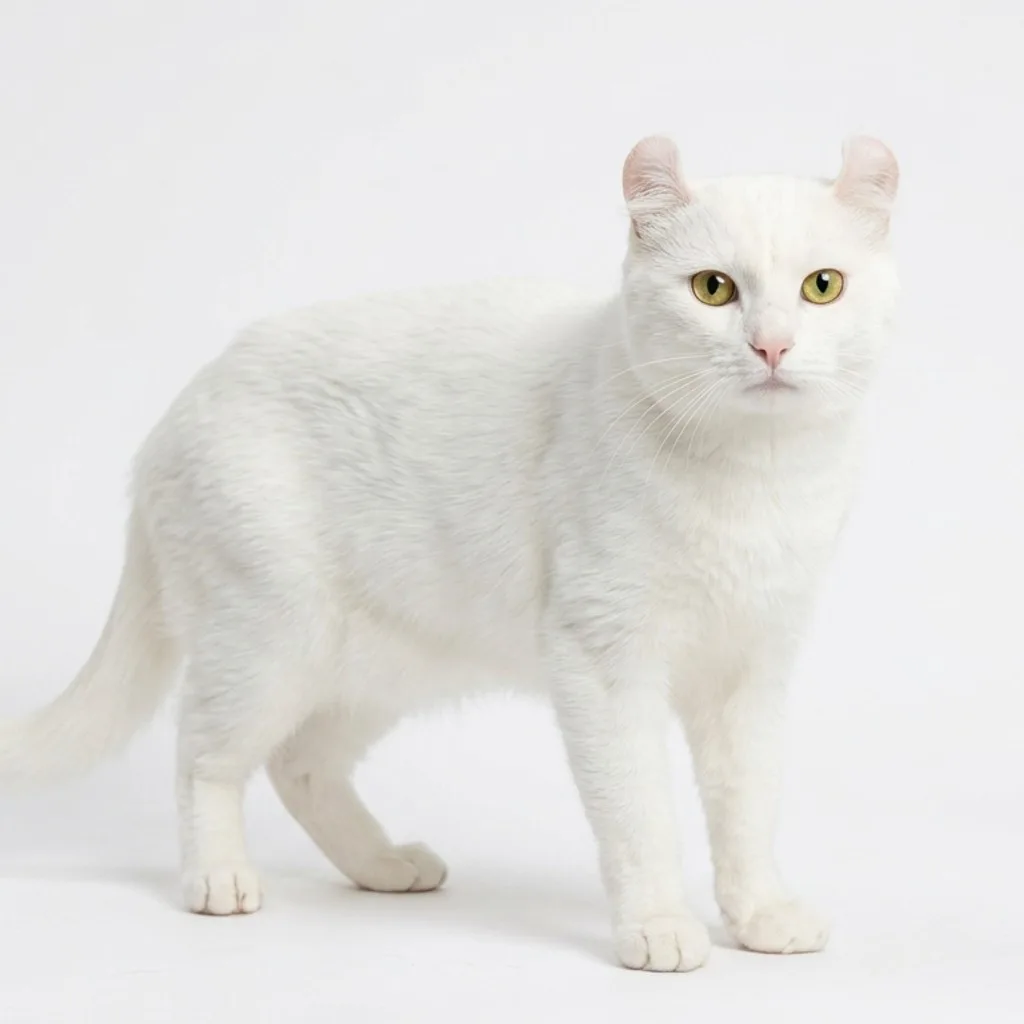
American Curl
Famous for their unique backward-curling ears, the American Curl is an affectionate, 'Peter Pan' breed that stays kitten-like well into adulthood.
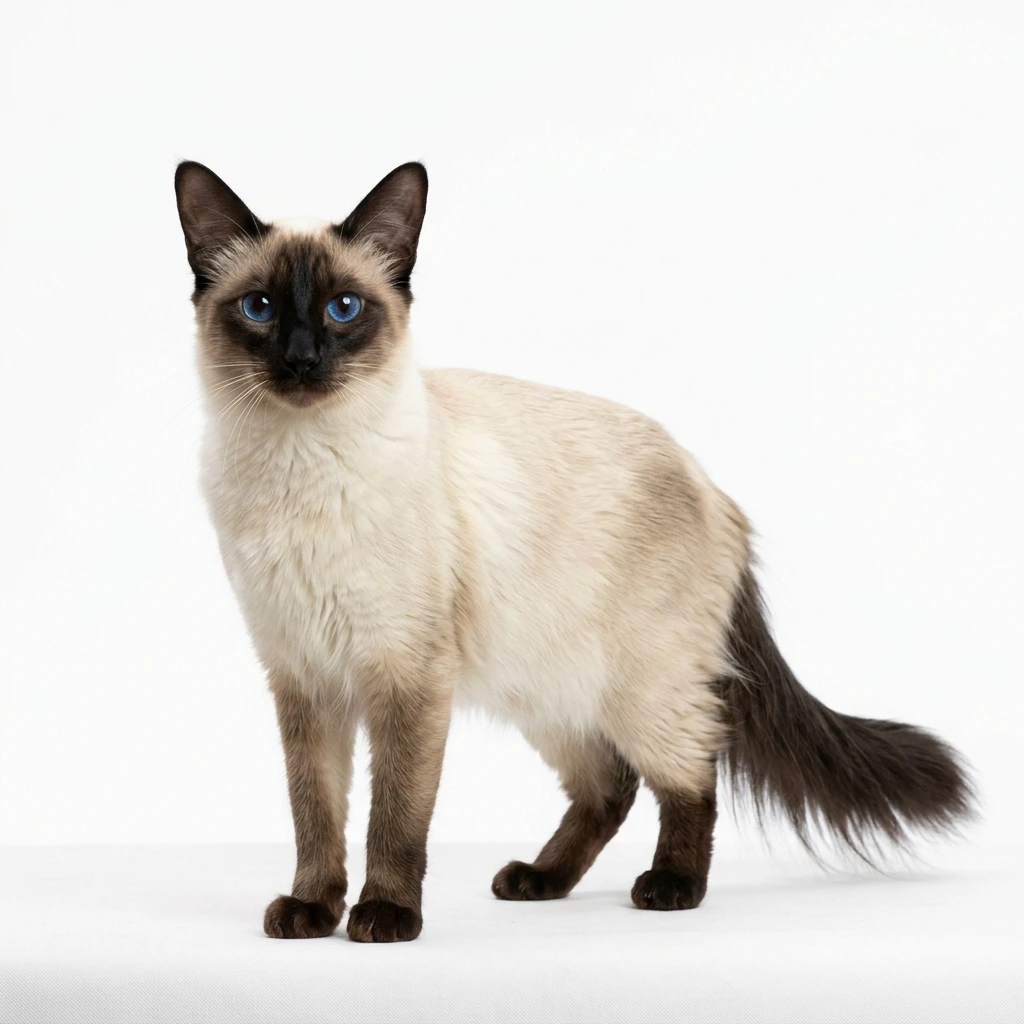
Balinese
The elegant long-haired version of the Siamese. Balinese are vocal, intelligent, and deeply affectionate 'velcro cats' that crave constant interaction.
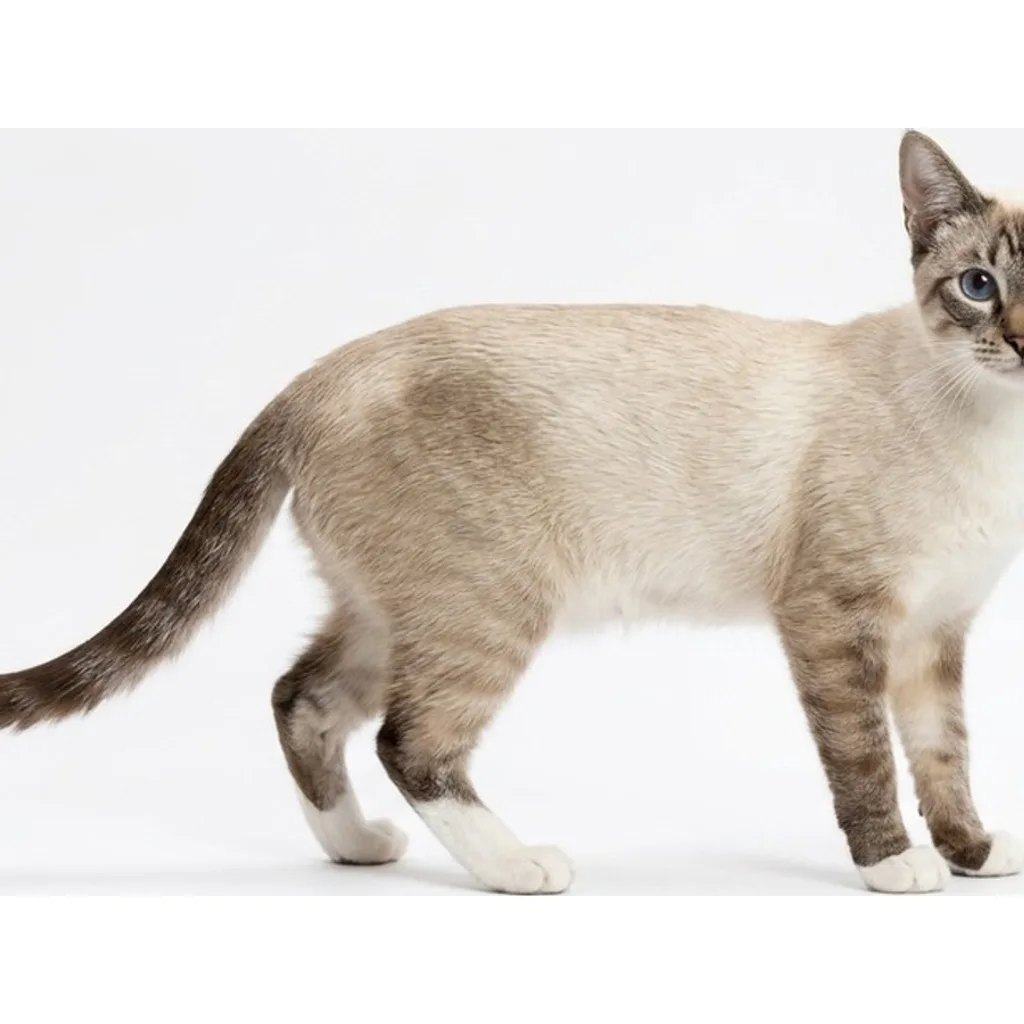
Colorpoint Shorthair
Extroverted, vocal relatives of the Siamese. They are highly intelligent, loyal companions with a wide range of striking coat colours.
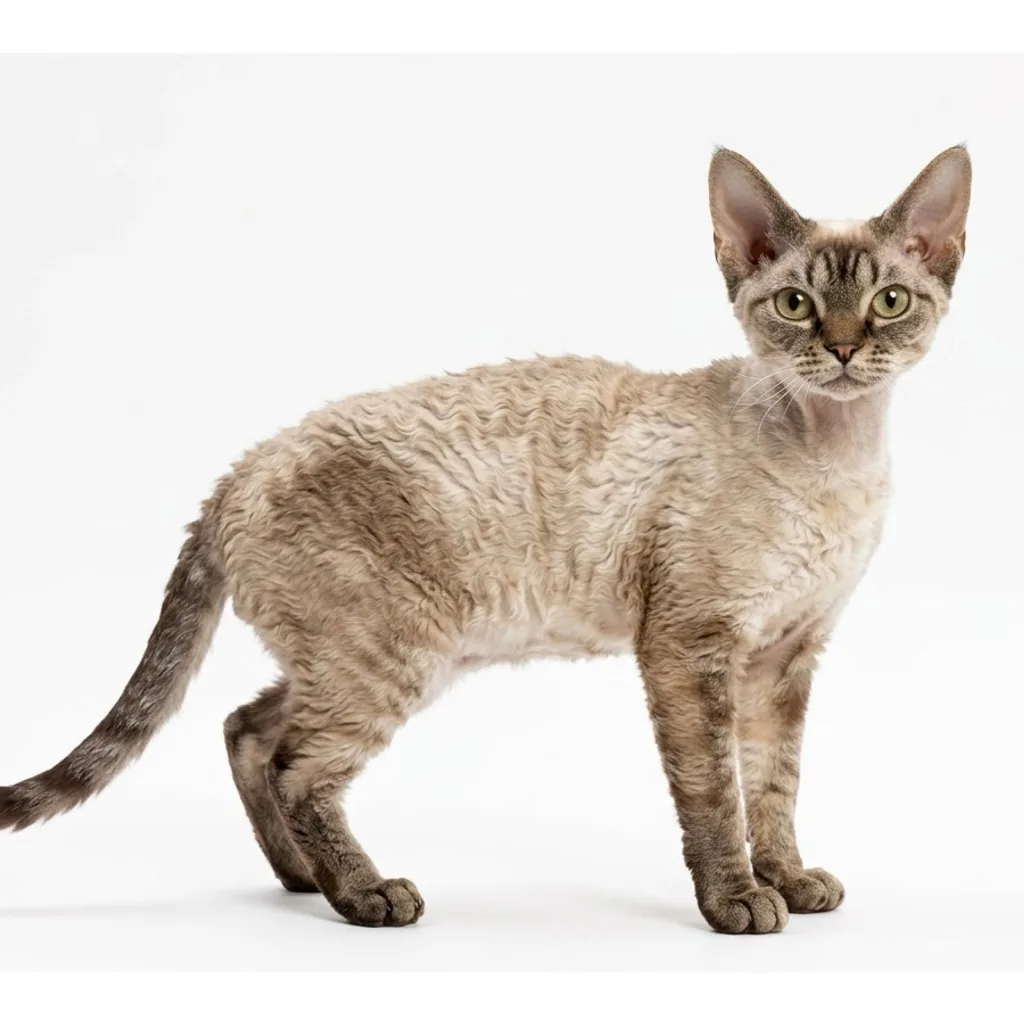
Devon Rex
The 'alien cat' with large ears and a wavy coat. Devon Rex are social, mischievous, and love perching on their owners' shoulders.