Cat Breed Guide NZ
Cymric
The Cymric, often called the long-haired Manx, is a distinctive and endearing cat breed known for its lack of a tail and a luxurious, medium-long double coat. Originating from the Isle of Man, these sturdy felines possess a unique 'rabbit hop' gait. Beyond their striking appearance, Cymrics are celebrated for their gentle, loyal, and intelligent temperament, making them wonderful companions. They are playful yet not overly demanding, thriving on interaction with their human whānau. In New Zealand, a Cymric can adapt beautifully to various Kiwi homes, from a cosy flat to a house with a section, offering devoted companionship to those seeking a unique and affectionate pet.
Photo Gallery
Breed Snapshot
- Size
- 4 - 6 kg
- Lifespan
- 8 - 14 years
- Origin
- Being enriched
- Temperament
- Gentle, Loyal, Intelligent, Playful
- NZ Price
- $1,000 - $2,800 NZD from registered breeders; $150-$350 NZD adoption via SPCA
- Annual Vet Cost
- Estimated annual vet costs for a Cymric in NZ range from $350 - $600 NZD, excluding emergency care. This typically covers annual check-ups, vaccinations, flea and worm treatments. However, Cymrics can be predisposed to specific health issues like Manx Syndrome (spinal defects), arthritis (especially in tailless cats), and corneal dystrophy, which could incur additional costs for diagnosis, medication, or specialist care. Obesity is also a concern, requiring dietary management and potentially vet intervention. Regular dental checks and preventative care are also important for overall health.
Personality Scores
NZ Lifestyle Fit
The Cymric's adaptable and gentle nature makes them a good fit for various New Zealand living situations. For those in an Auckland apartment, a Cymric can thrive, provided they receive ample mental stimulation through toys and interactive play. Their moderate energy levels mean they won't feel cooped up, but regular grooming will be essential during Auckland's humid summers to manage their long coat and prevent matting. A house with a section offers an ideal environment, allowing for safe, supervised outdoor exploration. Their sturdy build and double coat provide good insulation for colder South Island winters, but a warm, dry indoor retreat is always necessary. High UV levels across NZ mean lighter-coloured Cymrics should have access to shade or primarily indoor living to minimise skin cancer risk. While robust, they are not ideal for unsupervised rural NZ farm life due to their taillessness affecting balance and communication, and their long coat being prone to burrs and parasites. MPI has no specific restrictions on owning Cymric cats in New Zealand.
Origins & History
While the Cymric is often considered a distinct breed, it is essentially the long-haired variant of the Manx cat. Both breeds share a common genetic mutation that results in taillessness, originating from the Isle of Man. The Manx cat has been documented for centuries, with its unique appearance arising from a dominant gene that affects tail development. Over time, some Manx cats were born with longer hair, and these individuals were eventually recognised as the Cymric breed. The name 'Cymric' is thought to derive from 'Cymru', the Welsh name for Wales, though the breed's origins remain firmly tied to the Isle of Man. Their history is one of natural adaptation and unique genetic expression, leading to a robust and charming feline companion.
Appearance
The most striking feature of the Cymric is, of course, its lack of a tail. However, not all Cymrics are completely tailless; they can be classified as 'rumpies' (no tail at all), 'risers' (a slight rise of cartilage at the tailbone), 'stumpies' (a short stub of a tail), or 'longies' (a nearly full-length tail). The ideal show Cymric is a 'rumppy'. They possess a sturdy, compact body with a broad chest and a round head, giving them a solid, powerful look. Their hind legs are notably longer than their front legs, contributing to their characteristic 'rabbit hop' when running. The Cymric's luxurious double coat is medium-long, dense, and soft, with a well-padded appearance. It comes in a wide array of colours and patterns, excluding those associated with hybridisation. Their eyes are large and round, often reflecting their coat colour, and their ears are medium-sized with rounded tips, often adorned with ear tufts.
Temperament & Personality
Cymrics are renowned for their gentle and affectionate nature, making them excellent family pets. They are incredibly loyal to their owners, often forming strong bonds and enjoying being close to their human companions. Their intelligence makes them quick learners, and they can even be taught tricks or to walk on a leash. Despite their calm demeanour, Cymrics are also quite playful. They enjoy interactive games, chasing toys, and can be quite adept at retrieving. They are generally good with children and other pets, provided they are introduced properly. Cymrics are not overly vocal, preferring to communicate through purrs and gentle chirps. They are curious and observant, often found 'helping' with household tasks or simply watching the world go by from a comfortable perch.
Life in New Zealand
The robust and adaptable nature of the Cymric makes them well-suited for life in New Zealand. Their sturdy build and thick double coat offer some protection against cooler South Island winters, though they will always appreciate a warm, sheltered spot indoors. In warmer regions like Auckland, their long coat will require regular grooming to prevent matting, especially during humid summers. Cymrics thrive in homes where they receive plenty of attention and mental stimulation. They are equally content in a city flat as they are in a house with a secure section, provided their needs for play and companionship are met. While they enjoy supervised outdoor excursions, their taillessness can affect their balance and communication, so a secure, enclosed outdoor area or a 'catio' is often preferred for their safety from traffic and other hazards. They are generally not suited to being unsupervised outdoor farm cats due to these factors and the potential for their long coats to pick up burrs and parasites.
Is This the Right Breed for You?
If you're seeking a devoted, intelligent, and playful companion with a unique look, the Cymric could be your perfect match. They are ideal for individuals or families who can offer consistent affection and engage in regular playtime. Their moderate grooming needs mean a commitment to regular brushing, especially during shedding seasons. Cymrics thrive in environments where they feel secure and are part of the family's daily life. While generally healthy, potential owners should be aware of the breed's predisposition to certain genetic conditions. Overall, a Cymric brings a wonderful blend of loyalty, intelligence, and a touch of playful mischief to any Kiwi household, making them a truly special and cherished pet.
Fun Facts
Fact 1
The Cymric's taillessness is caused by a dominant gene, making it a unique genetic trait.
Fact 2
They are renowned for a distinctive 'rabbit hop' gait when running, due to their longer hind legs.
Fact 3
The Cymric is essentially the long-haired variety of the Manx cat, sharing the same Isle of Man origins.
Fact 4
Despite their gentle nature, Cymrics are excellent hunters and can be very adept at pest control.
Fact 5
Many owners describe Cymrics as having 'dog-like' loyalty, often following their favourite person around the house.
Related Breeds
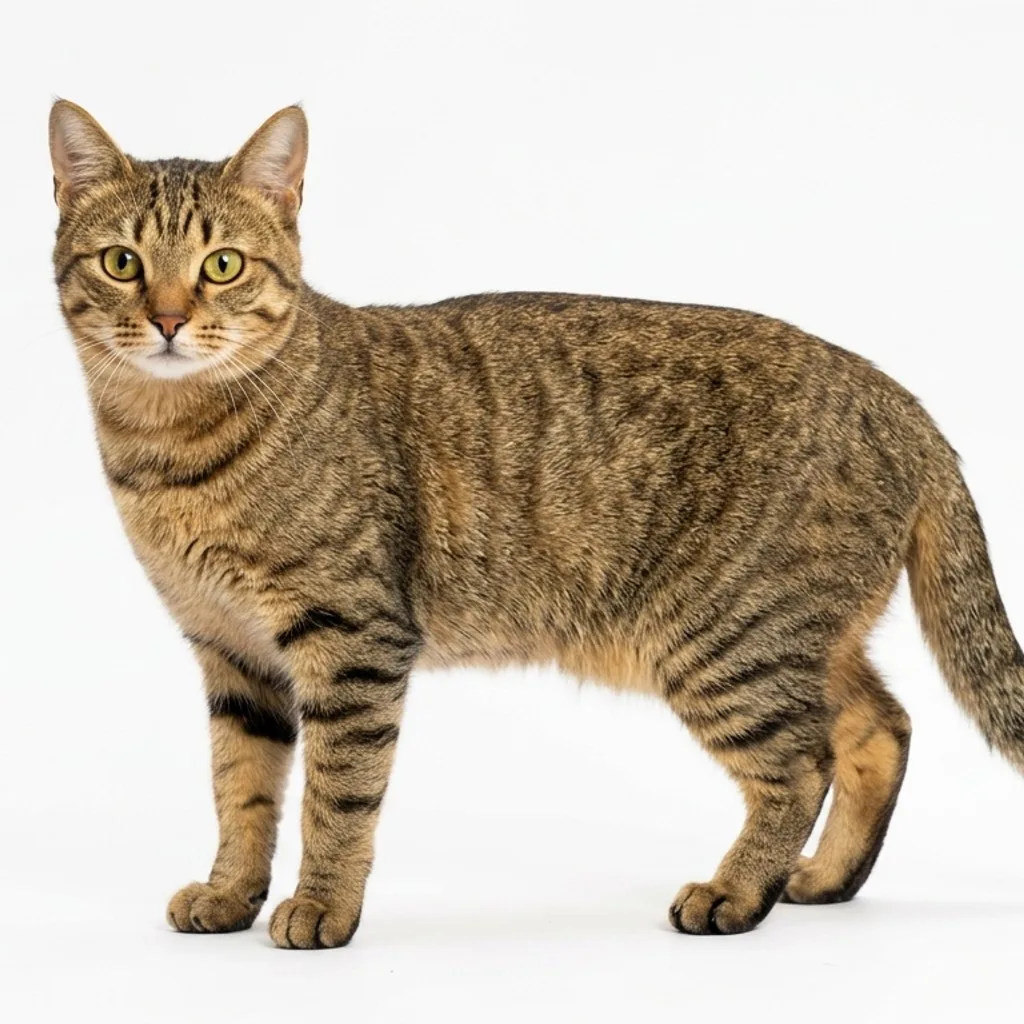
Dragon Li
A natural Chinese breed with a wild mackerel tabby coat. Intelligent and alert independent thinkers that bond loyally with family.
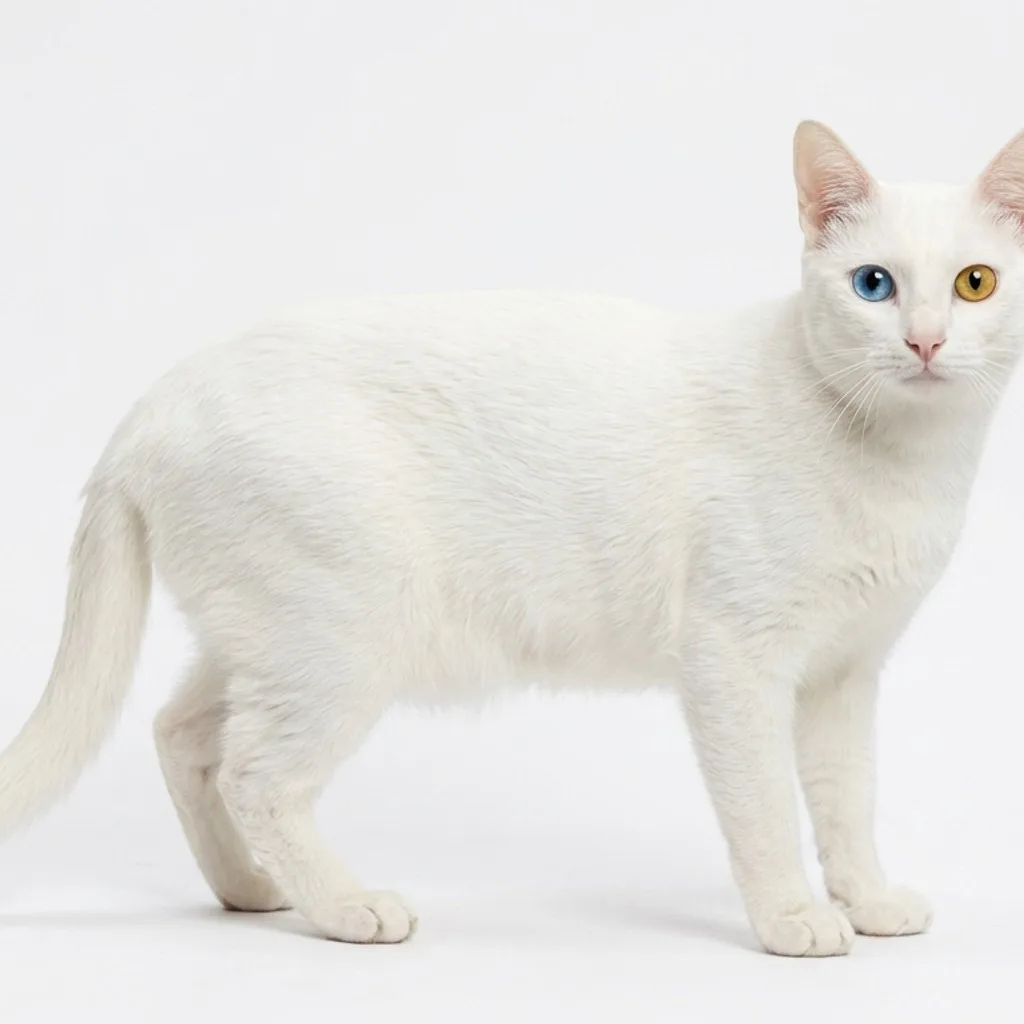
Khao Manee
The 'Diamond Eye' cat of Thailand, known for its striking white coat and varied eye colours. They are social, outgoing, and highly intelligent companions that treat everyone as a friend.
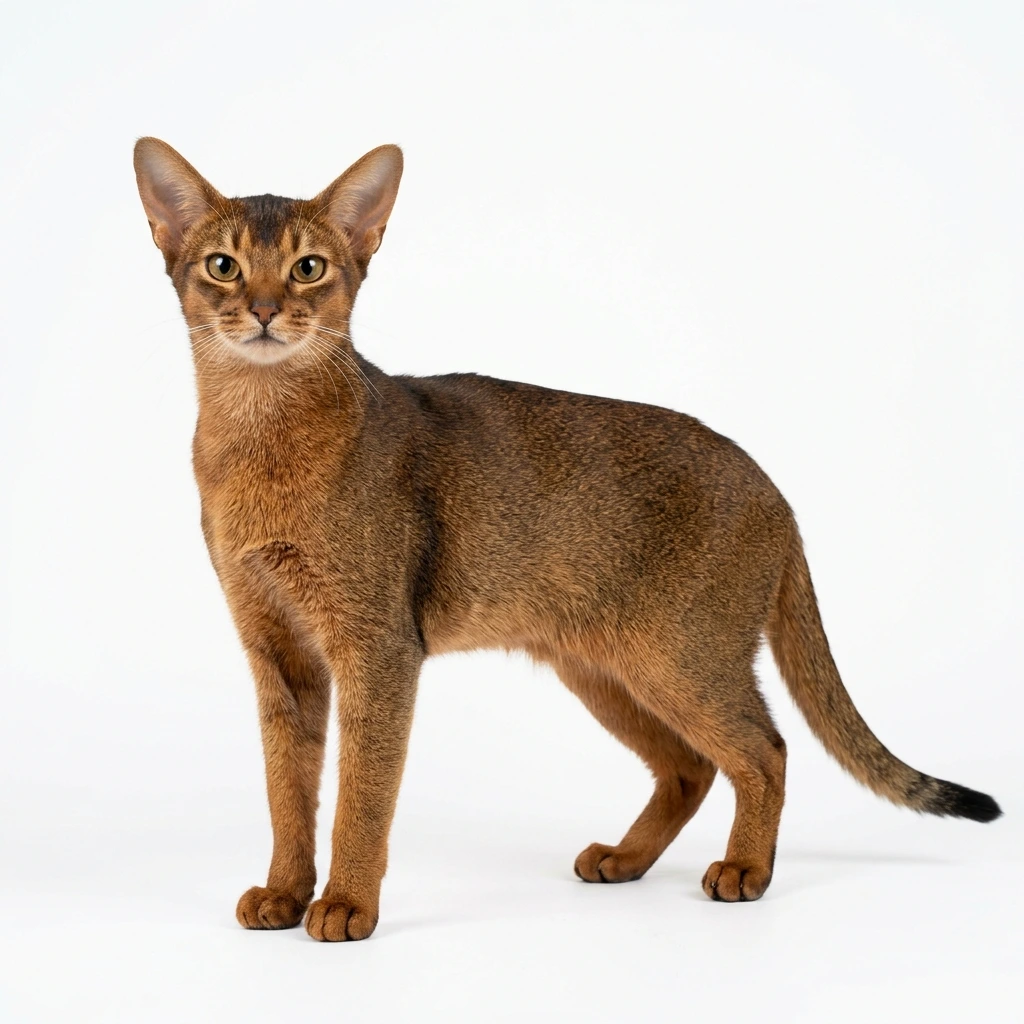
Abyssinian
The Abyssinian is a highly intelligent, active, and curious athlete. Known as the 'clowns of the cat world,' they love vertical space and being in the centre of family action. They are perfect for active Kiwi households that enjoy interactive pets.
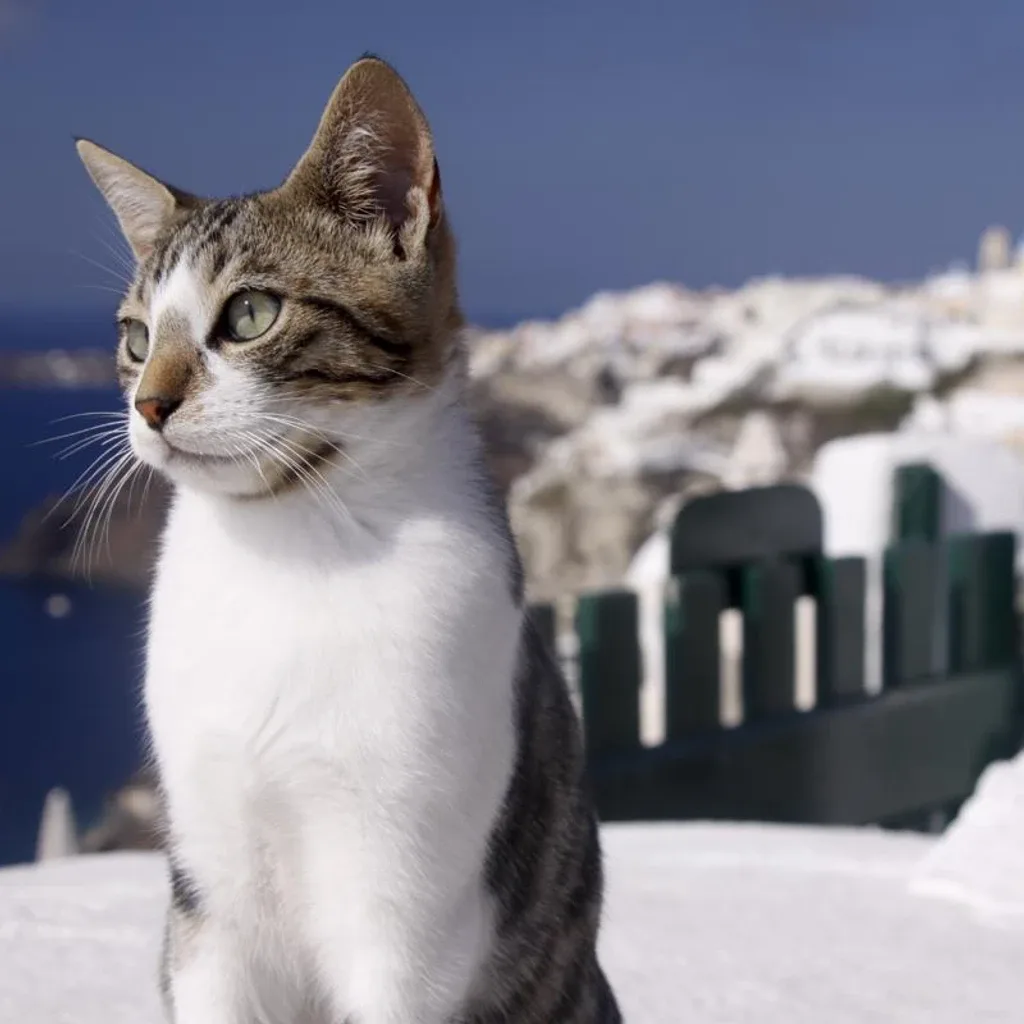
Aegean
A rare, natural breed from Greece, Aegeans are sturdy, social, and adaptable. They are famous for their love of water and their balanced, communicative nature.