Are Ferrets Legal in NZ? Why You Can't Get One + Legal Alternatives
Why you can't get a pet ferret in NZ: unwanted organism since 2002, no buying or breeding. What it means for ferrets already here, plus legal alternatives.
No, you cannot buy, breed, sell, or distribute ferrets in New Zealand. Under the Biosecurity Act 1993, ferrets are classified as an unwanted organism, and since 2002 strict national regulations have prohibited all commercial trade, importation, and breeding. Ferrets kept as pets before the ban were not required to be surrendered, but no new pet ferret can lawfully be obtained here today, and MPI permission is required to hold or handle one. Regional pest management plans, such as Auckland's RPMP 2020–2030, further restrict mustelids.
The quick answer: Are ferrets legal as pets in New Zealand?
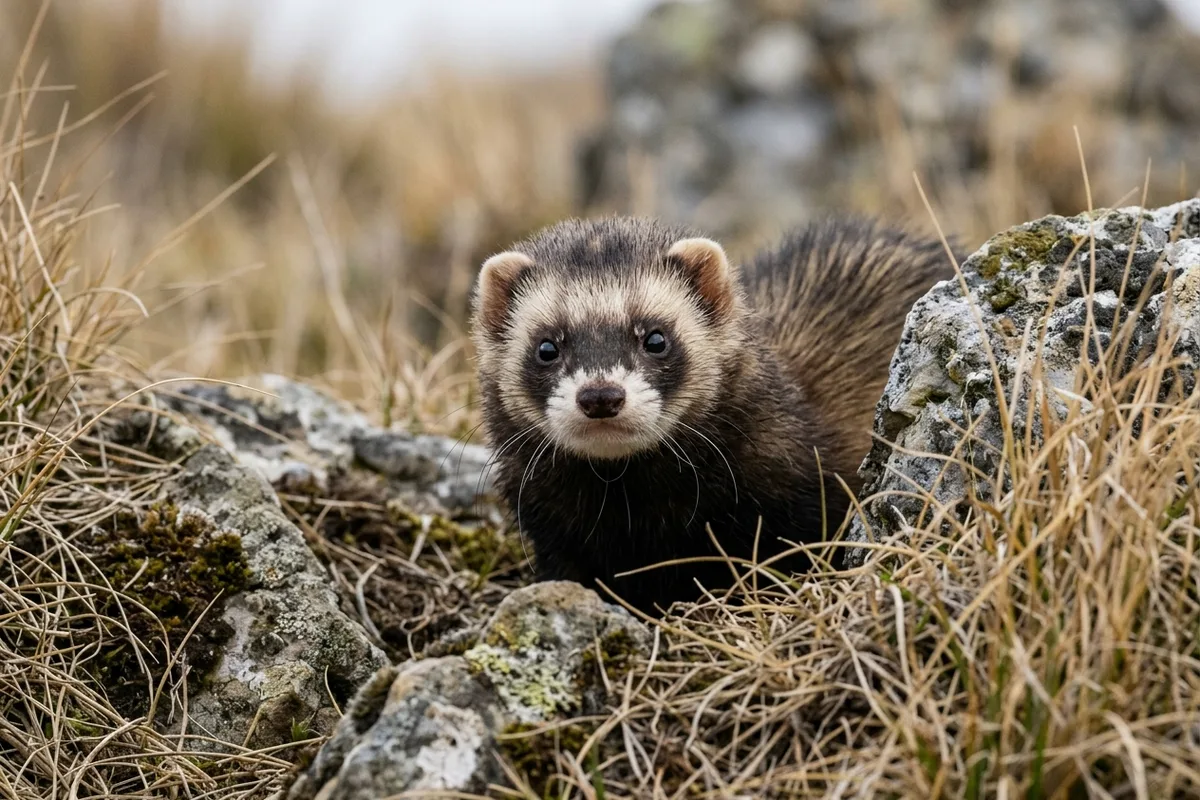
Ferrets (*Mustela putorius furo*) are strictly restricted in New Zealand. Since the enactment of national biosecurity rules in 2002, it has been illegal to sell, purchase, breed, import, or distribute ferrets anywhere in the country.
Ferrets live roughly 6–10 years, so no pet ferret alive in New Zealand today predates the 2002 ban. Any ferret here now is either held with MPI permission — ferrets are an unwanted organism, and DOC directs anyone handling one to apply to MPI — or has been bred or traded illegally. Commercial pet shops, rescue shelters and private breeders are all legally prohibited from trading ferrets.
Anyone interested in small, energetic pets should explore legal alternatives such as guinea pigs, domestic rabbits, or fancy rats from established domestic stocks.
Biosecurity Act 1993: Unwanted Organism classification
The primary legislation governing ferret ownership in New Zealand is the Biosecurity Act 1993. Under this Act, Biosecurity New Zealand (a division of the Ministry for Primary Industries) declared ferrets to be an unwanted organism.
Key legal restrictions under national biosecurity laws include:
- Ban on commercial sale: Pet stores and private individuals cannot sell, trade, or transfer ferrets.
- Ban on breeding: Intentional or accidental breeding of ferrets is illegal.
- Ban on importation: No live ferrets can be imported into New Zealand under any circumstances.
- Ban on release: Releasing a ferret into the wild carries severe criminal penalties due to environmental devastation.
These regulations were introduced to halt the spread of escaped or abandoned domestic ferrets joining feral populations across the North and South Islands.
Regional Pest Management Plans and council bylaws
In addition to national legislation, local regional councils manage mustelids through Regional Pest Management Plans (RPMP). Mustelids include ferrets, stoats, and weasels.
For example, under Auckland Council's *Tiaki Tāmaki Makaurau* Regional Pest Management Plan 2020–2030, ferrets are managed as site-led and pest species.
- Auckland rules: The plan states that you must not breed, distribute, release or sell any mustelid — ferret, stoat or weasel — within the Auckland region. Management status varies by area: eradication on Waiheke and Kawau Island, site-led control around priority sites, and sustained control region-wide.
- What the regional plan does not do: It does not create a regional licence or permit that would let you acquire a pet ferret. National biosecurity rules already block that, so the regional rules simply close off breeding and trade locally.
- Other regions: Councils in Canterbury, Waikato, Wellington and Otago run their own regional pest management plans covering mustelids, with control concentrated around wildlife sanctuaries and farm boundaries. Check your own council's current plan before assuming anything is permitted.
Pet owners navigating local council regulations should consult our guide on exotic pets banned and restricted in NZ for comprehensive regional overviews. Two other species people regularly ask about are covered in the same detail: are snakes legal in NZ and can you get a hamster in NZ.
Why are ferrets restricted in New Zealand?
New Zealand's native ecosystem evolved for millions of years without terrestrial mammalian predators. Native birds, reptiles, and insects have few natural defences against agile hunters.
Ferrets were originally introduced to New Zealand in the late 19th century in a misguided attempt to control introduced rabbit populations. Instead of controlling rabbits effectively, ferrets preyed heavily on vulnerable native wildlife.
Ferrets pose a severe ecological threat because:
- Prey on native birds: They raid nests of ground-nesting birds such as the kiwi, blue duck (whio), and dotterel, consuming eggs, chicks, and adult birds.
- Impact on reptiles and invertebrates: They hunt native skinks, geckos, and giant land snails (*Powelliphanta*).
- Disease vector: Feral ferrets carry bovine tuberculosis (*Mycobacterium bovis*), posing a biosecurity threat to New Zealand's agricultural sector and cattle herds.
For more details on species profiles and historical background, see our page on ferret species history.
Legal small pet alternatives in New Zealand
While ferrets cannot be kept as pets, New Zealand offers several rewarding, legal small animal companion choices that pose no threat to biosecurity:
1. Guinea pigs (Cavy)
Guinea pigs are fully legal, friendly, and widely available across New Zealand. They thrive in indoor or sheltered outdoor hutches and are excellent family pets.
2. Domestic rabbits
Rabbits are a popular small pet option in NZ. While wild rabbits are managed as agricultural pests, domestic rabbit breeds (such as Netherland Dwarfs and Mini Rex) are legally bred and kept across the country.
3. Fancy rats and mice
Domesticated fancy rats and fancy mice from long-established domestic New Zealand lines make intelligent, social companions.
For guidance on selecting and setting up housing for small pets, explore our comprehensive guide on small pets and exotics care in NZ.
Summary: Responsible pet ownership in NZ
New Zealand's biosecurity framework protects its unique biodiversity. Understanding these legal restrictions ensures pet owners make responsible choices while supporting native wildlife protection.
If you encounter an escaped or wild ferret in New Zealand, report the sighting to your local regional council animal control or the Department of Conservation (DOC).
Sources
- Environmental Protection Authority (EPA) — Prohibited organisms in New Zealand: https://www.epa.govt.nz/industry-areas/new-organisms/prohibited-organisms-in-new-zealand/
- Department of Conservation (DOC) — Ferrets: New Zealand animal pests: https://www.doc.govt.nz/nature/pests-and-threats/animal-pests-and-threats/ferrets/
- Auckland Council Tiaki Tāmaki Makaurau — Mustelids (ferret, stoat, weasel): https://www.tiakitamakimakaurau.nz/protect-and-restore-our-environment/pests-in-auckland/pest-search/musfur/
Related guides
petmall.co.nz
Shop at PetMall
The products below are practical support items for your pet. PetMall ships across New Zealand.