Pet Breed Guide NZ
Ferret
Ferrets are captivating small pets known for their playful antics, curious nature, and distinctive elongated bodies. Originating from Europe, these intelligent mustelids bring a unique blend of energy and cuddliness to a household. They are renowned for their 'ferret dance' – a series of excited hops and tumbles – which delights owners. With a lifespan of 5-10 years, they form strong bonds with their human companions. In New Zealand, ferrets hold a restricted legal status, meaning prospective Kiwi owners must diligently check local council bylaws and MPI regulations before considering one, as they are illegal in some regions like Auckland and certain conservation areas.
Photo Gallery
NZ Ownership Snapshot
Restricted in NZ- Noise Level
- quiet
- Social Needs
- solitary
- Animal Type
- ferret
- Diet Type
- Species-specific pellets plus enrichment foods
- UVB Required
- No
Restricted pest/unwanted-organism context: DOC/MPI identify ferrets as serious pest predators. Sale, distribution, breeding, movement, and keeping can be restricted; check current MPI and regional rules.
Breed Snapshot
- Size
- small
- Lifespan
- 5-10 years
- Origin
- Europe
- Care Focus
- Curious and active animal that needs secure housing, enrichment, and experienced handling.
- NZ Price
- NZD $200 - $500
- Annual Vet Cost
- Estimated annual vet/care costs for a ferret in New Zealand can range from NZD $300 - $800, depending on routine check-ups, vaccinations, and any unexpected health issues. It's important to note that access to exotic animal veterinarians in New Zealand is limited, which can sometimes lead to higher costs for specialised care or travel expenses to reach a suitable vet.
Personality Scores
NZ Lifestyle Fit
Ferrets can adapt to various New Zealand home types, from apartments to houses, provided they have a secure, spacious, and stimulating enclosure, along with daily supervised free-roaming time. Climate-wise, ferrets are adaptable but require protection from extremes; they can tolerate the cooler temperatures of the South Island but need warmth in winter, and conversely, protection from overheating in the humid Auckland summers. Crucially, their legal status is restricted in NZ. They are illegal in the Auckland region and several conservation areas. Prospective owners *must* verify with their local council and the Ministry for Primary Industries (MPI) that ferrets are permitted in their specific area before acquisition. Sourcing a ferret legally in New Zealand requires finding reputable breeders or rescue organisations that operate within the legal framework, ensuring all local and national regulations are met. Never obtain a ferret from an unverified source.
Restricted pest/unwanted-organism context: DOC/MPI identify ferrets as serious pest predators. Sale, distribution, breeding, movement, and keeping can be restricted; check current MPI and regional rules.
About the Ferret
Ferrets (Mustela putorius furo) are domesticated members of the weasel family, celebrated for their mischievous personalities and slender, flexible bodies. Descended from European polecats, they have been kept as pets for centuries, originally for hunting rabbits and rodent control. These intelligent and highly curious animals thrive on interaction and mental stimulation, making them rewarding companions for dedicated owners. With an average lifespan of 5-10 years, ferrets require a significant commitment, offering years of entertainment and affection. In New Zealand, their legal status is restricted, necessitating thorough research into regional bylaws and MPI guidelines before acquiring one.
What They Look Like
Ferrets possess a distinctive long, slender body, short legs, and a bushy tail, perfectly adapted for navigating tight spaces. Males (hobs) are typically larger than females (jills), weighing between 1-2 kg, while jills are usually 0.5-1 kg. Their coats come in a variety of colours, including sable (the most common, dark brown with a cream undercoat), albino (white with red eyes), dark-eyed white, silver, cinnamon, and chocolate. They have small, rounded ears and bright, inquisitive eyes. Their fur is soft and dense, providing insulation, and they have scent glands that produce a musky odour, which is part of their natural communication.
Personality & Behaviour
Ferrets are incredibly playful and curious creatures, known for their bursts of high energy followed by long periods of sleep (up to 75% of the day). When awake, they are highly interactive, enjoying games of chase, wrestling, and exploring every nook and cranny. They are intelligent and can be litter-trained, though consistency is key. While the raw data suggests they are solitary, ferrets do form strong bonds with their human guardians and thrive on daily interaction and playtime. They communicate through various sounds, including 'dooking' (a soft clucking sound when happy) and hissing (when agitated). Their natural instinct to 'cache' or hide items means owners should be prepared for missing socks and keys!
Life in New Zealand
Owning a ferret in New Zealand comes with specific legal responsibilities due to their restricted status. While legal in many regions, they are strictly prohibited in the Auckland region and several conservation areas to protect native wildlife. Prospective owners must contact their local council and the Ministry for Primary Industries (MPI) to confirm the legality of owning a ferret in their specific location. Responsible ownership includes providing a secure, escape-proof enclosure, regular veterinary care (acknowledging the limited availability of exotic vets), and a species-appropriate diet. Sourcing a ferret legally usually involves reputable breeders or rescue organisations, but only after confirming local compliance.
Is This the Right Pet for You?
Ferrets are not low-maintenance pets. They require daily out-of-cage playtime, a spacious and stimulating environment, and a commitment to their unique care needs. Their curious nature means constant supervision during playtime to prevent accidents or escapes. They are best suited for owners who can dedicate significant time to interaction and enrichment. While generally good-natured, they can nip, especially if startled or not properly socialised, making them more suitable for families with older, respectful children. Potential owners must also be prepared for their distinct musky scent and the legal complexities of ownership in New Zealand. If you're ready for a playful, intelligent, and engaging companion, and have thoroughly checked your local bylaws, a ferret could be a wonderful addition to your home.
Fun Facts
Fact 1
Ferrets sleep up to 75% of the day, often in deep 'dead sleep' that can alarm new owners.
Fact 2
A group of ferrets is called a 'business'.
Fact 3
They have an incredibly flexible spine, allowing them to turn 180 degrees in tight spaces.
Fact 4
Ferrets are naturally curious and will 'cache' or hide shiny objects or food in secret stashes.
Fact 5
Their 'ferret dance' involves excited hops, tumbles, and head shaking, often when they are happy or playful.
Related Breeds
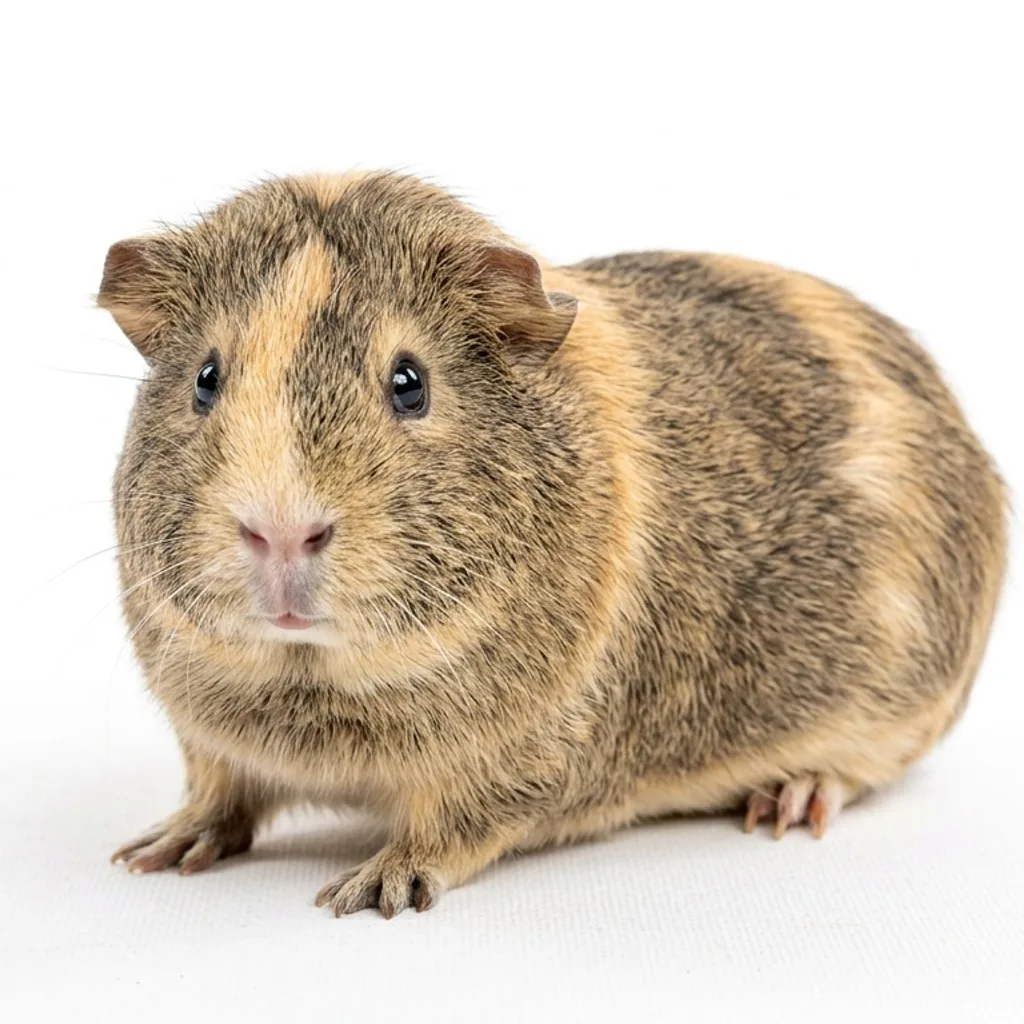
Abyssinian Guinea Pig
The Abyssinian is the rosetted guinea pig: at least eight whorls of coarse, short to medium fur set across the shoulders, back and hips, giving every animal its own tousled pattern in colours from black, white, cream and red through tortoiseshell-and-white and roan. Adults weigh around 700 to 1200 grams and live four to seven years. Abyssinians tend to be more outgoing and mischievous than smooth-coated guinea pigs, busy and talkative animals that wheek at feeding time, purr while being stroked, and popcorn about the cage in sudden joyful jumps. They are strongly social and should live with at least one other guinea pig. Daily needs are straightforward: unlimited hay, vitamin C-rich vegetables such as capsicum and parsley, a measured serving of pellets, spot-cleaning, and an hour of supervised floor time. The coat itself asks little beyond routine checks. A good match for a family wanting an interactive small pet with plenty of personality.
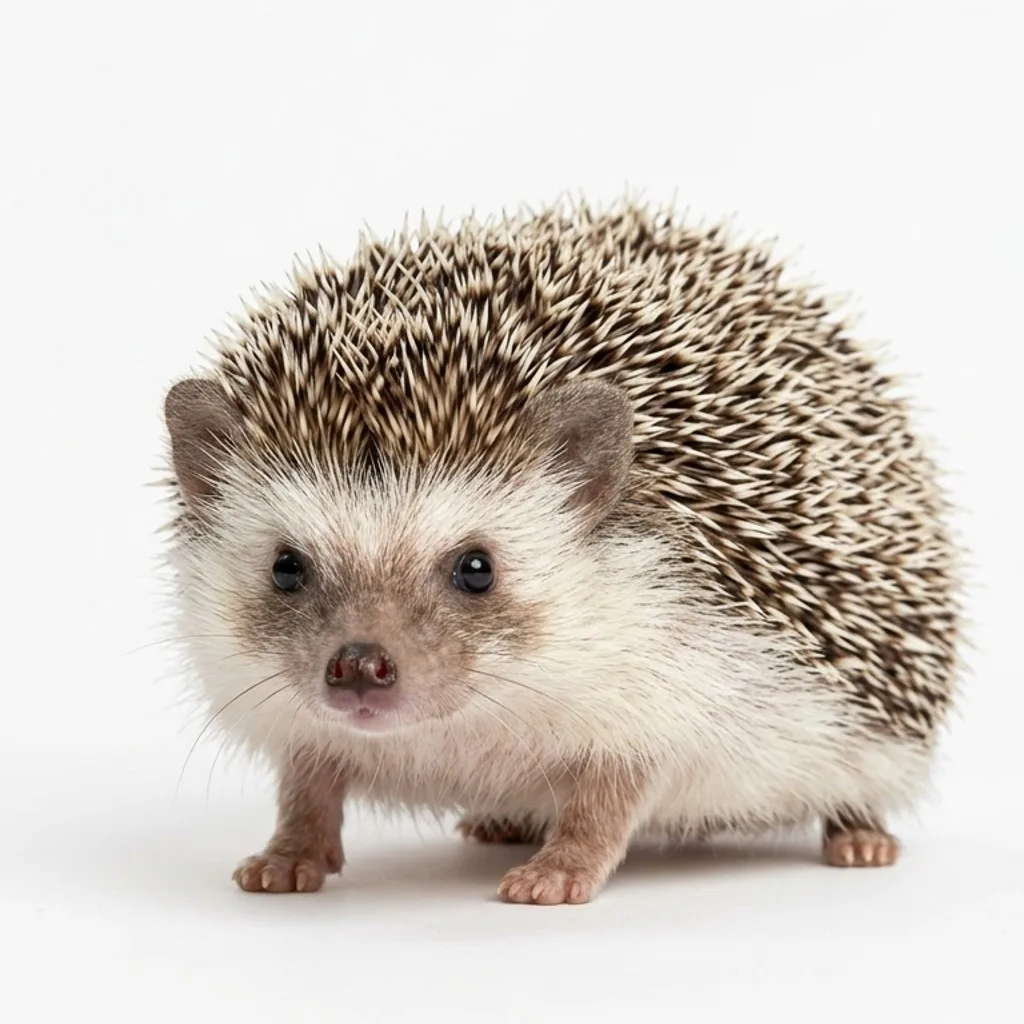
African Pygmy Hedgehog
The African Pygmy Hedgehog cannot legally be kept as a pet in New Zealand — there is no lawful import route (MPI allows only rabbits and guinea pigs from Australia and chinchillas from the UK), and DOC treats hedgehogs in NZ as an animal pest that preys on native lizards, invertebrates and ground-nesting birds. This page explains the species and the NZ legal reality; it is not a care guide for keeping one here. Typical lifespan overseas is 3-6 years.
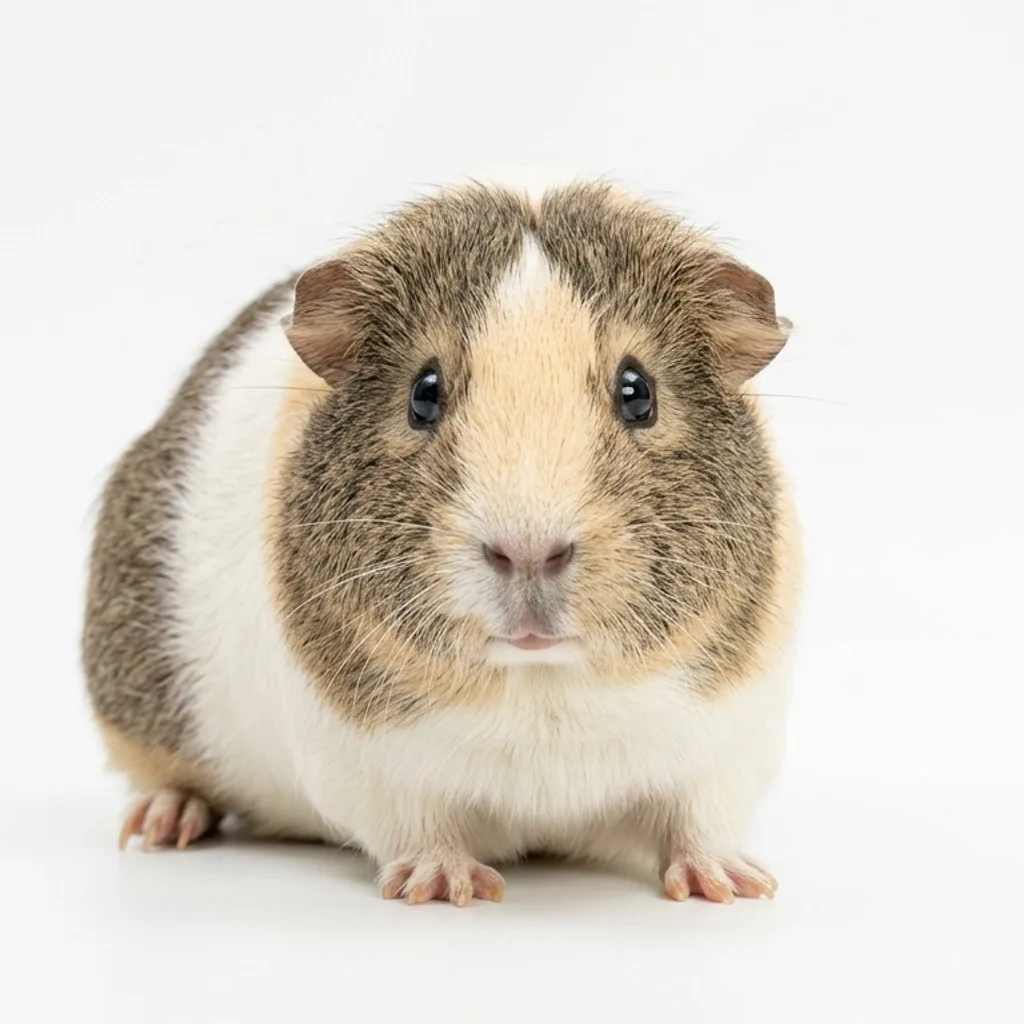
American Guinea Pig
The American is the short-coated cavy, the classic guinea pig: a dense, smooth coat lying flat against a stout, compact body of about 700 g to 1.2 kg and 20 to 25 cm, with short legs and no visible tail. Colours range from solid black, white, cream and red through agouti, roan and brindle, and lifespan is typically 4 to 7 years. Temperament is docile and friendly. These are sociable animals that live best in pairs or small groups, communicating by wheeking, purring and rumbling, and often shy at first until patient handling builds trust. Grooming stays minimal thanks to the short coat, so daily work is diet and hygiene: unlimited hay, fresh vegetables rich in vitamin C such as leafy greens and broccoli, a measured portion of fortified pellets, spot-cleaning, and 30 to 60 minutes of supervised floor time. Nails need trimming monthly. A sound match for first-time small-pet homes and for families with gentle, well-coached children.
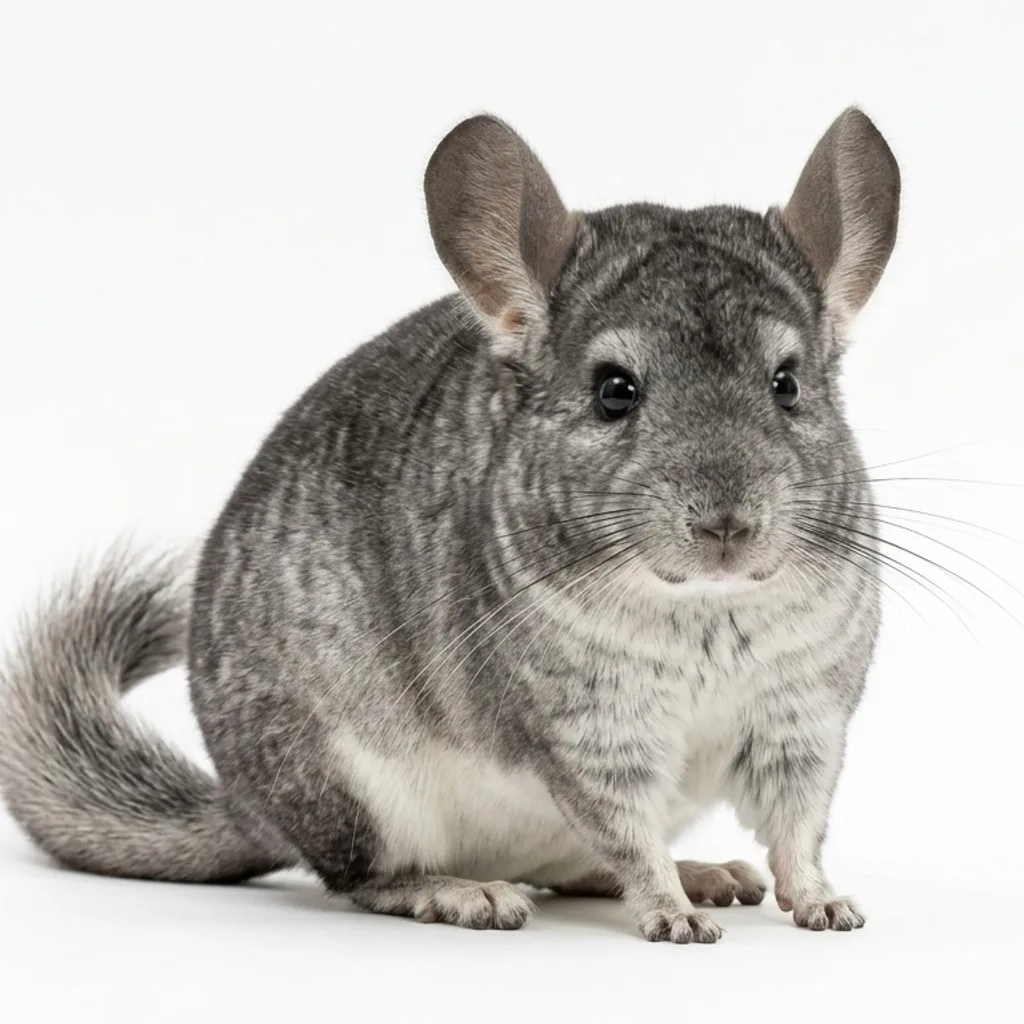
Chinchilla
The Chinchilla is a dense-furred rodent from the Andes of South America, active mainly at dawn and dusk and unusually long-lived for a small pet at fifteen to twenty years. Adults weigh roughly 400 to 800 grams, with a body of 25-35 cm plus a bushy tail, and coats running from the standard grey through beige, white, black and sapphire. Character is curious, agile and playful rather than cuddly: chinchillas would mostly rather climb, explore and chew than sit on a lap, and they turn skittish without calm, regular handling. They are social animals, usually kept in same-sex pairs or small groups. Care is specific, meaning a tall multi-level cage, a daily dust bath of ten to fifteen minutes, unlimited timothy hay with chinchilla-formulated pellets, and a room held below 25C, because heat is genuinely dangerous to them. A long-term pet for a patient household, not a starter animal.