Are Chinchillas Legal in NZ? Yes — How to Get One (2026)
Are chinchillas legal in NZ? Yes! Learn about New Zealand chinchilla ownership rules, MPI UK import pathways, housing needs, and trusted local breeder sources.
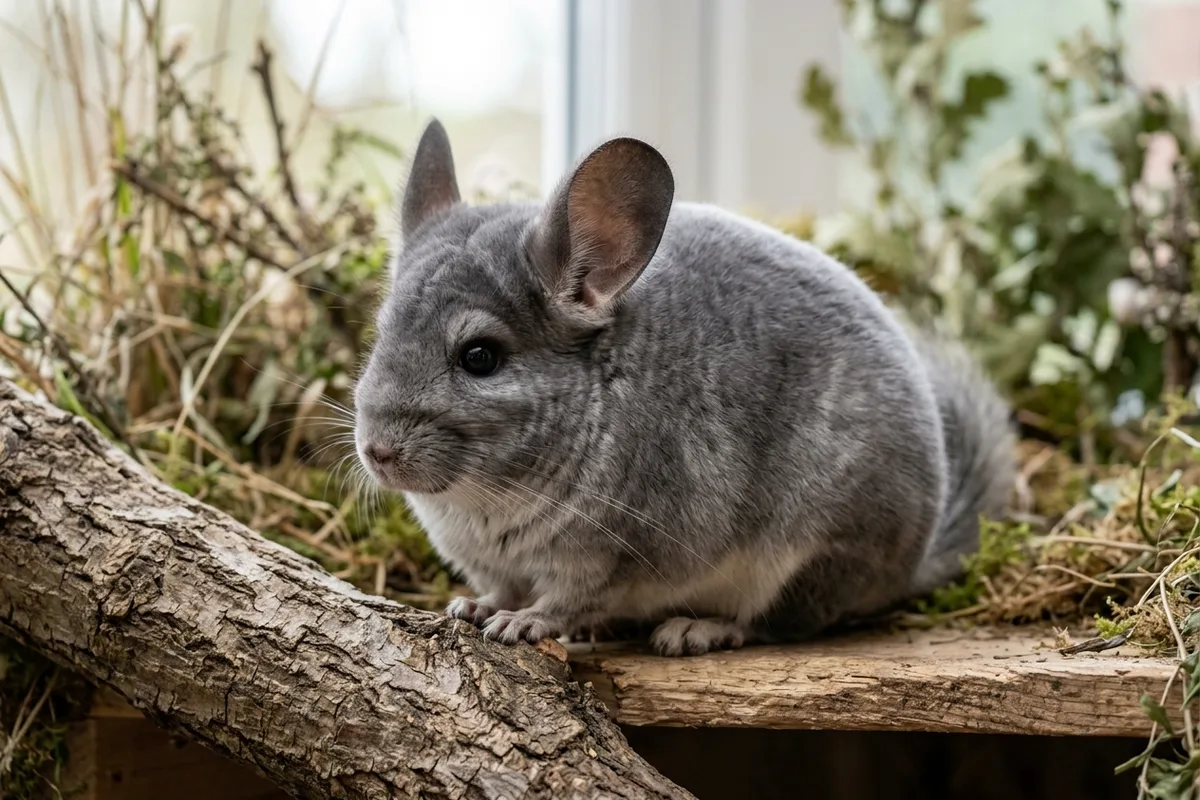
Yes, chinchillas are completely legal to own, breed, buy, and sell as companion pets in New Zealand. Unlike hamsters or ferrets, chinchillas (*Chinchilla lanigera*) are not subject to national ownership bans. Furthermore, under Ministry for Primary Industries (MPI) biosecurity import standards, chinchillas are one of only three pet species (other than cats and dogs) that can legally be imported into New Zealand at all — and the only approved source country is Great Britain.
The quick answer: Can you own a chinchilla in New Zealand?
If you are considering keeping a chinchilla in New Zealand, you can do so with full legal confidence. There are no national prohibitions against private chinchilla ownership, nor do regional councils require individual keeping permits for companion animals housed securely indoors.
Most pet chinchillas in New Zealand are acquired through established domestic breeders or specialised small animal enthusiast groups. While they are less common than domestic rabbits or guinea pigs, they enjoy an active community of dedicated keepers across both the North and South Islands.
Prospective guardians should note that while ownership is legal, chinchillas possess highly specialised environmental, dietary, and temperature requirements that differ significantly from standard pocket pets.
MPI Import Health Standards: The UK import pathway
New Zealand enforces some of the strictest border biosecurity controls in the world to protect its agricultural economy and unique native ecosystems. The Ministry for Primary Industries (MPI) strictly regulates the importation of all live animals under statutory Import Health Standards (IHS).
Under MPI regulations for bringing pets to New Zealand other than cats and dogs:
- Approved country of origin: Live pet chinchillas may only be imported into New Zealand directly from Great Britain — the governing document is MPI's *Chinchilla from Great Britain* Import Health Standard.
- No alternative import routes: Chinchillas cannot be imported from Australia, North America, Europe, or Asia, as no approved health agreements exist for those jurisdictions.
- Strict veterinary protocols: Any chinchilla imported from the UK must undergo mandatory pre-export veterinary inspections, official health certification, parasite treatments, and verification of disease-free status.
This pathway places chinchillas in very select company. MPI's pet import page lists exactly three importable pet species besides cats and dogs: chinchillas from Great Britain, and rabbits and guinea pigs from Australia. Hamsters, gerbils and degus have no import health standard from any country, which is why they cannot be bought here at all.
To review official offshore travel requirements for exotic species, consult the MPI non-cat and non-dog pet import page.
Where do NZ chinchillas come from? Local breeders and sourcing
Because importing a live animal from the United Kingdom involves substantial logistical arrangements, airline freight costs, and veterinary fees, the vast majority of chinchillas in New Zealand are born and raised locally within established domestic breeding lines.
When seeking to acquire a chinchilla in New Zealand, prospective owners typically explore three avenues:
- Registered Hobby Breeders: Reputable domestic breeders focus on genetic health, temperament, and coat quality. Responsible breeders will happily show you the parents, explain lineage, and provide guidance on transitional feeding.
- Specialist Small Pet Rescues: Occasionally, chinchillas requiring rehoming enter dedicated small animal rescues or the SPCA. Adopting gives an animal a second chance at a loving home.
- Enthusiast Networks and Clubs: Connecting with regional small pet clubs allows prospective keepers to learn about upcoming litters and verified husbandry practices.
Expected acquisition and setup costs in NZ
From reputable domestic breeders, a pet chinchilla in New Zealand typically costs between NZD $200 and $600, depending on colour mutation (standard grey versus mosaic, beige, or ebony) and pedigree.
However, the initial enclosure and equipment represent the larger financial investment. A complete setup—including a tall multi-tier powder-coated cage, wooden platforms, ceramic dust bath, chilling granite stones, and exercise wheel—often costs between NZD $400 and $800.
To explore comprehensive physical traits, lifespan, and care profiles, visit our chinchilla species profile.
Essential husbandry and welfare obligations in New Zealand
Under the Animal Welfare Act 1999, animal guardians in New Zealand have a legal obligation to meet the physical, health, and behavioural needs of their pets. For chinchillas, meeting these standards requires careful attention to climate and housing.
1. Temperature control and heatstroke prevention
Chinchillas evolved in the cool, arid Andes and carry the densest fur of any land mammal, at roughly 20,000 hairs per square centimetre. They cannot pant efficiently and have almost no capacity to sweat, so heat builds up fast and does not clear.
- The reference range: Merck describes chinchillas as adapted to an ambient range of roughly 18–27°C, and warns that a warm environment above about 27°C — especially a humid one — causes matted fur and heat stress.
- Humidity is the part most Kiwi owners miss: Merck's rule of thumb is to add the temperature in °F to the relative humidity percentage and treat anything over 150 as dangerous (29°C/85°F plus 65% humidity = 150). A muggy 26°C February day in Auckland or Northland is a far bigger risk than the same reading in dry Central Otago.
- Practical NZ target: treat 23°C as the point where heat stress starts and 26°C as acutely dangerous — the same thresholds we use in our chinchilla care guide. Experienced keepers here hold the room below about 22°C from December through March using a heat pump on cool mode, a fan moving air through the room (never blowing straight at the cage), and granite or marble cooling slabs in the enclosure.
- Know the warning signs: drooling, bright red ears, panting, and lying stretched out and unresponsive are heat stress. Move the chinchilla somewhere cool and ring your vet or an after-hours clinic straight away — this is an emergency, not a wait-and-see.
2. Dust baths for fur maintenance
Chinchillas must never be bathed in water, as their dense coats retain moisture, leading to severe fungal skin infections. Instead, they require access to specialised volcanic dust or pumice powder 2–3 times per week for 15–20 minutes to remove excess oils.
3. Escape-proof, multi-tier metal enclosures
Chinchillas are agile jumpers that require vertical space rather than horizontal floor area. Enclosures must feature wire spacing of 1.25 cm or less to prevent escapes. Plastic cages must be avoided entirely, as chinchillas will chew through plastic components and risk fatal intestinal blockages.
4. High-fibre diet
Their digestive systems require a continuous intake of high-fibre roughage. The daily diet must consist of 80–90% premium quality hay (such as Timothy, meadow, or botanical hay) complemented by measured portions of fortified chinchilla pellets. Sugary treats, seeds, and fresh fruits must be avoided to prevent digestive dysbiosis.
For broader advice on housing setups across various small exotic species, read our small pets and exotics care guide.
Why chinchillas are permitted while hamsters remain unavailable
A common question among New Zealand pet lovers is why chinchillas are permitted while hamsters cannot be purchased anywhere in the country.
The distinction lies in historical establishment and biosecurity risk assessments:
- Supply, not permits, is the deciding factor: neither species needs a keeping permit. The difference is whether animals can lawfully get here. Chinchillas have both an approved import health standard (from Great Britain) and a long-established domestic breeding population; hamsters have neither.
- No import health standard means no legal source: MPI's pet import page lists only chinchillas, rabbits and guinea pigs as importable pets. With no standard for hamsters or gerbils from any country, there is no lawful way to bring in founding stock — so no New Zealand pet shop can stock them.
- The control sits at the border: this is a biosecurity decision made by MPI under import health standards, not a council rule. No New Zealand council requires a permit to keep a chinchilla indoors as a companion animal.
To understand the legal framework surrounding prohibited rodents, review our in-depth analysis on hamsters legal status in NZ.
Summary: Responsible chinchilla ownership
Chinchillas make charming, long-lived (10–15+ years), and intelligent companion animals for dedicated keepers in New Zealand. By sourcing your pet from reputable local breeders, ensuring a cool indoor living environment, and adhering to strict dietary protocols, you can provide an enriching and legally compliant home for your companion.
Sources
- Ministry for Primary Industries (MPI) — Bringing pets to NZ (other than cats and dogs): https://www.mpi.govt.nz/bring-send-to-nz/pets-travelling-to-nz/bringing-pets-to-nz-other-than-cats-and-dogs
- Merck Veterinary Manual — Chinchillas (husbandry, temperature and humidity tolerance, dental and gastrointestinal disease): https://www.merckvetmanual.com/exotic-and-laboratory-animals/rodents/chinchillas
- New Zealand Legislation — Animal Welfare Act 1999, section 10 (obligation to meet an animal's physical, health, and behavioural needs): https://www.legislation.govt.nz/act/public/1999/0142/latest/DLM50298.html
Related guides
petmall.co.nz
Shop at PetMall
The products below are practical support items for your pet. PetMall ships across New Zealand.