Bengal Price NZ: Buying Costs & Ongoing Expenses Guide
Bengal cat prices in NZ range from $1,800-$2,500 from registered breeders ($150-$350 adoption). Learn what affects purchase and long-term care costs.
In New Zealand, purchasing a purebred Bengal kitten from an ethical, registered breeder typically ranges between $1,800 and $2,500 NZD. For prospective owners considering adoption options, shelter adoption fees generally fall between $150 and $350 NZD, though purebred Bengals are exceptionally rare in shelter environments.
*Note: The pricing figures cited in this guide reflect current 2026 market averages across New Zealand. Final costs depend on rosette pattern quality, coat contrast, pedigree bloodlines, breeder registration, and veterinary inclusions. Always verify current pricing directly with registered breeders.*
What drives the Bengal price in NZ
The Bengal is a highly distinctive, wild-looking feline breed, and several key factors dictate pricing across the $1,800 to $2,500 range in New Zealand:
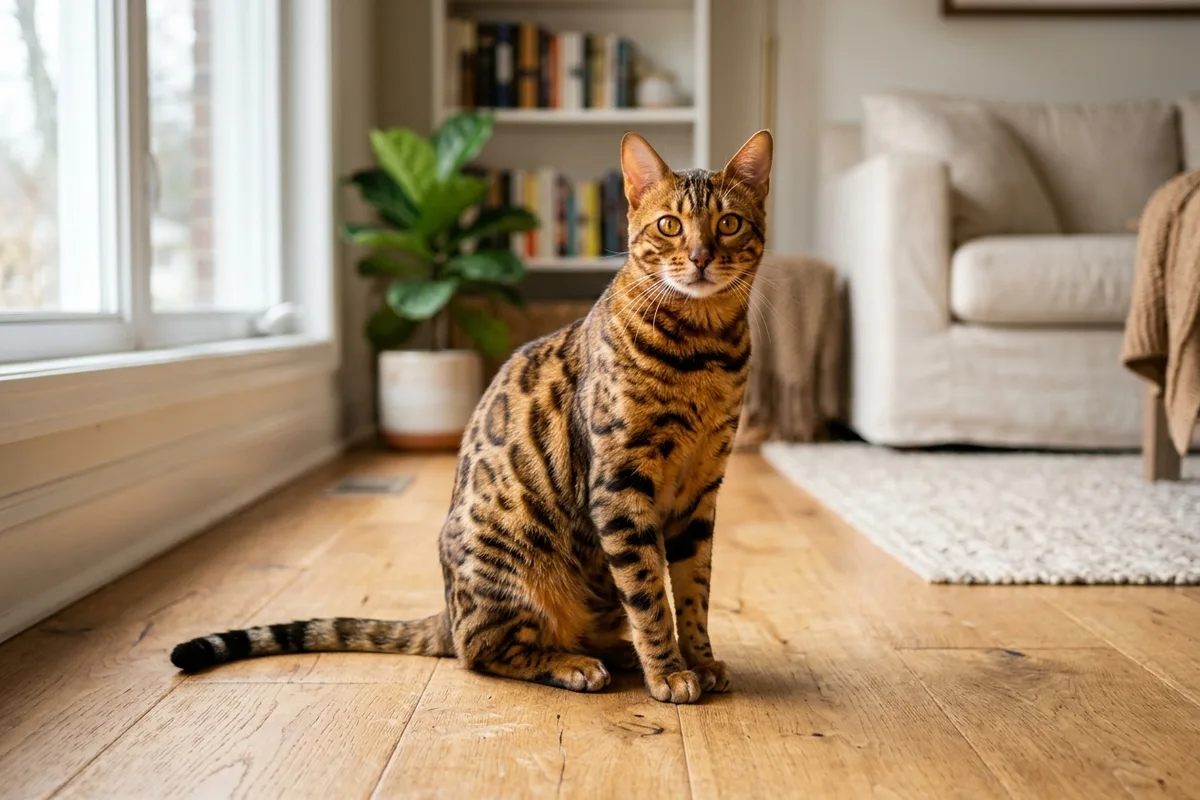
- Coat Marking and Pattern Contrast: Bengals displaying vivid, high-contrast doughnut or arrow-shaped rosettes on a warm gold or copper background command prices at the upper end of the spectrum. Charcoal, Silver, and Snow (Lynx Point, Mink, Sepia) colour variations with crisp contrast are highly sought after by enthusiasts.
- Pedigree Bloodlines and Breeder Accreditation: Ethical breeders registered with New Zealand Cat Fancy (NZCF) or Catz Inc invest heavily in importing genetic stock to maintain athletic body structure and clear coat patterns. Lineages with proven show titles carry higher purchase valuations.
- Standard Veterinary Package: Registered breeders supply Bengal kittens that are usually desexed (spayed or neutered) and microchipped prior to rehoming. The purchase price also covers a minimum of two F3 core vaccinations, complete deworming, flea treatments, and official registration transfer documents.
- Health Screening Standards: Bengals require rigorous clinical health monitoring. Ethical New Zealand breeders perform annual echocardiograms on breeding adults to screen for Hypertrophic Cardiomyopathy (HCM) and conduct DNA testing for Bengal Progressive Retinal Atrophy (PRA-b) and Pyruvate Kinase Deficiency (PK-def).
Ongoing costs — the real number
The Bengal is an athletic, highly energetic cat requiring dedicated ongoing care and environmental stimulation throughout their 12 to 16 year lifespan:
- High-Protein Dietary Needs: Bengals are active, muscular felines with high caloric requirements. Supporting their lean muscle mass requires premium animal-protein diets rich in meat content. Expect monthly feeding costs of $140 to $220 ($35 to $55 per week) for high-grade commercial wet food and kibble.
- Durable Play Equipment and Enrichment: Standard cat toys are often insufficient for the intense play drive of a Bengal. Heavy-duty cat trees, sturdy scratching posts, exercise wheels, and interactive puzzle feeders are essential, requiring an initial setup outlay of $200 to $450.
- Routine Veterinary Care and Microchipping: Annual health examinations, booster vaccinations, and year-round parasite preventatives cost between $320 and $550 annually. Microchip registration details must be maintained on the New Zealand Companion Animal Register (NZCAR). For clinic fees across New Zealand, review our guide on NZ vet costs.
- Pet Insurance Coverage: Securing health insurance for a Bengal guards against unexpected emergency surgeries or chronic health conditions. Monthly insurance premiums for Bengal cats in New Zealand range from $40 to $80. To evaluate overall companion animal budgeting, consult our guide on the cost of owning a cat.
Adoption: the $150-$350 alternative
Adopting a cat through SPCA New Zealand or local animal welfare groups costs between $150 and $350 NZD, which includes desexing, vaccination, microchipping, and parasite control.
While adoption is a rewarding choice, prospective Bengal owners should recognise that genuine purebred Bengals very rarely arrive in general shelters. Tabby domestic cats with spotted markings are frequently mislabelled as Bengals. To adopt a genuine Bengal adult, contact registered NZCF breed club rehoming coordinators who assist with rehoming mature cats into companion homes.
Buying safely in NZ
Observe these safety guidelines when purchasing a Bengal kitten in New Zealand:
- Check Registration Status: Ensure the breeder is actively registered with New Zealand Cat Fancy (NZCF) or Catz Inc.
- Verify Clinical Screening: Request written proof of HCM cardiac screening and DNA test results for PRA-b and PK-def for both parent cats.
- Inspect Living Conditions: Visit the cattery in person or via live video to evaluate housing hygiene, mother cat health, and kitten socialisation.
- Confirm Rehoming Inclusions: Ethical breeders never release Bengal kittens prior to 12 to 14 weeks of age, nor without completed desexing, microchipping, and vaccination documentation.
- Avoid Deposit Fraud: Never transfer non-refundable deposits without a formal sales agreement and verified breeder credentials.
Related reading
- Explore detailed physical standards and temperament in our Bengal Cat Breed Profile.
- Plan your complete pet budget with our guide on the cost of owning a cat.
- Review routine and emergency clinical expenses in our guide on NZ vet costs.
Sources
- New Zealand Cat Fancy (NZCF), Breeders Directory & Bengal Breed Information, checked 2026-08-03: https://nzcf.com/breeds/breeders
- Catz Inc New Zealand, Registry Services & Breeder Regulations, checked 2026-08-03: https://catzinc.org/registry/services/
- Merck Veterinary Manual, Hypertrophic Cardiomyopathy in Dogs and Cats, checked 2026-08-03: https://www.merckvetmanual.com/circulatory-system/cardiomyopathy-in-dogs-and-cats/hypertrophic-cardiomyopathy-in-dogs-and-cats
Important notice
*Indicative ranges only — prices vary by breeder, lines and region. Always verify current pricing directly.*
Related guides
petmall.co.nz
Shop at PetMall
The products below are practical support items for your pet. PetMall ships across New Zealand.
- Cat FoodStart with food that matches your cat's life stage — change brands slowly over 7–10 days to avoid digestive upset.
- Cat LitterClumping or crystal, most cats prefer an unscented litter and a clean tray — one tray per cat plus one spare is the NZ rule of thumb.
- Cat TreatsGreat for bonding and training — keep treats under 10% of daily calories to protect your cat's waistline.
- Cat ToysA small rotation of toys (feather wand, puzzle feeder, and comfort toy) usually works better than buying many at once.
- Cat GroomingRegular brushing cuts hairballs and shedding — essential for long-haired breeds like Ragdolls and British Longhairs.
- Flea & Worm TreatmentFor NZ conditions, choose protection that fits your cat's weight and lifestyle (indoor vs outdoor) and keep it regular.