Ragdoll Price NZ: $1,200–$2,500 per Kitten
Ragdoll cat prices in NZ range from $1,200-$2,500 from registered breeders ($150-$350 adoption). Learn what affects purchase costs and ongoing expenses.
In New Zealand, purchasing a purebred Ragdoll kitten from an ethical, registered breeder typically costs between $1,200 and $2,500 NZD. If you are considering adoption through a shelter or breed-specific rescue organisation, fee structures generally range from $150 to $350 NZD, though purebred Ragdolls rarely become available in rescue networks.
*Note: The prices outlined in this guide represent indicative market ranges in New Zealand for 2026. Actual prices vary based on pedigree bloodlines, breeder registration status, coat pattern rarity, and regional location. Always verify current quotes directly with registered breeders.*
What drives the Ragdoll price in NZ
Several key factors influence where a Ragdoll kitten falls within the $1,200 to $2,500 pricing spectrum across New Zealand:
- Pedigree Bloodlines and Breeder Registration: Kittens bred from imported ancestral bloodlines or championship show lineage command higher prices. Reputable breeders registered with New Zealand Cat Fancy (NZCF) or Catz Inc adhere to strict ethical breeding codes, ensuring parents undergo essential genetic screening prior to mating.
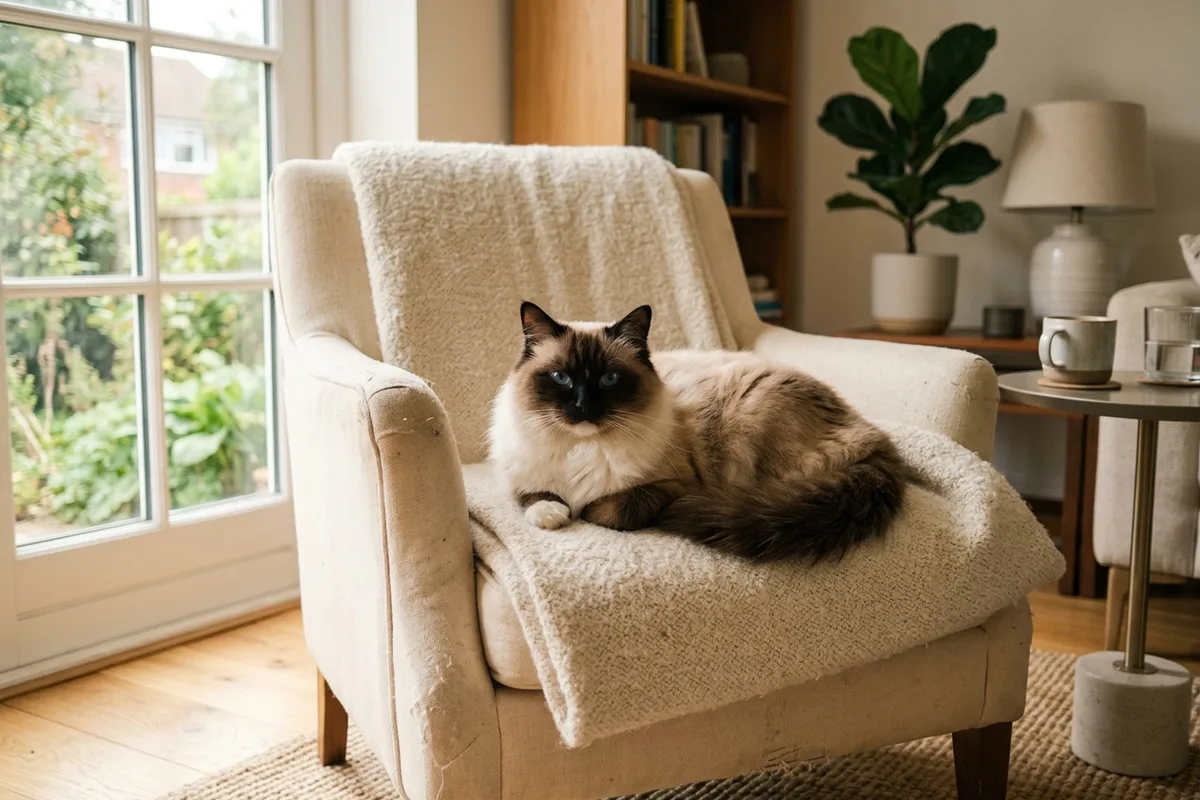
- Coat Colour and Point Variations: Traditional point variations (such as Seal Point and Blue Point) are widely available and usually priced near the baseline of $1,200 to $1,800. Less common coat patterns—including Chocolate, Lilac, Flame, Cream, Mink, and Sepia points, or Lynx (tabby) and Bicolour pattern variations—often attract premium pricing towards the upper $2,500 limit.
- Comprehensive Veterinary Inclusion: Higher initial purchase costs from registered breeders reflect significant upfront healthcare investments. Ethical breeders typically supply kittens fully vaccinated (minimum of two F3 vaccinations), microchipped, desexed (spayed or neutered prior to rehoming), and treated for intestinal parasites and fleas.
- Health Screening Standards: Ragdolls are genetically predisposed to specific hereditary conditions, most notably Hypertrophic Cardiomyopathy (HCM) and Polycystic Kidney Disease (PKD1). Responsible New Zealand breeders perform DNA testing on all breeding stock to ensure parent cats do not carry mutated genes. Buyers should note that a breeder's claim of a kitten being "HCM/PKD clear by parentage" indicates ancestral DNA testing, which differs from an individual echocardiogram heart scan performed directly on an adult cat.
Ongoing costs — the real number
The initial purchase price represents only a fraction of the total lifetime financial commitment required to care for a Ragdoll in New Zealand. Due to their large physical frame and dense semi-longcoat, Ragdolls incur specific ongoing maintenance costs:
- Diet and Nutrition: Adult male Ragdolls frequently reach weights of 6 kg to 9 kg. Supporting their large muscle mass requires a high-quality animal protein diet rich in omega-3 and omega-6 fatty acids to maintain skin health and coat lustre. Expect to spend approximately $35 to $60 per week on high-grade canned and premium dry feline food.
- Grooming Essentials: Although the Ragdoll's plush coat lacks a dense undercoat—making it less prone to severe matting than a Persian—regular grooming is essential. Investing in stainless steel greyhound combs, slicker brushes, and anti-static detangling sprays will cost $60 to $120 initially. Professional grooming sessions, if required for sanitary trims or mat removal, range from $90 to $160 per visit.
- Routine Veterinary Care: Annual veterinary health checks, booster vaccinations, and continuous preventative flea and worm treatments cost between $300 and $550 annually. For detailed pricing structures across veterinary clinics nationwide, consult our guide on NZ vet costs.
- Pet Insurance: Given the potential for hereditary cardiac issues, securing comprehensive feline health insurance early in your kitten's life is highly recommended. Monthly insurance premiums for Ragdolls in New Zealand range from $35 to $85 depending on coverage caps and excess options. For a complete financial breakdown of feline ownership, read our guide on the cost of owning a cat.
Adoption: the $150-$350 alternative
Adopting a cat through organisations like SPCA New Zealand or local rescue groups costs between $150 and $350 NZD. Adoption fees almost always cover complete desexing, microchipping, initial vaccinations, and parasite control.
However, prospective owners seeking a purebred Ragdoll should understand that genuine Ragdolls enter rescue organisations very infrequently. Most cats labelled as "Ragdoll mixes" in shelters are domestic longhair cats displaying colourpoint patterns without documented Ragdoll temperament or pedigree. If you are determined to adopt a purebred Ragdoll, contacting registered NZCF breed clubs to inquire about retired breeding adults or rehoming registries is the most effective approach.
Buying safely in NZ
To ensure you are purchasing a healthy kitten and supporting ethical breeding practices in New Zealand, observe these critical guidelines:
- Verify Breeder Registration: Confirm the breeder is actively registered with either New Zealand Cat Fancy (NZCF) or Catz Inc. Registered breeders must comply with official breeding rules and code of welfare standards.
- Request Health Documentation: Ask for written proof of DNA test certificates for both parent cats, specifically verifying negative status for feline HCM and PKD1 mutations.
- Inspect the Living Environment: Visit the cattery in person or via live video call to observe the kitten alongside its mother and littermates. Ensure housing conditions are clean, spacious, and well-socialised.
- Confirm Rehoming Age and Medical Status: Ethical New Zealand breeders never release Ragdoll kittens prior to 12 to 14 weeks of age. Upon departure, kittens must be fully desexed, microchipped, and vaccinated with official veterinary records provided.
- Avoid Deposit Fraud: Be cautious of online listings requesting non-refundable deposits via untraceable payment methods prior to providing contract documentation or breeder registration credentials.
Related reading
- Learn more about breed temperament and physical traits in our Ragdoll Cat Breed Profile.
- Calculate total lifetime companion animal expenses in our guide on the cost of owning a cat.
- Understand clinical treatment costs and consultation fees in our guide on NZ vet costs.
Sources
- New Zealand Cat Fancy (NZCF), Breeds & Breeders directory — breed information plus names and contact details for registered breeders of each recognised breed, checked 2026-08-03: https://nzcf.com/breeds/breeders
- CATZ Inc (New Zealand Cat Registry), Registry Services — prefix/cattery name, litter and individual registration, and transfer of ownership, checked 2026-08-03: https://catzinc.org/registry/services/
- Merck Veterinary Manual, Hypertrophic Cardiomyopathy in Dogs and Cats, checked 2026-08-03: https://www.merckvetmanual.com/circulatory-system/cardiomyopathy-in-dogs-and-cats/hypertrophic-cardiomyopathy-in-dogs-and-cats
Important notice
*Indicative ranges only — prices vary by breeder, lines and region. Always verify current pricing directly.*
Related guides
petmall.co.nz
Shop at PetMall
The products below are practical support items for your pet. PetMall ships across New Zealand.
- Cat FoodStart with food that matches your cat's life stage — change brands slowly over 7–10 days to avoid digestive upset.
- Cat LitterClumping or crystal, most cats prefer an unscented litter and a clean tray — one tray per cat plus one spare is the NZ rule of thumb.
- Cat TreatsGreat for bonding and training — keep treats under 10% of daily calories to protect your cat's waistline.
- Cat ToysA small rotation of toys (feather wand, puzzle feeder, and comfort toy) usually works better than buying many at once.
- Cat GroomingRegular brushing cuts hairballs and shedding — essential for long-haired breeds like Ragdolls and British Longhairs.
- Flea & Worm TreatmentFor NZ conditions, choose protection that fits your cat's weight and lifestyle (indoor vs outdoor) and keep it regular.