Low-Cost Vet Care NZ: Free & $30 Desexing Schemes
Need affordable vet care in NZ? Discover free and $30 desexing schemes, regional subsidies, and practical payment options when you cannot afford treatment.
Managing veterinary healthcare expenses is one of the most stressful challenges facing pet owners across New Zealand. When an unexpected illness or injury occurs, high clinical bills can place severe financial strain on household budgets. In New Zealand, there is no universal public healthcare system for companion animals, meaning the government does not provide blanket subsidies or free treatment for everyday pet medical care.
However, genuine financial assistance does exist if you know where to look. Realistic support in New Zealand is largely centred on targeted desexing and microchipping subsidies provided by animal welfare charities, designated regional outreach partnerships, and structured payment solutions negotiated directly with private veterinary practices. Understanding what support is available—and how to communicate effectively with your vet—can make a critical difference when funds are limited.
What Help Actually Exists in NZ (and What Doesn't)
Before exploring available programmes, it is essential to dispel common misconceptions about veterinary funding in New Zealand:
- No Taxpayer-Funded Universal Healthcare: Unlike the human healthcare system (Te Whatu Ora) or accident compensation (ACC), companion animals have no state-funded healthcare safety net. Central government funding does not cover private clinic fees.
- Private Practice Overheads: Routine veterinary clinics operate as private small businesses. Consultation fees and surgical costs reflect significant clinical overheads, including specialised diagnostic imaging machines, anaesthetic monitoring equipment, pharmaceutical inventory, and skilled staff salaries.
- Charity Scope Limitations: Organisations like the SPCA are non-profit charities dependent on public donations. While SPCA inspectors enforce animal welfare laws and shelters care for neglected or abandoned animals, the SPCA cannot pay private vet bills for owned companion animals or operate universal free walk-in clinics for the public.
What actually exists in New Zealand is a combination of targeted charitable subsidies, seasonal community campaigns, and formal clinic financial arrangements designed to assist low-income pet owners.
Subsidised Desexing and Microchipping Schemes
The largest and most accessible forms of pet healthcare assistance in New Zealand focus on preventative care: desexing and microchipping. Unplanned litters place enormous pressure on animal shelters and community resources, prompting welfare charities and regional bodies to fund targeted desexing drives.
As at 9 September 2026, several subsidised desexing campaigns are active across New Zealand, primarily coordinated through the SPCA Snip 'n' Chip initiative and specialised community clinics. Many regional voucher allocations are time-limited and scheduled to conclude on 30 November 2026 (or earlier if voucher quotas are exhausted). Pet owners must verify current voucher availability and participating veterinary clinics directly at the official national hub (desexing.spca.nz).
The following verified schemes are currently operating in New Zealand:
| Region | Coverage Area | Eligibility Criteria | Client Co-Pay | Active Status & Dates |
|---|---|---|---|---|
| Auckland | Specific postcodes bordering ecologically sensitive reserves | Cat owners residing in designated postcodes (Community Services Card not required) | Free | Active (2 September 2026 to 4 December 2026) |
| Central North Island | Taupō, Taihape, Taumarunui, Tūrangi, Ruapehu, and Rangitīkei | Cat owners experiencing financial hardship | $30 co-pay | Active (22 July 2026 to 30 November 2026) |
| Christchurch & Canterbury | Christchurch, Hurunui, Rangiora, Leeston, Methven, and Ashburton | Cat owners requiring financial assistance | $30 co-pay | Active (5 August 2026 to 30 November 2026) |
| Taranaki & Manawatū | Taranaki region and Palmerston North | Cat owners requiring financial assistance | $30 co-pay | Active (8 July 2026 to 30 November 2026) |
| Tasman & Marlborough | Motueka, Nelson, Picton, Blenheim, and Kaikōura | Cat owners requiring financial assistance | $30 co-pay | Active (15 July 2026 to 30 November 2026) |
| Wellington & Lower North Island | Wellington, Porirua, Hutt Valley, Levin, Foxton, Shannon, Masterton, Carterton | Cat owners requiring financial assistance | $30 co-pay | Active (5 August 2026 to 30 November 2026) |
| Northland | Hokianga, Kaikohe, Moerewa, Kawakawa, Kaeo, and Okaihau | Cat and dog owners requiring financial assistance | Free | Permanent ongoing partnership |
| Palmerston North (Massey–SPCA Clinic) | Palmerston North and surrounding district | Holders of Community Services Card, SuperGold Card, or Massey University Student ID | Male cat: $20<br>Female cat: $30 (includes free microchipping) | Permanent ongoing community clinic |
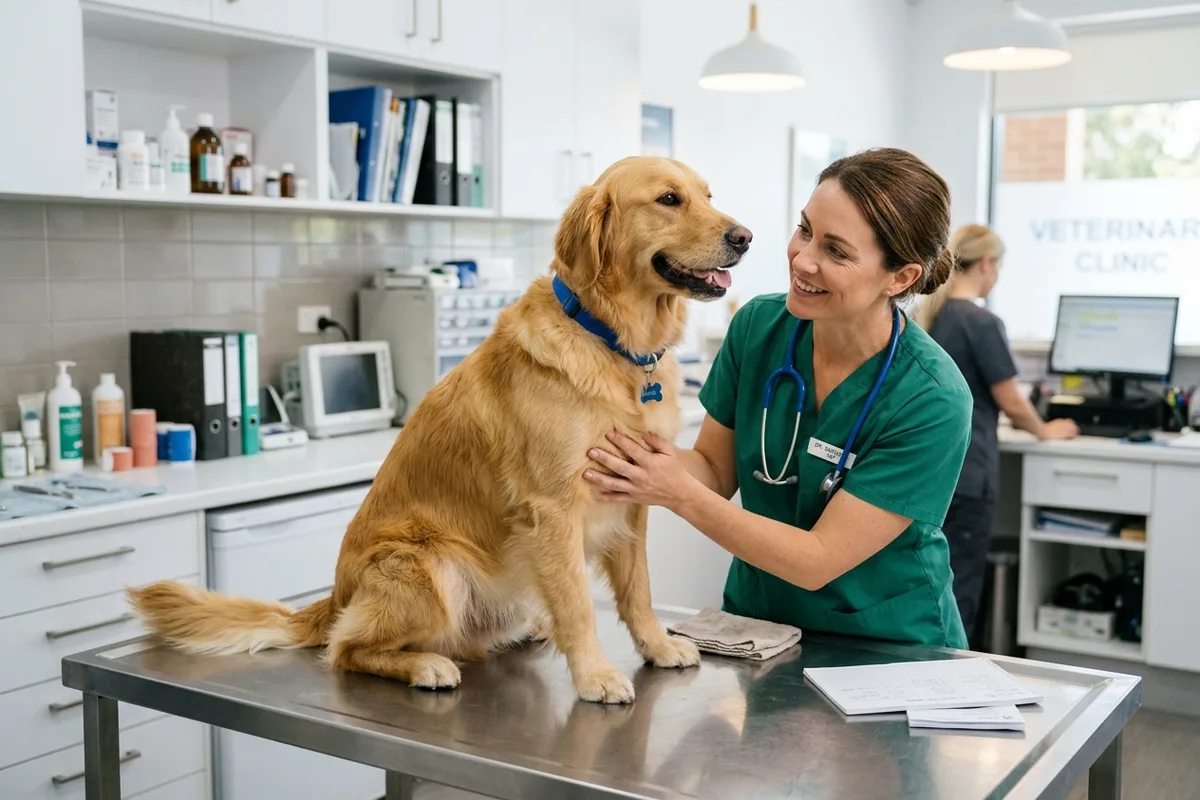
To access a Snip 'n' Chip voucher, eligible pet owners apply online through the SPCA desexing hub, choose a participating local veterinary clinic from the approved directory, and book an appointment presenting their digital voucher code.
If You Cannot Afford Vet Treatment Right Now
When a pet experiences an acute injury or sudden severe illness, immediate treatment cannot wait for seasonal subsidy vouchers. If you find yourself facing an urgent medical emergency without adequate savings, take the following practical steps:
1. Call Ahead and Communicate Honestly
Never avoid taking a suffering animal to the vet out of fear or embarrassment regarding costs. Call the veterinary practice immediately, explain your pet's clinical signs, and state your financial constraints transparently to the receptionist or veterinary nurse. Veterinary teams appreciate upfront honesty and can often tailor an immediate stabilisation plan that fits within your immediate budget.
2. Request an Itemised Written Quote
Ask the attending vet for an itemised written estimate before procedures or hospitalisation commence. In a clinical consultation, diagnostics and therapies can often be prioritised. For example, a clinician might advise starting with essential pain relief and fluid therapy while deferring non-critical secondary diagnostic testing until initial response is assessed.
3. Ask About Clinic Payment Plans
Some independent, community-based veterinary clinics offer internal instalment agreements for established clients with an existing appointment history. While many corporate clinics require payment in full on the day of discharge, policies vary between individual practices. Asking whether an initial deposit combined with weekly automatic payments is acceptable can provide temporary relief.
4. Explore Third-Party Veterinary Finance
Many New Zealand vet clinics partner with external credit providers, and it is worth knowing that these are not all the same product. General-purpose interest-free cards such as Q Card or Gem Visa run a promotional interest-free window, after which a standard rate applies. Vet-specific lenders such as VetCare Finance work differently: they pay the clinic directly and you then repay the lender over an agreed term, at an interest rate set by that lender. Some clinics additionally accept point-of-sale instalment services such as Afterpay.
Veterinary reception staff can submit instant finance applications on your behalf during admission. However, pet owners should carefully evaluate establishment fees, administration charges, and post-promotional interest rates before committing to third-party credit contracts.
5. Prevent Unnecessary Suffering
Under section 11 of the Animal Welfare Act 1999, the owner of an ill or injured animal — and anyone else in charge of it — must ensure the animal receives treatment that alleviates any unreasonable or unnecessary pain or distress. Putting off vet care for a severely injured or deteriorating pet because of cost puts you in breach of that duty. The same section is equally explicit the other way: it does not require you to keep an animal alive when it is in a condition where it is suffering unreasonable or unnecessary pain or distress. If treatment is genuinely out of financial reach and an animal is in pain that cannot be relieved, humane euthanasia is a lawful and compassionate decision, not a failure. Many clinics provide reduced-cost or compassionate euthanasia to prevent prolonged suffering.
Where the Real Money Goes
Routine veterinary consultations across New Zealand typically range from approximately $39 to $86 during standard business hours, whereas after-hours emergency hospital consults often start between $180 and $270 before diagnostics, fluid therapy, or surgery are factored in. Complex trauma care, foreign body intestinal surgery, or prolonged inpatient hospitalisation can easily escalate into thousands of dollars.
To see real, clinic-published price comparisons across New Zealand cities—including actual consultation fees, routine desexing costs, and dental pricing—consult our detailed guide on NZ Vet Costs.
Preventing the Big Bills
The most dependable strategy for keeping veterinary costs manageable is proactive preventative healthcare. Investing small amounts into routine maintenance substantially reduces the risk of facing catastrophic, multi-thousand-dollar emergency bills later:
- Desexing and Microchip Registration: Subsidised desexing eliminates life-threatening conditions such as uterine infections (pyometra) and testicular cancers, while reducing the roaming behaviours that cause motor vehicle trauma. Microchipping ensures swift identification if an injured pet is found; learn about legal obligations in our guide on Dog Microchipping in NZ.
- Timely Vaccinations: Immunising puppies and dogs against highly contagious, lethal pathogens such as canine parvovirus and kennel cough prevents extensive isolation ward hospitalisation costs. Review recommended veterinary intervals in our comprehensive NZ Dog Vaccination Schedule.
- Comprehensive Pet Insurance: Enrolling a pet in an insurance policy while they are young and free of pre-existing conditions provides invaluable financial protection against major surgical emergencies and long-term chronic illnesses. Compare policy options and coverage caps in our detailed review of Pet Insurance in New Zealand.
- Proactive Dental Hygiene: Periodontal disease is one of the most common feline and canine health conditions in New Zealand. Regular home dental care, dental diets, and early scaling prevent costly stage-four surgical tooth extractions requiring general anaesthesia.
Frequently Asked Questions
Is there free veterinary care in New Zealand?
No universal free veterinary service exists in New Zealand for companion animals. The only completely free veterinary programmes are targeted charitable schemes, such as the Auckland ecologically sensitive zone Snip 'n' Chip cat desexing drive and the permanent Northland veterinary partnership, both funded specifically to control cat populations and protect native wildlife.
Can the SPCA pay my private veterinary bill?
No. The SPCA is an independent animal welfare charity that relies primarily on donations to fund its animal rescue shelters and inspectorate services. SPCA funds cannot be used to pay or subsidise private veterinary invoices for owned pets.
What should I do if my pet needs emergency treatment and I have no money?
Call your nearest veterinary clinic or emergency after-hours hospital immediately and explain your situation honestly. In life-threatening emergencies, vets have an ethical obligation to stabilise a patient or relieve acute pain. Clinics can also assist you with applying on the spot for third-party veterinary medical finance or staged payment options.
Do all New Zealand vet clinics offer payment plans?
No. Due to the high administrative overhead and default risks associated with debt collection, many veterinary practices do not offer in-house credit or deferred payment terms. Instead, most clinics partner with licensed third-party finance providers such as Q Card, Gem, or VetCare Finance to help clients spread emergency costs over manageable monthly instalments.
Can I get subsidised desexing for my dog?
Most subsidised desexing programmes in New Zealand, including the majority of SPCA Snip 'n' Chip voucher campaigns, are reserved exclusively for cats due to urgent overpopulation pressures and native wildlife predation concerns. The primary exception is the Northland veterinary partnership, which covers dogs for eligible rural residents experiencing financial hardship. Some local councils also occasionally run targeted bull-breed or dangerous dog desexing and microchipping amnesty drives.
Sources
- SPCA New Zealand, *Desexing hub — Snip 'n' Chip voucher campaigns and the Massey–SPCA Desexing Clinic* — the regional eligibility rules, co-pay amounts and campaign end dates used in the table above, checked 2026-09-09: https://www.desexing.spca.nz/
- Massey–SPCA Desexing Clinic (Palmerston North), *Clinic site* — the Gold Card / Community Services Card eligibility rule, and free microchipping with NZCAR registration included for cats desexed through the clinic (the $20/$30 prices themselves are published on the SPCA hub above, not here), checked 2026-09-09: https://masseyspcadesexing.org/
- New Zealand Legislation, *Animal Welfare Act 1999, s 11 — Obligation to alleviate pain or distress of ill or injured animals* — the statutory duty to have an ill or injured animal treated, and the express provision that it does not require keeping a suffering animal alive, checked 2026-09-09: https://www.legislation.govt.nz/act/public/1999/0142/latest/DLM50299.html
Free PetMall tools
Related guides
petmall.co.nz
Shop at PetMall
The products below are practical support items for your pet. PetMall ships across New Zealand.
- Dog FoodStart with food that matches your dog's life stage and activity level — and change brands slowly over 7–10 days.
- Dog TreatsTraining rewards and everyday treats — small, soft pieces work best for consistent reinforcement.
- Dog ToysA small rotation of chew, fetch, and puzzle toys usually works better than buying a large variety at once.
- Dog GroomingA gentle brush and the right shampoo make maintenance easier — especially for dogs that get muddy on walks.
- Leads & HarnessesComfort matters: padded contact points and adjustable fit help reduce rubbing on longer walks or tramping weekends.
- Flea & Worm TreatmentFor NZ conditions, look for protection that fits your routine (monthly vs longer-lasting) and your dog's weight range.